Home Blog Page 4

ANDOP Mourns Publisher Anietie Ben Akpan, Says Death Has Robbed Niger Delta Media Of Dedicated Professional

0

The Association of Niger Delta Online Publishers (ANDOP) has expressed profound grief over the death of one of its members, Mr Anietie Ben Akpan, describing his passing as a devastating loss to the journalism profession and the online publishing community in the Niger Delta.

Akpan, publisher of the Calabar-based online newspaper The Pillar Today, died on August 2 after a period of illness.

In a joint statement issued on Tuesday by the association’s Founding President, Mr Ofonime Umanah, and Secretary, Celestine Ogolo, ANDOP said members were deeply shocked by the news, noting that the late journalist remained optimistic and cheerful despite his health challenges.

The association described Akpan as an accomplished media professional whose passion, integrity and commitment to responsible journalism made him a valuable member of the organisation.

“We received the news of the death of our friend, colleague and brother, Mr Anietie Ben Akpan, with profound sadness.

Although we were aware that he had been battling ill health, every conversation we had with him was filled with hope, warmth and unwavering optimism,” the statement said.

According to the association, Akpan was committed to its vision of promoting professionalism and raising standards in online journalism across the Niger Delta.

“As a young professional body, we found in him a thoroughbred journalist who was eager to contribute meaningfully to our collective aspiration of reshaping online publishing in the region. He embraced our ideals and was prepared to be one of the change agents the industry urgently needs.

“His death has left a painful vacuum in our ranks. We have lost not only a distinguished journalist but also a dependable colleague, a trusted friend and a committed partner in progress. His passing is a painful blow that will be deeply felt by all who knew and worked with him.”

ANDOP extended its heartfelt condolences to the bereaved family, assuring them of its solidarity during the period of mourning.

“Our thoughts and prayers are with his family in this difficult time. We pray that God grants them the strength and comfort to bear this irreparable loss. We also pray that the soul of our departed colleague finds eternal rest in the bosom of the Lord,” the statement added.

Ogbuku Courts Investors, Says Niger Delta Now Safe For Business As Tinubu, Oborevwori Push Economic Diversification

0

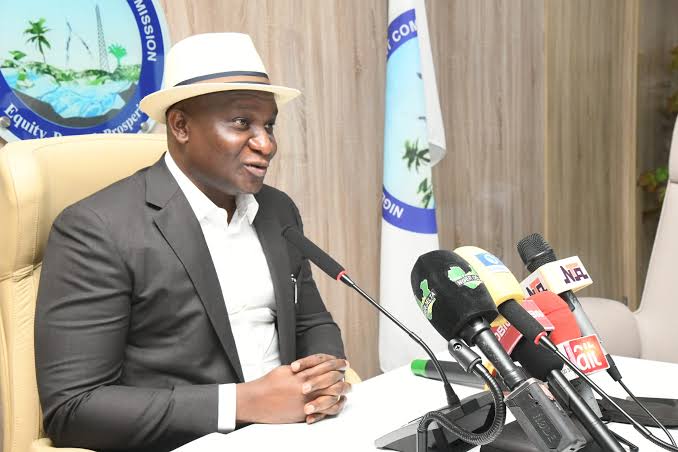
The Managing Director of the Niger Delta Development Commission (NDDC), Samuel Ogbuku, has urged local and international investors to take advantage of the improved security and business climate in the Niger Delta, declaring the oil-rich region safe and conducive for investment.

Speaking at the Delta State Economic and Investment Summit 2026 in Asaba, Ogbuku described the Niger Delta as a region richly endowed with vast economic opportunities, assuring prospective investors of a stable environment for business growth.

According to a statement issued in Port Harcourt on Tuesday by the NDDC Director of Corporate Affairs, Seledi Thompson-Wakama, the Commission’s chief attributed the renewed confidence in the region to the reforms of the administration of President Bola Ahmed Tinubu.

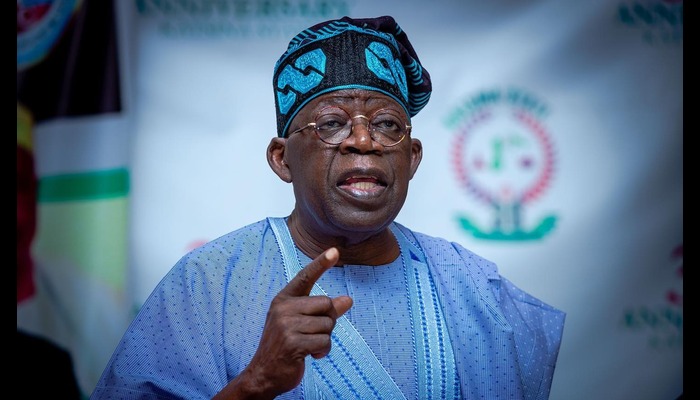
He said the Federal Government’s Renewed Hope Agenda had significantly transformed the Niger Delta into a more peaceful and investor-friendly destination, creating fresh opportunities for economic expansion and sustainable development.

Ogbuku also commended Delta State Governor, Sheriff Oborevwori, for convening the investment summit, describing it as a strategic initiative capable of attracting investors to both Delta State and the wider Niger Delta region.

He further congratulated the governor on his administration’s strides in infrastructure development, noting that such investments were critical to sustaining economic growth.

Addressing participants at the summit, Vice President Kashim Shettima said Nigeria’s economic outlook had improved despite global economic uncertainties, insisting that President Tinubu deserved commendation for stabilising the economy.

“Our reserves have grown from three billion dollars to 52 billion dollars and counting in a turbulent world. I think the President deserves commendation,” he said.

Shettima described Delta State as one of Nigeria’s foremost investment destinations, citing its educated and enterprising population as key drivers of economic prosperity.

According to him, the summit represented a timely opportunity to mobilise resources and unlock the state’s immense economic potential.

“Potential has no economic value unless it is organised, financed and put to work,” the Vice President stated.

In his remarks, Governor Oborevwori said the summit was designed to move beyond rhetoric by presenting a practical roadmap for repositioning Delta State as a competitive investment hub.

He reaffirmed that the state remained peaceful, secure and open to investors, while stressing the need to diversify its economy beyond oil.

The governor said his administration had prioritised prudent public financial management through disciplined budgeting, transparent allocation of resources and accountable governance, all aimed at improving service delivery and creating an enabling environment for sustainable investment.

SERAP Urges Tinubu To Probe Alleged ₦6.79bn Police Funds Scam, Recover Missing Firearms

0

The Socio-Economic Rights and Accountability Project (SERAP) has called on President Bola Tinubu to order an immediate investigation into alleged financial irregularities involving more than ₦6.79 billion within the Nigeria Police Force (NPF) and the Federal Ministry of Police Affairs, warning that the reported diversion of public funds and disappearance of firearms pose serious threats to national security.

In a letter dated August 1, 2026, and signed by its Deputy Director, Kolawole Oluwadare, the organisation urged the President to direct the Attorney-General of the Federation and Minister of Justice, Lateef Fagbemi (SAN), the Inspector-General of Police, Olatunji Rilwan Disu, and relevant anti-corruption agencies to investigate all officials, contractors and companies implicated in the Auditor-General’s findings and ensure that those responsible are prosecuted.

SERAP also demanded the recovery of all allegedly diverted public funds, missing firearms, ammunition and police exhibits, insisting that they must be properly secured and accounted for.

The rights group based its demand on the latest Annual Report of the Auditor-General of the Federation, published on September 9, 2025, which detailed widespread allegations of financial mismanagement, procurement irregularities, abandoned contracts and weak accountability within the police and the Ministry of Police Affairs.

According to SERAP, the report reveals “a grave betrayal of the public trust” and raises fundamental concerns about corruption, fiscal accountability and the handling of police weapons and exhibits.

It warned that the reported disappearance of firearms and ammunition, unauthorised use and release of police exhibits, poor record-keeping and insecure storage of weapons could undermine public safety and worsen the country’s security challenges.

“The diversion of funds meant for policing, abandoned security projects, missing firearms and ammunition, and the misuse of police exhibits undermine the operational effectiveness of the Nigeria Police Force, weaken public confidence and may contribute to Nigeria’s worsening insecurity,” the organisation said.

Among the findings highlighted by SERAP is the alleged payment of nearly ₦500 million for the construction of a Police College in Bashar, Plateau State, which the Auditor-General said was never executed, raising fears that the funds may have been diverted.

The report also cited payments of more than ₦12 million for the rehabilitation of a police building in Abuja and over ₦111 million for a transit camp project in Kaduna State, both of which were allegedly not executed despite full payment.

It further alleged that contracts worth over ₦1.9 billion classified as ongoing projects were abandoned, while fresh contracts were awarded without completing the original projects, with the new contracts reportedly untraceable.

SERAP also drew attention to allegations involving the FCT Police Command, where 42 firearms, including AK-47 rifles and pistols, alongside 737 rounds of live ammunition, reportedly disappeared after being lodged in the armoury between 2021 and 2022.

The Auditor-General also alleged that police exhibits, including recovered vehicles, firearms, ammunition and laptops, were released or converted to operational use without proper authorisation or documentation, while several exhibits could not be accounted for.

According to the report, monetary exhibits exceeding ₦5 million, as well as firearms and other recovered items, were released without the required documentation, while obsolete firearms were allegedly stored in unsecured locations.

The report equally accused the Police Headquarters of multiple financial infractions, including the payment of allowances outside approved budgetary provisions, failure to prepare statutory financial statements, irregular payments to an aide of the Inspector-General of Police, unretired cash advances and the failure to deduct statutory taxes from awarded contracts.

SERAP also cited allegations that the Police Insurance Unit paid over ₦681 million to insurance brokers for beneficiaries’ claims that were never settled, while insurance liabilities exceeding ₦1.6 billion remained outstanding.

The organisation further highlighted findings against the Federal Ministry of Police Affairs, including contracts worth over ₦438 million for security equipment allegedly awarded without due diligence, over ₦258 million reportedly paid to an unqualified contractor for patrol vehicles, and ₦18 million disbursed for a women empowerment programme without evidence that the training was conducted.

It also pointed to alleged irregular payments of security allowances and procurement contracts awarded without competitive bidding.

Invoking Sections 14 and 15(5) of the 1999 Constitution, SERAP argued that the Federal Government has a constitutional duty to guarantee citizens’ security and eliminate corruption in public institutions.

The organisation gave the Federal Government seven days to act on its recommendations, warning that it would initiate legal proceedings if no concrete steps were taken to investigate the allegations and recover the affected public assets.

”Why NDDC Is Investing In Women’s Economic Empowerment, Gender Equality'”

0

The Niger Delta Development Commission (NDDC) has reaffirmed its commitment to advancing women’s economic empowerment, declaring that investing in women is central to achieving sustainable development, stronger families and inclusive economic growth across the Niger Delta.

Speaking at the 2026 International Women’s Day celebration in Owerri, the Imo State Representative on the NDDC Board, Dr. Kyrian Uchegbu, said the Commission was deliberately equipping women with the skills and knowledge needed to succeed in agriculture, entrepreneurship and international trade before granting them access to financial support.

According to him, the Commission has already introduced an Agricultural Investment Fund targeted at women, stressing that capacity building is essential to ensure beneficiaries make productive use of available opportunities.

“This International Women’s Day training is a preparatory programme for what the NDDC is ready to do for women. If they are not adequately prepared before accessing the funds, they may not get it right,” Uchegbu said.

He explained that the training was designed to position women to benefit from the Commission’s expanding programmes, particularly opportunities in the export of agro-based products, thereby enabling them to become drivers of economic growth within their communities.

Also speaking, the Director of the NDDC Imo State Office, Mr. Patrick Obayelu, described International Women’s Day as more than a celebration, saying it was an opportunity to recognise the invaluable contributions of women while renewing the commitment to gender equality and inclusive development.

He noted that women continue to distinguish themselves in leadership, governance, education, business, science, healthcare and community development through resilience, innovation and dedication.

According to him, building a society where every woman and girl can realise her full potential requires sustained collaboration between government institutions and other stakeholders.

The Imo State Commissioner for Health and Social Services, Dr. Chioma Egu, commended the NDDC for bringing the initiative to the state, saying the programme had provided women with practical knowledge that would strengthen their businesses and improve their livelihoods.

Participants also received specialised training on developing export-ready businesses from the Nigerian Export Promotion Council (NEPC), while the Board Secretary of the Niger Delta Chamber of Commerce, Industry, Trade, Mines and Agriculture (NDCCITMA), Dr. Solomon Edebiri, delivered lectures on business growth and sustainability.

One of the beneficiaries, Mrs. Nkiruka Nwosu, described the training as transformative, saying it had equipped her with practical skills to better manage her interior decoration business.

“The teachings have been very enlightening. I have learnt how to manage my staff and my finances to sustain my business,” she said.

At a similar event in Umuahia, the NDDC Director of Youths and Women Affairs, Mrs. Ahunna Imoni, said the Commission remained steadfast in creating opportunities that would enable women to achieve economic independence and contribute more meaningfully to regional development.

She described women as indispensable partners in nation-building, adding that the Commission’s annual International Women’s Day programme reflects its recognition of the resilience, creativity and enterprise of women across the Niger Delta.

Imoni urged women to embrace innovation, build sustainable businesses, understand their rights and take advantage of emerging economic opportunities.

She maintained that empowering women goes beyond promoting gender equality, insisting that it strengthens families, stimulates community development and lays the foundation for sustainable economic growth across the Niger Delta.

BOPANE HCDT Unveils Landmark Projects in Finima, Begins New Development Drive

0

BOPANE Host Communities Development Trust (HCDT) has commissioned two landmark community development projects in Finima, Bonny Kingdom, Rivers State, while simultaneously flagging off two additional projects in what stakeholders described as a significant milestone in sustainable host community development under the Petroleum Industry Act (PIA) 2021.

The newly inaugurated projects, the Buo-Nungo Playground and the Owu-Ogbo House, were unveiled at a colourful ceremony attended by traditional rulers, government officials, community leaders and residents, who applauded the Trust’s commitment to improving the quality of life in oil-producing communities.

Chairman of the Board of Trustees of BOPANE HCDT, Mr. Samson Agba, said the event transcended the commissioning of physical infrastructure, describing it as a celebration of a shared commitment to sustainable development, cultural preservation and partnership.

According to him, the Trust was established under the Petroleum Industry Act with TotalEnergies EP Nigeria Limited as the Settlor to serve host communities in Bonny, Opobo-Nkoro and Andoni Local Government Areas of Rivers State, as well as Eastern Obolo Local Government Area of Akwa Ibom State.

Agba said the Trust was designed to respond to the genuine aspirations of host communities through impactful projects and programmes that deliver lasting value.

“Today’s commissioning is a practical demonstration of that vision. It is a testament to what can be achieved when communities, traditional institutions, our Settlor and the Trust work together with a shared commitment to sustainable development,” he said.

He disclosed that the Trust has installed more than 1,000 solar-powered streetlights across 50 communities, distributed fibre fishing gears and safety jackets to fishermen, and embarked on the construction of modern guest houses to stimulate local economic growth.

Other completed interventions, he said, include the renovation of community town halls, construction of public conveniences, rehabilitation of water supply systems, establishment of sachet water factories and installation of solar-powered boreholes fitted with water treatment facilities.

“We have deliberately pursued projects that create lasting social, economic and educational value while preserving the dignity and cultural heritage of our people,” Agba stated.
On human capital development, he revealed that the Trust had awarded scholarships to over 203 undergraduate and 28 postgraduate students, while nearly 300 youths are undergoing vocational training in fashion design, catering and hospitality.

“The greatest legacy we can build is not merely in concrete and steel, but in the opportunities we create, the lives we transform, the culture we preserve and the hope we inspire,” he added.

Agba also announced the commencement of two additional projects in Finima—a National Youth Service Corps (NYSC) lodge and a waste management facility—which, according to him, will further strengthen infrastructure and improve environmental sustainability within the community.

He commended TotalEnergies for its commitment to the implementation of the Host Communities Development Trust framework and lauded the people of Finima for their cooperation throughout the execution of the projects.

Chairman of Bonny Local Government Area, Hon. Abinye Blessing Pepple, who commissioned the projects, described the Owu-Ogbo House as one of the finest cultural edifices in Bonny Kingdom.

“I make bold to say that the Finima Opobo House is the most beautiful Opobo House in Bonny Kingdom,” he declared.

Pepple also praised the leadership of Finima Community and TotalEnergies for ensuring accountability and transparency in the utilisation of development funds.

“Community leaders can decide to pocket the funds and nothing would have been seen on the ground. But to show you that you have a leadership that is accountable to the people, that is why you are seeing transparent development,” he said.

The council chairman announced that the local government would soon commence the construction of a Women Development Centre in Finima, while plans were also underway to build a modern fire station to further enhance public infrastructure in the community.

Amadabo of Finima and Head of Buoye Omuso Brown Major House, His Royal Highness Aseme Alabo Dagogo Lambert Brown, commended TotalEnergies for what he described as full compliance with the Petroleum Industry Act and the regulatory framework governing host community development.

“The difference between before and now is clear—so clear that even the blind and the deaf can feel it,” the monarch remarked.

He urged other oil and gas companies operating in Bonny Kingdom, particularly Shell and Mobil, to emulate TotalEnergies by faithfully implementing the Host Communities Development Trust provisions of the PIA.

Brown said the proposed NYSC lodge would encourage more corps members to serve in schools and healthcare facilities within the community, while the waste management facility would create employment opportunities through recycling and transform Finima into an emerging environmental management hub.

“When communities benefit, the kingdom grows. Growth is always from the bottom up,” he said, adding that a management committee would be constituted to ensure proper maintenance and sustainability of the newly commissioned facilities.

UEFA Moves Against Infantino As World Cup Investment Row Deepens, But Can It Force FIFA President Out?

0

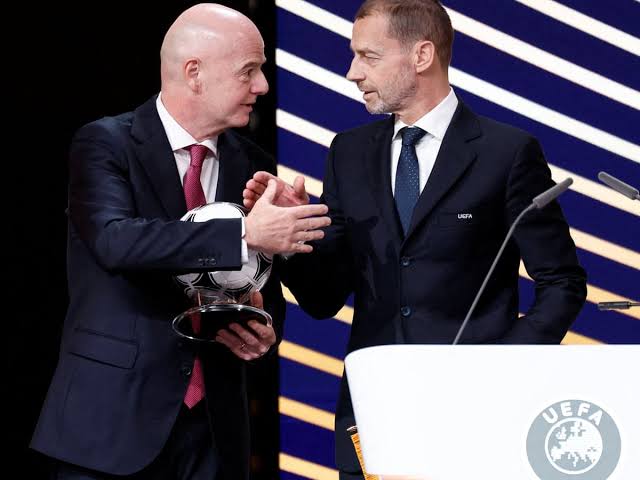
A major power struggle is brewing in world football after UEFA publicly declared it had lost confidence in FIFA President Gianni Infantino over his failed attempt to sell a stake in the FIFA World Cup, setting the stage for a possible leadership battle ahead of next year’s FIFA elections.

The controversy centres on Infantino’s reported plan to sell a £3.1 billion stake in the World Cup’s commercial rights to a consortium of private investors led by Josh Kushner, a relative of US President Donald Trump. The proposal reportedly collapsed on Friday following widespread opposition from football stakeholders, forcing the FIFA chief to abandon the initiative.

In a strongly worded statement issued on Saturday, UEFA accused the FIFA leadership of pursuing what it described as a “shabby, back-room deal” without adequate consultation.

“We cannot keep going on like this with secret schemes on fast-track timescales, cooked up by faceless individuals and of dubious benefit to the game. We must identify those responsible and hold them to account,” UEFA said.

The European governing body added that it would consult its member associations and other continental confederations to ensure similar proposals could not be pursued without proper oversight.
“The current FIFA leadership has not only lost UEFA’s confidence but also that of many other members of the football family,” the statement added.

The unprecedented rebuke has fuelled speculation over whether Infantino could be removed from office before the next FIFA presidential election, where he is expected to seek a fourth term.

However, despite UEFA’s strong position, translating political outrage into Infantino’s removal may prove considerably more difficult.

Under FIFA statutes, a vote of no confidence or an extraordinary process to remove a sitting president would require broad backing from FIFA’s global membership. UEFA controls 55 of FIFA’s 211 member associations, more than enough to surpass the reported threshold of 46 associations required to initiate proceedings.
Yet initiating the process is only the first hurdle.

Any attempt to unseat Infantino would ultimately depend on securing support from other continental confederations, particularly the Confederation of African Football, Asian Football Confederation and Confederation of North, Central America and Caribbean Association Football, where Infantino has traditionally enjoyed significant backing.

Without a broad coalition extending beyond Europe, UEFA’s declaration may amount to a powerful political statement rather than a decisive challenge to the FIFA president’s leadership.

Even so, the episode represents one of the most serious confrontations between UEFA and FIFA in recent years, exposing deep divisions over football’s governance, commercial direction and transparency.

Whether UEFA can rally enough global support to force a leadership change remains uncertain. But its public withdrawal of confidence has undoubtedly intensified pressure on Infantino and ensured that FIFA’s governance will dominate discussions in the build-up to next year’s presidential election.

Iran, Israel Trade Fresh Nuclear Threats As Tensions Escalate Over Enrichment Programme

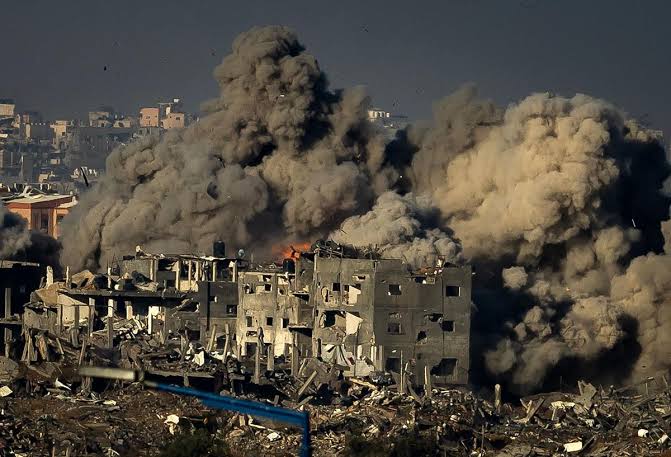
The war of words between Iran and Israel has intensified, with both countries exchanging fresh threats over Tehran’s nuclear programme, raising fears of a dangerous escalation in an already volatile Middle East.
Iran declared that its uranium enrichment facilities are deeply buried beneath layers of solid granite, insisting they are beyond the reach of Israeli airstrikes.

“Our centrifuges are buried beneath 300 feet of solid granite. Your air force is completely useless against our mountains,” an Iranian official was quoted as saying, underscoring Tehran’s confidence in the security of its underground nuclear infrastructure.

Israel swiftly responded with an equally defiant warning, saying it does not need to destroy the mountain itself to neutralise the facilities.

“We don’t need to destroy the mountain. We’ll simply seal the tunnels and turn your underground bunker into the world’s most expensive tomb,” an Israeli official reportedly said.

The exchange marks the latest chapter in the long-running confrontation between the two regional rivals, whose bitter dispute over Iran’s uranium enrichment programme has repeatedly pushed the Middle East to the brink of a wider conflict.
Israel maintains that Iran’s nuclear activities are aimed at developing atomic weapons, a development it considers an existential threat.

Tehran, however, insists its nuclear programme is solely for peaceful civilian purposes, including electricity generation and medical research.

Recent months have witnessed an escalation in military and diplomatic tensions, with both countries engaging in direct and proxy confrontations while the international community struggles to revive efforts aimed at curbing Iran’s nuclear ambitions.

Security analysts warn that the latest rhetoric reflects growing frustration on both sides and could further heighten regional instability if not accompanied by renewed diplomatic engagement.

The comments also underscore the strategic importance of Iran’s fortified underground nuclear facilities, which have long complicated military options for Israel and its allies.

With negotiations over Iran’s nuclear programme remaining stalled and both nations adopting increasingly hardline positions, observers fear that inflammatory statements such as these could further inflame tensions in a region already grappling with multiple security crises.

While neither side has announced any immediate military action, the exchange serves as another reminder that the dispute over Iran’s nuclear ambitions remains one of the world’s most dangerous geopolitical flashpoints.

Solewant’s World-Class Coatings Confirm Nigerian Firms Can Compete Globally, Says Fubara

0

Nigeria’s growing manufacturing capacity received a major boost on Friday as Rivers State Governor, Sir Siminalayi Fubara, reaffirmed his administration’s commitment to fostering a business-friendly environment while commissioning Solewant Specialty Protective Coatings and Paints (SSPC) manufacturing plant in Alode, Eleme Local Government Area.

The commissioning of the state-of-the-art facility, which also witnessed the unveiling of 11 advanced coating products under the Solguard and Novaguard brands, was celebrated by government officials and industry stakeholders as compelling evidence that Nigerian companies possess the capacity to compete with the world’s best in manufacturing and industrial technology.

Represented by his Chief of Staff, Barr. Sonny Ewule, Governor Fubara said the investment by Solewant Group was a testament to the prevailing peace and investment-friendly atmosphere in Rivers State, assuring investors that his administration would continue to provide the enabling environment required for businesses to thrive.

He noted that the state’s aggressive investment in infrastructure was deliberately designed to attract industries, stimulate economic growth, create employment opportunities and accelerate sustainable development.

Describing the facility as a landmark investment, the governor urged both local and foreign investors to emulate Solewant by taking advantage of the peaceful environment in Rivers State to establish industries capable of transforming the state’s economy.

He also pledged the government’s readiness to partner with the company in advancing manufacturing, local content development and industrial expansion.
According to him, such collaboration would deepen business activities, create jobs for young people and broaden the state’s revenue base.

Fubara further disclosed that his administration was working with relevant agencies to improve electricity supply in the state in order to reduce energy costs for industries and enhance productivity.

Minister of State for Petroleum Resources (Oil), Senator Heineken Lokpobiri, described the commissioning as a milestone in Nigeria’s industrialisation drive and a practical demonstration of the remarkable progress indigenous companies have made in the oil and gas sector over the past decade.

He said the facility was not only positioned to meet Nigeria’s industrial needs but also to serve markets across Africa, stressing that it confirmed the emergence of Nigerian firms as globally competitive manufacturers.

“This is clear evidence of the growth that local service providers in Nigeria have developed over the past 15 years,” the minister said.

“I am very happy today that I have the privilege to witness this plant that will not just serve Nigeria but the entire African continent.”

Lokpobiri reaffirmed the Federal Government’s commitment to supporting indigenous companies, noting that policies were already in place to ensure that critical oil and gas services such as pipe coating are executed within Nigeria.

He maintained that the country’s energy challenges would be solved through local expertise and innovation rather than dependence on foreign solutions.

“Our pipes are completely corroded, and we need solutions like Solewant is providing to address that problem. What you have done here is a Nigerian solution to the Nigerian problem,” he added.

Group Managing Director and Chief Executive Officer of Solewant Group, Engr. Solomon Ewanehi, said the project represented the fulfilment of a vision conceived 16 years ago to eliminate Nigeria’s dependence on imported industrial coatings while building a globally competitive manufacturing enterprise.

According to him, the commissioning of the plant was more than the opening of a factory.

“We are launching confidence; confidence that Nigeria has the competence, the capacity and the courage to manufacture not just what we consume but also what we can export to compete with international standards,” he said.

Ewanehi explained that the company unveiled 11 enhanced products developed and manufactured in Nigeria for the oil and gas, marine, infrastructure and industrial sectors.

He noted that the products, marketed under the Solguard and Novaguard brands, were designed to meet global standards while providing durable protection for critical national infrastructure.

Namibia’s High Commissioner to Nigeria, H.E. Walde Natangwe Ndavishiya, described Solewant’s investment as timely, particularly with the company’s expansion into Namibia, saying it positioned the firm to support the country’s emerging oil and gas industry.

Former Chairman of the Petroleum Technology Association of Nigeria (PETAN), Mr. Emeka Ene, said the project had once again demonstrated that Nigerian entrepreneurs, engineers and technicians possess the expertise to compete favourably on the global stage.

Also speaking, Professor Olugbenga Falode of the Centre for Petroleum Energy Economics and Law, University of Ibadan, unveiled the Solguard and Novaguard product portfolio, describing the innovations as evidence that world-class coating technologies could be researched, developed and manufactured in Nigeria.

The products include architectural paints, industrial protective coatings, heavy-duty protective systems and premium specialty coatings designed for homes, factories, pipelines, bridges, offshore platforms and other critical infrastructure.

Falode said the products were developed through extensive research and collaboration, proving that Nigeria has the technological capability to produce advanced industrial solutions for both domestic consumption and international export.

For industry stakeholders, the commissioning of the Solewant plant is more than another factory opening. It is a bold statement that Nigerian companies are increasingly shifting from import dependence to innovation-driven manufacturing, reinforcing confidence that indigenous enterprises can compete successfully in global industrial markets while driving Africa’s industrial transformation.


Brace For Tougher Times, Nigerians Told As FG Moves To End Electricity Subsidy from 2027

Nigerians may have to prepare for fresh economic pressures as the Federal Government has unveiled plans to phase out electricity subsidies from 2027, a move expected to reshape the country’s power sector and potentially increase the cost of electricity in the years ahead.

The Minister of Power, Joseph Tegbe, announced the policy on Friday during a media interactive session, describing it as part of sweeping reforms aimed at addressing mounting financial liabilities and placing the electricity industry on a sustainable commercial footing.

Although the minister ruled out any immediate increase in electricity tariffs, the planned withdrawal of subsidies has raised concerns that consumers could eventually bear a greater share of electricity costs once the transition begins.

Tegbe assured Nigerians that the reform would be implemented gradually and would not deprive vulnerable consumers of existing support.
“The phase-out of electricity subsidies will begin from 2027.

However, there are no
immediate plans to increase electricity tariffs. Our goal is to build a commercially viable power sector while protecting vulnerable consumers,” he said.

He explained that the subsidy removal is part of broader efforts to eliminate the huge fiscal burden created by government intervention in the electricity sector, which has strained public finances for years.

To cushion the impact of the policy, the minister said the Power Consumer Assistance Fund would be deployed to provide targeted support for low-income and vulnerable electricity users.

“The Power Consumer Assistance Fund will play a critical role in cushioning the impact on vulnerable consumers as we implement these reforms,” he added.

According to Tegbe, details of the implementation timetable and additional consumer protection measures will be unveiled as the reform process progresses.

The planned subsidy withdrawal comes amid widespread concerns over the rising cost of living, with many Nigerians already grappling with inflation, high transport fares and escalating food prices.

While the government insists there will be no immediate tariff increase, the decision signals further reforms that could translate into higher electricity costs over time as the sector moves towards full cost recovery.

For many households and businesses already struggling with economic hardship, the announcement suggests that more difficult adjustments may lie ahead, even as the government argues that the reforms are necessary to build a financially viable and reliable electricity industry.

Chelsea Hit with £10m FA Fine, Suspended Transfer Ban Over Secret Abramovich-Era Payments

0

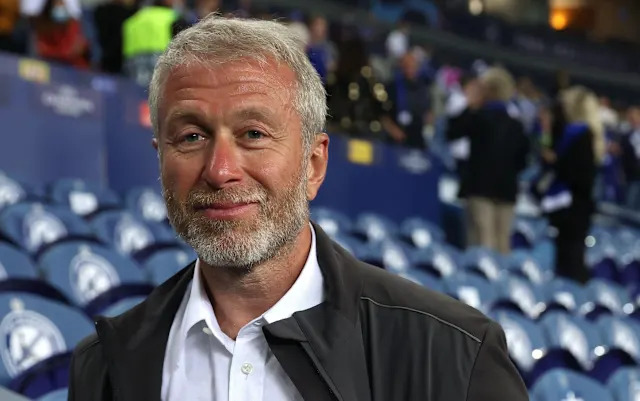
Chelsea have been fined £10 million and handed a suspended two-window transfer ban after admitting to 74 breaches of Football Association (FA) regulations involving undisclosed payments to agents and third parties during the ownership of former club owner, Roman Abramovich.

The sanctions, announced by the FA on Friday, bring to a close a lengthy investigation into historical financial irregularities uncovered after the club’s current owners, led by Todd Boehly and Clearlake Capital, voluntarily disclosed the breaches following their takeover in May 2022.

According to the FA, Chelsea admitted making £47 million in secret payments to unregistered agents and third parties in connection with player transfers completed between 2011 and 2018.

An Independent Regulatory Commission had initially imposed a suspended six-point deduction, alongside the £10 million fine. The points deduction, which was to remain suspended until June 30, 2027, was later overturned on appeal and replaced with a suspended two-window registration ban, also effective until June 30, 2027.

The £10 million fine remains in force, with the FA saying the money will be channelled into grassroots football projects across England.

The investigation is understood to have examined transfers involving former Chelsea players, including Eden Hazard, Samuel Eto’o and Willian, all signed during Abramovich’s tenure at Stamford Bridge.

While concluding the disciplinary process against the club, the FA said investigations into possible individual misconduct connected with the case are continuing.

Chelsea welcomed the decision, saying it marks the conclusion of all outstanding regulatory matters arising from the historical breaches voluntarily reported by the club.

In a statement, the club said: “Chelsea Football Club is pleased to confirm that a final decision has been reached by The FA’s judicial bodies in relation to historical regulatory matters that were self-reported by the club.”

The Premier League side added that it had cooperated fully with investigators, providing thousands of documents and engaging openly with the relevant authorities throughout the process.

The latest sanctions add to a series of regulatory penalties imposed on Chelsea since the change in ownership. In March, the club received a nine-month academy transfer ban and a £750,000 fine for breaches relating to academy player registrations between 2019 and 2022.

Chelsea had also agreed a €10 million settlement with UEFA in 2023 over incomplete financial reporting linked to the Abramovich era.

With the FA proceedings now concluded, Chelsea said it considers all regulatory investigations arising from the self-reported historical issues officially resolved.