

Home Blog Page 145

Electoral Reform: NASS Seeks Conclusion Of Election Litigations Before Swearing-in

0

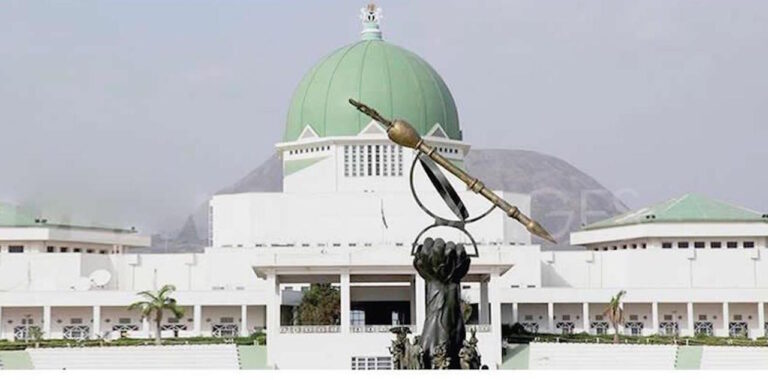
The National Assembly is proposing the conclusion of all election litigation matters before the swearing-in of winners in every election contest organised by the Independent National Electoral Commission (INEC).

The proposed amendment also sought to conduct elections six months before the expiration of tenure of an elected incumbent.

Chairman, House of Representatives Committee on Electoral Matters, Rep. Adebayo Balogun gave the highlights of some of the proposed amendments at end of one-day public hearing on the repeal of 2022 Electoral Act and enact of the 2025 Electoral Act.

Balogun said that the aim was to give enough time for disposal of election litigations before swearing-in of declared winners.

He said that Section 285 of the 1999 Constitution as amended would be further amended just as Section 139 would also be amended.

“To ensure that all manner of election litigations are dispensed with, before the swearing-in of winners, we are proposing amendment that will reduce 180 days of tribunal judgement to 90 days.

“The 90 days expected of judgement by Appellate Court to 60 days up to the Supreme Court, which will all not exceed 185 days.”

The News Agency of Nigeria (NAN), reports that highlights of the proposal for the amendments sought in the 2022 Electoral Act indicates that election into offices should be conducted not later than 185 days before expiration of tenure of the incumbent.

According to the proposal document, Section 4 (7) states that elections into the office of the President and Governor of a State shall be held not later than 185 days before the expiration of the term of office of the last holder of the office.

“For the Federal and State legislators, Section 4(5) of the proposed amendment states that election into the State Houses of Assembly and the National Assembly shall be held not later than 185 days before the date on which each of the Houses stands dissolved.”

On resolving the constitutional impasse against the amendment, the draft proposal showed that section 28 now section 27 (5 – 7) was introduced due to amendments to Sections 76, 116, 132 and 178 of the Constitution.

The amendments sought to remove the determination of election timeline from the constitution to the electoral Act.

Under continuous registration, Section 10 was proposed for amended to include the use of the National Identification Number (NIN) in the voters’ registration requirements.

According to the proposal document, INEC is expected to develop software to enable anybody with NIN to be able to upload it personally use for election purposes.

For inclusivity and voting by inmates, it proposed that provision be made for registration and voting by inmates under section 12 (2).

It said that the proposal was in compliance with the existing court judgement that mandated INEC to make provision for inmate voting.

On early voting, the bill also proposed early voting for Nigerians whose official duties prevent them from voting on the main election days.

This, it said guaranteed their constitutional rights to vote without compromising national security or electoral logistics.

The proposal for compulsory use of permanent voter’s card reflected in Section 18 and 47, deleting section 22.

The proposal on notice and time line of elections in Section 28, now section 27, was introduced due to sections 76, 116, 132, and 178 of the constitution.

The proposal also listed categories of Nigerians listed for the pre-poll to include security personnel, officials of the commission, accredited domestic observers, accredited journalists, and ad hoc staff of the commission.

Other proposed amendments are mandatory electronic transmission of election results and non – compulsory use of permanent voters’ cards, among others.

“The Presiding Officer shall transmit the results including total number of accredited voters to the next level of excuses both electronically and manually.

“It criminalises failure of Presiding Officer or Collation Officer who distribute unstamped ballot papers and results sheets, such erring officers will be jailed for one year or pay a fine of N1 million.”

Stakeholders who made presentations at the public hearing, including the representative of the Independent National Electoral Commission (INEC), Prof. Abdullahi Zuru aligned with the joint committee’s proposals.

Shell Approves $2bn Offshore Gas Project In Nigeria

0

Nigeria has secured its third major gas investment in 18 months, with Shell approving a $2 billion Final Investment Decision (FID) for a new offshore gas development in the HI Field, located in Oil Mining Lease (OML) 144.

The project, is expected to deliver about 350 million standard cubic feet of gas per day (mmscf/d) from 2028 — roughly one-third of the gas requirements of the Nigeria LNG Limited’s Train 7 project.

The Shell Nigeria Exploration and Production Company Limited (SNEPCo), on Tuesday announced the additional investment to grow Nigeria’s offshore gas output.

SNEPCo, a subsidiary of Shell UK PLC, announced the Final Investment Decision in a statement by its Communications Manager, Mrs Gladys Afam-Anadu,

Afam-Anadu said that when completed, the project would supply 350 million standard cubic feet of gas daily.

According to her, the gas production which targets to commence before 2030 will be fed to Nigeria Liquified Natural Gas (NLNG) Train 7.

Shell holds 25.6 per cent interest in NLNG, which produces and exports liquified natural gas to global markets.

“Today’s announcement demonstrates our continued commitment to Nigeria’s energy sector, with a focus on deep-water and integrated gas.

“This upstream project will help Shell to grow its leading integrated gas portfolio, while supporting Nigeria’s plans to become a more significant player in the global market.

“The project will also bolster NLNG’s contribution to Nigeria’s economic development goals, including jobs in construction and operations,” she said.

Meanwhile, President Bola Ahmed Tinubu, in a statement by his Special Adviser on Information and Strategy, Bayo Onanuga, welcomed the investment, describing it as another clear vote of confidence in Nigeria’s economic reforms and energy policies.

“This major FID announcement by Shell, their second in one year, is a clear validation of our wide-ranging reform efforts and a signal to the world that Nigeria is fully open for business and investment,” the President said.

The new decision brings total upstream investment commitments in Nigeria’s oil and gas sector to over $8 billion since Tinubu assumed office in 2023.

The announcement follows earlier approvals of the Ubeta Non-Associated Gas project and the Bonga North deepwater development, both seen as cornerstones of the administration’s energy revitalisation drive.

Together, the Ubeta and HI gas projects will supply up to 15 percent of the total feedgas requirements of the NLNG’s Trains 1 to 7, underpinning energy security and export reliability.

These investment inflows, it was gathered, are the result of targeted reforms introduced by the Tinubu administration, coordinated through the Office of the Special Adviser to the President on Energy.

The reforms include fiscal incentives, streamlined regulatory processes, reduced contracting costs, and faster approval timelines — measures now enshrined in law.

The HI gas field, discovered in 1985, is being developed under Presidential Directive 40, which introduced a new fiscal framework to attract Non-Associated Gas investment in onshore and shallow offshore zones.

Special Adviser to the President on Energy, Olu Arowolo Verheijen, said the HI and Ubeta projects will solidify the foundation for NLNG’s Train 7 and enhance domestic energy access.

“With the Ubeta FID and now the HI FID, we have secured the gas supply needed to make NLNG Train 7 not just possible, but transformative. These projects will strengthen Nigeria’s LNG exports, expand LPG availability for households, reduce imports, and boost foreign exchange earnings. And this is only the beginning — more FIDs are on the horizon”, Verheijen stated.

Shell’s Upstream President, Peter Costello, affirmed the company’s long-term commitment to Nigeria’s energy sector.

“Following recent investment decisions related to the Bonga deep-water development, today’s announcement demonstrates our continued commitment to Nigeria’s energy sector, with a focus on Deepwater and Integrated Gas.
“This project will grow Shell’s leading gas portfolio while supporting Nigeria’s ambition to become a more significant player in the global LNG market”, Costello said.

The NLNG Train 7 expansion, to which the new projects will contribute, is expected to increase Nigeria’s LNG capacity by 8 million metric tonnes annually, a 35 percent boost over current production.

The expansion will also stimulate thousands of direct and indirect jobs, strengthen SME participation in host communities, and expand the country’s clean energy footprint.

President Tinubu reaffirmed his administration’s commitment to sustaining a stable investment climate.

Climate Change, Not Only Environmental Challenge, But Financial Imperative -Minister

0

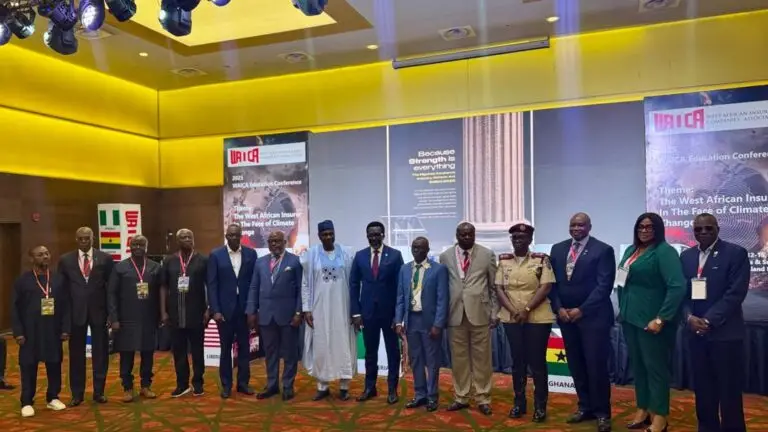
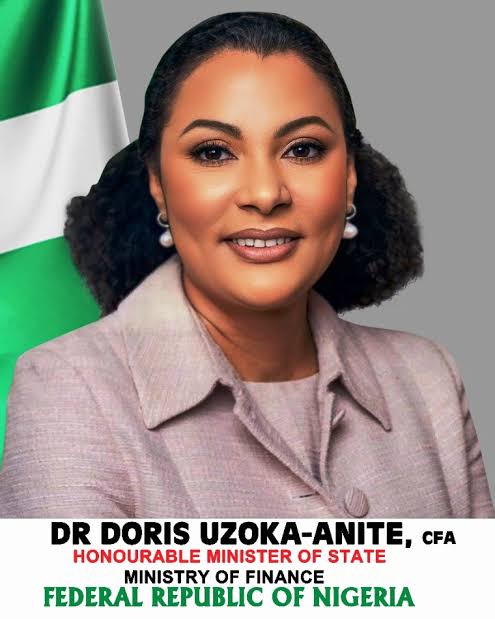
Nigeria’s Minister of State for Finance, Dr Doris Uzoka-Anite, has called for improved regional collaboration among West African insurers to strengthen resilience against the growing economic risks posed by climate change.

Uzoka-Anite, speaking at the opening of the 2025 West African Insurance Companies Association (WAICA) Education Conference in Lagos on Monday, urged insurers across the region to take the challenge seriously.

The minister represented by Dr Ali Mohammed, Director, Home Finance Department of the Ministry, said that the event’s theme, “The West African Insurer in the Face of Climate Change,” reflected the urgent need for regional action on climate-related financial risks.

She said the theme underscored the urgent reality that climate change had become not only an environmental issue but also a financial and developmental challenge for the sub-region.

“Climate risk is now a financial risk. It influences fiscal policy, national budgets, and the overall stability of our financial systems.

“No nation can confront this threat alone. The same storms that affect Nigeria affect Ghana, Sierra Leone, Liberia, and The Gambia. Our solutions, too, must be collective.

“We must treat climate change not only as an environmental challenge but also as a financial imperative. Africa loses billions annually to climate-related disasters. Traditional budgets can no longer cope.

“Through WAICA, we can develop regional risk-pooling and reinsurance platforms; exchange data and expertise on climate modelling and disaster forecasting; and build professional capacity for innovative, sustainable insurance products.

“Such cooperation will transform insurance from a business venture into a development enabler for agriculture, trade, and small enterprises,” she said.

She noted that floods, droughts, and coastal erosion across West Africa were destroying livelihoods and straining public finances, with each disaster imposing heavy fiscal burdens on governments.

Uzoka-Anite emphasised that insurance must be treated as a core component of economic planning, serving as a mechanism to share and absorb shocks that governments alone could not bear.

Speaking on Nigeria’s domestic reforms, she highlighted the Nigerian Insurance Industry Reform Act (NIIRA 2025) as a bold step toward modernisation and resilience building.

On climate finance, Uzoka-Anite disclosed that the Federal Government was advancing frameworks that combine sovereign risk insurance, regional disaster-risk pools, and public–private climate finance mechanisms.

She explained that such measures were designed to ensure rapid response to disasters and maintain fiscal stability amid climate disruptions.

The minister reaffirmed the Federal Government’s commitment to strengthening the insurance industry through policy coordination, fiscal alignment, and international partnerships.

IMF Warns African Leaders Against Overreliance On Domestic Banks To Service Government Debts

0

Two economist with the International Monetary Fund (IMF), Jean Serra and Thibaut Lemaire have advised African countries to handle local markets with care as overreliance on domestic banks to finance government debt could expose financial systems to instability.

The two IMF economists agreed that deep reforms were needed to strengthen institutions and improve governance.

They said that such a step would help African countries diversify their financing mix, reduce borrowing costs, and create fiscal space for critical social and infrastructure investments.

The economists, Jean Serra and Thibaut Lemaire, made the call in Washington on Monday at the Annual Meetings of the IMF/World Bank Group.

They analysed how African countries could effectively mobilise funds to build schools, hospitals, and other infrastructure while managing rising debt.

They called on governments in Sub-Saharan Africa to strengthen governance and maintain macroeconomic stability to secure sustainable financing.

According to Serra, public debt vulnerabilities remain high across the region, with interest payments consuming a significant portion of revenue.

“Since the COVID-19 pandemic, Sub-Saharan African nations have faced tighter global financial conditions, making it more difficult to access affordable external financing.

“A study examined three key financing sources, Eurobonds, cross-border syndicated loans and bond markets, highlighting both the opportunities and challenges they present.

“Between 2020 and 2024, African governments raised about 40 billion dollars through Eurobonds, while syndicated loans accounted for 170 billion, however, borrowing costs have surged in recent years.”

He said that the average yield on Eurobonds rose from 6.5 per cent to 9.5 per cent, reflecting both global market tightening and country-specific risks

Lemaire said that there was no inherent bias or “African premium” in the markets once factors like governance quality and economic fundamentals were taken into account.

According to him, countries with stronger institutions and better governance not only enjoy lower borrowing costs, but also attract more investment.

He said that while syndicated loans had become easier to access, they often lacked transparency compared to Eurobonds, posing accountability challenges for citizens and parliaments.

“Meanwhile, domestic bond markets have emerged as a growing source of funding, with local debt issuance doubling since 2019,” he said.

Discharge Your Duties With Respect, Protect Rivers Interest, Fubara Tells New SSG

0

Governor Siminalayi Fubara of Rivers State has appointed Hon. Benibo Anabraba as Secretary to the Rivers State Government (SSG) and charged him to guard the office with honour and protect interest of the State.

The appointment marks the first key political appointment by the governor upon return to office after the lifting of the state of emergency in Rivers State.

Gov.Fubara in his charge to Hon. Anabraba on Monday, October 13, 2025 in Government House, Port Harcourt, said, “God has brought you in at this particular time to be the Secretary to the Government of Rivers State.

“It is a position of honour, so guard that office with honour. Discharge your duties with respect, and protect interest of Rivers State, so that when you leave office, it will be with honour. You can only leave with honour when you discharge your duties responsibly.”

The governor told Anabraba, his former cabinet member and one time Minority Leader, Rivers State House of Assembly, “Within the period we worked together, you did well as a very dedicated person.

He urged the newly sworn-in SSG not to use the opportunity to display power or show of force of office, but see it as a call to duty, adding, “We are just coming out from a very bad situation, so we need to reassure the people of Rivers State that we mean well for them especially now that peace has returned to the State

“Please, by the grace of God, do your work very well to help us to succeed in this assignment that God Almighty has given to us.”

Nigeria’s First Lady Flags Off Renewed Hope Health Initiative In Rivers … Targets Measles, Rubella, HPV Vaccination For Children, Women

0

The First Lady of the Federal Republic of Nigeria, Senator Oluremi Tinubu, has reiterated her commitment to expanding vaccine coverage nationwide, declaring that the ongoing Measles and Rubella vaccination campaign in Rivers State will surpass all previous records in scope and success.

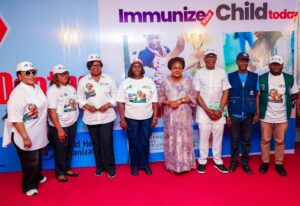
Speaking through the wife of the Rivers State Governor, Lady Valerie Siminalayi Fubara, Senator Tinubu made this statement during the flag-off ceremony of the Measles, Rubella, and HPV Vaccine Sensitisation Campaign, organised under the Renewed Hope Initiative (RHI) at the Banquet Hall, Government House, Port Harcourt on Monday.

The campaign, implemented by the RHI in collaboration with the Rivers State Primary Healthcare Management Board, C-WINS, and international partners including WHO, UNICEF, Gavi, and Vaccine Alliance, aims to protect millions of children and women from preventable diseases.

Wife of Rivers State Governor, Lady Valerie Fubara (right) exchanging pleasantries with Rivers State Deputy Governor, Prof Ngozi Nma Odu at the event.

“We will leave no stone unturned to ensure that the measles vaccine coverage achieved through this campaign exceeds that of the past,” Senator Tinubu affirmed. “Through technical and financial support, this partnership will ensure that by February, 2026, well-trained staff are deployed across communities to vaccinate all eligible children.”

Rivers State is among the Fourth Stream of Phase One states participating in Africa’s largest-ever health initiative, targeting over 106 million Nigerian children for vaccination against Measles, Rubella, Polio, and HPV. The local rollout is expected to commence in February, 2026, reaching children aged 9 months to 14 years across all 23 local government areas.

Senator Tinubu highlighted the risks of the targeted diseases, describing Measles and Rubella as “highly contagious and potentially deadly,” noting that Rubella can cause severe complications for unborn babies, if contracted by pregnant women.

“The best way to prevent both diseases remains vaccination,” she emphasised.

Narrowing down to efforts by the Rivers State Ministry of Health, the State Primary Healthcare Development Agency, and the State Task Force on Primary Healthcare, led by Deputy Governor, Prof. Ngozi Nma Odu, she noted how instrumental it has been in ensuring comprehensive outreach through an inter-sectoral approach involving education, women affairs, information ministries, traditional and religious leaders, and the security sector.

Senator Tinubu urged parents and caregivers to cooperate fully with health workers.

“The Measles-Rubella vaccine is safe, effective, and free in all our health centres. Please, ensure your children are vaccinated at the right time to protect them from these deadly infections.

“Let us all play our part in spreading awareness. Together, we can safeguard the health and future of our children,” she said, before formally declaring the sensitisation programme open.

In her goodwill message, Deputy Governor, Prof. Ngozi Nma Odu, commended the Renewed Hope Initiative for its sustained impact in Rivers State, noting that the Measles, Rubella, and HPV Sensitisation Programme marks “a significant step in promoting public health awareness, particularly among women and children.”

She highlighted the particular benefit to the girl-child through HPV vaccination, calling it “an investment in their future health and empowerment.”

The Rivers State Coordinator of WHO, Prof. Giwa Abdulganiyu, praised the collaboration between RHI and the State Government, describing the campaign as “a worthy step in the right direction,” and reaffirmed WHO’s continued partnership in achieving health for all.

Earlier, the RHI Rivers State Coordinator, Mrs. Tonye Briggs-Oniyide, welcomed guests, and reaffirmed the initiative’s goal of reducing the incidence of Measles and Rubella in the state.

“These diseases have the potential to cause emergencies and great distress in families. Today’s flag-off represents our collective determination to raise awareness and prevent such tragedies,” she added.

Fubara Reassures On Completion Of Port Harcourt Ring Road Project

0

Rivers State Governor, Sir Siminalayi Fubara, has reaffirmed his administration’s commitment to the completion of the 62.650km Port Harcourt Ring Road project, despite the setbacks that have slowed its progress.

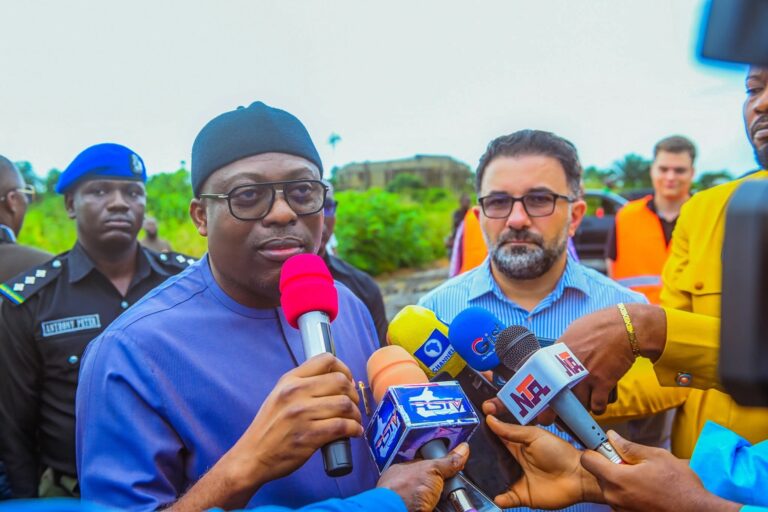
The governor gave the assurance during an on-site inspection tour of the project on Monday, where he emphasised that the state government remains resolute in its determination to deliver the massive infrastructure for public use.

Addressing journalists at the Eneka Flyover axis of the project, Governor Fubara stated that his visit was to verify the level of compliance and commitment shown by the construction firm, Julius Berger Nigeria Plc.

Governor Fubara noted that discussions with the contractor had been ongoing to ensure that work resumes at full capacity after a period of financial challenges that affected the project’s continuity.

“You are aware that this project was, I won’t say abandoned, but somehow, for lack of funds, the contractor withdrew from the site. We have been discussing with them, and they gave me their word that although we have not finished all the discussions, they have already moved back to the site, and I’m here to confirm that.”

The Governor described the Port Harcourt Ring Road project, which traverses six local government areas, as one of the most significant infrastructure undertakings in the state’s history, noting that its completion would not only ease traffic congestion in the capital city but also stimulate economic activities across multiple local government areas.

Governor Fubara reiterated his administration’s resolve to continue prioritising infrastructure development as a foundation for economic growth and social progress.

“I want to make this promise to our good people of Rivers State,” the governor declared. “This project that we started, by the special grace of God, we are going to complete it. We owe our people a responsibility to deliver on our commitments, and this project will not be an exception,” he added.

Uma Ukpai Is Dead, Family Confirms

0

Renowned Nigerian evangelist and spiritual leader of Uma Ukpai Evangelistic Association, Rev. Dr. Uma Ukpai, is dead.

While confirming the news in a statement on Monday, his family, who said he passed away on October 6 2025 at the age of 80, described his passing as a “glorious transition” from a life of devoted service to eternal rest.

Ukpai, dedicated over six decades of his life to evangelism, and ynamic teaching and was widely respected and recognised as a spiritual general and founding father of faith in Nigeria and beyond.

“He was a faithful soldier of the cross who devoted his life to spreading the gospel with passion and integrity.

“His teachings, prophetic insights, and mentorship have left a lasting legacy that will continue to inspire believers for years to come,” his family said.

His ministry impacted millions of lives in Nigeria and around the world, shaping destinies and nurturing spiritual growth across generations.

Over the course of his ministry, Ukpai became known for his fiery evangelistic campaigns, transformative teachings, and commitment to empowering both clergy and lay leaders.

Beyond his spiritual work, he was also celebrated as a loving husband, devoted father, and mentor to countless individuals who regarded him as a guide in faith and life.

The family expressed gratitude for the life and work of Ukpai, highlighting that while they mourn his physical absence, they rejoice that he has “finished his race and is now resting in eternal praise.”

The family expressed gratitude for the life and work of Ukpai, highlighting that while they mourn his physical absence, they rejoice that he has “finished his race and is now resting in eternal praise.”

Ukpai’s ministry, spanning over sixty years, leaves behind a profound spiritual and social legacy, with churches, educational initiatives, and humanitarian efforts that continue to influence communities globally.

Access To Clean Water: Households, Small Businesses To Get Microfinance Funding

0

FAST Microfinance Bank and the National Association of Microfinance Banks (NAMB) have unveiled FastWash, a financial product aimed at expanding access to clean water, sanitation, and hygiene across Nigeria.

Mrs Juliet Odigie, Acting Managing Director of FAST MFB, announced this in a statement in Abuja on Monday that the new product was developed in collaboration with global water access nonprofit, Water.org.

Odigie explained that FastWash would provide affordable financing for households, small and medium-sized enterprises (SMEs), and communities interested in water supply and sanitation infrastructure projects.

She said the goal of the initiative was to improve people’s lives by enabling access to vital water and hygiene services, helping communities live healthier and more productive lives.

According to Odigie, the launch reflects FAST MFB’s belief that financial empowerment should align with social impact to foster real, measurable change in people’s daily lives.

Odigie emphasised that access to clean water, sanitation, and hygiene was not only a basic human need, but also a right, and essential to sustainable development in any society.

She added that the new financial product aimed to eliminate financial barriers preventing many Nigerians from accessing clean water, safe toilets, and essential hygiene solutions in their homes and businesses.

“With FastWash, citizens can obtain low-interest loans for water and sanitation facilities, improving health, productivity, and living conditions while supporting community development through better hygiene practices,” she stated.

Odigie described the product as “an investment in dignity, health, and hope,” noting that financial tools must serve real needs and promote human welfare beyond traditional banking goals.

She noted that the collaboration highlighted FAST MFB’s values and demonstrated the power of strategic partnerships in delivering meaningful social and economic change, especially in places like Benin City.

Odigie commended NAMB, FAST MFB’s internal team, and all stakeholders whose efforts and dedication made the launch and rollout of the FastWash financial product possible.

Mr Gilbert Okpono, Senior Partnership Account Manager at Water.org, said the product was a result of rigorous research, long-term planning, and a shared vision to solve pressing hygiene challenges.

He explained that the initiative provided innovative financing for the Water, Sanitation, and Hygiene (WASH) sector in Edo State, aiming to reduce disease and promote long-term community development.

Okpono added that FastWash was designed to meet essential needs while transforming lives, noting that access to clean water and sanitation remained out of reach for millions of Nigerians.

“Clean water and hygiene shouldn’t be a luxury. This product is more than finance, it’s a commitment to health, dignity, and progress for individuals and communities,” Okpono emphasised.

Mr Eddy Orok, Executive Secretary of NAMB, lauded FAST MFB for aligning the FastWash product with the United Nations Sustainable Development Goal (SDG) 6, clean water and sanitation for all.

He assured the public that similar products would soon be introduced by other microfinance institutions as part of efforts to broaden financial access and support national development objectives.

“We are proud of our collaboration with Water.org and FAST MFB,” Orok said, adding that the success of FastWash reflects what can be achieved through partnerships focused on public good.

Lessons From COVID-19: Global Health Leaders Seek Stronger Health Agencies To Prevent Future Pandemics

0

Global health leaders have called on countries to strengthen their national public health agencies to ensure better preparedness and resilience against future pandemics.

They made the call on Sunday, in Berlin at the 2025 World Summit during a high-level session titled “Strengthening National Health Agencies for Future Pandemics,”

The sideline event was organised by the Alliance for Health Policy and Systems Research in collaboration with the World Health Organisation (WHO) Health Emergencies Programme.

Helen Clark, Former New Zealand Prime Minister, called on countries to strengthen their national public health agencies to ensure better preparedness and resilience against future pandemics.

Clark, who is also the incoming Chairperson of Gavi, the Vaccine Alliance, said that inspite of the world’s painful experience with COVID-19, many nations were still not adequately prepared for future outbreaks, warning that lessons from the pandemic must not be forgotten.

“Most countries going into COVID-19 were not prepared for a pandemic. We must process those lessons and ensure they inform everything we do for better preparedness,” she said.

According to her, strong, capable, and trusted national public health agencies are the institutional backbone of pandemic preparedness, response, and long-term health system resilience.

She emphasised that effective national health agencies require clear legal mandates, stable financing, coordination mechanisms across government sectors, and autonomy to act based on data and evidence.

He cited examples of countries that have strengthened their public health institutions following the pandemic.

She highlighted the transformation of the Korea Disease Control and Prevention Agency from a bureau under the Ministry of Health and Welfare to an independent body reporting directly to the highest level of government.

The reform, she said, granted the agency autonomy over resources, staffing, and coordination, as well as authority to propose and revise laws, issue regulations, and represent the agency in high-level decision-making forums.

“Strong national institutions are the bedrock of national and global pandemic preparedness.

“Their effectiveness will determine the success of global reforms such as the newly adopted pandemic agreement and the amended International Health Regulations,” she added.

She stressed that pandemic preparedness should not be seen as a technical checklist but as a question of governance, how decisions are made, information flows, and accountability is maintained between crises.

She also called for equitable access to essential health countermeasures, noting that “preparedness begins at home” and that no country should depend solely on global markets to protect its citizens.

“Every region needs the capacity to detect, produce, and deploy countermeasures, from diagnostics and data systems to vaccines and protective equipment,” she said.

She reaffirmed the commitment of the WHO, the Alliance for Health Policy and Systems Research, and the International Association of National Public Health Institutes to work together in building evidence, supporting institutional reforms, and promoting sustainable financing for public health systems.

She urged political leaders to remain engaged and empower their national public health agencies to respond decisively to emerging threats.

“The success of the pandemic agreement depends on national leadership of presidents and prime ministers asking, ‘Is my country ready for the next threat?’ and empowering their public health agencies to answer, ‘Yes, we are,” she said.

Prof. Chikwe Ihekweazu, the Executive Director of the WHO Health Emergencies Programme and founding Director of the Nigeria Centre for Disease Control (NCDC), also addressed the summit.

He drew on his extensive experience in national public health agencies and emergency response.

Reflecting on the COVID-19 pandemic, Ihekweazu described the immense responsibility of public health leaders in advising ministers, presidents, and other high-level officials, coordinating across sectors, and communicating with the public.

“For the first time in our lifetimes, we saw how exposed we were to the challenges we faced. It was a traumatic experience for many, and the responsibilities we carried were immense,” he said.

He emphasised that while technical expertise in fields such as epidemiology and microbiology is essential, public health leaders must also navigate governance systems, balance technical advice with societal and economic considerations, and engage effectively with government decision-makers.

Ihekweazu highlighted recent efforts worldwide to establish or reform national public health agencies, citing Sierra Leone, Zimbabwe, Kenya, Singapore, and Japan as examples.

He stressed the importance of collective learning rather than relying solely on individual national experiences.

“We want to collect evidence of what works and what doesn’t. That is why collaboration with the Alliance for Health Policy and Systems Research is so important—for the agencies, for WHO, and for countries worldwide,” he said.

He further noted that governance systems vary across nations, influencing agency performance, and that flexible, evidence-informed strategies are critical to building resilient public health institutions.

“It’s about our collective wisdom and learning. We want national leaders to have the tools and courage to make the difficult decisions necessary for public health,” he added.

The summit session highlighted that national public health agencies must be empowered, well-resourced, and trusted to act swiftly and equitably, ensuring that countries can respond effectively to future health emergencies both in crisis and peacetime.