

Home Blog Page 144

Nigerian Organisations Recorded 4,388 Cyberattacks Weekly In First Quarter of 2025 –AGF

0

Nigerian organisations experienced 4,388 attacks per week in the first quarter of 2025, the Minister of Justice, Lateef Fagbemi, SAN, has said.

Fagbemi disclosed this at the Annual Cybercrimes Awareness Campaign and the second National Consultation on the Cybercrimes Legal Framework in Nigeria in Abuja.

The News Agency of Nigeria reports that the awareness campaign was titled `Towards a Coordinated and Informed National Response to Cybercrime.

He said the cyberattacks represents a 47 per cent increase, ranking Nigeria fifth globally in cybercrime and costing about 500 million dollars each year.

“The same networks that empower our lives now serve as battlefields, with criminals using artificial intelligence and sophisticated tactics to deceive and disrupt.

“It defines the new frontier of justice in our time and underscores why we gather today to strengthen our resolve, refine our strategies, and chart a united, informed national response.

“Our theme is not just a slogan; it is a national imperative as the digital domain has become the new battlefield of economic survival, public trust, and national security’’.

The minister reiterated that Nigeria must not stand as a passive observer in this war without borders.

“We must be strategic, coordinated, and relentless since the scale of cybercrime is now a trillion-dollar threat to the global economy.

“INTERPOL’s 2023 Africa Cybercrime Assessment ranked Nigeria among the top ten countries targeted by business email compromise, online fraud, and sextortion.

“These crimes erode public confidence, deter investment, and weaken the digital foundations upon which our future prosperity depends.

“For a nation positioning itself as Africa’s digital hub, this is not merely a criminal justice issue; it is an existential development challenge,’’ he added.

He noted that Nigeria has been deliberate and evolving in its response to the issues of cyberattacks and promised not to relent.

“Through national consultations, we are shaping twin bills: one focused on cybercrime as a criminal justice instrument, and another on cybersecurity governance and critical infrastructure protection.

“Together, they will establish a robust, modern legal architecture that reflects global best practices.

“These practices must align with the Budapest Convention and the United Nations Convention on Cybercrime (2024), and ensures that Nigeria’s digital sovereignty is protected under the rule of law’’.

He therefore called for institutional coordination and partnerships, adding that tackling cybercrime is not a challenge that can be outsourced or postponed.

He promised that the ministry will continue to drive reform, coordination, and accountability across the justice sector, ensuring that our legal tools match the complexity of the digital age.

“Let us move from awareness to action, from consultation to implementation, and from fragmented effort to national coherence,’’ he advised.

The Permanent Secretary of the ministry, Mrs Beatrice Jeddy-Agba during her welcome address admonished all stakeholders to build momentum in the fight against Cybercrime.

“This implies that all of us, across different institutions and sectors, must work hand in hand, our strategies guided by data, knowledge, and best practices.

“As Nigeria becomes more digitally connected, cybercriminals have unfortunately become more sophisticated.

“We have seen a surge in online fraud, identity theft, hacking incidents, and other cyber-enabled crimes that threaten individuals, businesses, and even national security.

“It is our shared duty as leaders and stakeholders to ensure that Nigeria’s cyberspace remains a space of opportunity, trust, and growth, not one of fear or exploitation’’.

Present at the event were representatives from the National Assembly, Law Enforcement Agencies, Regulators, the Judiciary and UNODC.

Others were the Private Tech Actors, the Academia, the EU, and Civil Society and the diplomatic corps.


Recruitment: Army Decries Low Number Of Applicants From South-West, South- East

The Nigerian Army has described as worrisome the low number of applicants from the South-West region applying to join the army, urging people of the region to change their mindsets and apply for the profession.

The Team Lead, Army Headquarters Recruitment team, Brig.-Gen. Adeleye Lawal, stated this on Tuesday in Ibadan during the Nigerian Army sensitisation on Army recruitment exercise.

Lawal said that about 2,070 applicants from South-West region had so far applied since the opening of the portal for army recruitment on Oct. 2 adding that Oyo State was having the highest number of 544 applicants.

He said the Nigerian Army had noticed a decline in the number of applicants into the Nigerian Army from South West region, which was too low when compared with the number from other regions of the country.

According to him, about 14,000 applicants had so far applied from the North-West from the commencement of the exercise, 13,000 from North-East, 10,000 from North-Central and South-East had 1,000 applicants.

He said that every state in Nigeria was allocated 180 slots each in the ongoing Army recruitment exercise, emphasising that any region that failed to fill its slot, the remaining would be allocated to other states.

Lawal said that joining the military didn’t amount to signing one’s death warrant, saying people die in their houses and on the road while travelling.

“Death is part of life and we are not saying come and join the military and die. Many people have joined the military and succeed far more than expectations.

“The Army make people the best they can be and increase their exposures. As a Soldier in the military you can be come a doctor, pharmacy and even driver, if that is your wish,” he said.

Lawal, while disabusing the mind of the people on suffering in the Nigerian Army, said nothing comes easy in life, adding that the system has a way of paying back those who work tirelessly for the profession.

He appealed to those who have what it takes to apply to join the Army profession, assuring that the standard in the Nigerian Army would not be lower for anyone and would be merit based.

Lawal urged those applying for the profession to ensure they are Nigerians, don’t have any criminal records, and were physically and medically fit among others.from

Also speaking, the Executive Assistant to Governor Seyi Makinde on Security Matters, retired Commissioner of Police, Sunday Odukoya, urged the people of Oyo State to apply to join the Nigerian Army in order not to waste the slot of the state.

Odukoya urged the people to change their orientation about the military and disseminate the message to the youths on the reason they should join the military.

Why Nigeria Should Integrate Digital Health, Telemedicine, AI Into Clinical Practice -Registrar

0

Dr Ndagi Alhassan, the Registrar, Nursing and Midwifery Council of Nigeria, has said that Nigeria must integrate digital health, telemedicine, and Artificial Intelligence (AI) into both classroom teaching and clinical practice for nurses.

Alhassan said that future nurses must be tech-savvy and proficient at leveraging data to achieve best patient outcomes.

“There is a need to invest more in postgraduate nursing education and research to produce local evidence for practice.

“This will help train more Clinical Nurse Specialists and Nurse Practitioners to address key gaps in our healthcare system,” the registrar said on Tuesday at the 60th anniversary of the Faculty of Nursing, University of Ibadan.

Alhassan challenged graduates and faculty to rise as bold advocates for health policy reform and to take up decisive leadership roles in hospitals, government, and academia.

“ Your degree is not merely a credential. It is a call to lead, to innovate, and to transform healthcare delivery,” he said.

Rep. Aderemi Oseni, representing Ido/Ibadan East Federal Constituency, said that 60 years of nursing education at the University of Ibadan was no mean feat.

Oseni said that the Faculty of Nursing, University of Ibadan, stood as a beacon of knowledge, compassion, and professionalism, not only in Nigeria but across West Africa.

“Since its inception, the faculty has produced generations of professional caregivers, educators, and health leaders whose works continue to save lives, promote wellness, and uplift communities.

“This school has carried sacred heritage with dignity and purpose. For six decades, it has stood as a beacon of knowledge and moral strength, nurturing men and women, whose hands heal, whose minds enlighten, and whose hearts serve humanity with uncommon devotion.

“ Truly, it is a legacy of skill and soul, of learning and love a light that continues to shine for generations to come,” he said.

Acknowledging the challenges before nursing, Oseni said that among them was the mass exodus of trained nurses to other countries in search of better working conditions, modern tools, and fair remuneration.

“This brain drain not only weakens our healthcare system but also threatens the wellbeing of millions of Nigerians who depend on our caregivers.

“It is a reality that demands urgent, innovative solution from improved welfare and professional recognition to the provision of modern facilities and continuous training.

“The health of our people is the wealth of our nation, and no country can prosper when its healers are weary and its caregivers are leaving in droves,” he said.

Oseni, however, reaffirmed that the health and wellness of Nigerians remain one of his top priorities.

Also, the Alaafin of Oyo , Oba Abimbola Owoade, said that 60 years of excellence in nursing education was truly a testament to the dedication and hard work of the faculty, staff, and alumni .

Owoade, who was represented by his wife, Olori Abiwumi Owoade, said that they all have contributed to the growth and development of this esteemed institution.

“Your commitment to providing quality healthcare and shaping the future of nursing is commendable.

“I am proud to note that Ibadan, the city of our beloved institution, has a rich history of academic excellence and cultural heritage.

“ Ibadan is in so many ways historically and culturally connected to Oyo, and that connection and bond will surely continue.

“ University of Ibadan, in particular, has been a beacon of knowledge and innovation, and I am honoured to be part of this celebration,” he said.

NARD Renews Call For Reinstatement Of Sacked Doctors … Tells FG, “Enough Is Enough” Over Other Demands

0

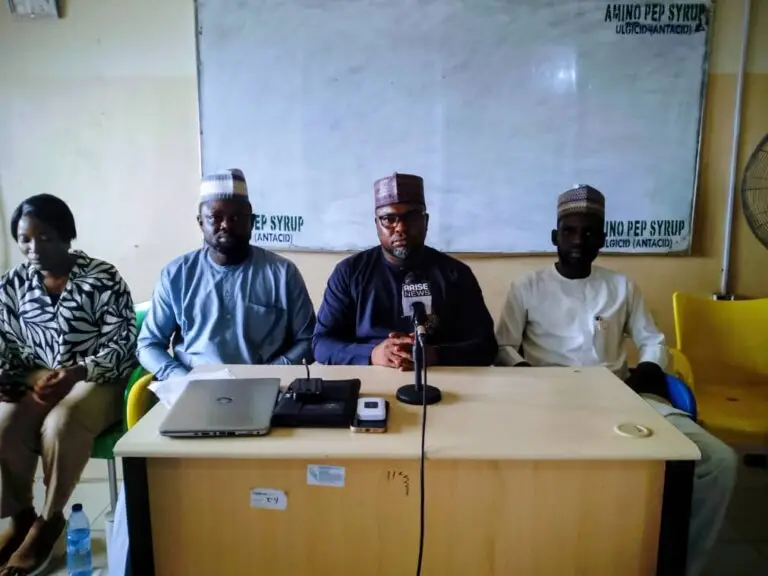
The Nigerian Association of Resident Doctors (NARD) has renewed its call to the Federal Government to reinstate five doctors sacked by the management of Federal Teaching Hospital Lokoja (FTHL).

Addressing newsmen, Lokoja, NARD President, Dr Muhammed Suleiman, said the association is saying “enough is enough” as the sacked doctors have been out of work for over a year.

The sacked doctors were allegedly dismissed in October 2024, May and August 2025 by FTHL management led by former Chief Medical Director, Dr Olatunde Alabi, for their involvement in unionism activities against the hospital management.

Suleiman recalled that NARD during its recent 45th Annual General Meeting (AGM), gave the Federal Government a 30-day deadline to meet a series of outstanding welfare and policy demands affecting its members.

“Today is the 18th day of the 30-day ultimatum that NARD gave to the Federal Government to implement our demands, among which is the reinstatement of five doctors sacked at FTH Lokoja.

“NARD’s demands include the reinstatement of the sacked doctors, payment of unpaid promotion and salary arrears dating back to five years, unpaid 25 per cent and 35 per cent increment and entitlements,” he said.

Nigeria, he said, is facing a crisis in the health sector, with a ratio of one doctor servicing over 9,000 Nigerians, compared to the standard ratio of one doctor to 600 people.

Suleiman stressed that the federal government must be holistic in its approach to addressing the issues in the health sector.

He urged President Bola Tinubu to take urgent action, warning that if the situation is not addressed, it might lead to a national disaster.

Suleiman expressed NARD’s readiness to engage in dialogue with the federal government to resolve the issue.

“We need those sacked doctors back to reduce workloads in hospital. We inform Nigerians about Doctors’ plight.

“NARD is ready to discuss with federal government to reinstate sacked doctors,” he said.

Suleiman stressed the need for the continuation of the current ongoing collective bargain between the federal government and Nigerian doctors as well as other health workers without further delay.

“This is the only way to curb brain drain. “NARD is saying enough is enough,” he emphasised.

Suleiman commended the new Acting CMD of FTHL, Dr Ebune Ojochide, for his efforts and appealed to him to partner with NARD in their struggle for justice for the sacked doctors.

Electricity: FG Rolls Out N4Trn Bond To Settle Gencos’ Arrears

0

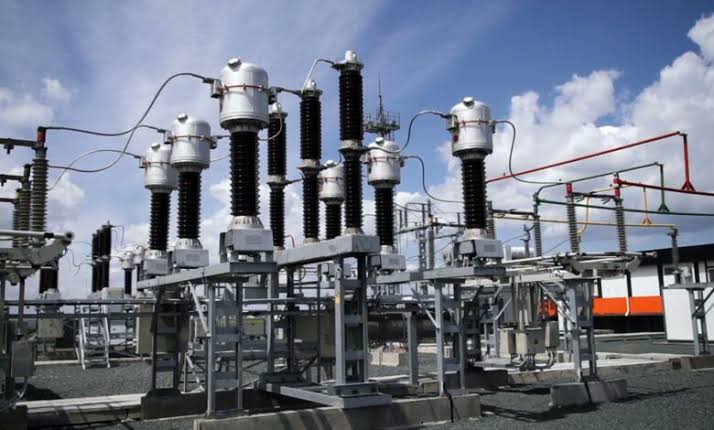
The Federal Government has finalised implementation frameworks for a ₦4 trillion government-backed bonds to settle verified arrears owed to power Generation Companies (GenCos) and gas suppliers.

The Special Adviser to the President on Energy, Mrs. Olu Verheijen disclosed this in a statement made available to newsmen in Abuja.

In the statement signed by Senan Murray, the agreement was reached at a meeting between the federal government officials and the senior executives of GenCos, to review settlement modalities for the outstanding debt.

Murray, Head of the Media and Communications Unit in the SA’s Office, said that the meeting was attended by Minister of Finance and Coordinating Minister of the Economy, Mr. Wale Edun, the Minister of Power, Chief Bayo Adelabu, and Verheijen.

“The meeting concluded with a consensus on the way forward, which includes conducting bilateral negotiations to finalise full and final settlement agreements that balance fiscal realities with the financial constraints of the GenCos.

“This intervention — the largest in over a decade — addresses a legacy debt overhang that has constrained investment, weakened utility balance sheets, and hindered reliable power delivery across the country.”

“This is a major step by the federal government toward restoring financial stability and investor confidence in the electricity market,’ Murray said.

He said the agreement followed a landmark initiative approved by President Bola Tinubu and the Federal Executive Council to address structural bottlenecks and lay the groundwork for large-scale private sector-led investment and sustained economic growth.

According to Murray, during the meeting, Verheijen said that the federal government’s focus was on creating the right conditions for investment by modernising the grid, improving distribution and scaling embedded generation.

The Special Adviser said that the step would also help in closing metering gaps, aligning tariffs with efficient costs, improving subsidy targeting to support the poor and vulnerable, and restoring regulatory trust.

“The sector is shifting from crisis response to sustained delivery and building the confidence needed to attract large-scale private capital,” she said.

Also at the meeting, Edun said that the reforms were beyond liquidity as it would help in “rebuilding the fundamentals, so that Nigeria’s power sector works for investors, for citizens, and for the next generation.

“This is how we create the enabling conditions for sustained private investment and transform reliable power into a catalyst for economic growth.”

“Complementary efforts to scale renewable energy, leverage domestic gas as a transition fuel, and build local technical and institutional capacity will position Nigeria not just for energy security, but for energy sovereignty, creating one of Africa’s most attractive power markets,” the minister said.

On his part, Mr. Tony Elumelu, Chairman of Heirs Holdings and Transcorp Power noted that for the first time in years, the sector is seeing a credible and systematic effort by government to tackle the root liquidity challenges in the power sector.

He commended President Tinubu and his economic team for the bold and transformative step.
Speaking in the same veins, Mr. Kola Adesina, Group Managing Director of Sahara Power Group, said the initiative was significant in every respect.

According to him, It renews confidence in the reform process and a clear signal that the government is serious about building a sustainable power sector.
Adesina noted that, beyond clearing arrears, the debt reduction plan signalled a strategic reset of Nigeria’s electricity market.
The Presidential Power Sector Debt Reduction Plan is being jointly implemented by the Federal Ministry of Finance, the Federal Ministry of Power, and the Office of the Special Adviser to the President on Energy, in collaboration with the Nigerian Bulk Electricity Trading (NBET) Plc and other key stakeholders.

‎The President recently assured the GenCos of the Federal Government’s commitment to settling outstanding debts, pending a thorough audit process.

Tinubu had, during a meeting with the Association of Power Generation Companies at the State House, Abuja, ‎ reiterated his commitment to resolving liquidity challenges affecting Nigeria’s electricity sector.

2026 World Cup: Celebrations In South Africa, Gloom In Nigeria

0

Wild celebrations erupted in South Africa Tuesday evening following the convincing 3-0 victory of the Bafana Bafana over the Rwandan national team to earn the country a place in the 2026 World Cup in Mexico, Canada, and the United States of America.

In Nigeria, however, it was all gloom despite the Super Eagles 4-0 thrashing of the Benin Republic team in the last match of the World Cup qualifying match at the Godswill Akpabio International Stadium in Uyo.

The victory, seen by many as too little, too late, may not be enough to see the Super Eagles at the World Cup.

South Africa topped the group with 18 points, while Nigeria and Benin Republic ended with 17 points each. Nigeria, with a superior goal difference, clinched the second spot.

The Super Eagles concluded their 2026 World Cup qualifying campaign with a resounding 4–0 victory over Benin Republic on Tuesday evening.

Nigeria entered their final fixture needing a convincing win, having kept their qualification hopes alive with a 2–1 triumph over Lesotho last weekend.

They began brightly against Gernot Rohr’s side, with Victor Osimhen finding the net within the opening three minutes.

Osimhen doubled the lead with a header just before half-time, as the Eagles took firm control of proceedings in Uyo.

The Galatasaray striker completed his hat-trick in the second half, before Frank Onyeka added a late fourth with a well-struck volley.

The result ensures Nigeria finish second in Group C, behind South Africa, who thrashed Rwanda 3–0 to secure the automatic qualification spot.

Tinubu To World Leaders: Declare Stealing Of Countries’ Mineral Resources International Crime

0

Illegal exploitation of mineral resources in Africa has been identified as a grave threat to regional peace, stability, and development.

To stem the tide, Nigeria’s President, Bola Tinubu on Tuesday called on African leaders to unite, join forces and push for the recognition of mineral resources theft from the continent as an international crime on the global stage.

He stressed that his call became imperative because such acts have become grave threats to regional peace, stability and development, adding that illegal mining and mineral smuggling are obvious international crimes.

The President stated this at the Secretariat of the Economic Community of West African States (ECOWAS) in Asokoro, Abuja when he declared open the Annual General Meeting of the Network of National Anti-Corruption Institutions in West Africa (NACIWA).

Represented by the Secretary to the Government of the Federation, George Akume, Tinubu explained that such designation and proclamation would help affected countries to take drastic actions against the culprits.

Stakeholders in the security sector have attributed growing security challenges across the country with illegal mining activities going on, particularly in Zamfara, Sokoto, Kebbi, and some states in the Northeast.

The President’s call came amid rising concerns about illegal mining and mineral smuggling across West Africa, particularly in gold-rich countries such as Nigeria, Ghana, Burkina Faso and Mali.

Reports released by the Nigeria Extractive Industries Transparency Initiative (NEITI) had shown that billions of dollars worth of minerals leave the region each year through unregulated channels, depriving governments of crucial revenue.

Speaking during the general meeting, the President lamented that despite decades of independence, the region’s economic and political progress continued to be undermined by corruption and the looting of mineral resources.

According to him, the proceeds of such thefts do not only deprive citizens of development and benefits but also fund insecurity, the proliferation of small arms and light weapons, banditry and kidnapping across the region.

The President said, “West Africa’s post-independence economic and political trajectory is blighted by corruption, manifest in the theft and stashing of our commonwealth abroad by corrupt officials.

“Even now, illicit outflows remain an odious miasma. Stealing of mineral resources is on the rise in the region, fuelling proliferation of small arms and light weapons, and other violent crimes such as kidnapping and banditry.

“I believe that the time has come for us to designate resource theft, mining and stealing of minerals in the region as an international crime that threatens the stability of the region and galvanise the world against threats from stolen minerals from West Africa.”

He also urged NACIWA delegates to critically examine the extractive sector, financial intelligence sharing and anti-money laundering frameworks to strengthen accountability across West Africa.

“I urge you all, in your deliberations, to examine critically the regional anti-money laundering frameworks, financial intelligence sharing mechanism, and accountability in the extractive sector across the region for a more prosperous and secure future,” Tinubu added.

He further noted that no single country could win the battle against illicit financial flows, stressing that the challenge required a multi-state and multi-stakeholder platform to harmonise regional efforts against corruption and its manifestations.

Speaking on Nigeria’s anti-corruption strategy under his watch, Tinubu said his administration had prioritised tracing and recovery of stolen assets, introducing new legal frameworks for asset recovery and management.

He also commended the Economic and Financial Crimes Commission (EFCC) led by Ola Olukoyede for what he described as “its prolific” record in asset recovery, urging member countries to share lessons from such efforts.

The President maintained that his government was committed to using recovered funds as “instruments of social inclusion.”

He revealed that N100 billion recovered from crime proceeds had been injected into the Student Loan Scheme and Consumer Credit Scheme, describing both as legacy programmes aimed at improving access to education and easing financial pressure on citizens.

The President reaffirmed Nigeria’s commitment to ECOWAS and regional anti-corruption cooperation, stressing that a united approach was essential to ending illicit financial flows and advancing good governance.

Also speaking, the Minister of Justice and Attorney-General of the Federation, Lateef Fagbemi, urged West African nations to domesticate the ECOWAS Protocol on Corruption, saying this would ensure that corrupt officials find no safe haven within the subregion.

Fagbemi, a Senior Advocate of Nigeria, said, “Let us domesticate the ECOWAS Protocol on Corruption so that thieves find no hiding place. The child who says his mother will not sleep will also not sleep, so the corrupt who disturb the peace of nations must not find rest across borders.”

The minister proposed the establishment of an ECOWAS Regional Task Force on Asset Recovery, to be supported by NACIWA, to coordinate investigations and intelligence sharing among member states.

Fagbemi also stressed the need to guarantee the independence and adequate funding of anti-corruption institutions, warning that underfunded agencies were vulnerable to compromise.

“The goat eats where it is tied. If we starve our institutions, they will be unable to resist corruption.”

Earlier, the Chairman of the EFCC, Ola Olukoyede, who also serves as President of NACIWA, said the fight against corruption in West Africa must be viewed within the broader context of political stability and social justice.

“Distinguished colleagues, we must acknowledge the evolving landscape in which our institutions operate. Political transitions, security concerns, and governance challenges across several member states underscore that our fight against corruption can not be divorced from broader considerations of political stability, institutional integrity, and social justice,” he said.

Mathematics No Longer Compulsory Admission Requirement For Arts Students

0

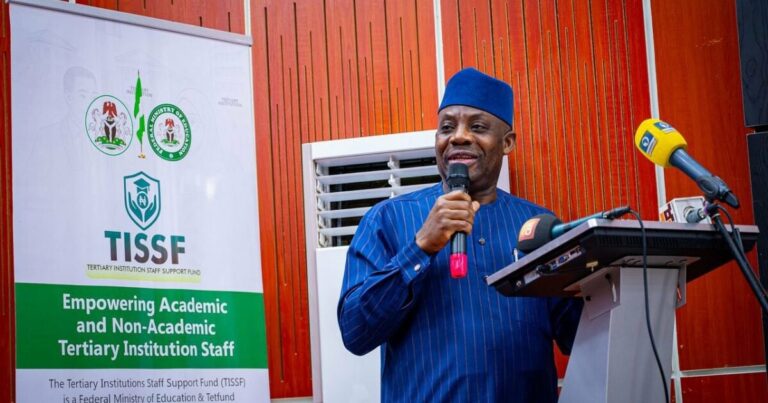
The Ministry of Education has said that credit in mathematics in the Senior School Certificate Examination, SSCE, would not longer be a condition for admission for students studying arts and humanities courses in universities and polytechnics.

This was contained in a statement by the spokesperson of the Ministry, Folasade Boriowo, on Tuesday in Abuja.

For years, admission seekers in arts and humanities, like their contemporaries in sciences and social sciences, have been mandated to have five credits, including mathematics and English language, to secure admission into higher institutions.

“The revised National Guidelines for Entry Requirements into Nigerian Tertiary Institutions are designed to remove barriers while maintaining academic standards.

“The new framework applies to universities, polytechnics, colleges of education, and Innovation Enterprise Academies across the country as follows:

“Universities: Minimum of five (5) credit passes in relevant subjects, including English Language, obtained in not more than two sittings. Mathematics is mandatory for Science, Technology, and Social Science courses.

“Polytechnics (ND Level): Minimum of four (4) credit passes in relevant subjects, including English Language for non-science courses and Mathematics for science-related programs.

“Polytechnics (HND Level):
Minimum of five (5) credit passes in relevant subjects, including English Language and Mathematics.

“Colleges of Education (NCE Level): Minimum of four (4) credit passes in relevant subjects, with English Language mandatory for Arts and Social Science courses, and Mathematics required for Science, Vocational, and Technical programs,” the statement said.

The Minister of Education, Tunji Alausa, described the reform as a deliberate effort to expand access to tertiary education.

Use Service Year To Build Capacity, Fubara Charges NYSC Members

0

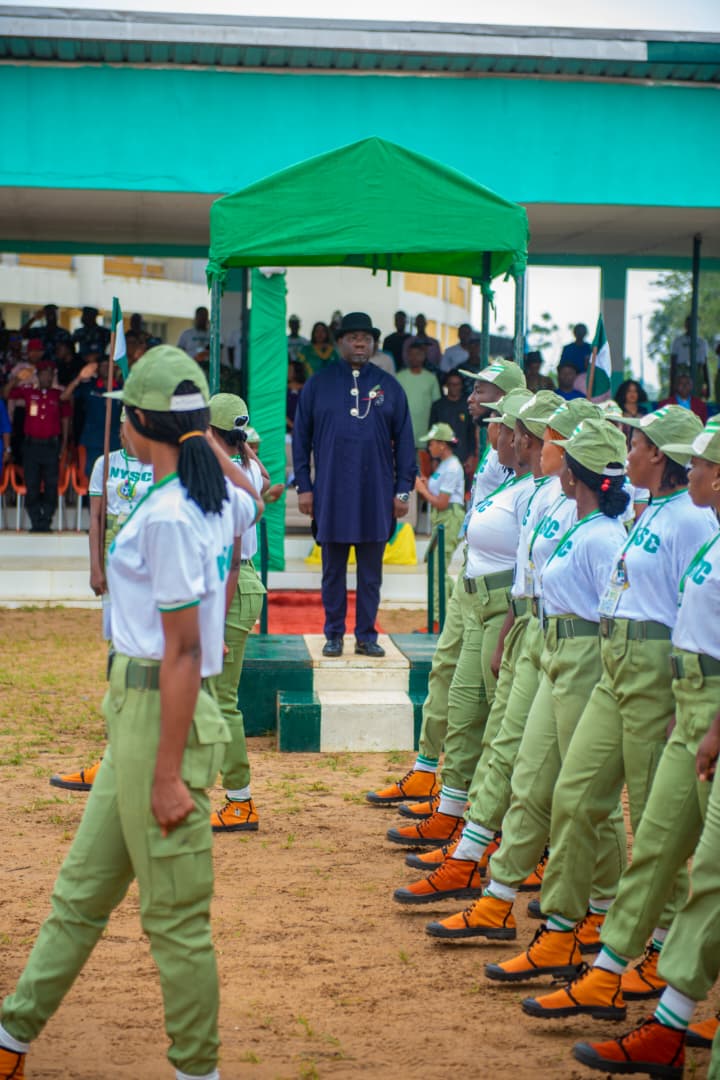
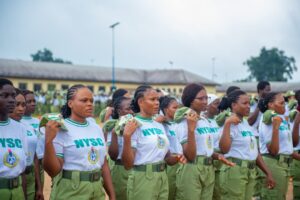
The Governor of Rivers State, Sir Siminalayi Fubara, has charged the 2025 Batch B, Stream II National Youth Service Corps (NYSC) members deployed to the State, to use the NYSC skill acquisition training programme to build capacity.

Governor Fubara gave the charge today when he declared closed, the 2025 Batch B Stream II orientation exercise in the State.

Represented by the newly sworn-in Secretary to the State Government and Chairman NYSC State Governing Board, Hon. Benibo Anabraba, Governor Fubara enjoined the Corps members to embrace skill acquisition wholeheartedly in order to elevate themselves as wealth creators and employers of labour.

“Take Rivers State as your home. Be assured of the warmth, hospitality, and accommodating disposition of the good of our people at all times.

“Take the skill acquisition and entrepreneurship development post camp training very seriously and equip yourselves with the capacity to compete favourably in the nation’s huge economic space,” he stressed.

The Governor called on the Corps members to see their mobilization into the NYSC Scheme as a fundamental way to provide humanitarian services.

“Remember that you owe it to yourself, family, and the nation, the responsibility to serve selflessly and honourably,” he admonished.

In his farewell address, the State Coordinator of NYSC, Mr. Moses Oleghe appealed to the Corps members to use the opportunity of the service year to discover their true purpose.

He further encouraged them to embody selfless service and empathy in serving the people.

The colourful ceremony witnessed a vibrant parade.

800 Rivers Farmers Receive RHI Agric Empowerment Support …First Lady Urges Beneficiaries To Build Foundation For Food Security

0

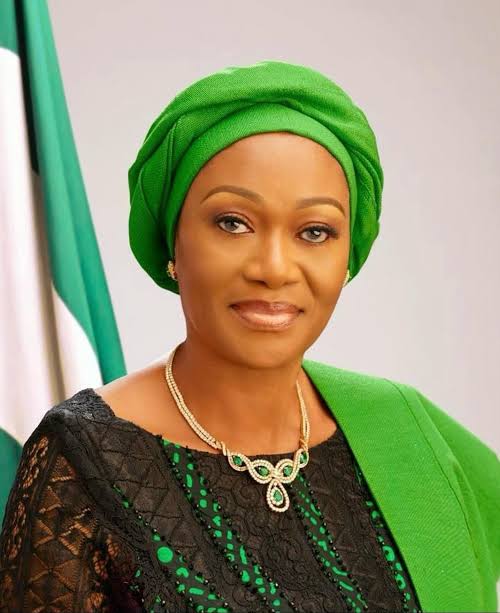
Nigeria’s First Lady and National Coordinator of the Renewed Hope Initiative (RHI), Senator Oluremi Tinubu, has called on farmers in Rivers State to take full advantage of the agricultural empowerment support programme by growing their seedlings, nurturing livestock, and producing high yields to help build a food-secured Nigeria.

Represented by the wife of the Rivers State Governor, Lady Valerie Siminalayi Fubara, Senator Tinubu made the call during the distribution of agricultural support materials to 800 pre-selected farmers at the Government House Field in Port Harcourt on Tuesday.

RHI pre-selected 400 farmers drawn from across the three senatorial districts, including members of the Female Farmers’ Association, the Young Farmers’ Club, and non-indigenes. While Rivers State Government, under Governor Siminalayi Fubara, complemented the initiative with additional support for 400 farmers, which include 100 young and 300 older farmers, bringing the total number of beneficiaries to 800.

The event was organised by the Renewed Hope Initiative in collaboration with the Federal Ministry of Agriculture and Food Security, the Rivers State Government, and the Young Farmers’ Club of Nigeria.

Delivering the First Lady’s message, Lady Valerie Fubara urged beneficiaries to take responsibility for their farms and contribute to national food production.

“Grow these seedlings, nurture these livestock, and turn them into good yields,” she said. “As you do that, you will also reawaken the entrepreneurial spirit that we are known for.”

Lady Valerie Fubara described the initiative as a practical effort to revive Nigeria’s agricultural potential, drawing lessons from past government programmes such as Operation Feed the Nation and the Green Revolution.

She noted that with the commitment to empowering Nigerians, the initiative reflects genuine love and dedication to the nation’s progress.

“This support programme is not just assistance, it is an investment that will lead to food surplus and help combat scarcity,” she added.

She also emphasised that the Rivers State Government, under Governor Siminalayi Fubara, is complementing the initiative with additional support for 400 farmers, which include 100 young and 300 older farmers, bringing the total number of beneficiaries to 800.

“The First Lady of Nigeria is trusting you to make the best use of this opportunity,” Lady Valerie Fubara said. “The Rivers State Government believes in your ability, do not let us down,” she added.

Rivers State Deputy Governor, Prof. Ngozi Odu, praised the programme as a platform that promotes inclusivity and bridges socio-economic gaps.

“This initiative embodies the Federal Government’s commitment to improving lives through sustainable and inclusive development,” she said.

She also commended Lady Valerie Fubara for her leadership and passion in localising the Renewed Hope Initiative in the state.

“Beyond the immediate benefits,” she added, “this programme lays the foundation for a more prosperous and self-reliant Rivers State,” she said.

The Head of the Rivers State Civil Service, Dr. Inyingi Brown, described the programme as timely and impactful. She urged the beneficiaries to become catalysts for sustaining the initiative, and appealed for future inclusion of civil servants.

“You are the first set of beneficiaries, please, show example so that the programme will be replicated. Let it not die in your hands,” she said.

The Supervising Commissioner for Agriculture, Engr. Victor Kii, commended the First Lady’s vision, describing the initiative as a key step toward food security, job creation, and inclusive economic growth.

He praised Lady Valerie Fubara for her role in ensuring the programme’s success in Rivers State, noting that it “uplifts women, creates jobs, and secures a sustainable economic future.”

In her welcome remarks, Rivers State Coordinator of RHI, Mrs. Tonye Briggs Oniyide, said that RHI pre-selected 400 farmers drawn from across the three senatorial districts, including members of the Female Farmers’ Association, the Young Farmers’ Club, and non-indigenes.

The beneficiaries received farm implements, seedlings, fingerlings, livestock, and starter packs, all aimed at boosting food production and encouraging youth participation in agriculture.