

Home Blog

Kabuowei Clan Stakeholders Seek Unified Security Architecture, Sustainable Development In Bayelsa

0

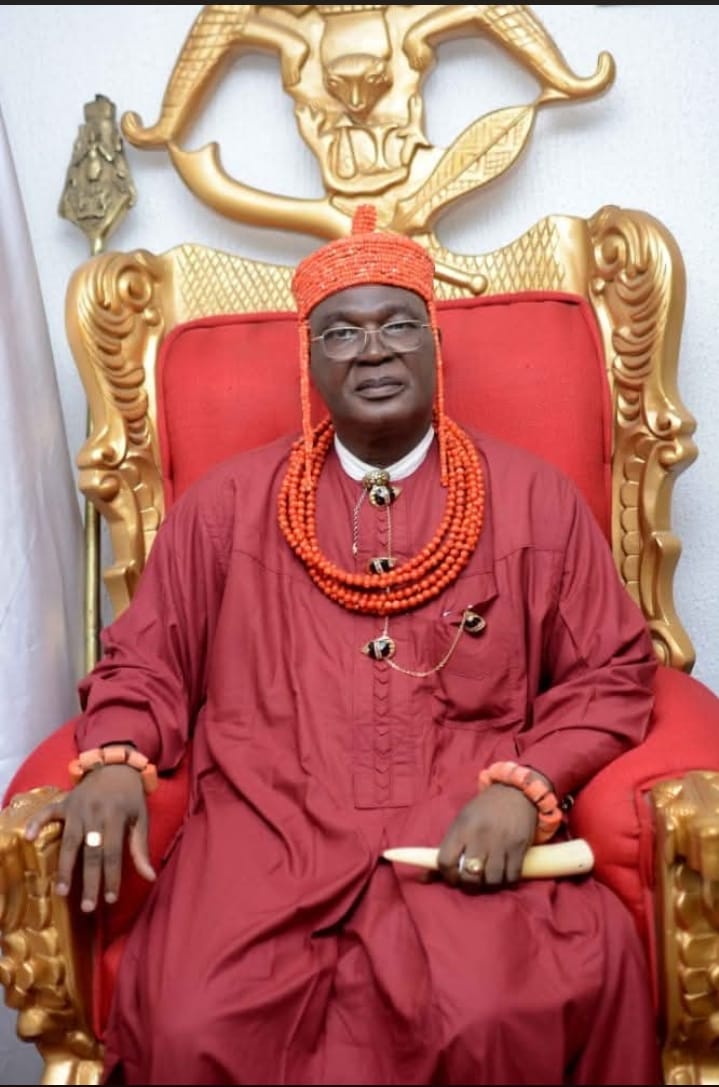
Stakeholders of Kabuowei Clan in Bayelsa State have called for stronger collaboration among traditional rulers, community development committees, development unions and security agencies to tackle insecurity and accelerate sustainable development in the clan.

The stakeholders made the call after a meeting held at the palace of the Ebedaowei of Kabuowei Clan in Trofani, where they adopted a four-point communique on peace, security, community administration and economic development.

In the communique signed by the Ozituaowei of Kabuowei Clan, Bayelsa, High Chief Freston Akpor, the stakeholders welcomed the community administration organogram issued by the state Ministry of Community Development.

They, however, clarified that while development unions were legally recognised as instruments for advancing development under their respective constitutions, they should not assume sole responsibility for administering communities.

Rather, the unions, they said, should work alongside traditional institutions, community development committees, youth and women groups and other recognised organs to promote peace, stability and development.

Concerned by the growing insecurity across the country, the stakeholders urged the seven Kabuowei communities in Bayelsa to develop community-specific security structures capable of addressing their peculiar security challenges.

They proposed that such structures should be coordinated at the clan level to promote uniformity, intelligence gathering and information sharing, while strengthening collaboration with state security agencies.

The stakeholders also endorsed recognised paramount rulers as chief security officers of their respective communities, urging them to work closely with CDCs and other stakeholders to achieve common security objectives.

They called for harmonious coexistence among the various groups within Kabuowei communities, warning that activities of development unions must remain within the limits of their constitutional mandates.

“Development unions should be guided by their specific functions and constitutions and their activities must not conflict with the administrative structure and organs of Kabuowei communities such as the paramount ruler, CDC, youth and women executives as provided for in the communities’ constitutions and the laws of Bayelsa State,” the communique stated.

On economic development, the stakeholders urged the seven Kabuowei communities to revive and modernise traditional occupations, particularly fishing, farming and trading, through the adoption of innovative practices.

They also encouraged the communities to explore funding opportunities from government agencies, donor organisations and non-governmental organisations to support local economic initiatives.

The stakeholders further called on development unions to collaborate with paramount rulers to ensure that Kabuowei communities benefit equitably from proceeds derived from natural resources, particularly oil and gas.

They recommended that government interventions and economic activities within the communities be supervised and coordinated at the clan level to prevent duplication of efforts and ensure equitable distribution of benefits.

The meeting ultimately urged the Bayelsa State Government and relevant agencies to support the implementation of the resolutions, stressing that coordinated action among community institutions would strengthen peace, security and sustainable development across Kabuowei Clan.

Fubara Commissions 12.1km Etche Road, Promises New Hospital

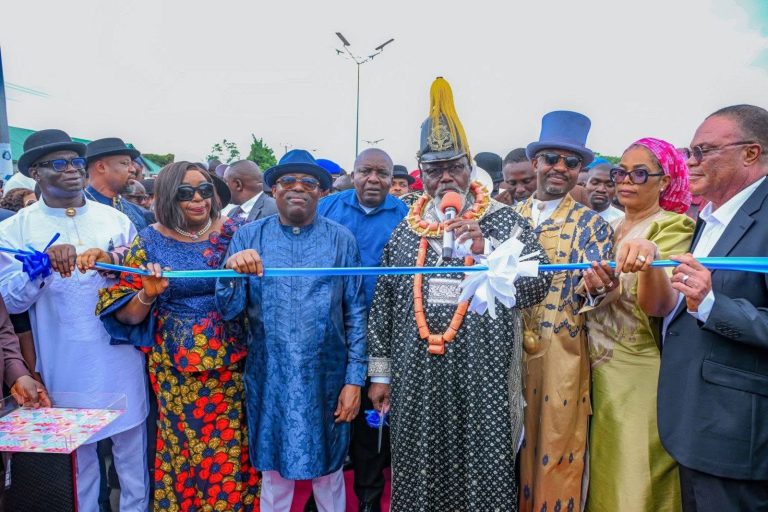
Rivers State Governor, Sir Siminalayi Fubara, has commissioned the reconstructed 12.1-kilometre Egwi-Afara-Mba Road in Etche Local Government Area of the state, , promising to build a standard hospital in the area before the end of his tenure.

The road, executed by Setraco Nigeria Limited, is fitted with a 60mm asphaltic binding course, 40mm wearing layer and 10.2 kilometres of concrete drainage channels.

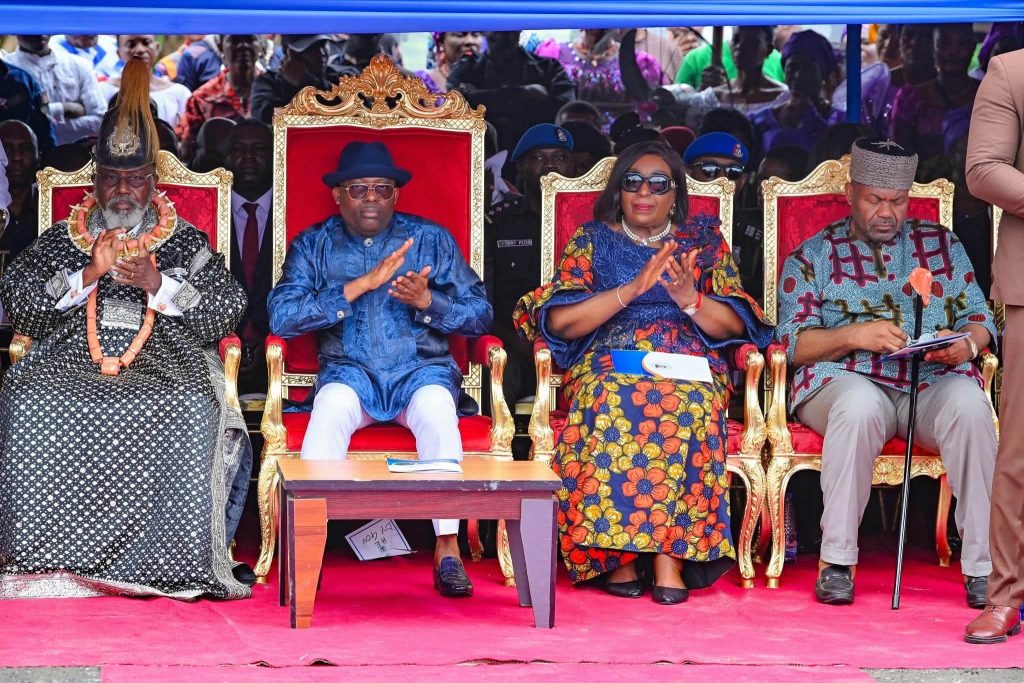
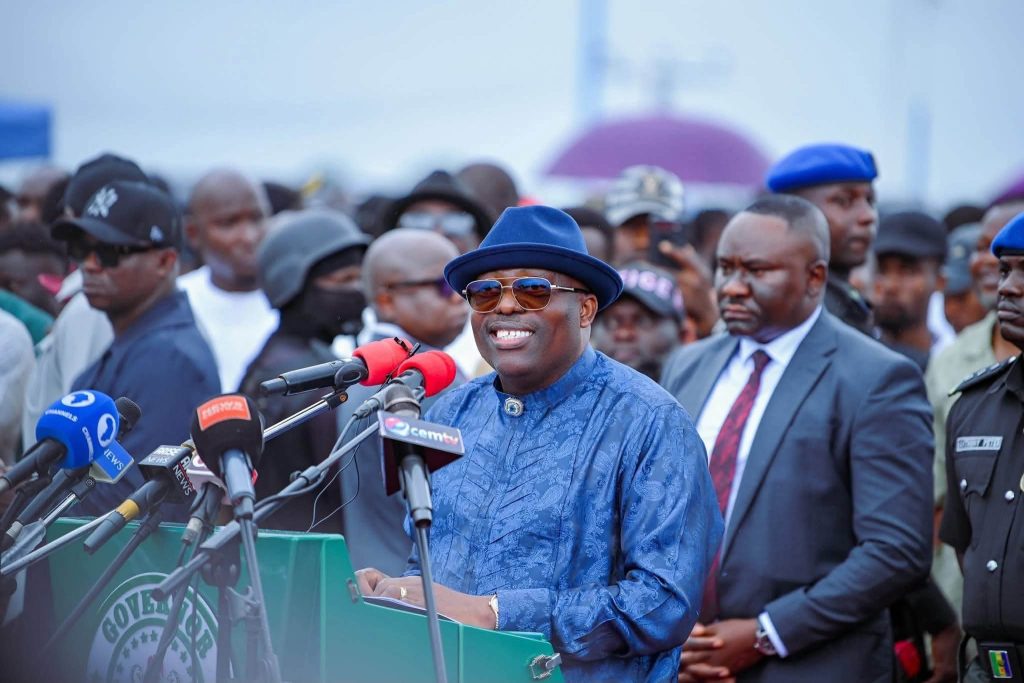
Commissioning the project on Tuesday in the presence of traditional rulers, community leaders and top government officials, Fubara said the completion of the road demonstrated his administration’s determination to deliver projects that directly improve the lives of residents despite prevailing challenges.

The governor recalled that the contract was awarded in 2024 following repeated demands by prominent members of the Etche Kingdom.

He said his administration chose to continue with development projects even at a period of political difficulties, stressing that the achievements recorded by a government, rather than its excuses, would ultimately define its legacy.

“What posterity records is not your complaints; it is not the reason for your failures; but it is the little things that you achieve,” Fubara said.

The governor said the completion of the road had enabled his administration to leave a lasting mark in Etche, adding that the project would significantly improve movement, agricultural activities and commerce across the communities.

He commended the Chairman of Etche Local Government Area, Njoku Boniface Chima, for his efforts towards improving electricity supply and securing lives and property in the area.
Fubara also praised traditional chiefs in the kingdom for their hospitality, despite the absence of the Onyishi Etche, the paramount ruler.

Responding to demands from community leaders, particularly for improved healthcare facilities, the governor pledged to establish a modern and fully equipped hospital in Etche before leaving office.

He cited the reconstruction of zonal hospitals in Bori, Ahoada, Omoku and Degema as evidence of his administration’s commitment to improving healthcare infrastructure across the state.

“The only one that we have not done much is that of Etche. Let me promise you here and now that, by the special grace of God, before we exit, there will be a standard hospital that can cater for the people of Etche and take care of the people of Omuma until further medical services are provided at the primary level,” he said.

The governor further assured the people that their request for the reconstruction of the dilapidated Mba-Ndashi Road would receive government attention, with appropriate steps taken to address its condition.

He urged residents of Etche to remain peaceful and law-abiding, stressing that sustainable development could only thrive in an atmosphere of peace and security.

NDDC Urges Niger Delta Youths To Use AI To Create Jobs, Build Sustainable Enterprises

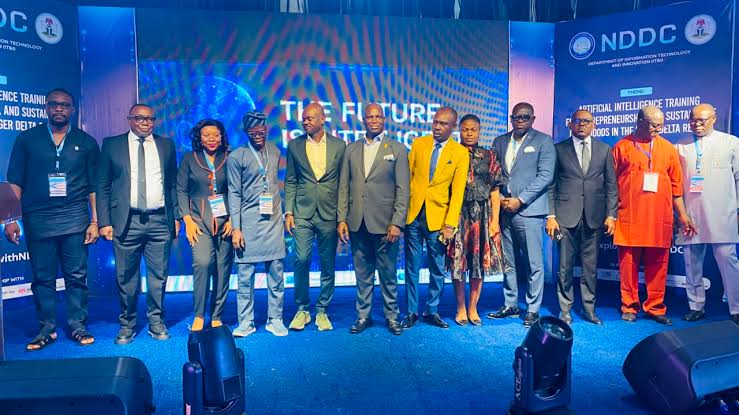
The Managing Director of the Niger Delta Development Commission (NDDC), Dr Samuel Ogbuku, has urged youths in the region to harness Artificial Intelligence (AI) to create enterprises, solve local problems and build sustainable livelihoods rather than remain dependent on scarce employment opportunities.

Ogbuku gave the charge yesterday while delivering the keynote address at the opening of the NDDC Artificial Intelligence Training and Capacity Building for Innovative Opportunities in Port Harcourt.

Speaking on the theme, “From the Creeks of the Niger Delta to the Clouds of Possibilities,” Ogbuku, who was represented by his Chief of Staff, Rev. Obegha Oworibo, said the rapid transformation of the global economy by AI presented an opportunity for young people in the Niger Delta to reposition themselves for the future.

He said the NDDC was committed to creating an environment where “skills meet opportunity, ideas meet markets, and innovation meets investment,” stressing that the Commission’s mandate extended beyond physical infrastructure to the development of human capacity.

“The world of work is changing rapidly. Artificial Intelligence is transforming how people learn, create, conduct business, and solve problems,” he said.

According to him, the growing accessibility of AI tools means that individuals and small businesses can now perform tasks that previously required substantial time, resources or teams of people.

Ogbuku challenged young people to move beyond merely observing technological change and become active participants in shaping it.

“The important question is not simply whether Artificial Intelligence will change our world. It already has. The question is whether our young people will merely watch that change take place, or whether they will acquire the knowledge and confidence to participate in it and shape it,” he said.

He said the NDDC considered human capital development as a critical component of its intervention in the Niger Delta, adding that the Commission wanted to transform young people from job seekers into opportunity creators.

“We want to help move our young people from being job seekers to opportunity creators, from being consumers of technology to creators with technology for sustainable economic empowerment,” he stated.

Ogbuku urged participants to see knowledge and creativity as resources capable of generating greater and more sustainable wealth than dependence on the region’s traditional oil economy.

“For generations, the Niger Delta has been known for the oil beneath its soil. Today, I want our young people to recognise that there is another resource with enormous potential: the knowledge, creativity, data and intelligence within their minds,” he said.

He added: “Oil can be depleted, but knowledge can multiply. And while previous generations drilled the earth for crude, this generation has the opportunity to drill its own future.”

The NDDC boss said the AI training was designed not only to impart technical skills but also to change the mindset of young people across the region.

He envisaged a situation where a young woman in Cross River State could build a digital business serving clients outside Nigeria, while entrepreneurs in Ondo State and other parts of the Niger Delta could deploy AI to improve existing businesses and create new solutions.

“We want a generation capable of using technology to develop solutions in agriculture, education, healthcare, environmental sustainability, creative industries, finance and many other areas that affect our communities,” he said.

The Director, Department of Information Technology and Innovation, NDDC, Engr. Emeka Ani, described the programme as a strategic investment in the future of the Niger Delta.

Ani said the initiative reflected the Commission’s commitment to equipping young graduates and unemployed youths with digital competencies needed to compete in an increasingly technology-driven global economy.

He said participants were expected to translate the knowledge acquired into businesses, career opportunities and innovative solutions that would ultimately improve livelihoods across the region.

“This programme is an opportunity to redefine your future. Embrace it with commitment, discipline, and a willingness to learn. The future belongs to those who innovate, adapt, and continuously acquire new knowledge,” Ani stated.

The Lead Consultant for the programme, Mr Francis Abayomi, commended the NDDC leadership for using technology and skills development to promote productive engagement among youths and other stakeholders in the Niger Delta.

He said the initiative demonstrated the Commission’s commitment to empowering the region’s people and promoting its long-term economic progress and stability.

Fubara Unveils Reconstructed Buguma-Degema-Abonnema Road, Restores Vital Coastal Link

Rivers State Governor, Sir Siminalayi Fubara, has unveiled the reconstructed 19.79-kilometre Buguma-Degema-Abonnema Road, describing the project as a major intervention that will transform movement, security and economic activities across three coastal local government areas of the state.

The road, executed by Julius Berger Nigeria Plc, links communities in Asari-Toru, Degema and Akuku-Toru Local Government Areas, providing a critical transportation corridor to Abonnema and adjoining communities that had endured years of poor access and deteriorating infrastructure.

Before its reconstruction, the road had become notorious for its deplorable condition, resulting in prolonged travel time, increased transportation difficulties and heightened security concerns for residents and other road users.

Fubara, who spoke during the unveiling ceremony, said the completion of the project fulfilled a personal commitment he made after witnessing first-hand the severe condition of the road during an earlier visit to the area.

According to him, the state of the road had not only imposed hardship on residents but also created an environment that encouraged criminal activities along the corridor.

“It is a road that you must pass if you’re going to Abonnema. It is a road that, because of its state, a lot of evil activities were taking place there.

But to the glory of God today, I don’t think those negative acts can even be imagined or be carried out along that corridor again.”

The governor said he had resolved to ensure the road was reconstructed, irrespective of the time available to his administration.

“I made a promise to myself that day that even if it is remaining one week, we must make sure that we fix this road. Today, to the glory of God, the road has been fixed.”

Fubara stressed that the administration’s development agenda was not merely about commissioning projects, but about delivering infrastructure capable of improving the quality of life and economic prospects of residents.

He also reaffirmed his commitment to completing the Trans-Kalabari Highway, another strategic road project designed to connect several coastal communities and deepen economic integration across the state.

The governor thanked residents of the affected communities for their cooperation, particularly for creating an enabling environment for contractors to execute the project without disruption.

“You have shown me so much love. Nobody can take that away. One particular project that cannot be denied is the Trans-Kalabari Road that we are doing,” he said.
Fubara appealed to the people to remain supportive of ongoing development efforts, assuring them that projects initiated by his administration would continue beyond his tenure.

“I want to beg you that if I cannot meet all your requests today, don’t worry, my successor will continue from where I will stop,” he added.

Commissioner for Works, Prof. Temple Nwofor, said the reconstructed road was delivered in accordance with required state standards and designed to withstand the demands of the coastal terrain.

Nwofor disclosed that the road has a 50mm asphaltic binder course and a 50mm asphaltic wearing course, while seven existing bridges across Ido, Abalama and neighbouring communities were completely rehabilitated.
He added that the project also included streetlights, concrete walkways, culverts and reinforced concrete drainage channels measuring between 0.5 metres and 2.2 metres in width.

With its completion, the Buguma-Degema-Abonnema corridor is expected to significantly reduce travel difficulties, improve security and strengthen the movement of people, goods and services across the riverine communities.

For residents of the coastal axis, the project represents more than a new stretch of asphalt: it restores a vital link to communities that have long faced the disadvantages of poor road infrastructure and reinforces the wider push to integrate Rivers State’s riverine communities into the state’s economic network.

Andoni Traditional Ruler Appeals Rivers High Court Sack

0

Okan-Ama and paramount ruler of Asuk-Oyet Community, His Royal Highness, King Brown Asuk VI.

The Okan-Ama and paramount ruler of Asuk-Oyet Community in Andoni Local Government Area of Rivers State, His Highness, King Brown Asuk VI, has appealed against a recent judgment of the Rivers State High Court removing him from office.

Justice Chiwendu Nwogu, in a judgment delivered on July 20, 2026, ordered King Asuk VI’s removal and granted a perpetual injunction restraining him, his agents and servants from parading himself as the Okan-Ama and paramount ruler of Asuk-Oyet.

Dissatisfied with the judgment, the monarch, through his counsel, Chief V. O. Egbuawa & Co., filed an appeal on July 29, 2026, challenging the decision in Suit No. PHC/3500/2019.

In the three grounds of appeal, the appellant contended that the trial judge erred in law and arrived at what he described as a “miscarriage of justice.”

King Asuk VI argued that the judgment was based on what he described as a “preconceived decision”, alleging that the court relied substantially on the evidence of the sole founder of the respondent, which, according to him, was not corroborated by any credible witness.

He further relied on evidence which he said was presented by credible witnesses conversant with the customs and traditions of the Andoni people, insisting that the trial court failed to properly evaluate the evidence before reaching its decision.

In the application filed before the appellate court, the appellant sought an order setting aside the judgment of the lower court and staying its execution pending the determination of the appeal.

“We, therefore, respectfully pray your lordship to grant this application staying the execution of the judgment of the lower court in the overall interest of justice as same will not prejudice the respondents, pending the determination of appeal at the Court of Appeal,” the appellant stated.

In an eight-point affidavit filed in support of the motion on notice, King Asuk VI said he was dissatisfied with the judgment of Justice Nwogu and had consequently exercised his constitutional right of appeal.

He maintained that granting the application for a stay of execution would not prejudice the claimants/respondents, arguing that it would serve the interest of justice to preserve the status quo pending the determination of the appeal.

The applicant also averred that he made the depositions contained in the affidavit in good faith, believing them to be true and correct in accordance with the Oaths Act, Laws of the Federation of Nigeria, 2004.

The matter now awaits further proceedings on the application for a stay of execution and the substantive appeal at the Court of Appeal.

RSU Don Raises Fresh Concerns Over Contamination At Remediated Eleme Sites

0

Prof. Ugbomeh.

A Professor of Rivers State University (RSU), Adaobi Patricia Ugbomeh, has raised fresh concerns over the effectiveness of environmental remediation efforts in Eleme Local Government Area of Rivers State, saying soil samples from some officially remediated sites still contain dangerous levels of hydrocarbon contamination.

Ugbomeh, who spoke during the 137th Inaugural Lecture of the university in Port Harcourt last Wednesday, disclosed that her research team conducted a post-remediation assessment of sites in Eleme in 2025, which led to the conclusion.

The lecture, titled “Samples Tell A Story: Challenges and Impact of Pollution on the Niger Delta Aquatic Environment,” examined the persistent environmental consequences of pollution in the Niger Delta and the need for evidence-based approaches to environmental restoration.

According to the professor, the research team assessed Total Petroleum Hydrocarbons (TPH) in soil samples collected at different depths from sites remediated under the Hydrocarbon Pollution Remediation Project (HYPREP).

She said while one of the sites recorded TPH concentrations below the regulatory target, two others were only partially remediated, with soil samples showing contamination levels significantly above the 50mg/kg target value formerly used by the Department of Petroleum Resources (DPR).

“Of particular concern was the increase in TPH concentrations with depth at one of the sites, suggesting continued downward migration of hydrocarbons,” she said.

Professor Ugbomeh said the findings demonstrated that environmental restoration could not be judged solely on the basis of administrative certification, stressing that successful remediation must ultimately be reflected in the condition of the environment.

She noted that, in the case of the Eleme sites studied, soil samples continued to provide evidence of contamination despite official cleanup efforts.

“The post-remediation assessment of crude oil-polluted sites in Eleme exposed a dangerous gap between administratively certified environmental recovery and the reality revealed by soil samples, where Total Petroleum Hydrocarbons concentrations continued to exceed regulatory targets long after official cleanup declarations,” she said.

The professor called for greater reliance on scientific monitoring and post-remediation assessments to determine the actual effectiveness of environmental cleanup programmes, particularly in communities that have endured prolonged oil pollution.

Professor Ugbomeh stressed that environmental samples remain critical evidence in determining whether polluted ecosystems have truly recovered, warning that certification without sustained scientific verification could leave communities exposed to lingering contaminants.

RSU Postgraduate College Hosts 2nd Annual Conference On Research, Inclusive Growth

The College of Postgraduate Studies, Rivers State University (RSU), Port Harcourt, is set to host its second annual conference, bringing together academics, researchers and other stakeholders to explore how research can provide local solutions to global challenges.

The two-day conference, with the theme, “Global Challenges, Local Solutions: Driving Inclusive Growth and Transformation through Research,” will hold tomorrow, Tuesday, August 18, and Wednesday, August 19, 2026, at the Dr. Nyesom Ezenwo Wike Senate Building, RSU.

The organisers said the conference, which begins at 10:00 a.m. daily, is designed to provide a platform for intellectual engagement on the role of research in addressing contemporary challenges and promoting inclusive development.

A former Vice-Chancellor of the university, Prof. B. B. Fakae, will chair the conference, while the Vice-Chancellor of RSU, Prof. Isaac Zeb-Obipi, will serve as chief host.

The keynote address will be delivered by Prof. A. L. Olayinka, former Vice-Chancellor of the University of Ibadan, while another former Vice-Chancellor, University of Port Harcourt, Prof. Joseph Ajienka, will present the lead paper.

The College of Postgraduate Studies said the conference would provide an opportunity for members of the university community and the general public to engage with scholars on emerging global issues and examine practical, locally driven approaches to development.

The event is expected to attract academics, postgraduate students, researchers and other members of the university community.

The invitation was jointly signed by the Provost of the College of Postgraduate Studies, Prof. T. K. S. Abam, and the Registrar of the university, Dr Idanyingi I. Daminabo.

RSU Begins Construction Of TETFund Medical Laboratory Science Faculty Building

0

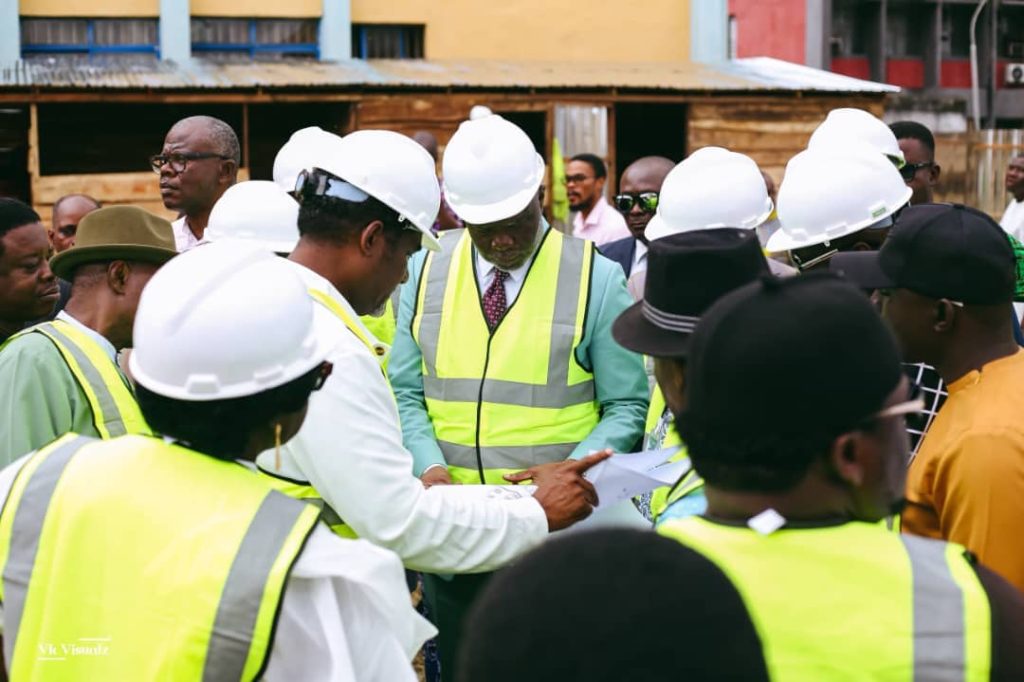
The Vice-Chancellor presenting drawings of the project to the representative of the Contractracting firm.

Vice-Chancellor of RSU, Prof. Isaac Zeb-Obipi, speaking at the groundbreaking ceremony.

Rivers State University (RSU) has commenced construction of a new Faculty building for Medical Laboratory Science, funded by the Tertiary Education Trust Fund (TETFund), in a move aimed at strengthening infrastructure and improving teaching and learning at the institution.

The groundbreaking ceremony, held on Tuesday, August 11, 2026, marked the commencement of the 365-day project, which is designed in accordance with the National Universities Commission’s (NUC) Core Curriculum and Minimum Academic Standards (CCMAS).

The three-storey structure, comprising a ground floor and two suspended floors, will feature eight professorial offices, an office for the Dean, a Faculty Boardroom and four lecture halls, each with a capacity for 200 students.

It will also house specialised laboratories for the various units of the Faculty, while the project scope includes complete furnishing and installation of the required equipment.

Speaking at the ceremony, the Vice-Chancellor of RSU, Prof. Isaac Zeb-Obipi, commended TETFund for its sustained intervention in the development of tertiary education across Nigeria, particularly in infrastructure, career development, information and communication technology and maintenance.

Zeb-Obipi urged the contractor to execute the project expeditiously while maintaining the highest standards of workmanship and structural integrity.

The Vice-Chancellor at the project site.

He warned against defects such as cracks and leaks, stressing that the quality of the facility must not be compromised in the course of construction.

The Vice-Chancellor also ruled out variations to the approved project cost, directing the contractor to procure materials early and adopt effective planning to prevent delays.

He added that subsequent payment tranches would be released only after the verification of corresponding project milestones.

To strengthen monitoring and accountability, the university constituted a Project Monitoring Committee comprising professionals in architecture, civil, mechanical and electrical engineering, quantity surveying and estate management.

The committee, headed by Prof. Ferdinand Daminabo, was mandated to provide continuous professional oversight and ensure that construction conforms to approved specifications, standards and timelines.

Describing the committee as the “eyes of the University” on the project, Zeb-Obipi charged its members to maintain strict and consistent supervision until completion.

The contractor, an alumnus of the university, expressed his pride in returning to contribute to the development of his alma mater.

He pledged to personally supervise the project daily, assuring the university management that it would not be handled as an ordinary public contract.

He further promised quality execution and timely completion, saying the engineering team was committed to delivering a facility that would be a source of pride to the university community.

The ceremony was attended by principal officers of the university, heads of campuses, deans of faculties, as well as staff and students of the Faculty of Medical Laboratory Science.

Fubara, Rainbow Coalition Deepen Reconciliation Efforts, Assure No Victimisation

The Reconciliation Committee of the Rainbow Coalition has assured members of the Rivers State political family that no one will be victimised or discriminated against as efforts intensify to restore peace and unity in the state.

The committee gave the assurance on Sunday after meeting with Rivers State Governor, Sir Siminalayi Fubara, at Government House, Port Harcourt, for the second time in about two weeks.

Chairman of the committee, Senator Magnus Abe, said the meeting was convened to further deliberate on the modalities for the ongoing reconciliation among political leaders who had been estranged by past disagreements.

The committee was constituted by the leader of the Rainbow Coalition, former Rivers State governor and Minister of the Federal Capital Territory, Nyesom Wike.

Abe, who briefed journalists after the meeting, said the committee had held several engagements aimed at finding common ground and establishing a framework for members of the political family to work together.

He said the emerging atmosphere of peace would ensure that every member of the group was treated equally and with respect, irrespective of past political differences.

“I’m sure that Rivers people will be very curious to understand exactly what we have been talking about. So, I know that this will be very good news for all Rivers people who are interested in the unity, progress and prosperity of Rivers State.

“We are all in agreement and we have made very good progress,” Abe said.

According to him, the reconciliation efforts marked a significant shift in the political atmosphere of the state and would pave the way for greater unity and development.

“Our coming together signals a significant shift in the political atmosphere of the state and we believe that all well-meaning Rivers people will be very happy to see that finally, the peace that all Rivers people crave for is here,” he added.

Also speaking, the South-South Zonal Publicity Secretary of the All Progressives Congress (APC), Dr Samuel Nwanosike, commended Governor Fubara for receiving the committee and creating an avenue for the estranged political actors to meet as brothers.
Nwanosike described Sunday’s meeting as a major step towards restoring the political family, saying Rivers people would soon begin to witness the benefits of the reconciliation.

“I’m so excited. The last meeting went well.

Today’s meeting went extraordinarily well and it shows clearly to the people of Rivers State that the family is back; sincerely back and soon, they will see the working of the Rainbow Coalition.

“We will give the people of Rivers State the dividends of democracy they’ve been expecting from all angles,” he said.

Another stakeholder, Chief Ambrose Nwuzi, said members of the group who support Governor Fubara had embraced the reconciliation process, stressing that peace remained the best option for the state.

Nwuzi described the disagreements of the past as part of the challenges that could arise in any human society, saying the political actors had now resolved to move forward.

“Our leader has spoken and our overall leader has equally spoken and accepted that there is need for all of us to reconcile. I can tell you that we have reconciled.

“All that we are waiting for is for the Honourable Minister of the Federal Capital Territory to put the seal on the reconciliation process which has been going on for the past few weeks,” he said.

Among members of the delegation were the APC governorship candidate in Rivers State, Kingsley Ogundu Chinda, and Tamosisi Gogo-Jaja, alongside other stakeholders.

The renewed reconciliation drive comes amid moves to end years of political divisions in Rivers State and rebuild cooperation among key actors in the state’s political establishment.

Osun Poll, Milestone, Not Destination, Says INEC Chairman …Prepares For 2027

0

The Chairman of the Independent National Electoral Commission (INEC), Prof. Joash Amupitan, SAN, has described the successful conduct of the 2026 Osun State governorship election as a milestone, not a destination, urging the commission’s personnel to draw lessons from the exercise ahead of the 2027 general election.

Amupitan spoke on Sunday while formally declaring the INEC #OsunDecides2026 Situation Room closed, following the conclusion of the election and the declaration of the result in the early hours of the day.

The INEC chairman commended the commission’s personnel for their dedication, sacrifice and professionalism throughout the electoral process, particularly those deployed to polling units, local government areas and technical operations.

He acknowledged the long hours put in by staff and the sacrifices made by many who worked under demanding conditions, saying their commitment contributed to the successful conduct of the election.

Amupitan also attributed the peaceful atmosphere that prevailed during the exercise to the grace and protection of Almighty God.

Describing the Osun election as a milestone rather than an end in itself, the INEC chairman said the experience and lessons from the exercise must shape the commission’s preparations for the 2027 general election.

He urged staff to raise the bar in vigilance, transparency and professionalism while maintaining strict neutrality in the discharge of their duties.

“The Osun election is a milestone, not a destination,” Amupitan said, stressing the need for the commission to learn from the exercise and continually refine its electoral processes.

He also urged INEC personnel to remain committed to the commission and recognise their critical role in sustaining Nigeria’s democracy.

“Let us learn from our experience, refine our strategies and approach the upcoming national task with renewed vigour and absolute neutrality.

“Let us remain steadfast in our duty, knowing that we are the gatekeepers of our nation’s democracy,” he said.

The chairman expressed particular appreciation to personnel at the commission’s headquarters, Osun State and local government offices, as well as field officers and technical teams who participated in the election.

He noted that many staff members sacrificed valuable time with their families to ensure that the electoral exercise was successfully conducted.

Amupitan thereafter formally declared the #OsunDecides2026 Situation Room closed, bringing to an end INEC’s central monitoring and oversight operations for the Osun governorship election.

The closure marked the conclusion of the commission’s immediate election management operations in Osun, while attention shifts towards post-election processes and preparations for the 2027 general election.