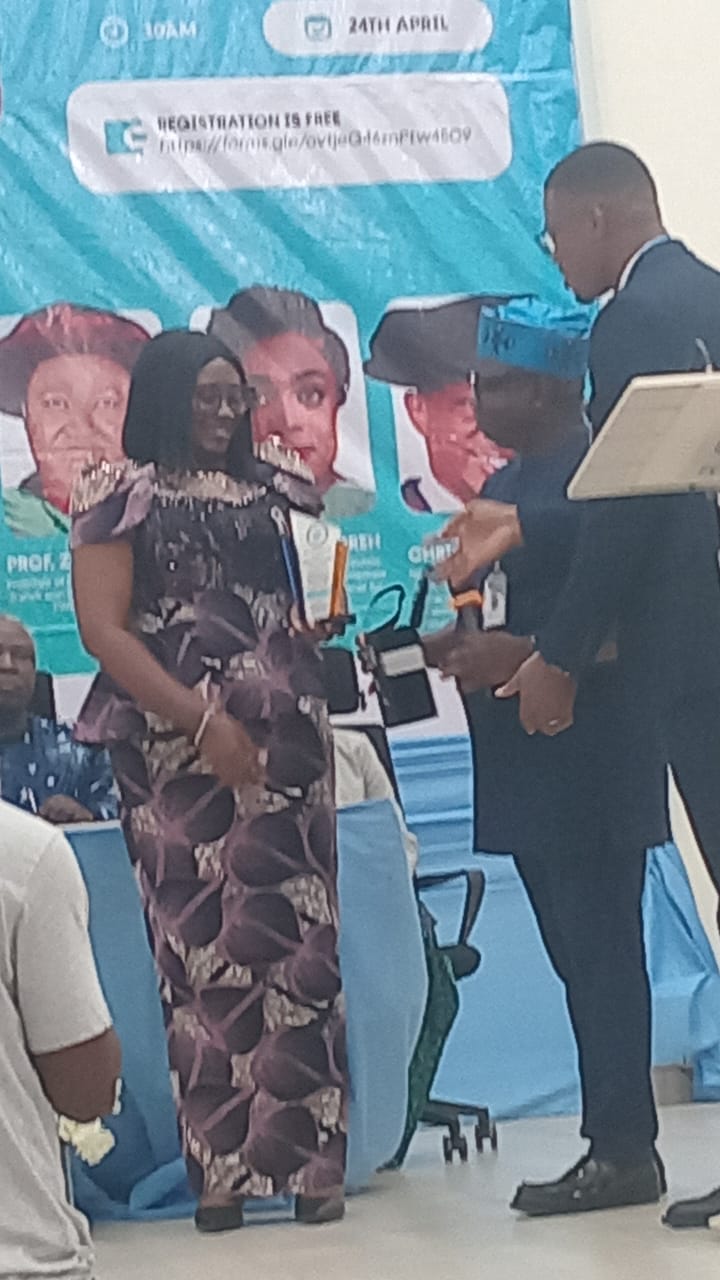
The Rivers State Government has reaffirmed its commitment to intensify efforts toward eliminating malaria, describing the disease as a persistent public health threat requiring coordinated action across sectors.
Speaking at the 5th Malaria Annual Health Colloquium held at Rivers State University on Friday, the Deputy Governor, Ngozi Nma Odu, said the administration is prepared to support initiatives that promote prevention, early diagnosis and effective treatment.
Represented by the Executive Secretary of the Rivers State Contributory Health Protection Programme, Vetty Agala, Odu noted that malaria continues to pose a major challenge despite decades of interventions, stressing that innovation, research and strategic partnerships remain critical to ending the scourge.
She described the theme of the 2026 colloquium — “Accelerating Malaria Elimination Through Academic Innovation: Rivers State University Leads the Way” — as timely, highlighting the role of academia in shaping sustainable solutions and influencing policy direction.
Odu urged stakeholders, including government agencies, development partners, the private sector and communities, to strengthen collaboration and scale up interventions aimed at reducing the burden of the disease.
In her remarks, Agala said malaria remains one of the most enduring health challenges in Nigeria and sub-Saharan Africa, noting that its elimination is central to achieving universal health coverage.
Represented by the Director of Health Services at RIVCHPP, Barinem Dimkpa, she lamented the continued prevalence of malaria, particularly among vulnerable populations, and called for renewed commitment to evidence-based solutions.
According to her, the impact of malaria extends beyond health, affecting economic productivity and social wellbeing, while also exposing systemic gaps in healthcare delivery. She urged participants to advance practical, solution-driven ideas capable of accelerating progress.
Agala further reiterated the mandate of RIVCHPP to provide financial risk protection and ensure access to healthcare without financial hardship, encouraging residents to enrol in the scheme.
Earlier, the President of the Erens Ekprikpo Health Foundation, Ekprikpo Erens Spiff, called for deeper collaboration to reach underserved communities, expressing optimism that sustained partnerships and policy support could significantly reduce malaria incidence.
The Vice-Chancellor of Rivers State University, Isaac Zeb-Obipi, represented by Fortune Amah Tariah, assured participants of the institution’s commitment to advancing research and innovation to tackle societal challenges.
He described universities as engines of innovation but cautioned that knowledge must translate into real-world impact to be meaningful.
The colloquium featured a keynote address by Boma Oboro and panel discussions involving health professionals, including former Commissioner for Health in Rivers State, Chidinma Oreh, who examined pathways to malaria elimination.
Stakeholders at the event agreed that stronger policies, increased funding and sustained collaboration would be key to achieving a malaria-free Rivers State.