

Home Blog Page 65

Jonathan Urges Generational Shift In African Leadership, Backs 25–50 Age Bracket For Presidency

0

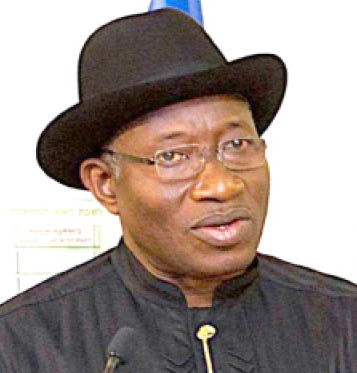
Former President Goodluck Jonathan has called for a deliberate generational shift in African leadership, urging countries across the continent to promote younger leaders between the ages of 25 and 50, whom he described as better suited physically and mentally for the rigours of modern governance.

Jonathan made the call on Thursday in Abuja at the International Memorial Lecture and Leadership Conference marking the 50th anniversary of the assassination of former Head of State, General Murtala Ramat Muhammed.

Reflecting on the intense demands of executive office, the former president recounted that during his time in office, he sometimes slept for less than two hours in 24, underscoring the physical and mental stamina required to lead a nation.
“Why do we begin to think that you must be a hundred years old before you can rule your country?” Jonathan asked.

According to him, leadership requires unusual resilience and endurance, qualities he believes are more readily found among younger leaders.

“If they need to stay awake for 24 hours, they can stay awake for 24 hours. When I was in office, some days I did not sleep up to two hours. If you subject an older person to that kind of stress, the person will spend 50 per cent of the time in hospital,” he said.

Throwing his weight behind Nigeria’s “Not Too Young To Run” movement, which seeks to lower age barriers for elective offices, Jonathan argued that Africa must intentionally create pathways for younger citizens to assume positions of authority.

“We have to reinforce the Not Too Young To Run movement. We have to bring some of these age limits down. If we are looking for people who can run nations in Africa, we should look within the 25 to 50 age bracket. That is when you can be very vibrant, physically strong and mentally sound,” he said.

He also criticised the practice of some public office holders spending extended periods outside their jurisdictions, warning that absentee leadership weakens governance and fuels insecurity.

“In a country like the United States, some governors do not leave their states for four years. But here, some of our governors spend 50 per cent of their time outside.

So who runs the state? Why will we not have security problems? Coming of age must transcend many things. First and foremost, we must have the discipline to manage ourselves,” he added.

Drawing lessons from history, Jonathan said the late General Murtala Muhammed demonstrated that age is not a barrier to decisive and visionary leadership. Muhammed assumed office at 38 and, despite ruling for only 200 days, left what Jonathan described as a profound and enduring legacy.

“General Murtala Muhammed assumed office at the very young age of 38. Despite a tenure of only 200 days, his achievements were profound because he was driven by a clear, unyielding vision. His leadership sent a clear message: leadership was to serve the national interest, not personal ambition,” he said.

He also cited General Yakubu Gowon, who became Head of State at 32 and later established the National Youth Service Corps (NYSC), which remains operational decades later.

“A young man of 32 managed to pull the country through the civil war. So why do we now think leadership must only come at old age?” he queried.

However, Jonathan cautioned that youthfulness alone does not guarantee effective governance. He stressed that discipline, patriotism and strong institutions remain indispensable to democratic leadership.

While acknowledging that military regimes operate by command, he noted that democracy demands persuasion, institutional strength and adherence to the rule of law.

“Democracy requires vision rather than decree. It requires persuasion instead of command. It depends on institutions, not individuals. Above all, it requires respect for the rule of law and the willingness to submit power to the will of the people,” he said.

He urged African leaders to view governance as stewardship rather than entitlement and challenged young people to embrace leadership as service.

“Young people must see leadership as service, not entitlement. Leaders must see governance as stewardship, not a right,” he said.

Jonathan concluded by urging Nigerians and Africans to measure leadership not by longevity in office but by impact.

“As we mark 50 years of General Murtala Muhammed’s legacy, let us remember that leadership is not measured by how long you govern; it is measured by the courage to act decisively when the nation needs direction and by the impact you make on society,” he said.

Ogbuku: NDDC Adopts New Governance Framework To Drive Strategic Impact In 2026

0

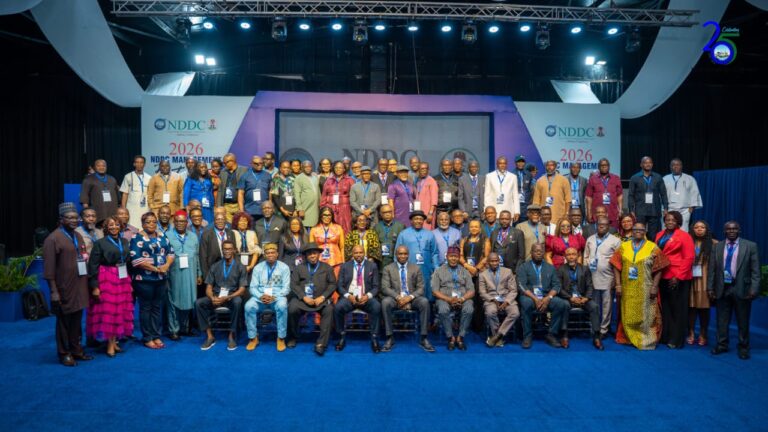
The Managing Director of the Niger Delta Development Commission (NDDC), Dr Samuel Ogbuku, has affirmed that the Commission has commenced implementation of a new Governance Advisory Report as part of efforts to consolidate its performance and reposition the interventionist agency for greater impact in 2026.
Ogbuku disclosed this during a two-day NDDC Management Retreat held at the Landmark Events Centre, Owerri, Imo State, where top officials gathered to review performance and recalibrate strategies for improved project and service delivery.

The retreat, themed “Consolidating Performance and Repositioning the Commission for Strategic Impact in 2026,” had in attendance the Executive Director, Finance and Administration, Alabo Boma Iyaye; the Executive Director, Projects, Dr Victor Antai; the Executive Director, Corporate Services, Otunba Ifedayo Abegunde; as well as directors of the Commission.

According to Ogbuku, the Governance Advisory Report—prepared by global business management consultancy firm, KPMG—is already being implemented to facilitate the Commission’s transition “from transaction to transformation.”

He explained that the report provides a framework for entrenching a new institutional culture rooted in sound ethics and good corporate governance, while strengthening internal processes and operational protocols.

“The 2026 NDDC Management Retreat offers a strategic platform for us to deepen our collective understanding of the Commission’s Standard Operating Procedures (SOP) and code of conduct, which remain the foundation of our service delivery,” Ogbuku said.

“It is an opportunity to reflect on our institutional values, reassess our operational processes, and ensure that our actions consistently align with the Commission’s mandate and the expectations of the public.”

He stressed the need for deliberate efforts to avoid past mistakes, even as he acknowledged that previous experiences have shaped the Commission’s current reality.
Beyond policy engagement, Ogbuku called for renewed commitment to internal cohesion, collaboration and accountability across all levels of the organisation.

“By fostering unity of purpose, improving communication, and reinforcing ethical standards, we can enhance efficiency, promote transparency, and position the Commission to deliver greater impact in the Niger Delta region,” he said, urging participants to see the retreat as a catalyst for innovation, teamwork and sustained institutional excellence.

He further charged directors and board members to strengthen corporate governance practices by clearly defining relationships between the board, management and key stakeholders.

Earlier, the Director of Planning, Research and Statistics, Dr Patterson Ogon, reiterated the Commission’s commitment to sustainable development in the Niger Delta, noting that achieving its mandate requires deliberate planning, strong coordination and a shared sense of purpose.

“This retreat provides a structured platform to set a clear direction for 2026. It offers an opportunity for performance review and stocktaking, particularly regarding project delivery and the Commission’s strategic agenda,” Ogon said.

He added that the gathering would enable management to align priorities, define roles and responsibilities, and establish measurable, action-oriented outcomes.

“Above all, the retreat reinforces our accountability framework and strengthens our performance architecture, ensuring that our collective efforts translate into measurable impact for the people of the Niger Delta,” he stated.

In a presentation titled “Consolidating Organisational Performance Through Human Capital, Change, and Team Alignment,” the Lead Presenter and Director of Studies at the Administrative Staff College of Nigeria (ASCON), Dr Joseph Olugbenga Dada, urged the Commission to prioritise teamwork and robust stakeholder engagement in addressing critical challenges in the region.

He advised the NDDC to sustain reforms aimed at consolidating performance, strengthening governance and repositioning the Commission for greater strategic relevance.

The retreat is part of broader efforts by the Commission’s leadership to deepen institutional reforms and improve delivery of developmental projects across the oil-rich Niger Delta.

Why Fubara Dissolved Rivers Executive Council

0

Rivers State Governor, Sir Siminalayi Fubara, yesterday dissolved the State Executive Council, in what observers describe as a decisive step toward consolidating the recent political rapprochement between him and his estranged political benefactor, Minister of the Federal Capital Territory (FCT), Nyesom Wike.
In a government special announcement signed by the Chief Press Secretary to the Governor, Onwuka Nzeshi, the Governor directed all Commissioners and Special Advisers to hand over immediately to Permanent Secretaries or the most senior officers in their respective ministries.

Fubara also expressed “deepest appreciation” to the outgoing members of the Executive Council, wishing them success in their future endeavours.

The sweeping dissolution comes weeks after a high-level peace intervention reportedly brokered by President Bola Tinubu, which paved the way for a thaw in the prolonged political feud that had polarised the state’s political structure, destabilised governance, and sharply divided the Rivers State House of Assembly.

For nearly two years, Rivers politics had been defined by an intense power struggle between Fubara and Wike, his predecessor and former political ally.

The crisis fractured the State Assembly, triggered parallel legislative sittings, and led to a protracted battle over party structures and control of the political machinery of the state.

The impasse reached a critical stage in 2025, drawing national attention and prompting federal intervention amid fears of escalating instability in the oil-rich Niger Delta state.

However, recent signals from both camps indicated a softening of positions, with party leaders and presidential emissaries working behind the scenes to broker reconciliation.

Political stakeholders say the dissolution of the cabinet is widely interpreted as part of the broader realignment expected to produce a more inclusive executive council reflecting the new political understanding.

Analysts suggest the move may open the door for the reconstitution of the cabinet to accommodate loyalists from both political blocs, thereby stabilising governance and restoring cohesion within the state’s political leadership.

While details of the reconciliation terms have not been made public, the development is being seen as a strategic reset aimed at ending months of acrimony and restoring administrative focus.

With the executive council now dissolved, attention turns to the Governor’s next move — particularly the composition of a new cabinet and whether it will cement the fragile peace forged at the highest level of the Presidency.

For Rivers residents, weary of prolonged political turbulence, the expectation is that the truce — and the cabinet shake-up — will translate into renewed policy drive and improved service delivery.

FCT Polls: INEC Alerts Police, EFCC, ICPC On Vote Buying As Peace Committee Flags Hotspots

0

Chairman of the Independent National Electoral Commission (INEC), Prof. Joash Amupitan, has charged the Nigeria Police, the Economic and Financial Crimes Commission (EFCC) and the Independent Corrupt Practices and Other Related Offences Commission (ICPC) to intensify efforts to curb vote buying and vote trading ahead of the February 21, 2026, Federal Capital Territory (FCT) Area Council elections.

Amupitan gave the charge when a delegation of the National Peace Committee visited the Commission, reaffirming INEC’s resolve to confront electoral malpractice and warning that relevant law enforcement and anti-corruption agencies have been placed on alert.

“We specifically charged the Nigeria Police, the EFCC and also the ICPC to be on guard so that we can arrest the menace of vote buying and what some people call ‘vote trading’,” he said.

The INEC chairman disclosed that the Commission would act swiftly on security intelligence and risk assessments presented by the National Peace Committee, describing the information shared as timely and invaluable.

“You have presented to us a very great piece of information. We are not going to take it for granted. We are going to share this with our security department so that we can take the necessary steps that we are supposed to take,” he said.

Amupitan noted that the Abuja Municipal Area Council (AMAC) would receive “special scrutiny and attention,” alongside Bwari and Kuje Area Councils, based on concerns raised in the Committee’s report.

He described the Peace Accord signed by political parties before elections as a social contract binding political actors to peaceful conduct and acceptance of election outcomes, stressing that electoral activities in 2026 are critical to the Commission’s broader preparations for the 2027 general election.

“It regards 2026 as our preparatory year for the 2027 general election,” he added.

Leader of the delegation, Rev. Fr. Atta Barkindo, apologised for the delay in formally engaging with the new INEC leadership and pledged the Committee’s continued collaboration and strategic support.

“We want to assure the new INEC Chairman that the National Peace Committee is available, open and accessible to working with the Commission—ensuring that the Area Council elections, governorship elections and future state elections ahead of the 2027 general elections are conducted peacefully. We are fully behind the Commission to give it all the necessary support and strategic guidance required,” he said.

Barkindo disclosed that the Committee’s Election Security and Information Hub, launched last year, has established networks and field agents across states to gather data on insecurity, violence and conflict trends, noting that its interventions are evidence-based and guided strictly by verified data rather than partisan considerations.

The Committee identified AMAC, Gwagwalada, Bwari and Kuje Area Councils as potential hotspots requiring heightened vigilance.

According to its findings, AMAC recorded high tendencies for vote buying and threats among political actors, while Gwagwalada was flagged over indigene-settler tensions and a history of political thuggery, particularly in the Jiwa community.

Bwari was described as sensitive due to farmer-herder conflicts, kidnapping incidents and limited security presence in some areas, while Kwali was identified as vulnerable owing to security challenges in adjoining states.

The Committee explained that its data collection framework tracks incidents of election-related violence that may occur before Election Day but could affect the electoral process, as well as electoral offences in line with the provisions of the Peace Accord.

NAFDAC Dismisses Claims Of FG Directive Suspending Sachet Alcohol Ban

0

The National Agency for Food and Drug Administration and Control (NAFDAC) has refuted reports alleging that the Federal Government directed it to suspend the enforcement of its ban on sachet alcohol and small 200ml PET bottle alcoholic drinks.

In a statement, the Director-General of NAFDAC, Prof. Mojisola Adeyeye, described the viral publication as false, misleading and not reflective of any official communication from the Federal Government.
She stressed that the agency had not received any directive ordering the suspension of its regulatory or enforcement actions concerning sachet alcohol products.

“At no time has the Agency received any formal directive instructing it to halt its regulatory or enforcement activities in respect of sachet alcohol products,” she said.

Adeyeye maintained that NAFDAC operates strictly within the ambit of its statutory mandate and in alignment with duly communicated Federal Government policies and directives.

She reiterated the agency’s commitment to safeguarding public health, ensuring regulatory compliance and carrying out its responsibilities transparently, in accordance with established laws and due process.

According to her, any decision affecting national regulatory actions would be formally communicated through official government channels.
NAFDAC urged members of the public, industry stakeholders and the media to disregard the report and rely solely on verified information disseminated through its official platforms and authorised government communication channels.

The agency also cautioned against the spread of unverified information capable of causing unnecessary public anxiety, economic uncertainty or misinterpretation of government policy.

NDDC, REA Seal Pact To Deliver Sustainable Power To Niger Delta Communities

0

The Niger Delta Development Commission (NDDC) has signed a Memorandum of Understanding (MoU) with the Rural Electrification Agency (REA) in a move aimed at expanding access to reliable and sustainable electricity across the Niger Delta region.

A statement signed and issued by Seledi Thompson-Wakama,
Director, Corporate Affairs of the NDDC stated that the agreement, signed at the headquarters of the REA in Abuja, underscores renewed efforts by both federal interventionist agencies to strengthen institutional collaboration and accelerate development in underserved communities.

Speaking at the ceremony, NDDC Managing Director, Dr Samuel Ogbuku, described the pact as a strategic step towards fulfilling the Commission’s vision to “light up the Niger Delta” and align with national priorities on distributed energy expansion.

According to him, the agreement goes beyond a formal document and represents a shared institutional responsibility to deliver reliable energy solutions that will enhance livelihoods, stimulate local economies and broaden opportunities across the nine Niger Delta states.

“Electricity remains a critical enabler of national development. It supports job creation, healthcare delivery, education and inclusive economic growth,” Ogbuku said, noting that the collaboration would help unlock the economic potential of rural communities while advancing broader national development objectives.

He added that the NDDC has consistently adopted partnership-driven approaches in executing projects in the region and is prepared to support the implementation of the MoU by leveraging its community presence, planning expertise and infrastructure development capacity.

Ogbuku reaffirmed the Commission’s commitment to working closely with the REA to ensure timely and effective execution of the agreement.

The NDDC delegation included the Executive Director, Projects, Dr Victor Antai; Executive Director, Corporate Services, Otunba Ifedayo Abegunde; Director, Legal Services, Mr Victor Arenyeka; Director, Finance and Supply, Mrs Kunemofa Asu; and Director, Liaison Office Abuja, Mrs Mary Nwaeke.

In his remarks, the Managing Director of the REA, Dr Abba Abubakar Aliyu, described the MoU as a natural collaboration between two agencies with complementary mandates.

Aliyu said the partnership reflects a shared commitment to expanding access to reliable and sustainable electricity in rural and underserved communities, while leveraging renewable energy solutions to stimulate economic growth and improve social services.

“This is more than a document. It is a clear statement of readiness to move decisively in delivering reliable and sustainable power to communities that have waited too long for stable electricity,” he said.

He emphasised that the Niger Delta remains central to Nigeria’s economic fortunes and must be supported by infrastructure capable of driving productivity, enterprise and improved living standards.
Aliyu also commended the leadership of the NDDC for advancing the collaboration and demonstrating commitment to its implementation.

FG Orders NAFDAC To Suspend Enforcement Of Sachet Alcohol Ban

0

The Federal Government has ordered the National Agency for Food and Drug Administration and Control (NAFDAC) to suspend all enforcement actions relating to the proposed ban on sachet alcohol and 200ml PET-bottle alcoholic products.

In a statement issued on Wednesday in Abuja, the Special Adviser on Public Affairs to the Secretary to the Government of the Federation (SGF), Terrence Kuanum, directed the agency to immediately halt the sealing of factories and warehouses in connection with the contentious policy.

The order follows a joint intervention by the Office of the SGF and the Office of the National Security Adviser, which raised concerns about the security implications of continued enforcement in the absence of a fully implemented National Alcohol Policy.

“Accordingly, all actions, decisions or enforcement measures relating to the ongoing ban on sachet alcohol are to be suspended pending the final consultations and implementation of the National Alcohol Policy and the issuance of a final directive,” the statement said.

Mr Kuanum said that although the National Alcohol Policy had been signed by the Federal Ministry of Health in line with the directive of President Bola Tinubu, both offices insisted that NAFDAC must refrain from enforcement until the policy is fully operational and further guidance is issued.

The government listed measures that must be suspended, including factory shutdowns, warehouse sealing and public emphasis on the ban, warning that the continued sealing of warehouses and what it described as a “de facto ban” on sachet alcohol products, without a harmonised policy framework, was causing economic disruptions and posing security risks.

According to the statement, the actions had adversely impacted jobs, supply chains and informal distribution networks nationwide.

Kuanum noted that the position reinforced an earlier directive issued by the SGF’s office in December 2025, which had similarly suspended all enforcement actions pending stakeholder consultations and a final decision.

He also referenced a letter dated November 13, 2025, from the House of Representatives Committee on Food and Drugs Administration and Control, signed by Deputy Chairman Hon. Uchenna Okonkwo, which raised concerns over NAFDAC’s proposed enforcement and highlighted existing National Assembly resolutions on the matter.

The Federal Government said it was reviewing legislative resolutions, public health considerations, economic implications and national interest factors surrounding the issue. It added that the involvement of the National Security Adviser underscored the wider implications, cautioning that premature enforcement without a coordinated policy framework could destabilise communities, exacerbate unemployment and trigger security challenges.

The statement assured Nigerians and industry stakeholders that a final decision would be communicated after comprehensive consultations and inter-agency coordination, in the interest of public health, economic stability and national security.

Evo Monarch Throws Weight Behind RIVCHPP, Urges Strengthening Of PHC In Rivers

0

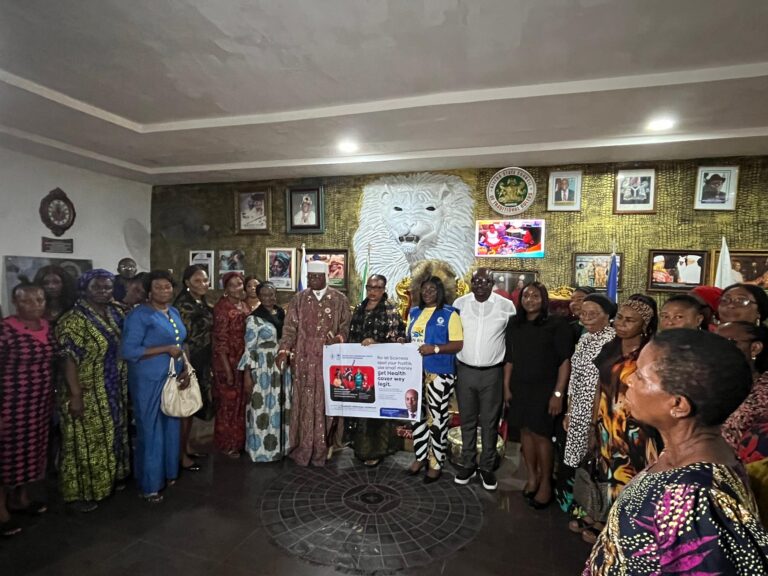
The monarch of Evo Kingdom in Rivers State, Eze (Dr) Leslie Eke, has thrown his weight behind the Rivers State Contributory Health Protection Programme (RIVCHPP), describing it as a laudable initiative that promises to ease residents’ access to quality healthcare without the burden of crippling out-of-pocket expenses.

The royal endorsement came on Tuesday during an advocacy visit by the management of the Rivers State Health Insurance Agency, led by its Executive Secretary/Chief Executive Officer, Dr Vetty Agala, to the monarch’s palace in Woji Town.

Eze Leslie Eke exchanging pleasantries with Dr. Vetty Agala while the Queen of Evo kingdom watched.

Speaking during the interactive session, leaders and stakeholders of Evo Kingdom commended the state government for making the health insurance scheme functional, noting that it represents a significant step towards improving healthcare delivery in the state.

The monarch and his cabinet, however, called for intensified sensitisation and stronger collaboration with community leaderships across the state to deepen awareness and ensure that those who need the scheme most are adequately captured.

While applauding the initiative, members of the community expressed concern over what they described as poor services in some primary healthcare centres. They stressed the urgent need to strengthen primary health facilities to enable residents fully benefit from the programme and other health policies of the state government.

The Evo people also expressed appreciation to Governor Siminalayi Fubara for prioritising the health sector and assured the RIVCHPP management of their readiness to key into the scheme.

Dr. Vetty Agala, Executive Secretary of RIVCHPP, handing over a letter to His Majesty, Eze Leslie Eke during an advocacy visit.

Among those who spoke at the event were Ruwhuoma Nnodi Paul, Queen Obunezi Eke, Mrs Sylverline O. Ejims, Rev. Dr Margaret Mbu, Chief Samuel Owoh and Dr Stanley Amadi.

Earlier, Dr Agala outlined the structure, benefits and operational framework of the RIVCHPP, assuring the community that services rendered through accredited facilities are of high standard and accessible to all residents.
She also addressed concerns about the sustainability of the scheme, maintaining that the programme is designed as a long-term intervention to guarantee that Rivers residents can access quality healthcare services without heavy financial strain.

The RIVCHPP boss expressed gratitude to Governor Fubara and the Commissioner for Health, Dr Adaeze Oreh, for their commitment to the health and wellbeing of residents. She urged all residents of the state to enrol in the scheme and take advantage of its benefits.

The visit featured the presentation of RIVCHPP kits and informational materials to the monarch and members of his cabinet.

Port Harcourt-Bound Arik Air Flight Makes Emergency Landing After Engine Scare Mid-Air

0

An Arik Air flight bound for Port Harcourt was forced to make an emergency diversion on Wednesday morning after the crew reported an engine malfunction while descending into the Rivers State capital.

The Boeing 737-700 aircraft, registered 5N-MJF and operating Flight W3 740 from Lagos, encountered trouble mid-air when pilots heard a loud bang from the left engine during approach to Port Harcourt International Airport, Omagwa.

In line with standard safety procedures, the flight crew diverted the aircraft to Benin Airport as a precautionary measure.

The plane landed safely without further incident.
All 80 passengers and crew members on board disembarked without injury, the airline confirmed.

Arik Air said arrangements had been made to transport the affected passengers to Port Harcourt, their original destination.

In a statement issued after the incident, the airline’s Public Relations and Communications Manager, Adebanji Ola, apologised for the disruption and reiterated the carrier’s commitment to passenger safety.

“The safety and wellbeing of passengers is always our priority at Arik Air. We sincerely apologise to the affected Port Harcourt passengers whose journey has been disrupted,” the statement said.

The aircraft is expected to undergo technical checks as part of standard post-incident procedures.

Wike Hails Tinubu’s Intervention, Says Rivers Crisis Nears End

0

The Minister of the Federal Capital Territory (FCT), Nyesom Wike, has declared that the protracted political crisis in Rivers State is close to a permanent resolution, following the intervention of President Bola Tinubu.
Speaking to journalists in Abuja on Tuesday after inspecting ongoing projects in the FCT, Wike expressed confidence that the president’s mediation had effectively quelled tensions between the executive and legislative arms of government in the state.

He described President Tinubu as a unifying national figure whose decisive leadership was instrumental in restoring calm.

“I believe that, by the grace of God, this will be the last time the president will be bothered with this issue, and the last time the people of Rivers State will hear of this kind of discord,” Wike said.

Emphasising the authority of the president’s role, the former Rivers State governor noted that Tinubu’s counsel carried binding weight for all parties involved.

“The president is the father of the nation, and when a father speaks, his children must listen and do what is necessary to ensure peace and stability,” he added.

Wike expressed optimism that the Rivers State House of Assembly and Governor Siminalayi Fubara would act in good faith to uphold the agreement reached during the peace talks.

“The House of Assembly will do what they are supposed to do, and I am confident that the governor will also carry out the acts required of him to ensure that this peace is sustainable,” he said.

According to Wike, the overriding priority must now be stability and development in Rivers State, rather than prolonged political confrontation.

“The most important thing is for Rivers State to move forward, and we are grateful to Mr President for his tireless commitment to ensuring that we reach this understanding,” he stated.

The political crisis in the state escalated after the Rivers State House of Assembly, perceived to be loyal to Wike, initiated impeachment proceedings against Governor Fubara.

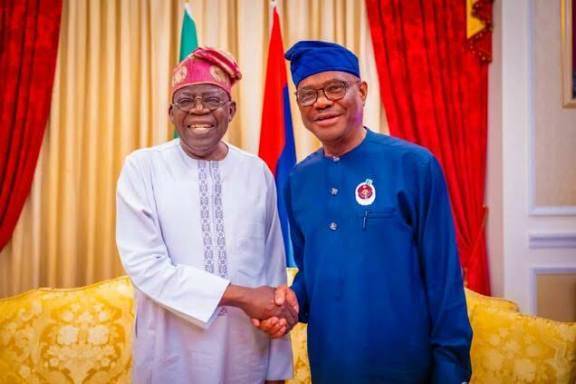
In a bid to resolve the impasse, President Tinubu on Monday summoned Wike and Fubara to the Presidential Villa, where he personally mediated between the contending parties.