
Home Blog Page 152

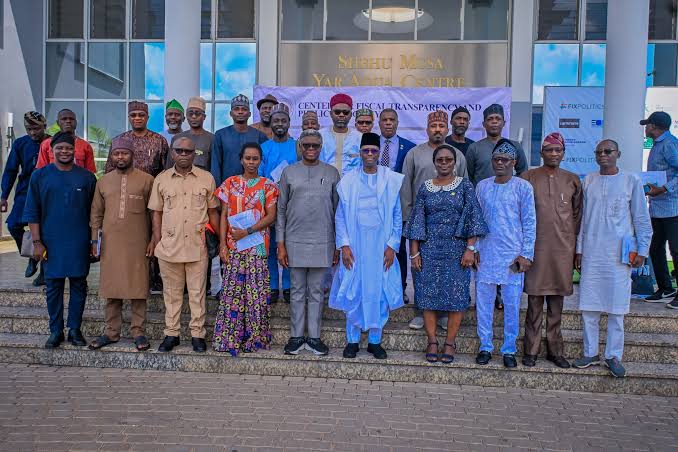
751 LGAs Lagging Behind In Fiscal Transparency, Accountability – Report … Recommends LGAs To Be Placed Under EFCC/ICPC Monitoring

0

A report tagged “the Nigerian Local Government Integrity Index (NLGII)” which assessed governance and corruption risk across Nigeria’s 774 Local Government Areas has revealed that 751 LGAs are lagging behind in fiscal transparency, accountability and pose high risk of corruption.

The inaugural report released by the Center for Fiscal Transparency and Public Integrity provides an evidence-based assessment of governance and corruption risks across all 774 Local Government Areas, and sheds light on the state of accountability at the grassroots.

It also documents the lack of integrity at the local level, provides a framework for reform, citizen engagement, and institutional renewal.

The findings show that 85% of LGAs fall within the “Very High” or “Critical” risk categories, characterized by opacity, weak enforcement, and poor service delivery outcomes.

The report further called on federal and state governments to respect constitutional provisions for LGAs to proactively embrace transparency, for civil society and the media to demand accountability, and for citizens to insist that their leaders serve with integrity.

It also highlights the need for robust oversight, capacity building, and the embedding of digital tools to close avenues for corruption and inefficiency.

Methodology/ranking

The Report assessed the local governments based on eight core data pillars. The first pillar focuses on Fiscal Transparency & Accountability, FOI Responsiveness, Document Availability, Binary check for PDFs of Budget, Expenditure, Audit Reports, and Procurement Plans on any known platform.

The second pillar focuses on Fiscal Resources & Opportunity especially on FAAC Allocation (0-50) while the third pillar focuses on Anti-Corruption Enforcement just as the fifth pillar centers on Post-Election Governance & Sustainability like Financial Autonomy, Evidence of direct receipt of FAAC allocation into an LGA-controlled account and Operational Independence.

Pillar five focuses on Civic Oversight & Media Freedom while pillar six focuses on Public Service Delivery Outcomes and Pillar seven centers on Digital Infrastructure & E-Governance.

Pillar Eight focuses on security & Stability of Environment

Based on the final aggregated score, LGAs were classified into Critical risk, very high risk, high risk, moderate risk and ow relative risk

On the risk distribution, 155 local governments were categorized as critical risk representing 20%. Subsequently, 503 local governments were categorized as very high risk representing 65%, 93 local governments were categorized as high risk representing 12 per cent.

Also 19 local governments were classified as moderate risk representing 2.5 per cent and just 4 local governments were classified as low risk representing 0.5 per cent.

Under the ranking Tier 5 falls in Critical Risk LGAs with 155 LGAs with high financial inflows, absolute opacity, no enforcement, and operating in high-insecurity environments.

Their newly elected governments are extremely vulnerable to co-option by criminal networks or intimidation by non-state actors.

Examples of such local governments are Port Harcourt (Rivers), Southern Ijaw (Bayelsa), Ohaji/Egbema (Imo), Magu (Niger).

The report recommended the deployment of a special security and governance task force to protect LGAs’ officials and ensure they receive their FAAC allocations directly, without interference and also place these LGAs under mandatory EFCC/ICPC monitoring, requiring quarterly audited financial reports.

In the same vein, Tier 4 LGAs categorised under Very High Risk LGAs were 503 and characterized by minimal transparency and a long history of corruption. The newly elected councils are at high risk of being manipulated by state governments or captured by local godfathers.

Examples are all LGAs in Oyo, Ogun, Edo, Enugu, Ebonyi, Benue among others.

The report recommended the launch of mass education programs on the Supreme Court ruling and the right to demand financial autonomy and transparency, while urging CSOs should file FOI requests and lawsuits to compel state governments to disclose FAAC disbursement records and also provide large-scale training for new council members on public financial management.

Tier 3 categorised as High Risk LGAs were 93 LGAs. According to the report, these LGAs show sporadic compliance. They have elected governments but remain vulnerable to pressure and backsliding into old habits.

Examples are Kaduna North, Jos North, Ado-Ekiti, Akure South.

Subsequently, the report recommended the use of financial autonomy to deliver visible, popular projects to build public trust and also facilitate partnerships and mentorship programs with LGAs.

Tier 2 were categorised as Moderate Risk LGAs with 19LGAs and have Positive outliers with proactive transparency e orts and functional autonomy. They can become national models.

Examples are Ikeja (Lagos), Dutse (Jigawa), Ke i (Nasarawa), AMAC (FCT).

The report recommended Pioneer Advanced Practices, implementation of open contracting, live budget dashboards, and digital citizen feedback platforms. And also formalize mentorship programs

Tier 1 is categorized under Low Relative Risk LGAs and were 4 LGAs and serve as The national benchmarks for transparency and accountable governance. Example is Nasarawa LGA (Nasarawa).

The report recommended that it works with the CFTPI and OAGF to develop a “Local Government Good Governance Blueprint” and transition into a formal advisory body, providing testimony to the National Assembly.

How LGAs rank

Under Tier 1 which are low relative risk, they include Nasarawa local government in Nasarawa state and local governments in Kaduna State, noting that they have promising reforms needing consolidation as well as local governments in Jigawa State.

For Tier 2 which are moderate risk, they include local governments in Lagos state like Ikeja, Surulere, Alimosho, Lagos Island, Apapa, AmuwoOdofin, Eti-Osa, Kosofe, Somolu, Oshodi-Isolo

For Jigawa state, it features Dutse, Hadejia, Kazaure, Ringim, Gumel, Birnin Kudu

For TIER 3 which are high risk, it includes Kaduna North, Kaduna South, Zaria in Kaduna state while in Plateau State, we have Jos North, Jos South, Jos East.

In Ekiti State there is Ado-Ekiti, Ikere, Ikole while Ondo State has Akure South, Ondo West, Owo while Cross River State jas Calabar Municipal, Calabar South.

In Niger State there is Minna, Suleja, just as Kano State has Kano Municipal, Fagge, Dala and Nassarawa.

In Ogun State, there is Abeokuta South, Ado-Odo/Ota while Lagos State has Badagry, Ikorodu, Epe

Under TIER 4: which is very high risk, this encompasses the majority of LGAs in Abia State (All 17 LGAs), Adamawa State (All 21 LGAs), Akwa Ibom State (All 31 LGAs), Anambra State (All 21 LGAs), Bauchi State (All 20 LGAs), Benue State (All 23 LGAs), Cross River State (Remaining 16 LGAs), Delta State (All 25 LGAs), Ebonyi State (All 13 LGAs), Edo State (All 18 LGAs), Enugu State (All 17 LGAs), Gombe State (All 11 LGAs), Jigawa State (Remaining 21 LGAs), Kano State (Remaining 40 LGAs), Kebbi State (All 21 LGAs), Kwara State (All 16 LGAs), Nasarawa State (Remaining 9 LGAs: Awe, Doma, Keana, Kokona, Lafia, Nasarawa Egon, Obi, Toto, Wamba), Ogun State (Remaining 18 LGAs), Ondo State (Remaining 15 LGAs), Osun State (All 30 LGAs), Oyo State (All 33 LGAs), Taraba State (All 16 LGAs), Yobe State (All 17 LGAs), Lagos State (Remaining 10 LGAs): Ajeromi-Ifelodun, Agege, Ifako-Ijaiye, Ikorodu, Lagos Mainland, Mushin, Ojo, Oshodi-Isolo, Shomolu, Surulere.

In TIER 5 which are critical risk, Borno State has Abadam, Askira-Uba, Bama, Chibok, Damboa, Gubio, Guzamala, Gwoza, Hawul, Jere, Kaga, Kala-Balge, Konduga, Kukawa, Mafa, Magumeri, Maiduguri, Marte, Mobbar, Monguno, Ngala, Nganzai, Shani

Imo State has Ohaji/Egbema, Oguta, Ideato North, Ideato South, Isu, Njaba, Nkwerre, Nwangele, Obowo, Orlu, Oru East, Oru West, Owerri West, Ehime Mbano, Ihitte-Uboma, Okigwe, Onuimo, Mbaitoli, Ikeduru, Aboh Mbaise, Ahiazu Mbaise, Ezinihitte, Ngor-Okpala, Isiala Mbano.

In Kaduna State, there are Birnin Gwari, Chikun, Giwa, Igabi, Ikara, Kubau, Kudan, Kajuru, Sanga, Zangon Kataf, Kauru and Lere

Katsina state has Batsari, Dandume, Danmusa, Faskari, Jibia, Kankara,

Sabuwa, Safana, Dutsin-Ma, Kurfi, Matazu, Rimi, Musawa, Malumfashi, Kafur, Danja, Bakori, Funtua

Kogi State has Dekina, Ankpa, Ofu, Olamaboro, Omala, Idah, IgalamelaOdolu, Bassa, Lokoja, Koton Karfe, Ajaokuta, Okene, Ogori-Magongo,

Adavi, Okehi, Ibaji, Kabba-Bunu, Ijumu, Mopa-Muro, Yagba West, Yagba East

Also, in Niger State: Magu, Mashegu, Rafi, Shiroro, Munya, Paikoro, Rijau,

Wushishi, Agwara, Borgu, Kontagora, Mariga, New-Bussa, Edati, Gbako, Lavun, Mokwa, Agaie, Lapai, Gurara, Suleja, Tafa, Bida, Katcha, Chanchaga

In Rivers State: Port Harcourt, Obio-Akpor, Ikwerre, Etche, Eleme, Gokana,

Khana, Oyigbo, Tai, Ahoada West, Ahoada East, Ogba-Egbema-Ndoni, Abua-Odual, Andoni, Akuku-Toru, Asari-Toru, Degema, Emohua, OguBolo, Okrika, Omuma, Opobo-Nkoro

In Sokoto State, there are Goronyo, Gudu, Isa, Kebbe, Rabah, Sabon Birni, Wurno, Binji, Bodinga, Dange-Shuni, Gada, Goronyo, Gudu, Illela, Kware, Wamako, Yabo

In Zamfara State, it has Anka, Bakura, Birnin Magaji/Kiyaw, Bukkuyum, Bungudu, Gummi, Gusau, Kaura Namoda, Maradun, Maru, Shinkafi, Talata Mafara, Zurmi

Lastly, Bayelsa State has Southern Ijaw, Brass, Ekeremor, Kolokuma-Opokuma, Nembe, Ogbia, Sagbama, Yenagoa

Urgent need to tighten loose ends – CEPTI

Speaking on the report, the Executive Director at CEPTI, Dr. Umar Yakubu said the report provides the “first nationwide corruption and governance risk assessment of local councils”.

According to the findings, 85 percent of Nigeria’s LGAs face “very high or critical risk due to poor governance, opacity, weak enforcement, and failing services”.

Yakubu said the index identifies priority areas where reforms and interventions are needed, covering eight governance pillars.

He added that beyond autonomy, capacity building and training remain essential if LGAs are to deliver basic services.

“What the index has just done is to practically look at those areas where interventions are needed,” Yakubu said.

“There are things that need to be taken into consideration so that the local governments can effectively deliver what they are supposed to deliver to the people,” he said.

He noted that transparency in Nigeria follows a tiered pattern, with federal institutions showing the most openness, states following, and local governments lagging significantly behind.

The framework, he said, aims to bridge that gap by setting benchmarks that councils can adopt to strengthen governance.

Yakubu recommended that enforcement agencies like the Economic and Financial Crimes Commission (EFCC), the Independent Corrupt Practices and Other Related Offences Commission (ICPC), and the Code of Conduct Bureau should pay closer attention to councils in tiers 4 and 5, where risks are most severe.

Meanwhile, the Chairman of the Independent Practices and Other Related Offences Commission (ICPC), Dr. Musa Adamu Aliyu, SAN, has reiterated the Commission’s commitment to strengthening institutional frameworks across Nigeria’s 774 LGAs.

The ICPC Chairman commended the initiative, describing it as a timely and valuable tool for deepening transparency and accountability at the grassroots.

He noted that the Commission would carefully study the findings and integrate some of the report’s innovations into its own recently launched programme—Accountability and Corruption Prevention in Local Governments (ACCP-LG).

“We shall take a cue from this Index Report, particularly the issues that touch on transparency, accountability, and local government finances. The Commission will review the findings thoroughly and determine how to fuse the novel ideas highlighted into our ACCP-LG initiative.

Our goal is to strengthen institutional frameworks in local governments, ensuring they deliver impactful and effective services to the people,” Dr. Aliyu said.

In Nigeria, workers can now earn US Dollars by acquiring domain names for low and have it resold for as much as $18,000 (nearly ₦30Million naira) profit monthly. Top beneficiaries are Civil and Public servants,

New Tax Stamp: Brewing Industry Raises Alarm Over Inflation Risk

0

The nation’s brewing industry has warned the Federal Government that the implementation of new tax stamps could further worsen inflation, drive up production costs, reduce consumer demand, and put additional pressure on an already fragile market.

The industry described the policy as “counterproductive,” emphasizing that it poses operational challenges and financial risks that could hinder economic growth.

Abiola Laseinde, Executive Director of the Beer Sectoral Group of the Manufacturers Association of Nigeria (MAN), highlighted how inefficient the tax stamp system could be, leading to unnecessary setbacks in production and distribution, inventory gaps, and increased operational overheads.

“The industry is concerned that this proposal is coming at a time when operators are already grappling with rising excise rates, foreign exchange volatility, and high inflation — making the additional burden of implementing tax stamps a serious threat to business,” she said.

Laseinde explained that the brewing industry is not prone to illicit trade, noting that tax stamps are unnecessary. She added that the brewing process is already complex, with products that are bulky and have low resale value — making counterfeiting largely unprofitable.

She further emphasized the accountability and transparency of the brewing sector, stating that it maintains auditable records, strict compliance with digital counters, and on-site customs officers.

“Most recently, the Nigeria Customs Service (NCS) successfully launched and piloted the B’odogwu Automated Excise Reporting System (ERS) — a modern platform that digitizes excise administration. ERS replaces manual registers with an automated process that tracks production volumes and excise computation in real time, enhances compliance monitoring through full transparency, and creates an auditable digital trail that reduces leakages and inefficiency,” she explained.

Laseinde, therefore, urged the federal government to reverse the tax stamp policy to prevent disruptions to production, jobs, and revenue. She advised the government to instead strengthen existing systems such as the Customs Service’s ERS and the FIRS e-invoicing system, which she described as efficient, transparent, and locally developed.

She affirmed that the industry remains committed to supporting government revenue generation under effective frameworks and is keen on protecting both the government’s interests and business sustainability without unnecessary operational hurdles.

By Miracle Chidinma Amaechi

TETFund Hosts National Townhall Meeting To Deepen Public Engagement

0

The Tertiary Education Trust Fund (TETFund) says it has concluded plans to host a national town-hall meeting aimed at strengthening transparency, accountability, and stakeholder engagement in tertiary education sector.

This is contained in a statement in Abuja on Monday, by Dr Mansur Liman, Special Assistant to the Chairman of the TETFund Board of Trustees.

Liman said that the event scheduled to hold on Wednesday in Abuja, would be chaired by the Chairman, Board of Trustees, TETFund, Alhaji Aminu Masari.

He said that the meeting would provide an avenue for open dialogue between TETFund and key education stakeholders.

According to him, the meeting will also highlight the Fund’s achievements and impact on Nigeria’s tertiary education landscape.

”This initiative underscores TETFund’s commitment to accountability and inclusiveness in the discharge of its mandate.

”This town-hall meeting will serve as an important platform to bridge the gap between TETFund and the Nigerian public, ensuring that our mandate and interventions are better understood and appreciated nationwide.”

Liman added that the meeting would feature two keynote presentations from leading education experts.

He said that expected participants include policymakers, academics, civil society representatives, students, and members of the general public.

“The interactive sessions will allow attendees to engage directly with TETFund leadership and share suggestions for improving the Fund’s operations and interventions,” he said.

10 Job Search Apps to Boost Young Graduates Career in Today’s Labour Market

0

In a fast-changing employment landscape, having the right tools can make all the difference. Whether you’re seeking full-time roles, freelancing gigs, or remote opportunities, job search apps give you the leverage to find, apply, and manage your career path from your phone or tablet. Here are 10 top apps (some international, some Nigeria / Africa-oriented) that can help you surf toward a breakthrough in the labour market.
1. LinkedIn
What it does well: LinkedIn is more than just a job board; it’s a professional social network. You can build a profile that reflects your experience, skills, and ambitions. Recruiters often search LinkedIn directly.
Key features: Job alerts, networking with peers and leaders, being visible to recruiters, sharing content to show your expertise.
How to use it effectively: Keep your profile up to date, request recommendations, engage (posts/comments) to broaden visibility. Be proactive in connecting with hiring managers or people at companies you want to work for.
2. Indeed
What it does well: Very large database of job listings globally (including many in Nigeria), with filters for location, salary, job type, remote vs. on-site.
Key features (mobile app): saving jobs, job alerts, personalized job feed that matches your searches or profile.
Tips: Use job alerts so you’re notified the moment a relevant position is posted. Tailor your search keywords well to avoid irrelevant postings. Also, research companies via reviews to avoid low-quality opportunities.
3. Jobberman (for Nigeria)
What it does well: Localized job listings, good fit for Nigerians and people in neighbouring markets. It helps match jobseekers to roles based on their experience, preferred location, and skills.
Key features: The Jobberman Jobs app lets you apply through mobile, upload your CV easily, set up job alerts, save jobs for later, and get notifications.
Why it helps: Because it’s local, employers and roles are more context-relevant. Transport, cost of living, and industry terms are more aligned with what you know. It’s good for networking with local companies, too (via event listings or posts).
4. Upwork
What it does well: Mainly for freelancers. Great for remote projects in writing, design, programming, consulting, etc. If you want to build a side income or shift into freelancing full time, Upwork is a strong platform.
Key features: You can post profiles, submit proposals, manage contracts, send/receive messages and feedback, and track project progress on mobile.
Tips: Build a strong portfolio. Be selective in applications (quality > quantity). Check payment verification & client feedback carefully to avoid scams. Use the app’s notification features to respond fast.
5. Freelancer.com
What it does well: Similar to Upwork: many short-term, project-based opportunities across many fields. Great for building experience, earning remotely.
Key features: Mobile app for applying to jobs, chatting with clients, tracking project progress; desktop tools, too, like time tracker for hourly jobs.
Tips: Review clients’ past work carefully. Use contests or small jobs to build credibility. Don’t undersell yourself; over time, you can build up to higher paying gigs.
6. Glassdoor
Why it matters: Knowing what you might accept before applying is just as important as finding the job. Glassdoor gives you inside information: company reviews, salary ranges, and interview reports.
How to use it: Compare offers, see what employees say about culture & management, prepare for interview questions that past candidates report, and set realistic salary expectations.
7. ZipRecruiter
What it does well: Intelligent matching & alerts. Its algorithm suggests jobs, lets you apply quickly, and tracks application status. Good user interface.
Why it helps: Saves time and reduces the barriers of applying to multiple jobs manually. Helps you discover roles you might have missed.
8. Local/National Government or NGO Job Boards
What to look for: In many countries, there are specific apps or services for public sector jobs (civil service, safety corps, education, etc.). These may be less flashy but often very stable roles.

Why they help: Less competition in some cases, benefits, and sometimes local preference. Also, being familiar with the app/board increases your credibility.
9. Gig / Micro-task Apps
Examples: Apps that list short-term or micro tasks — e.g., delivery, errands, freelance micro-services.
Why they matter: Even if they’re not your dream job, they help with income, skill building, and client reviews, and they keep you active professionally. Sometimes, these tasks lead to bigger projects.
10. Career Learning & Assessment Apps
What they do: Not strictly job search, but help you increase your chances by improving your skills: courses, assessments, CV builders, interview prep, etc.
Why they boost your career: Employers often shortlist people who show continuous improvement & relevant skills. A stronger CV + profile = more callbacks.
How to pick: Choose ones that are recognized in your industry, offer certificates, are affordable/local or free, and match the gaps in your profile.

How to Get the Most Out of Job Search Apps

1. Be consistent — check daily or several times per week. New roles are posted all the time.

2. Tailor your applications — generic CVs or cover letters are more likely to be ignored. Align with each job’s requirements.

3. Set alerts — let apps notify you when jobs match your criteria appear.

4. Keep your profile polished — good photo, clear work history, list of skills, maybe some recommendations.

5. Network & follow up — even via apps, try to build connections. Reach out, message people, and comment on posts. Many jobs are won from who you know as much as what you know.

6. Watch out for scams — never pay to apply for jobs or for interviews. Verify company legitimacy (look for company website, physical address, reviews).

Conclusion
In the modern labour market, job search apps are powerful tools—but they’re just that: tools. The breakthrough often comes when you combine them with continuous learning, networking, and persistence. Whether you use LinkedIn, Indeed, Jobberman, Upwork, or something else, using them smartly will increase your chances of landing the job that moves your career forward.


-Gold Dienye-Jaja

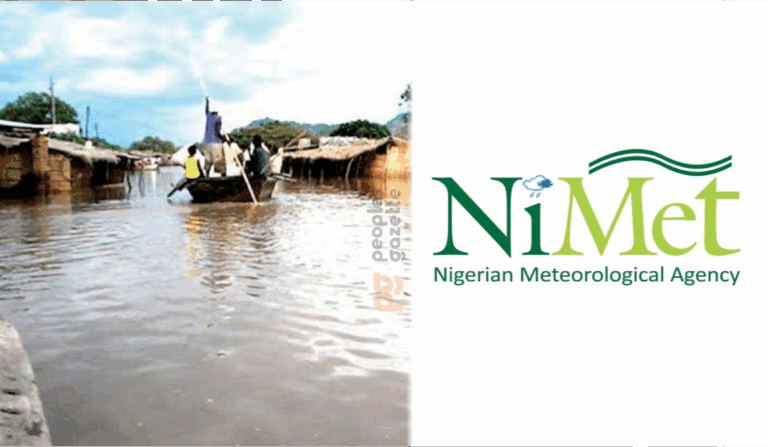
‎NiMet Forecasts 3-Day Thunderstorms, Rain Across Nigeria

The Nigerian Meteorological Agency (NiMet) has predicted rainy and thundery weather conditions across Nigeria from Monday to Wednesday.

NiMet’s weather outlook released on Sunday in Abuja envisaged thunderstorms with moderate rainfall over parts of Jigawa, Zamfara, Kano, Kaduna, Bauchi, Yobe, and Katsina in the northern States on Monday morning.

The agency predicted rains in Kebbi, Adamawa, and Taraba later in the day.

‎“Flash floods are possible in Bauchi, Jigawa, Katsina, Kaduna, and Kano States during this period.

‎“Central States like Niger, Benue, the Federal Capital Territory (FCT), Plateau, and Nasarawa will see morning cloudiness and light to moderate rainfall, with a high risk of flooding in parts of Plateau.

‎“In the South, light to moderate rains will affect Ondo, Imo, Abia, Enugu, Ebonyi, Anambra, Edo, Delta, Bayelsa, Rivers, Cross River, and Akwa Ibom,”it said.

NiMet envisaged sunny skies with patchy clouds on Tuesday in the Northern with thunderstorms and rains persist in parts of Adamawa, Taraba, and neighboring States.

“Central and southern regions will continue experiencing moderate rainfall.

“On Wednesday, sunshine with thunderstorms are expected over northern States in the morning while cloudy skies and moderate rains is expected over central region.

“Southern States, including Ebonyi, Akwa Ibom, Rivers, and Cross River, will experience morning showers and moderate to heavy rains later in the day,” it said.

The agency cautioned residents in flood-prone areas to activate emergency responses, avoid driving during heavy rains, secure loose objects, and take precautions against strong winds and low nighttime temperatures.

NiMet urged the public to disconnect electrical appliances during storms and avoid shelter under tall trees.

‎“Airline operators are advised to obtain airport-specific weather reports for safe planning. Residents can visit www.nimet.gov.ng for weather updates.

Nigerian Press Council Received only Seven Complaints On Unethical Conducts In Three Years …Restates Commitment To Deliver On Mandate

0

Dr. Dili Ezughah, the Executive Secretary of the Nigerian Press Council (NPC), says the organisation is committed to deliver on its mandate of sanitising the print media and training of journalists.

Ezughah stated this in an interview in Abuja where he stated that between 2023 and 2025, the Council received only seven complaints from members of the public on unethical publications against them.

He explained that the NPC was established by the NPC Act, CAP N128, Laws of the Federation 2004, adding that the mandate of the Council is to promote high professional standards for Nigerian Press.

He further stated that the Council was also expected to inquire and entertain complaints from members of the public about unethical conduct of journalists and unethical publications.

“Also, we inquire into acts by members of the public that hinders the dissemination of information or performance of duties of journalists in the country.

“These are enshrined in section 16 of the NPC Act
about complaints; and these complaints have procedures. You can only complain when something unethical is published about you, especially in the print media which we regulate.

“First, the complainant has to draw the attention of the media house to the alleged offensive publication, and if he or she is not satisfied, then the complaints can be directed to the NPC.

“When we receive a complaint, we forward it to the Legal and adjudication Unit of the Council, but if there is a board, it is forwarded to the board.
“We can then try to broker peace by writing the media house involved, but if the media house retracted the article, tender apology to the complainant or the matter is in court, we don’t act.

“However, we are committed to continue to carry out our lawful duty to deliver on our mandate and sanitise the print media to ensure that complaints on unethical publications by print media is reduce to the minimum, ” Ezughah said.

He further stated that the NPC had held workshops for journalists in Bauchi for North East, Karu for North Central and Lagos for South West Regions of the country, adding that other regions would benefit before the end of the year.

According to the NPC boss, the essence of workshops is to inculcate the sense of ethical compliance among media professionals, journalists, and practitioners.

“This is because if they abide by the ethics of the profession, they would uphold a high professional standard, devoid of unethical practices that will bring about complaints.
“This is because complaints arise when reporter breaches any of the ethics; either accuracy, objectivity, balance, and the rest of them.

“So, since the establishment of the Council, we have been training and retraining journalists till date. We have never relented in going round and organising workshops and trainings for journalists.
“Most of our trainings are based on ethics and the need for journalists to comply with the ethics of the profession,” Ezughah said.

Imisi Wins Big Brother Naija Season 10, Smiles Home With N150m

Imisioluwa Ayanwale, popularly known as Imisi, has emerged as the winner of the Big Brother Naija (BBNaija) Season 10 reality TV show, which ended on Sunday night.

The show host, Ebuka Obi Uchendu, announced Imisi, the reality-TV sensation, who has been the talk of the town since the show’s premiere, as the winner. She clinched the grand prize of N150 million after weeks of intense competition.

The top five finalists were Koyin, Dede, Imisi, Sultana, and Kola.

The grand finale was an electrifying show as fans across the country and beyond waited anxiously to see who would take home the title.

Imisi, backed by her passionate fan base known as the Imistars, beat out her closest rivals to claim the top spot in what many are calling one of the most competitive seasons yet.

Throughout the season, Imisi was a consistent headline maker. From her bold personality and strategic gameplay to her emotional vulnerability and ability to stay true to herself, she captivated millions of viewers. Her name trended across social media almost daily, making her one of the most talked-about housemates of the season.

The tenth season, themed “10/10,” lived up to its name, packed with drama, romance, friendship, heartbreak, and unforgettable moments. Fans have described it as one of the most entertaining and unpredictable seasons of the reality show to date.

Imisi’s triumph marks another milestone in the Big Brother Naija legacy, as the show continues to shape pop culture and produce some of Nigeria’s biggest entertainment stars.

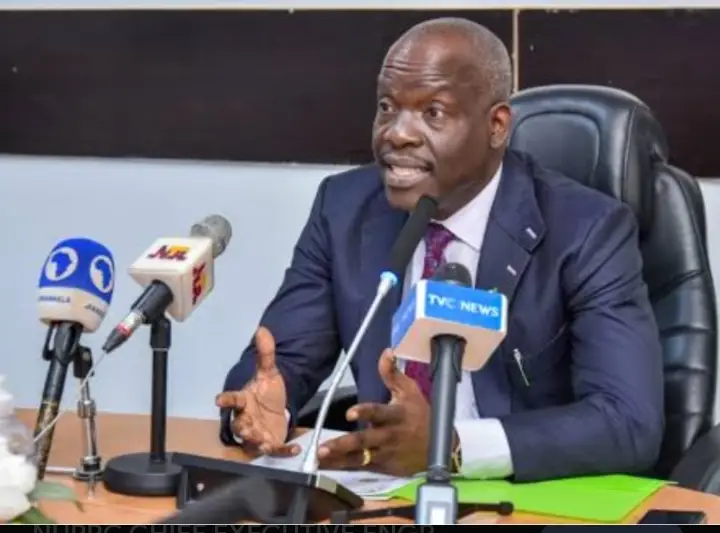
PIA: Nigeria’s Rig Count Soars By 762%, As Upstream Sector Gains $40bn Investments— NUPRC

0

The Nigerian Upstream Petroleum Regulatory Commission (NUPRC) has announced a significant rise in the country’s rig count, increasing from just eight in 2021 to 69.

The commission said this in a statement by its Head, Media, and Strategic Communication, Eniola Akinkuotu.

Akinkuotu highlighted some of NUPRC’s high impact achievements, four years since its establishment, adding that the growth is a clear testament to the renewed vigour and investor confidence in Nigeria’s upstream petroleum sector.

He said that in spite of the challenges it inherited from the pre-Petroleum Industry Act (PIA) era, it exceeded revenue targets, recorded 39.98 billion dollars investment, and increased rig count and crude oil production.

“The latest rig count of 69 comprises 40 active rigs, eight on standby, five on warm stack, four on cold stack, and 12 on the move.

“This represents a 762.5 per cent increase in barely four years.

“The success aligns with the charge of President Bola Tinubu that Nigeria is ready for business and that the right investment climate prevails now in the Nigeria upstream as daily actioned by the NUPRC.”

He said that NUPRC approved billions of dollars divestments in 2024 from the Nigeria Agip Oil Company to Oando Energy Resources; and Equinor to Chappal Energies.

He said that there was also divestment from Mobil Producing Nigeria Unlimited to Seplat Energies; and Shell Development Company Nigeria Limited to Renaissance Africa Energy.

According to him, the divestment is about investor portfolio re-ordering to focus on deep-offshore development.

He said that to give meaning to the intent of the PIA, 2021, the commission, in consultation with stakeholders, developed 24 forward-thinking regulations, adding that 19 had been gazetted while five await gazetting.

Akinkuotu said that in 2022, 2023 and 2024, NUPRC surpassed its revenue target by 18.3 per cent, 14.65 per cent and 84.2 per cent respectively, in spite of oil production and prices fluctuation, thus contributing to economic growth.

“Between 2024 and 2025, the commission approved 79 Field Development Plans (FDP) (41 in 2024 and 38 Year-to-Date (YTD) 2025 with potential investment of 39.98 billion dollars.

“Crude oil production has increased with current average daily production of 1.65 million barrels per day.

“It is expected to increase further with the Project one million barrels per day initiative, aimed at achieving 2.5 million barrels per day in 2027 compared to NUPRC commencement,” he said.

According to him, prior to NUPRC‘s establishment, the licensing rounds were opaque and beclouded by political influence which made the process lack credibility.

“However, the NUPRC with the support of President Bola Tinubu, transformed the process to be fully digital, enhancing transparency and credibility.

“The commission, in line with the PIA, 2021 and with the support of the President, is implementing the ‘Drill or Drop’ policy which prescribes that unexplored acreages are to be relinquished.

“This policy is designed to ensure optimal use of oil assets and prevent dormant fields from tying up potential reserves.

“It has successfully identified 400 dormant oil fields and has also propelled complacent oil companies to take quick action,” he said.

On Gas Flare Commercialisation, he said that it had completed awards of flare sites to successful bidders under the Nigerian Gas Flare Commercialisation Programme (NGFCP).

He said that the programme was aimed at eliminating gas flaring and attracting 2.5 billion dollars investments.

The NUPRC spokesman said that the Host Community Development Trusts have remitted N122.34 billion, while dollar contributions stand at over 168.91 million dollars.

This, he said, translated to a combined remittance of over N358.67 billion based on the prevalent exchange rate.

“The NUPRC is overseeing at least 536 projects at various stages of completion, including schools, health centers, roads and vocational centres.

“These are being funded by the trust fund while the achievement has curbed crude oil theft,” he said.

As part of its mandate to develop the country’s hydrocarbon, Akinkuotu further said that the commission had recorded 306 development wells drilled and completed between 2022 to date.

He said that the NUPRC also issued Nigeria’s first Petroleum Exploration Licence (PEL) for a large offshore geophysical survey covering 56,000 km² of 3D seismic and gravity data.

He said that in 2021, the average daily crude oil losses stood at 102,900 barrels per day (bpd) or 37.6 million barrels per year.

According to him, due to combined efforts of the General Security Forces and Private Security Contractors (TANTITA), as well as collaborative effort of the commission, this has reduced by 90 per cent to 9,600bpd .

“The Gbenga Komolafe-led NUPRC has continued to show leadership as it championed the establishment of the African Petroleum Regulators Forum (AFRIPERF), facilitating cross-border development and strong voice for Africa in hydrocarbon advocacy globally.”

All-Electric Powerboat Championship: Team Brazil Wins In Lagos Grand Prix

0

Team Brazil, backed by the Claure Group, emerged champions of the E1 Lagos Grand Prix on Sunday, claiming their maiden victory in the all-electric powerboat series.

Pilot Timmy Hansen led from start to finish, dominating the group stages, race-offs, and the grand finale at the Lagos Lagoon.

Team Blue Rising secured second place, while Team Drogba finished third on the podium.

Governor Babajide Sanwo-Olu of Lagos State

Top contenders Team Rafa and Team Brady, previously battling for the championship lead, missed out on the top three positions.

With their Lagos triumph, Team Brazil earned 38 points, bringing their total to 89 and keeping alive their title hopes ahead of the Miami finale.

The Lagos Grand Prix marked Africa’s debut as host of the world’s first all-electric powerboat championship, the E1 Series.

As the penultimate race of the season, the Lagos event has set up a thrilling final showdown in Miami for the inaugural E1 world title.

1.47m Smallholder Farmers Under Agricultural Insurance Cover, Says NAICOM

0

The National Insurance Commission (NAICOM) says more than 1.47 million smallholder farmers across Nigeria have been covered under agricultural insurance schemes.

The Commissioner for Insurance and Chief Executive Officer of NAICOM, Mr Olusegun Omosehin, disclosed this in Maiduguri at the 2025 Stakeholders’ Retreat of the House Committee on Insurance and Actuarial Matters.

The retreat had as its theme, ‘Navigating the New Era of Insurance Regulation – Understanding the Nigerian Insurance Industry Reform Act (NIIRA) 2025.’

Omosehin, in a statement on Sunday, said the insurance coverage was facilitated by the Nigeria Incentive-Based Risk Sharing System for Agricultural Lending (NIRSAL).

He said the initiative aimed to strengthen resilience and productivity in agriculture, targeting a total of 3.6 million farmers by 2026.

According to him, about 250,000 farmers were insured across eight states in the second quarter of 2025 under various federal agricultural insurance schemes.

He said agricultural insurance had begun to show clear impacts on productivity across farming communities nationwide.

“Recent statistics show that over 1.47 million smallholder farmers have been covered under NIRSAL’s agricultural insurance schemes, with a target of 3.6 million by 2026.

“In the second quarter of 2025, 250,000 farmers were insured across eight states under federal initiatives.

“In North Central Nigeria, insured rice farmers recorded 11 per cent higher productivity than uninsured peers, averaging 20 bags per hectare compared to 18 bags,” he said.

Omosehin also highlighted successful programmes such as Kaduna ginger farmers who received payouts under the NAGS-AP scheme after losing over 90 per cent of their crops.

He added that livestock and encroachment insurance in Sokoto, Bauchi, Adamawa, and Plateau States had helped reduce farmer-herder conflicts.

Omosehin described agriculture as the backbone of Nigeria’s rural economy and a pillar of food security, yet one of the sectors most exposed to climate shocks and market volatility.

He said insurance provided a vital tool to de-risk agriculture and empower farmers to invest confidently.

Omosehin called for stronger collaboration among lawmakers, regulators, and stakeholders to ensure the effective implementation of the NIIRA 2025.

He said the new law consolidated fragmented legislations into a modern framework that empowers regulators, protects consumers, and promotes innovation in the insurance industry.

“The law has been passed, but the real work has just begun. We urge the committee to ensure MDAs comply with compulsory insurance provisions.

“We also seek your support to harmonise state policies with federal frameworks and promote awareness in your constituencies,” he said.

Omosehin urged stakeholders to align legislative, regulatory, and operational efforts to ensure NIIRA 2025 delivers on its transformative potential for national prosperity.