


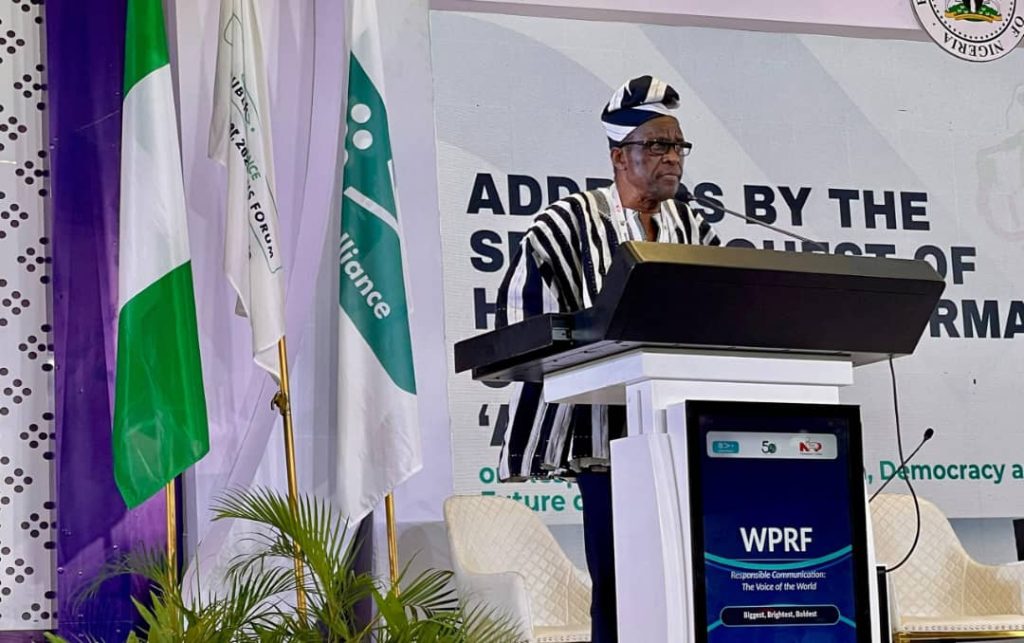
Speaker of Ghana’s Parliament, Chairman, Conference of Speakers and Presidents of African Legislatures (CoSPAL); and President of the African Geopolitical Group at the Inter-Parliamentary Union (IPU) Alban Sumana Kingsford Bagbin speaks.
The Speaker of Ghana’s Parliament, Rt. Hon. Alban Sumana Kingsford Bagbin, has called on African institutions to embrace transparency, accountability and effective communication as essential ingredients for good governance and sustainable development.
Bagbin, who was the Special Guest of Honour at the African Day programme of the World Public Relations Forum (WPRF) 2026 in Abuja, Nigeria, stressed the need for African professionals, particularly public relations practitioners, to take the lead in telling the continent’s development story rather than leaving it in the hands of external narrators.
He described the gathering of distinguished professionals as an important platform for leadership development, noting that responsible communication should not be misconstrued as avoiding difficult conversations but should encourage constructive disagreements and dialogue.
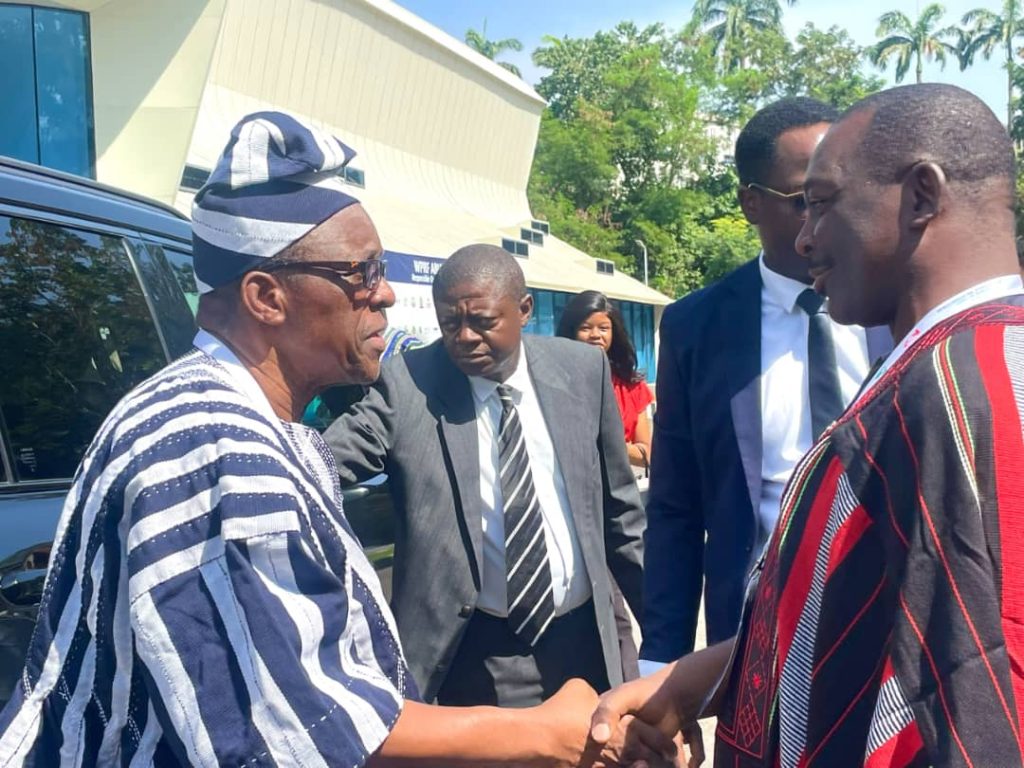
Vice President of NIPR, Prof. Emmanuel Dandaura receiving the Speaker of Ghana’s Parliament, Alban Sumana Kingsford Bagbin.
According to him, institutions must build trust by creating opportunities for citizens to contribute to governance, while ensuring mutual confidence between those in positions of authority and the people they serve.
He urged citizens and relevant stakeholders to hold public institutions accountable, insisting that transparency and access to information were fundamental rights of the people.

Children of Africa Community School (ACS) waving the 54 flags of African countries high in celebration of Africa Day at the WPRF Abuja 2026.
Reflecting on his 34 years in legislative service, Bagbin said parliamentarians occupied a critical position between the people and the Executive, adding that elected representatives had a responsibility to faithfully discharge the mandate entrusted to them by the electorate.
“As Speaker of Ghana’s Parliament and having served as a legislator for 34 years, we are the bridge between the people and the Executive. It is our responsibility to discharge the mandate given to us by the people and to execute that mandate properly,” he said.
The Ghanaian parliamentarian maintained that communication in governance must go beyond announcing parliamentary activities and official decisions to making the work of institutions accessible and understandable to ordinary citizens.
He advocated dialogic communication, describing it as a vital instrument for building cordial relationships between public institutions and the communities they serve.
Bagbin also called for the development of a stronger communication ecosystem across Africa, lamenting that the continent’s story was largely being told by external contributors.
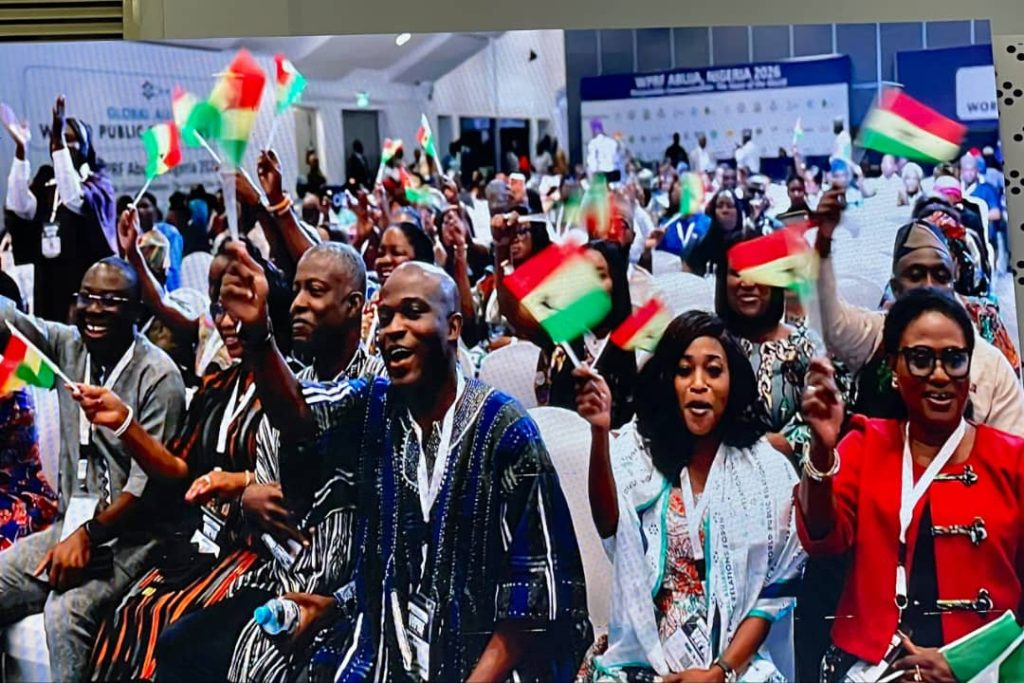
Delegates.
He challenged African public relations professionals to deploy their skills, experience and professional expertise in communicating the continent’s achievements, challenges and development aspirations.
“Our continent’s story is being told by external contributors. This is not good. Our story must be communicated by Africans, particularly public relations officers, who have the experience and skills to reach out and narrate the continent’s development,” he said.
He further urged African institutions to demonstrate greater openness and accountability, stressing that citizens had the right to obtain information about the activities of governments and public institutions.
The Speaker also underscored the importance of upholding professional ethics and standards in public relations practice, while calling on communication practitioners to engage more closely with political leaders and institutions of governance.
He said the collaboration between public relations professionals and political office holders could strengthen governance and improve public confidence in leadership.
“If you work with us in governance, we will not have a reason to fail,” he told the gathering.
Bagbin equally advocated increased investment in media and information literacy, questioning why such a critical responsibility should be left largely to the private sector.
He called for deliberate efforts to strengthen citizens’ engagement and institutional communication, noting that political office holders must recognise that their authority derives from the people.
According to him, public office holders voluntarily offer themselves for service, but it is the citizens who ultimately decide whether to entrust them with leadership and accommodate their governance choices.
He described Nigeria as a country of strategic importance to the African continent, warning that developments within its borders had implications beyond its national boundaries.
“ What happens here will not only affect Nigerians but the whole of Africa and the world,” he said.
