

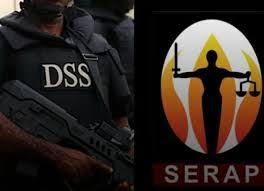
A coalition of Nigerian civil society organisations has expressed deep concern over the controversy surrounding a defamation judgment reportedly secured by officials of the Department of State Services (DSS) against the Socio-Economic Rights and Accountability Project (SERAP), warning that the situation poses serious risks to judicial transparency, civic freedoms and democratic accountability.
In a joint press statement dated May 11, 2026, the groups faulted the growing public debate over the judgment despite the absence of the Certified True Copy (CTC) and full text of the ruling at the time reactions began to circulate.
According to the organisations, such a development raises fundamental questions about due process, procedural fairness and institutional responsibility within Nigeria’s justice system.
They stressed that under Section 36(1) of the 1999 Constitution (as amended), the right to fair hearing extends beyond courtroom proceedings to include transparency, access to judicial decisions and the opportunity to exercise appellate rights.
The coalition also cited Sections 39(1) and 22 of the Constitution, noting that freedom of expression and the duty of the media and civic actors to hold government accountable are essential pillars of a democratic society.
Referencing international frameworks, the groups pointed to Article 19 of the Universal Declaration of Human Rights and Article 9 of the African Charter on Human and Peoples’ Rights, both of which guarantee the right to receive and disseminate information.
They noted that the African Commission has consistently held that any restriction on civic expression must meet the tests of legality, necessity and proportionality.
The statement further decried the delay in releasing the Certified True Copy of the judgment, describing timely access to court decisions as central to the administration of justice.
“Without access to the judgment, litigants are unable to properly assess their legal position, pursue appeals or engage responsibly in public discourse,” the statement read.
The organisations warned that such delays could undermine public confidence in the judiciary, weaken transparency in judicial administration and erode trust in democratic institutions.
They also cautioned against what they described as the growing use of defamation suits and coercive legal measures against civil society actors involved in anti-corruption and public accountability advocacy.
According to them, the right to appeal is a fundamental component of the justice system and should not be misconstrued as disobedience to judicial authority.
The coalition called for the immediate release of the Certified True Copy of the judgment, respect for constitutional and international human rights obligations, and greater restraint in public commentary on judicial matters lacking full disclosure.
They further urged authorities to safeguard civic space and protect public-interest advocacy from intimidation or misuse of legal processes.
The statement concluded that Nigeria’s democracy depends not only on electoral processes but also on adherence to the rule of law, judicial integrity and the protection of civic freedoms.