



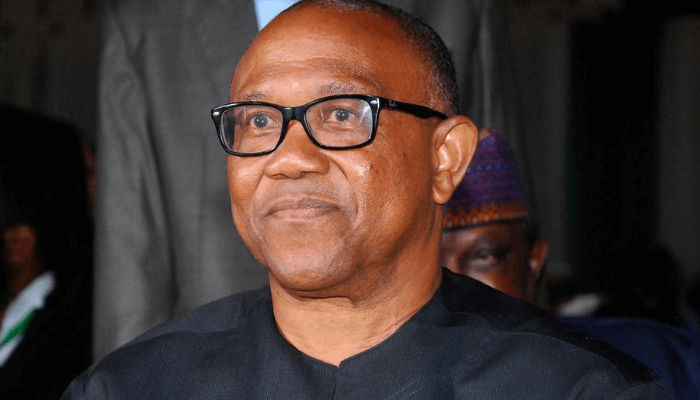
Peter Obi, presidential candidate of the Nigeria Democratic Congress (NDC), has expressed concern over the worsening hunger crisis in northern Nigeria, describing the situation as avoidable and attributing it to poor leadership.
In a statement posted on his X account on Saturday and titled “UN’s Warning on Northern Nigeria’s Food Crisis,” Obi said the latest warning by the United Nations World Food Programme (WFP) was disturbing, noting that the region regarded as Nigeria’s food basket should not be grappling with such a humanitarian emergency.
Citing the WFP report, Obi said more than 17 million people across nine northern states are facing crisis-level hunger, while over 35 million Nigerians are at risk of acute food insecurity during the current lean season.
He also described as a “profound national failure” the report that more than 10,000 people in Borno State have slipped into what the UN classified as “catastrophic” hunger conditions.
“I am deeply troubled by the latest report from the UN’s World Food Programme indicating that northern Nigeria is experiencing its most severe hunger crisis in nearly a decade,” Obi said.
“Over 17 million people in nine northern states face crisis-level hunger, with more than 35 million Nigerians nationwide at risk during this challenging season.
“The fact that over 10,000 residents of Borno State have entered ‘catastrophic’ hunger conditions represents not only immense human suffering but also a profound national failure.
“Nigeria should not rank among the world’s hungriest nations, given its abundant resources, particularly the vast stretches of fertile, uncultivated land in the North.”
Obi attributed the deepening food crisis largely to insecurity, saying persistent banditry and insurgency have prevented farmers from accessing their farmlands and forced many farming communities into displacement.
He urged the Federal Government and state governments to prioritise the security of agricultural communities, invest in farming infrastructure, provide smallholder farmers with accessible support, and strengthen collaboration with the World Food Programme to bridge funding gaps and avert a worsening humanitarian crisis.