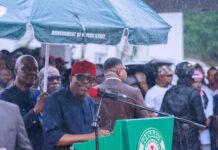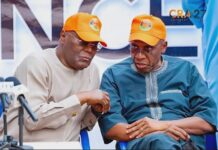
Former presidential candidate, Peter Obi, has explained his decision to resign from the African Democratic Congress (ADC) and join the Nigerian Democratic Congress (NDC) alongside former Kano State governor, Rabiu Musa Kwankwaso, describing the move as a continuation of his quest to build a “new Nigeria.”
In a statement shared via his X (formerly Twitter) account on Monday, Obi said his defection was not driven by anger, personal ambition or convenience, but by deep reflection on Nigeria’s current challenges and the urgent need for national rescue.
He noted that his political journey has always been anchored on service to the people, particularly Nigerians grappling with rising poverty, economic hardship and dwindling hope.
Obi disclosed that his exit from the ADC mirrors his earlier departure from the Labour Party, attributing both decisions to “severe, orchestrated litigation and internal crises” allegedly aimed at excluding him and other stakeholders from active participation in the electoral process.
While expressing gratitude to the ADC leadership, particularly its chairman, David Mark, Obi also acknowledged the support of former Vice President, Atiku Abubakar, and other party leaders.
He, however, cautioned against the weaponisation of political disputes, urging the Federal Government to refrain from encouraging unresolved litigations and internal party conflicts that could undermine democratic stability.
According to him, a functional democracy depends on strong institutions, credible opposition and the freedom of citizens to make political choices without fear or manipulation.
Obi described Nigeria as being at a critical juncture, citing worsening poverty, widespread hunger, insecurity and declining business activity as indicators of systemic failure. He stressed that leadership must prioritise competence, accountability, and compassion over propaganda and division.
He maintained that joining the NDC does not represent a shift in values, but rather a continuation of his long-standing mission to promote responsible governance, institutional independence and inclusive national development.
Obi further called on Nigerians, especially youths and women, to remain resilient and committed to the nation’s progress, urging them not to lose faith despite prevailing challenges.
“The task before us is bigger than any individual or political party,” he stated, adding that national transformation requires sustained belief, sacrifice and collective action.