Global oil prices tumbled sharply on Friday, falling by about 10 per cent to $86 per barrel, after U.S. President Donald Trump confirmed the reopening of the strategic Strait of Hormuz to commercial shipping, easing concerns over prolonged supply disruptions.
The development followed a declaration by Iran’s Foreign Minister, Abbas Araghchi, that the critical waterway — through which nearly one-fifth of global oil supply passes daily — is now “completely open” under the ongoing ceasefire arrangement.
The twin announcements triggered an immediate sell-off in global oil markets, as traders swiftly stripped out the geopolitical risk premium that had driven crude prices above $100 per barrel in recent weeks.
Benchmark crude, which traded at about $96 per barrel just a day earlier amid renewed tensions and threats of military escalation, plunged to $86, marking a significant reversal.
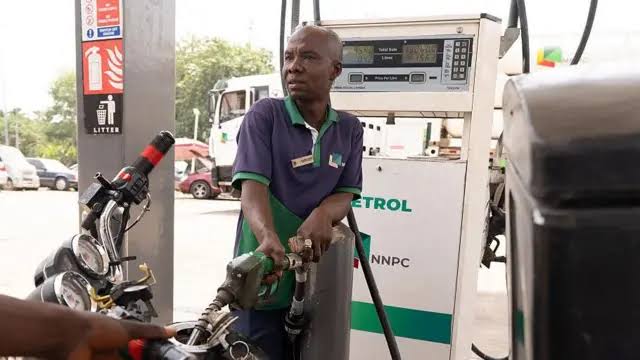
While the drop signals relief for global markets, attention has now shifted to Nigeria, where consumers are anxiously watching for a corresponding decline in pump prices after months of sustained increases.
Since the outbreak of hostilities that disrupted oil flows through the Gulf, petrol prices in Nigeria have surged from about ₦760 per litre to nearly ₦1,300, deepening the cost-of-living crisis and squeezing household incomes.
Despite the easing of global prices, analysts caution that the pass-through effect in Nigeria may not be immediate, given factors such as exchange rate volatility, deregulated pricing, and distribution costs.
Nonetheless, expectations remain high among Nigerians that the reopening of the Strait of Hormuz and the resulting decline in crude prices will translate into lower fuel costs in the coming weeks.
Industry observers note that any sustained drop in international oil prices could provide modest relief, particularly if supported by relative stability in the naira and improved supply logistics.
For millions of Nigerians grappling with rising transport fares and food prices, the latest development offers a glimmer of hope — but one tempered by uncertainty over how quickly, and how significantly, relief will reach the pumps.