PROMAD Foundation, a Non-Governmental Organisation (NGO), has urged the South-South states to join the Open Government Partnership (OGP) to improve governance and development in their states.
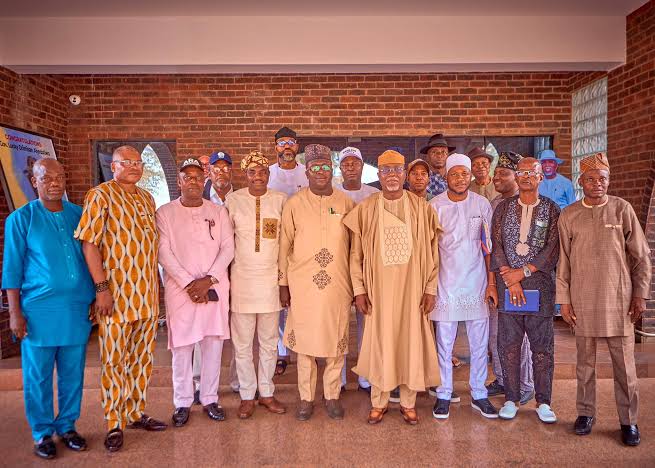
Mr Daisi Omokungbe, PROMAD Founder and Executive Director, made the call at a workshop organised by the foundation for youths across the six states in the South-South region in Port Harcourt.
Omokungbe said that the workshop was co-funded by the Nigeria Youth Futures Fund and European Union while OGP Nigeria, Youth Democracy Cohort, and SERDEC were partners.
The workshop was themed, “Strengthening Youth Participation in the OGP Process in Nigeria”
Omokungbe said the workshop was aimed at engaging the youths in the region to air their views and ensure that their aspirations and needs were captured in the National Action Plan (NAP IV).
According to him, the engagement is part of the ongoing process of co-creating Nigeria’s OGP 4th National Action Plan (NAP IV), bringing together government and civil society actors to deepen transparency, accountability, and citizen participation in governance.
Omokungbe said that only two states in the South-South region had joined the OGP, stating the importance for other states to key into the global initiative.
The PROMAD Executive Director specifically called on the governments of Akwa Ibom, Bayelsa, Cross River and Rivers states to join the OGP, citing the benefits of improved governance and service delivery.
“Joining the OGP will help our states deliver more services to citizens, build trust, and make government more effective,” he said.
In his remarks, Mr Tijani Abduldareem, the Executive Director, Socioeconomic Research and Development Centre (SERDEC), advised young people to engage government constructively to achieve sustainable development and improve their lives.
He presented a paper titled, “Tools and Methods of Civic Engagement by Young People in line with the OGP Principle.”
He noted that the OGP provided an opportunity for co-creation among citizens and government, building trust and promoting transparency and accountability.
According to him, young people’s engagement in the development process is crucial as they occupy a large population of the country and can demand accountability and transparency in the utilisation of public finance.
Abduldareem identified some challenges faced by young people while engaging government as institutional framework and bureaucracy, but emphasised that consistent engagement and inclusion had been keys to overcoming the challenges.
He advised young people to move from active confrontation to constructive confrontation, engaging government in a way that would promote a sense of belonging and ownership.
“As a young person, it is your responsibility to be part of a development process that affects your life, your employment, and your basic livelihood.
“You have to open the door yourself with the way you engage with public office holders,” he said.
Similarly, Mr Uchenna Arisukwu, a facilitator, who spoke on the theme “Understanding the Open Government Partnership, Processes and Commitments,” emphasised the importance of young people inclusion in governance, citing their significant population majority.
Arisukwu explained that young people constituted about 90 per cent of the population, and their participation in decision-making processes was crucial for shaping the country’s future.
He stressed that excluding them from governance would be detrimental to the country’s development, adding that their inputs are essential for creating a more inclusive and responsive government.
Arisukwu also stressed the need for government and citizens to engage with policymakers to promote transparency and accountability in governance.