Home Blog Page 59

Several US Military Aircraft Crash In Kuwait Amid Heightened Regional Tensions

Kuwait’s Ministry of Defence has confirmed that several United States military aircraft crashed within the country on Monday, with all crew members surviving the incident.

The disclosure was made in a statement carried by the state-run Kuwait News Agency, which quoted the Defence Ministry as saying Kuwaiti authorities had activated rescue and emergency response measures.

“Ministry of Defense announces that several US military aircraft crashed earlier in the day, confirming that all crew members survived the incident,” the statement said.

While the ministry did not specify the number of aircraft involved or the circumstances surrounding the crashes, it assured that coordination was ongoing with relevant authorities.

The development comes amid escalating tensions in the Gulf region. Reports indicate that Iran had, a day earlier, launched strikes targeting a US military installation in Kuwait, allegedly in retaliation for joint air operations by Israel and the United States against Iranian targets.

Other Gulf states, including Qatar, Bahrain, the United Arab Emirates and Saudi Arabia, were also reported to have experienced missile activity targeting US facilities in the region.

Authorities have yet to confirm whether the aircraft crashes were linked to the reported hostilities. Investigations into the cause of the incident are expected to commence as regional security concerns intensify.

FG Okays Transition Period For Direct Oil Revenue Remittance To Federation Account

0

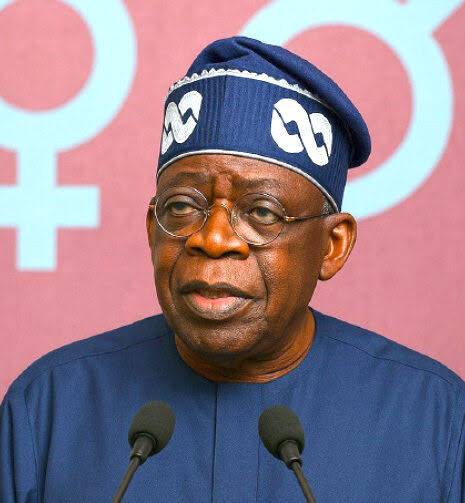
The Federal Government has approved a transition period for the implementation of direct remittance of oil revenues into the Federation Account, as provided under Executive Order 9 signed by President Bola Ahmed Tinubu.

The decision followed the inaugural meeting of the Implementation Committee on Executive Order 9 of 2026 held on February 26, 2026.

In a statement issued on Monday, the Minister of Finance and Coordinating Minister of the Economy, Wale Edun, who chairs the committee, said the transition window would allow the new regime to take effect without disrupting existing contractual and financing structures in the oil and gas sector.

The policy stems from Executive Order 9, which mandates that revenues from petroleum operations — including profit oil, royalty oil and tax oil — be paid directly into the Federation Account to safeguard public funds and strengthen the finances of the three tiers of government.

Edun said the committee agreed that the shift must be carefully managed to preserve investor confidence while protecting Nigeria’s revenue base.

“With respect to Section 2, Sub-section 3 of Executive Order 9 on direct payments by contractors into the Federation Account, the Implementation Committee agreed that this transition must be implemented in a manner that respects existing contractual and financing arrangements and maintains investor confidence,” he stated.

He disclosed that contractors would continue to remit revenues under the current framework until detailed operational guidelines are issued.

“Until the Committee releases clear, standardised guidance, contractors will continue to remit under the existing process. The transition period will ensure an orderly changeover to the new system,” Edun added.

To drive the process, the committee approved the establishment of a technical subcommittee tasked with developing the operational framework for direct remittance within three weeks.

The subcommittee will also commence a review of the Petroleum Industry Act to address structural and fiscal anomalies said to be weakening revenues accruing to the Federation.

According to Edun, the review will focus on provisions that may undermine government earnings from petroleum operations.

“The Technical Subcommittee will develop detailed guidelines for the transition within three weeks and begin a review of the Petroleum Industry Act to address structural and fiscal anomalies that weaken Federation revenues,” he said.

The panel will be chaired by the Special Adviser to the President on Energy, Olu Verheijen, and will include the Solicitor-General of the Federation and Permanent Secretary, Federal Ministry of Justice; the Chairman of the Nigeria Revenue Service; the Chairman of the Forum of Commissioners of Finance; representatives of the Minister of State for Petroleum Resources (Oil); while the Budget Office of the Federation will serve as secretariat.

The committee reiterated that the reforms are aimed at ensuring that oil and gas revenues are fully accounted for and paid into the Federation Account in line with constitutional provisions.
It also reaffirmed the President’s directive that petroleum revenues must be managed in a manner that protects public funds and supports fiscal stability at federal, state and local government levels.

As part of the measures under Executive Order 9, the government directed the NNPC Limited to discontinue certain deductions under Production Sharing Contracts.

Specifically, NNPC Limited is to halt the collection of a 30 per cent management fee and a 30 per cent frontier exploration fund deduction from profit oil and profit gas. The directive takes immediate effect.

In addition, all remittances of gas flare penalties into the Midstream and Downstream Gas Infrastructure Fund have been suspended with immediate effect in line with the Executive Order.

The implementation committee assured stakeholders in the petroleum industry of continued engagement as the reform process unfolds, describing the measures as part of broader efforts by the Tinubu administration to ensure that Nigeria’s petroleum resources deliver measurable benefits to citizens.

Sports: Tinubu Applauds NDDC Over Niger Delta Games, Urges Sustained Investment In Youth, Women

0

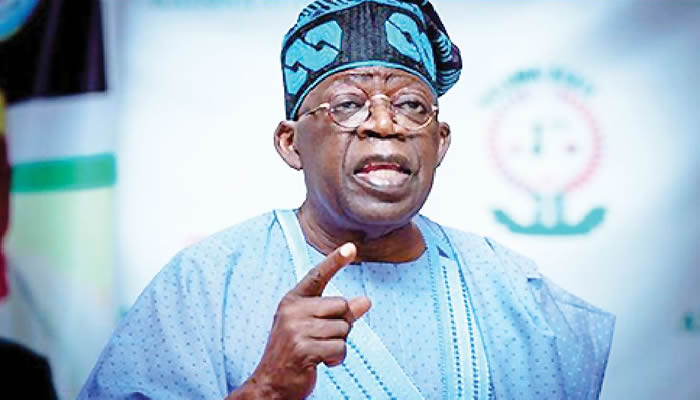
President Bola Ahmed Tinubu has commended the Niger Delta Development Commission (NDDC) for sponsoring the second edition of the Niger Delta Games, urging the commission to deepen its investment in youth and women empowerment through sports development.

Tinubu, who spoke at the closing ceremony of the Games held at the Samuel Ogbemudia Stadium in Edo State, described sports as a potent vehicle for national unity, talent discovery and economic inclusion.

Represented by the Director-General of the National Sports Commission, Bukola Olopade, the President said the competition transcended medals and trophies, stressing that it provides a platform for nurturing talent, building character and opening pathways to global recognition for young Nigerians.

“Sports remain one of the greatest tools for national unity and youth empowerment. Beyond medals and trophies, this competition is about discovering talents, building character and creating pathways to global recognition for our young people,” he said.
Tinubu noted that the initiative aligns with his administration’s Renewed Hope Agenda, particularly in the area of human capital development.

“We are committed to initiatives like the Niger Delta Games. Sports can serve as a strategic platform to empower youths and women, promote entrepreneurship and project Nigeria positively to the world,” he added.

Host state, Edo, emerged overall winner of the competition, displacing defending champions Bayelsa State. Edo clinched 52 gold, 34 silver and 25 bronze medals to amass a total of 111 medals. Delta State finished first runner-up with 102 medals, while Bayelsa placed third with 79 medals.

Akwa Ibom, Abia, Cross River, Ondo, Rivers and Imo states placed fourth to ninth, respectively.

Governor Monday Okpebholo of Edo State, represented by his deputy, Dennis Idahosa, praised the NDDC for organising what he described as a world-class sporting event. He said the Games had fostered unity, resilience and entrepreneurship among participating states.

Chairman of the NDDC Governing Board, Chiedu Ebie, lauded the Edo State Government for its collaboration, expressing confidence that athletes discovered at the Games would go on to represent Nigeria at global competitions, including the Olympics, Commonwealth Games and the All-Africa Games.

The NDDC Managing Director, Samuel Ogbuku, reaffirmed the commission’s commitment to sustaining the initiative, noting that the Games were designed to groom amateur athletes into professionals.

“Today, we are not just celebrating victories; we are celebrating excellence, discipline and hard work.

You will be assessed not only by your performance in sports but also by your character,” he told the athletes, urging them to remain focused and committed to continuous improvement.

Earlier, Chairman of the Main Organising Committee and NDDC Executive Director, Finance and Administration, Alabo Boma Iyaye, expressed satisfaction with the outcome of the competition, saying it had strengthened unity across the Niger Delta.

Iyaye paid tribute to the late Samuel Ogbemudia for laying the foundation for the region’s dominance in Nigerian sports, noting that the Niger Delta continues to produce a significant percentage of athletes representing the country at international competitions.

Chairman of the Local Organising Committee, Solomon Ogba, advised athletes to shun doping and age falsification, stressing that integrity, discipline and dedication remain the hallmarks of lasting success.


2027: We Can’t Promise Perfect Poll, Says Independent National Electoral Commission Chair

The Chairman of the Independent National Electoral Commission (INEC), Prof. Joash Ojo Amupitan, has said the commission cannot guarantee a 100 per cent flawless general election in 2027, particularly regarding real-time electronic transmission of results.

Amupitan, who spoke at a Citizens’ Townhall Meeting organised by the Civil Society Network on Election Integrity in Abuja on Sunday, however, assured Nigerians that the 2027 presidential poll would be the best in the nation’s history.

The forum, held at Abuja Continental Hotel, brought together civil society organisations, academics, election observers and members of the public to deliberate on electoral reforms and transparency.
While acknowledging logistical and human challenges encountered in previous elections, the INEC chairman stressed that perfection remains aspirational.

“Nigerians desire a perfect election, and we will strive to deliver the best possible process. But we may not be able to achieve a 100 per cent perfect election for now,” he said.
He explained that the commission has the capacity to transmit results electronically but clarified that concerns often arise over what constitutes “real-time” transmission.

Drawing an analogy with bank transfers, Amupitan noted that while a transaction may be completed instantly on the sender’s end, the recipient might not receive an alert immediately.

“That is the issue with real-time transmission. The result may be transmitted, but network or system delays may affect when it is received,” he said.

Citing the recent Federal Capital Territory (FCT) Area Council elections, he disclosed that results were transmitted promptly in five councils, but one ward in Kuje experienced delays until the following day.
According to him, election success should be assessed based on timely commencement, peaceful conduct, effective result management and prompt declaration.

“If the election starts as scheduled, is peaceful, and results are properly managed and declared, then it can be considered successful,” he stated.

Amupitan admitted that some of the challenges encountered were logistics-related, while others were human errors, adding that the commission is working to address them ahead of 2027.

On fears of technical glitches, he said technology must be rigorously tested before deployment, noting that while devices were tested during off-cycle governorship elections in states such as Osun and Ekiti, broader interstate testing was inadequate during the 2023 presidential poll.

“One of the steps we are taking is to ensure that transmission across states will not fail. The glitch, by God’s grace, will not surface again,” he said.

He added that Section 63 of the Electoral Act provides safeguards in the event of transmission failure, stressing that under his tenure, results would be transmitted even if real-time delivery is delayed.

The INEC chairman also advocated the simplification of electoral legislation to enable ordinary Nigerians to understand the provisions of the Electoral Act 2026.

“With greater awareness and improved logistics, the 2027 election will surpass previous exercises. Nigerians are more informed today than in 2023,” he said.

PIA: Host Communities Demand Share of 13% Derivation as NUPRC Registers 155 Trusts

Agitations for a direct allocation from the 13 per cent oil derivation fund resurfaced at the weekend as oil-bearing communities in the Niger Delta called on state governors to remit part of the funds to Host Community Development Trusts established under the Petroleum Industry Act.

The demand came during a town hall meeting involving the Nigerian Upstream Petroleum Regulatory Commission, representatives of host communities and oil firms in Rivers State.

The National President of Host Communities of Nigeria Producing Oil and Gas, Dr Benjamin Style Tamaranebi, accused state governments of politicising the 13 per cent derivation fund, insisting that oil-producing communities have yet to benefit commensurately from resources extracted from their lands.

He said, “Thirteen per cent derivation was not meant for state governments alone. It was meant for the development of host communities.

“Now that the PIA is on board, we are calling on governors to release part of that fund to the Host Community Development Trusts to complement what the law has provided.”

Tamaranebi linked past agitations in the region to the establishment of intervention agencies such as the Niger Delta Development Commission and the Presidential Amnesty Programme, describing the latest demand as part of ongoing efforts to achieve resource justice and inclusive development.

He, however, cautioned executives of the trusts against breaching statutory spending provisions under the PIA, noting that five per cent of HCDT funds is allocated for administrative expenses, 75 per cent for projects and 20 per cent for investments.

“If we tamper with the 75 per cent meant for projects, we are depriving ourselves of development,” he warned.

Meanwhile, the Commission disclosed that 155 Host Community Development Trusts have been incorporated across the Niger Delta since the implementation of the PIA. Of the number, 79 have received funding through the mandatory three per cent operational expenditure contributions from oil companies, also known as settlors.

Representing the Commission Chief Executive, Mrs Oritsemeyiwa Eyesan, an Assistant Director at the Commission, Mr Success Ikpe, said the regulator is currently overseeing about 663 projects being executed by various trusts.
He added that a digital reporting platform, “HostComply”, had been introduced to monitor the activities of the trusts in real time and enhance regulatory compliance.

Despite the progress recorded, the Commission acknowledged lingering concerns bordering on governance, accountability, bureaucratic bottlenecks and internal disputes within some communities.
It outlined measures to address the challenges, including capacity building for board members, improved stakeholder engagement, structured dispute resolution mechanisms and independent monitoring frameworks.

The Commission urged stakeholders to collaborate in ensuring that the PIA delivers sustainable and inclusive development to host communities in the Niger Delta.

Presidency Debunks Viral Claim Of Alleged Plot To Poison Tinubu, Says No Aso Rock Staff Arrested

0

The Presidency on Sunday dismissed as false a viral social media report alleging that a member of the kitchen staff at the Presidential Villa, Abuja, was arrested over a purported plot to poison President Bola Ahmed Tinubu.

The Special Adviser to the President on Information and Strategy, Bayo Onanuga, refuted the claim in a post on his verified X handle, describing the video circulating online as fake and misleading.

The footage, which appeared to show scenes from the Presidential Villa, claimed that a chef working within the presidential complex had been apprehended following intelligence reports of suspicious activities linked to food preparation in restricted areas associated with presidential operations.

According to the narrator in the video, the alleged arrest was said to have prompted swift intervention by a special police squad and heightened security measures within the presidential environment.

The report further suggested that the suspect had been taken into custody for questioning as part of a coordinated investigation by specialised security personnel.

However, the Presidency categorically denied the claims.

“No Aso Rock kitchen staff arrested. No Aso Rock kitchen staff attempted to poison President Tinubu. Please ignore this fake news being disseminated by this video,” Onanuga stated.

The Presidency did not provide details on the origin of the video or those responsible for its circulation but urged the public to disregard the unfounded allegation.

As of press time, there has been no official report of any security breach or arrest linked to the Presidential Villa.

Rivers Launches Newborn Screening Programme To curb Infant Deaths

0

The Government of Rivers State of Nigeria has unveiled a Newborn Screening Programme aimed at reducing infant mortality and morbidity, describing the initiative as a decisive step towards improving child health outcomes in the state.

Launching the programme on Friday, February 27, 2026, at the Rivers State University Teaching Hospital in Port Harcourt, the Deputy Governor, Ngozi Nma Odu, said early screening of newborns would strengthen preventive healthcare and give every child a healthier start to life.

Odu explained that newborn screening is a simple but critical medical intervention that enables the early detection of genetic, metabolic, hormonal and congenital disorders before symptoms manifest.

“This initiative reflects our collective commitment to strengthening healthcare delivery, promoting preventive medicine and ensuring that every child born in our facilities is given the healthiest possible start in life,” she said.

The deputy governor noted that the state’s 2025 budgetary allocation to the health sector was substantial, underscoring the administration’s resolve to prioritise healthcare delivery. She added that Governor Siminalayi Fubara considers healthcare a direct investment in the wellbeing of citizens, particularly the vulnerable, as reflected in the Rivers State Contributory Health Protection Programme (RIVCHPP).

Describing the screening initiative as an investment in the future, Odu commended the management and medical team of the teaching hospital for what she termed a laudable and forward-looking intervention.

Earlier, the Chairman of the hospital’s Management Board, Tamunoiyoriari Sampson Parker, praised the Chief Medical Director and staff for their dedication, while calling for sustained government support to expand critical health services.

In his remarks, the Chief Medical Director, Chizindu Alikor, said the wellbeing of newborns remains central to efforts at reducing neonatal and under-five mortality rates.

Alikor disclosed that the hospital had introduced a comprehensive screening package for babies born within the facility and across the state, in line with the administration’s “Health for All Rivers People” agenda.

He expressed confidence that early detection of health conditions through the programme would enable prompt diagnosis and treatment, significantly improving survival rates and long-term health outcomes for children in the state.

Failure of Governance Rooted In Finance, Says RSU Vice-Chancellor

0

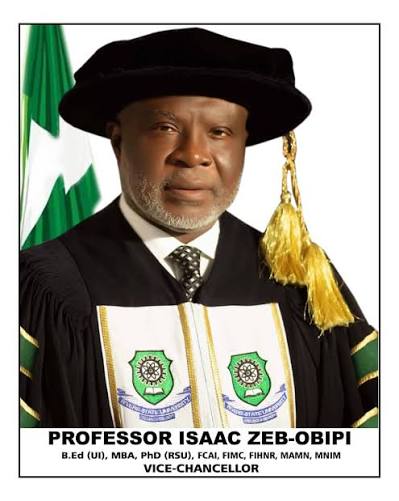
The Vice-Chancellor of Rivers State University, Professor Isaac Zeb-Obipi, has identified structural and financial weaknesses as central to Nigeria’s persistent governance challenges, declaring that accounting and finance lie at the very heart of the nation’s governance crisis.

Speaking at the university’s inaugural lecture delivered by Professor Thank God Chikordi Agwor, the Vice-Chancellor acknowledged dignitaries and distinguished personalities in attendance before turning attention to what he described as one of the most troubling issues confronting the country — the inability of government to meet the demands and expectations of its citizens.

According to him, while numerous explanations have been advanced over the years to account for governance failure in Nigeria, many of those perspectives merely scratch the surface. He argued that they often fail to interrogate the deeper structural and institutional foundations responsible for the country’s recurring governance setbacks.

He explained that the inaugural lecture provides an important scholarly platform to move beyond routine commentaries and political rhetoric, offering instead a rigorous examination of the systemic roots of governance dysfunction.

The lecture, titled “Failure of Governance and Governance of Failure in Nigeria,” delivered by Professor Agwor, sought to unpack the institutional and systemic factors that have continued to undermine effective public administration. The Vice-Chancellor noted that the presentation offered fresh insights into how entrenched structural lapses, particularly in financial management systems, contribute significantly to governance breakdown.

Professor Zeb-Obipi further reflected on what he described as a compelling exposition of the intersection between accounting, finance and governance. He stressed that governance cannot be divorced from sound financial architecture, insisting that greater attention must be paid to budgeting processes, financial forecasting and accountability mechanisms.

“Accounting and finance,” he stated, “lie at the core of both the failure of governance and the governance of failure.”

He maintained that without disciplined budgeting, transparent financial reporting and credible forecasting frameworks, governments risk perpetuating cycles of inefficiency and unmet public expectations.

The Vice-Chancellor further urged government at all levels to integrate a robust financial and accounting nexus into policy design and implementation, arguing that such integration remains critical to addressing Nigeria’s governance challenges in a sustainable manner.

Commending Professor Agwor for what he described as a profound intellectual contribution, Professor Zeb-Obipi reaffirmed the commitment of Rivers State University to advancing research that supports national development and strengthens institutional capacity.

The inaugural lecture, he concluded, exemplifies the role of academia in confronting national challenges through evidence-based inquiry and critical scholarship.

By Victoria Michael

Rivers, Lagos Top Underage Alcohol Consumption, NAFDAC Warns Of Crime, Mental Health Risks

0

Rivers and Lagos states have emerged as hotspots in the consumption of sachet and small-bottle alcoholic drinks among minors and underage persons, a nationwide survey by the National Agency for Food and Drug Administration and Control (NAFDAC) has revealed.

The study, conducted in collaboration with the Distillers and Blenders Association of Nigeria and carried out by Research and Data Solutions Ltd, Abuja, surveyed 1,788 respondents across six states between June and August 2021. It examined access to alcohol and drinking frequency among minors (below 13 years), underaged persons (13–17 years) and adults (18 years and above).

Presenting the findings on Tuesday, NAFDAC Director-General, Prof. Mojisola Adeyeye, described alcohol as “one of the most widely used substances of abuse among youths,” warning that its availability and ease of access are fuelling rising consumption among children and teenagers.

According to the report, 54.3 per cent of minors and underage respondents obtained alcohol by themselves, with nearly half (49.9 per cent) purchasing drinks packaged in sachets or polyethylene terephthalate (PET) bottles.

Rivers State recorded the highest rates — 68.0 per cent for sachets and 64.5 per cent for PET bottles — while Lagos State followed with 52.3 per cent and 47.7 per cent respectively. Kaduna State posted 38.6 per cent sachet and 28.4 per cent PET bottle consumption.

The survey further showed that sachet purchases were higher among males (51.4 per cent) than females (41.5 per cent), and more prevalent in rural areas (50.1 per cent) than urban locations (45.3 per cent).

Beyond direct purchases, minors and underaged respondents accessed alcohol through friends and relatives (49.9 per cent), social gatherings (45.9 per cent) and even parents’ homes (21.7 per cent), underscoring the depth of exposure within communities.

Among those who bought alcohol themselves, 47.2 per cent of minors and 48.8 per cent of underaged respondents procured sachets, while 41.2 per cent of minors and 47.2 per cent of underaged persons purchased PET bottles.

On drinking frequency, 63.2 per cent of minors and 54.0 per cent of underaged respondents described themselves as occasional drinkers. However, 9.3 per cent of minors and a troubling 25.2 per cent of underaged persons reported drinking daily.

Public health experts warn that early exposure to alcohol significantly increases the risk of substance dependence, impaired cognitive development and mental health disorders, including depression and anxiety. The pattern, they caution, may also heighten vulnerability to risky behaviours, cult-related activities and violent crime among youths.

Security analysts have repeatedly linked substance abuse among young people to rising incidents of street violence, sexual assault, traffic offences and other criminal activities in urban centres. The normalisation of alcohol consumption at increasingly younger ages, they warn, could compound Nigeria’s existing security and social challenges.

NAFDAC urged stricter regulatory measures, noting that access to alcohol by children can be curtailed if easily concealable pack sizes are removed from circulation.

“A ban on small pack sizes, including sachets and bottles below 200 millilitres, can reduce the menace of underage drinking,” the report stated.
It also called on parents, teachers, religious leaders and community stakeholders to treat underage drinking as a serious social alarm.

“Consumption of alcohol by children should raise alarm for parents, teachers, religious leaders and the community at large,” the agency said.

The findings, observers note, underscore the urgency of coordinated policy interventions, enforcement of age restrictions and sustained public awareness campaigns to prevent what could evolve into a broader crisis of youth addiction, crime and mental health disorders across Nigeria’s urban and rural communities.

Beyond Corruption: Rivers University Don Exposes Accounting–Finance Roots Of Governance Failure

1

Nigeria must reconstruct its governance architecture by first rebuilding the accounting and financial foundations upon which it stands, Professor ThankGod Chikordi Agwor has declared.

Delivering the 126th Inaugural Lecture of Rivers State University, Port Harcourt, on Wednesday, the Professor of Accounting and Finance argued that the country cannot move from “managing failure” to governing for development, equity and public trust without restoring discipline to its financial systems.

The lecture, themed “Failure of Governance and Governance of Failure in Nigeria: Unveiling the Accounting–Finance Nexus,” examined what the scholar described as the systemic fragility embedded within Nigeria’s governance structure.

Agwor maintained that accounting and finance are not peripheral technical tools but the very infrastructure of governance.

“Where they are strong, governance is resilient. Where they are weak, governance fails — and failure becomes governed,” he said.

According to him, Nigeria’s governance crisis reflects not only institutional weakness but a deeper structural distortion within the accounting–finance nexus. He described the phenomenon as the “governance of failure” — a condition in which institutional arrangements do not merely tolerate dysfunction but actively manage, rationalise and reproduce it.

“Nigeria exhibits a more troubling phenomenon: the governance of failure. This refers to institutional arrangements and practices that do not merely tolerate failure but actively manage, rationalise and produce it,” he stated.

Despite its abundant natural and human resources, Nigeria, he noted, continues to struggle with institutional inefficiencies, entrenched corruption and declining public trust. While leadership failure, corruption and weak political will are frequently cited as explanations, Agwor argued that such narratives often obscure the deeper challenge of informational asymmetry and financial opacity.
“Without credible accounting data and enforceable financial discipline, governance becomes performative rather than substantive,” he said.

The inaugural lecturer pointed to troubling empirical patterns: recurrent fiscal deficits without credible fiscal discipline; repeated banking crises followed by regulatory forbearance; public enterprises sustained despite chronic losses; and audit reports that reveal irregularities without sanctions.

“These patterns suggest that failure itself has become institutionalised — rendered predictable, administratively manageable and politically survivable,” he observed.

He further explained that weak enforcement environments have produced what he described as a governance equilibrium that perpetuates failure. Public and civil servants, he argued, have rationally adapted to these conditions, sustained in part by predictable financial incentives that reward compliance with dysfunction rather than reform. “The result is a governance equilibrium that perpetuates failure.

Breaking this equilibrium requires restoring accounting and finance to their disciplinary roles,” he said.

Agwor warned that the normalisation of weak accounting practices — delayed audits, qualified audit opinions without consequences and routine budget deviations — represents the entrenchment of governance failure.

“This normalisation represents the governance of failure; a condition where governance systems adapt to dysfunction rather than correct it. Breaking this circle requires restoring accounting’s disciplinary role,” he advised.

Over the years, the scholar has advanced research bridging accounting, finance, governance and public policy, producing work that is empirically grounded, theoretically rigorous and socially relevant. His contributions, observers noted, have mentored scholars and practitioners who understand that accounting choices are not neutral technicalities but decisions that shape societal outcomes.

The lecture reinforced the argument that sustainable reform must go beyond rhetoric to institutional recalibration — placing transparency, credible financial reporting and enforceable fiscal discipline at the centre of governance reform.

For Agwor, the pathway forward is clear: rebuild accounting, restore financial integrity and reposition governance from managing failure to delivering development, equity and trust.

By Victoria Michael