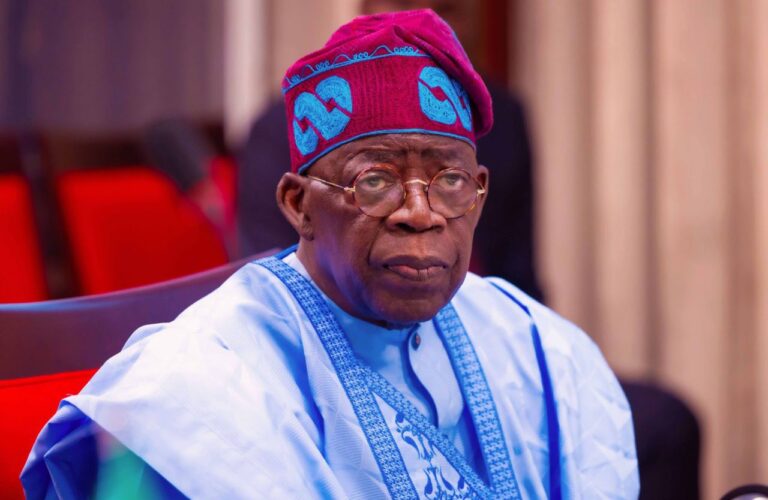
President Bola Tinubu has approved a ₦3.3 trillion payment plan aimed at clearing longstanding debts in Nigeria’s power sector, in a move expected to improve electricity supply and restore investor confidence.
The approval follows a comprehensive review of liabilities incurred under the Presidential Power Sector Financial Reforms Programme, addressing legacy debts accumulated between February 2015 and March 2025.
After a verification process, the Federal Government agreed on ₦3.3 trillion as full and final settlement of the obligations, signalling what officials describe as a decisive step towards stabilising the troubled sector.
Implementation of the plan is already underway, with 15 power generation companies signing settlement agreements valued at ₦2.3 trillion. The government has so far raised ₦501 billion to fund the initiative, out of which ₦223 billion has been disbursed, while additional payments are in progress.
Officials say the intervention is expected to strengthen the entire electricity value chain, leading to more stable power generation and improved reliability of supply to homes and businesses.
Special Adviser to the President on Energy, Olu Arowolo-Verheijen, said the programme goes beyond debt settlement to rebuilding trust within the sector.
“This initiative is not just about settling legacy debts, but about restoring confidence across the power value chain—ensuring that gas suppliers are paid, power plants remain operational, and the system functions more efficiently,” she said.
She added that the reforms are part of a broader strategy that includes improved metering and service-based tariffs designed to align electricity costs with quality of supply.
According to her, the government is also prioritising electricity access for industries, businesses and small enterprises, given the critical role of reliable power in job creation and economic growth.
President Tinubu commended stakeholders for their roles in resolving the long-standing issues and confirmed that the next phase of the programme, Series II, will commence within the current quarter.
The administration maintains that the ultimate objective is to deliver more reliable electricity to households, enhance support for businesses, and build a more efficient and sustainable power sector.
Governor of Rivers State, Siminalayi Fubara, has extended Easter greetings to residents, calling on them to embrace the virtues of sacrifice, reconciliation and unity as Christians mark the celebration.
In a goodwill message to commemorate the feast, Fubara urged the faithful to reflect on the example of Jesus Christ, whose crucifixion, he noted, brought forgiveness and reconciliation to humanity.
The governor described Easter as a sacred period that calls for the promotion of peace, love and unity, stressing the need for collective harmony across the state.
“As we celebrate Easter, I extend warm wishes to all Christians in Rivers State.
The resurrection of Jesus Christ symbolises hope, renewal and triumph over adversity. May this season bring peace, joy and spiritual growth to our lives,” he said, adding that love, compassion and forgiveness should guide citizens towards building a more united and prosperous state.
Fubara also prayed that the season would usher in renewed hope and joy for both Rivers State and Nigeria.
He commended the resilience of the Christian community and reaffirmed his administration’s commitment to delivering good governance. The governor further urged residents to sustain their support for his administration and that of Bola Ahmed Tinubu, noting that meaningful progress can only be achieved through collective effort and shared purpose.
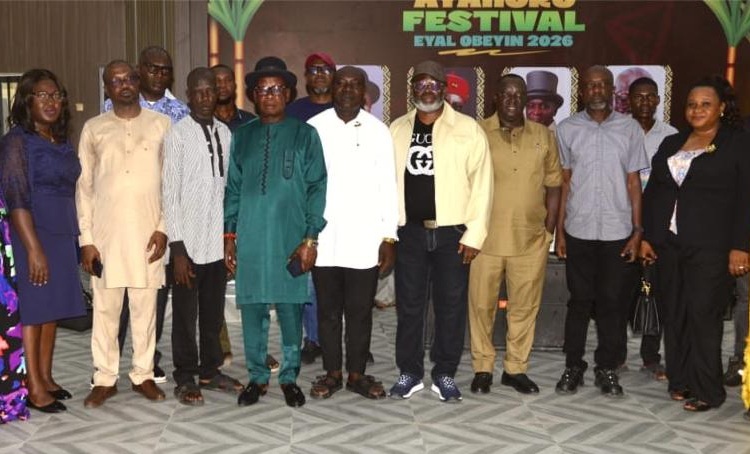
The Niger Delta Development Commission has formally handed over sites for emergency reclamation and shoreline protection projects in Onuebum and Ayakoro communities, located in Ogbia Local Government Area, marking the commencement of work aimed at tackling coastal erosion and safeguarding infrastructure.
At a ceremony held in Ayakoro Community Town Hall, the NDDC Director for Bayelsa State, Engr. Godknows Alamieyeseigha, said the formal handover was necessary to introduce the contractor and reinforce transparency in project execution. He noted that the intervention reflects the Commission’s commitment to improving livelihoods in vulnerable riverine communities.
Alamieyeseigha commended the host communities for their consistent cooperation with the Commission and its partners, urging residents to take ownership of the projects by monitoring progress and reporting any irregularities. He also called for sustained collaboration to ensure timely completion.
Speaking at the event, the NDDC Deputy Director, Community and Rural Development, Mr. Diete Amiefamonyo, highlighted the significance of the handover process in preventing conflicts with other agencies. He explained that the initiative was introduced to foster community participation and eliminate disruptions to project delivery.
He appealed to youth groups, community development committees and women leaders to work collectively in support of the contractor, while also urging the contractor to respect local customs and traditions.
The Project Consultant, Engr. Henry Okolie, said the intervention was critical, noting that shoreline collapse on both sides of the river had posed a threat to land and infrastructure. He explained that the technology being deployed would stabilise the shoreline, reclaim land and protect ongoing road construction in the area.
In his remarks, the Acting Paramount Ruler of Ayakoro, Chief Micah Itesi, assured that both Ayakoro and Onuebum communities would cooperate fully with the contractor to facilitate smooth execution and early delivery of the projects.
The shoreline protection initiative is expected to mitigate erosion, preserve livelihoods and enhance sustainable development in the affected communities.
The Socio-Economic Rights and Accountability Project has filed a suit against the Code of Conduct Bureau over its alleged failure to investigate claims of abuse of office linked to amendments to the Electoral Act and recent tax reform laws.
In the suit marked FHC/ABJ/CS/634/2026 and filed last week before the Federal High Court in Abuja, SERAP is seeking an order of mandamus compelling the bureau to probe allegations that some lawmakers improperly removed key provisions on electronic transmission of election results from the Electoral Act (Amendment) Bill during plenary.
The organisation is also asking the court to direct the bureau to investigate claims that certain lawmakers and officials within the executive arm unlawfully altered aspects of the tax reform bills, resulting in discrepancies between the versions passed by the legislature and those eventually gazetted for public use.
SERAP further urged the court to compel the bureau to refer any substantiated breaches of the Code of Conduct for Public Officers to the Code of Conduct Tribunal for prosecution.
In its application, SERAP argued that granting the reliefs sought would address concerns bordering on conflict of interest, abuse of office and non-disclosure, while reinforcing due process in legislative functions.
It contended that lawmaking tainted by personal or sectional interests undermines constitutional responsibility and violates ethical standards prescribed for public officers.
“The Code of Conduct for Public Officers is a constitutional imperative designed to ensure probity, accountability and transparency in public life. Any credible allegation of breach must be promptly and thoroughly investigated,” the organisation stated.
SERAP maintained that public office holders act in trust for citizens and must not deploy official powers for personal advantage, adding that constitutional standards of conduct apply equally to members of the legislature and the executive.
The suit, filed by its lawyers Kolawole Oluwadare, Kehinde Oyewumi and Andrew Nwankwo, argued that the processes leading to the passage of the Electoral Act amendment and the tax reform laws were allegedly marred by irregularities, including alterations to bill provisions without due debate and changes made outside legislative approval.
It further claimed that some amendments may have been introduced or removed to serve private or political interests rather than the public good.
Citing provisions of the 1999 Constitution (as amended), SERAP stressed that public officers are prohibited from placing themselves in situations where personal interests conflict with official duties, and are bound to uphold integrity in the discharge of their functions.
The organisation also referenced constitutional provisions mandating public institutions to abolish corrupt practices and abuse of power, including within the lawmaking process.
According to the suit, recent concerns were heightened after a member of the House of Representatives, Abdussamad Dasuki, raised allegations of discrepancies between harmonised tax reform bills passed by the National Assembly and versions later gazetted by the Federal Government.
SERAP argued that such alleged alterations, if proven, raise serious questions about the legality and legitimacy of both the legislative process and the final laws in circulation.
No date has been fixed for the hearing of the suit.
The Independent National Electoral Commission (INEC) has directed Resident Electoral Commissioners (RECs) across the country to suspend all publicity and logistical arrangements for the planned nationwide voter revalidation exercise.
The commission had earlier announced that the exercise would commence on April 13, 2026, as part of efforts to update the voter register ahead of the 2027 general elections.
In a notice issued by its Secretary, Rose Oriaran-Anthony, INEC instructed RECs to immediately put on hold all preparatory activities pending further directives from the commission.
Prior to the suspension, the commission had outlined a phased timetable for the exercise, beginning at the local government area (LGA) level from April 13 to May 2, followed by the registration area (RA) level from May 5 to May 11, and concluding at polling units (PUs) from May 13 to May 19.
RECs had also been directed to commence preliminary arrangements, including mobilisation of personnel and preparation of INEC Voter Enrolment Devices (IVEDs), in readiness for the exercise.
However, in a sudden shift, the commission announced that its scheduled physical meeting with RECs on Thursday, April 9, would now be conducted virtually.
“Further to the notice of meeting dated April 3, 2026, please be informed that the meeting of the commission with Resident Electoral Commissioners scheduled for Thursday, April 9 at 11:00 a.m. will now hold virtually via Zoom,” the notice stated.
INEC advised RECs to remain in their respective states and await further communication, including login details for the virtual meeting.
“Consequently, RECs are advised to remain in their states and await the login details which will be shared once the meeting is set up,” the commission added.
It further directed that all ongoing publicity and field preparations for the voter revalidation exercise be stepped down until further notice.
“RECs are also directed to step down all publicity and arrangements for the voter revalidation exercise and await further directives from the commission,” the notice said.
While expressing regret over any inconvenience caused by the abrupt changes, INEC assured commissioners that the decision was taken in consideration of prevailing circumstances, with further updates to be communicated in due course.
The Nigerian Association of Resident Doctors (NARD) has announced a nationwide action set to commence at 12 a.m. on Tuesday, April 7, following what it described as ongoing engagements with the Federal Government over welfare and remuneration concerns.
In a statement issued on Saturday, NARD’s Secretary-General, Dr. Shuaibu Ibrahim, said the decision was reached after extensive consultations with members across the country and deliberations at an Extraordinary National Executive Council meeting held virtually.
He noted that the planned action reflects the association’s collective resolve to strengthen healthcare delivery while sustaining dialogue with the government toward mutually beneficial outcomes.
According to NARD, the action will involve resident doctors in federal, state and private health institutions nationwide, even as it expressed readiness to continue negotiations and pursue timely resolutions.
Central to the dispute is the call for the reinstatement of the Professional Allowance Table, which the association described as critical to improving doctors’ welfare, boosting morale and curbing the migration of skilled medical personnel.
The association also urged the prompt payment of outstanding promotion and salary arrears owed to its members, expressing optimism that ongoing discussions would yield concrete results.
NARD further called for the immediate release of the 2026 Medical Residency Training Fund, stressing that adequate funding is essential to enhance training, support professional development and build capacity within the healthcare system.
While reiterating the need to clear all outstanding allowances, the association maintained that resolving these issues would ease financial pressures on doctors and reinforce their commitment to service delivery nationwide.
It urged members to remain united and focused, noting that its leadership remains committed to securing fair treatment, improved working conditions and a more resilient healthcare system.
The association also reaffirmed its openness to sustained engagement with relevant authorities, expressing confidence that ongoing negotiations would lead to positive outcomes for both practitioners and patients.
The Professional Allowance Table is intended to standardise remuneration for doctors, ensure consistency in payments and improve administrative efficiency within the health sector.
Observers say continued dialogue between NARD and the Federal Government presents an opportunity to address welfare concerns and safeguard uninterrupted healthcare services across the country.
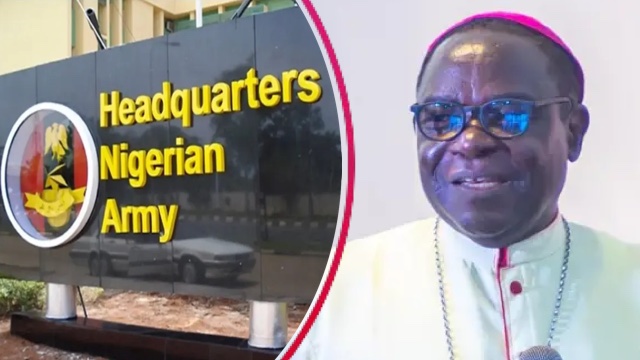
The Nigerian Army has dismissed as false reports alleging an attack on the residence of Matthew Kukah and the Sokoto Catholic Cathedral, describing the claims as misleading and unfounded.
The report, which circulated widely on Facebook, had alleged that armed assailants targeted the Bishop of the Sokoto Catholic Diocese and the cathedral.
However, in a statement, the 8 Division of the Nigerian Army and Sector 2 of Operation Fansan Yamma refuted the claims, insisting that no such incident occurred in Sokoto State.
Acting Deputy Director of Army Public Relations, Lieutenant Colonel Olaniyi Osoba, said the security situation remains calm, adding that Bishop Kukah continues his Easter engagements without disruption.
“The safety and security of the Bishop and the Sokoto Catholic Cathedral remain intact,” he stated.
The Division further assured residents that, in collaboration with other security agencies, it is committed to maintaining peace and security across Sokoto State and its area of responsibility.
It added that adequate measures have been put in place to ensure a peaceful and secure Easter celebration.
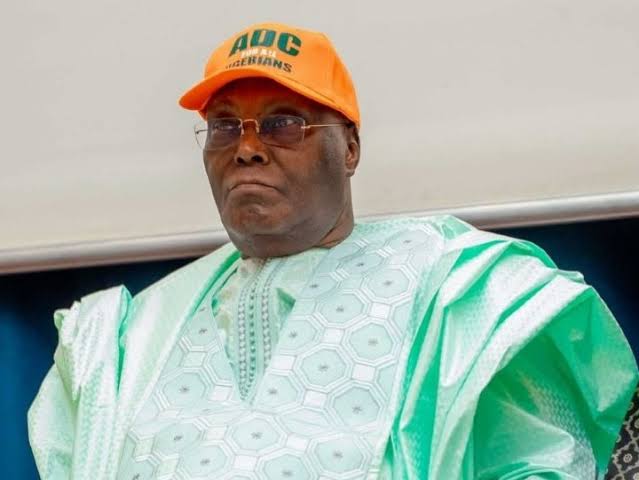
Former Vice President and chieftain of the African Democratic Congress (ADC), Atiku Abubakar, has declared his readiness to support whoever emerges as the party’s presidential candidate for the 2027 general election, including a young aspirant.
Speaking in an interview with DW Hausa, Atiku dismissed concerns over internal competition within the party, noting that the number of presidential hopefuls in the ADC remains modest compared to other political platforms.
“We will support and endorse whoever emerges as the flagbearer,” he said. “How many of us are contesting—three or four? In the PDP, more than ten of us contested.”
He emphasised the growing influence of young people within the party, describing the ADC as a platform increasingly driven by youth participation across all levels of elective politics.
“The youths have taken over the party. Most of those seeking elective positions, from councillor to State Assembly, National Assembly and House of Representatives, are young people,” Atiku stated. “We have always said our party belongs to youths and women. Our role is to create the opportunity and hand it over to them.”
On whether he would support a youthful presidential candidate, Atiku responded affirmatively: “Yes, why not?”
Reflecting on his personal journey, he added that his focus is now on the future of younger generations.
“Allah has done everything for me. I have brought my sons and grandchildren home. What will be their future and that of their children?” he said.
Atiku also downplayed fears that the Independent National Electoral Commission (INEC) could undermine the ADC’s prospects, insisting that the party continues to gain traction nationwide.
The Leader of Rivers Women Unite for Tinubu (RIWUT), Chief Ashley Igbara has held a strategic meeting with Seyi Tinubu in Abuja, as part of efforts to formally introduce the group and deepen collaboration with national support structures aligned with the vision of Bola Ahmed Tinubu.
The meeting created an avenue for the Rivers-based delegation to present its activities, structure, and objectives, while also seeking integration into broader national political support frameworks.
Speaking during the engagement, Chief Igbara explained that Rivers Women Unite for Tinubu was established to mobilize, empower, and coordinate women across Rivers State in support of progressive leadership and inclusive development.
She noted that the organization has witnessed steady growth in both structure and membership, with representatives across various levels actively promoting unity, empowerment, and increased political participation among women in the state.
According to her, the visit to Abuja was a deliberate step toward formally introducing the group to the national leadership circle and building stronger relationships with similar support groups nationwide.
Chief Igbara emphasized the commitment of Rivers women to contributing meaningfully to national development through organized engagement and sustained collaboration.
She further highlighted the group’s core focus areas, which include grassroots mobilization, women empowerment, advocacy, and support for programmes that promote good governance.
In addition, she informed Seyi Tinubu of the group’s readiness to actively participate in national programmes that align with the Renewed Hope agenda of the current administration.
The Rivers Women Unite for Tinubu leader also expressed the group’s desire to align with the City Boy Movement, noting that such collaboration would enhance participation, visibility, and coordination of women supporters from Rivers State on the national stage.
Responding, Seyi Tinubu commended the delegation for its organization, unity, and commitment, stating that he was pleased to receive the group into the fold.
He acknowledged the critical role of women in building a strong and inclusive political support base across the country and assured the delegation of support.
Seyi Tinubu further granted the group’s request to work closely with the City Boy Movement, assuring that Rivers Women Unite for Tinubu would be included in future programmes, meetings, and engagements of the movement.
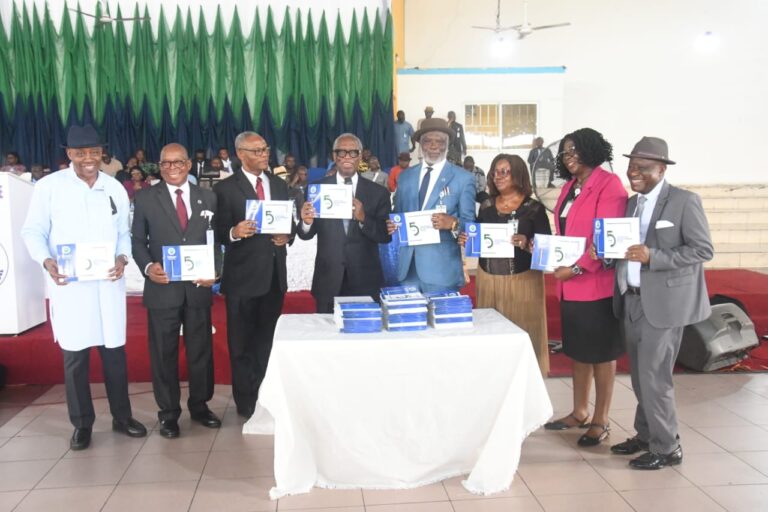
In a decisive step towards redefining its future, the Rivers State University, Nkpolu-Oroworukwo, Port Harcourt, has formally unveiled its Third Five-Year (2026-2030) Strategic Development Plan, a comprehensive roadmap designed to strengthen its position as a leading institution in Nigeria and beyond.
The unveiling took place during a high-level engagement with the Governing Council, Principal Officers and the University Congregation, at the Convocation Arena on Wednesday 25th March, 2026.
Delivering his remarks at the unveiling ceremony, the Pro-Chancellor and Chairman of Council, The Hon. Okey Wali, SAN, charged all members of the university community to align their activities with the strategic direction of the institution, emphasizing that the success of the plan depends on collective commitment. He noted that the plan is not merely a document, but a working framework that requires discipline, accountability and unity of purpose.
Pro-Chancellor, Hon. Okey Wali, presenting a copy of the Strategic Development Plan to the Provost, College of Medical Sciences, Prof. Kenneth Ordu.
According to the Pro-Chancellor, only through coordinated efforts from all stakeholders can the university fully realize its vision. “I hereby invite the Visitor to the University, donor agencies, friends and well-wishers, and all stakeholders to support and fund the implementation of this strategic plan. We are confident that this plan will take RSU to greater heights in the comity of higher institutions,” he said.
The Vice-Chancellor of the University, Prof. Isaac Zeb-Obipi, described the Strategic Development Plan as a document that would enhance the University’s corporate strengths, mitigate current weaknesses, leverage its corporate opportunities and address perceived existential threats. “This Five-Year Strategic Plan sets out RSU’s goals, strategic objectives, expected outcomes and impact; including intervention strategies,” he said.
On his part, the Chairman of the Strategic Development Planning Committee, Prof. Emeritus Joseph A. Ajienka, noted that the 2026-2030 Strategic Development Plan represents a bold reaffirmation of the university’s founding ideals of excellence, creativity, innovation and inclusivity, aimed at positioning the institution to respond effectively to contemporary challenges in higher education.
Prof. Ajienka, a member of Council, further noted that the plan was developed through an extensive and inclusive consultative process, which he said reflects contributions from Faculties, Departments, Satellite Campuses and Administrative Units.
At its core, the plan seeks to advance the university’s vision of becoming a “unique and uncommon” institution that is structurally and philosophically oriented towards solving practical societal problems and ranking among the top ten universities in Nigeria.
The strategic framework identifies six key challenges confronting the university, including funding constraints, infrastructure deficits, limited research collaboration, and service delivery inefficiencies. In response, the university has articulated four broad strategic goals supported by eight targeted objectives.
Prof. Emeritus Joseph Ajienka speaking at the Strategic Development Plan.
A central priority of the plan is the strengthening of governance and administrative systems, alongside deliberate efforts to expand the university’s funding base. These include enhanced alumni engagement, strategic partnerships and innovative fundraising initiatives aimed at ensuring long-term financial sustainability.
Equally significant is the commitment to upgrading physical infrastructure across all campuses. Plans are underway to modernize lecture halls and laboratories, expand student accommodation, improve campus security and deploy advanced ICT systems to support teaching, learning and research.
Recognizing that human capital is the backbone of institutional success, the university has placed strong emphasis on staff development, recruitment and productivity enhancement. Through targeted training programmes, mentorship initiatives and performance management systems, the plan aims to foster a highly skilled and motivated workforce.
In addition, the university is poised to deepen its focus on research, innovation and entrepreneurship. By reviewing academic curricula, strengthening industry partnerships and establishing innovation incubation centers, Rivers State University seeks to translate research outputs into practical solutions that address societal needs and drive economic growth.
The implementation of the strategic plan is projected at ₦110 billion, reflecting the scale of transformation envisioned. While the university is committed to funding a significant portion internally, additional resources will be mobilized through government support, donor agencies, alumni contributions, and public-private partnerships.
This multi-channel funding strategy aligns with the university’s broader goal of building a resilient and self-sustaining financial model capable of supporting long-term development.
To ensure effective implementation, the plan incorporates a comprehensive monitoring and evaluation framework, complete with performance and impact indicators. A mid-term review is scheduled within the first two years to assess progress and make necessary adjustments.
Furthermore, the establishment of a dedicated Strategic Planning Office will provide oversight, coordination and accountability in executing the plan across all units of the university.
As the university embarks on this transformative journey, the message from leadership is clear: the Strategic Development Plan is a collective mandate.
For staff, students, alumni and stakeholders, it represents an opportunity to contribute meaningfully to the growth and advancement of the institution. For the university, it is a pathway to consolidating its legacy while embracing innovation and global relevance.
With a clear vision, defined priorities and a united community, Rivers State University stands poised to translate this strategic blueprint into measurable progress, advancing knowledge, empowering people and shaping the future of higher education in Nigeria.