Home Blog Page 48

Army Debunks Alleged Attack On Kukah, Sokoto Cathedral, Assures Easter Security

0

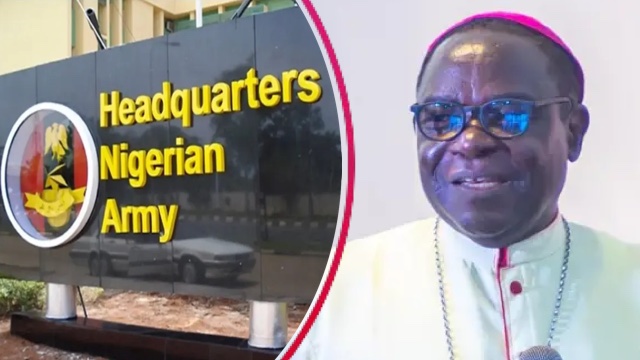
The Nigerian Army has dismissed as false reports alleging an attack on the residence of Matthew Kukah and the Sokoto Catholic Cathedral, describing the claims as misleading and unfounded.

The report, which circulated widely on Facebook, had alleged that armed assailants targeted the Bishop of the Sokoto Catholic Diocese and the cathedral.

However, in a statement, the 8 Division of the Nigerian Army and Sector 2 of Operation Fansan Yamma refuted the claims, insisting that no such incident occurred in Sokoto State.

Acting Deputy Director of Army Public Relations, Lieutenant Colonel Olaniyi Osoba, said the security situation remains calm, adding that Bishop Kukah continues his Easter engagements without disruption.

“The safety and security of the Bishop and the Sokoto Catholic Cathedral remain intact,” he stated.

The Division further assured residents that, in collaboration with other security agencies, it is committed to maintaining peace and security across Sokoto State and its area of responsibility.

It added that adequate measures have been put in place to ensure a peaceful and secure Easter celebration.

2027: I’ll Back Any ADC Flagbearer, Even A Youth — Atiku

0

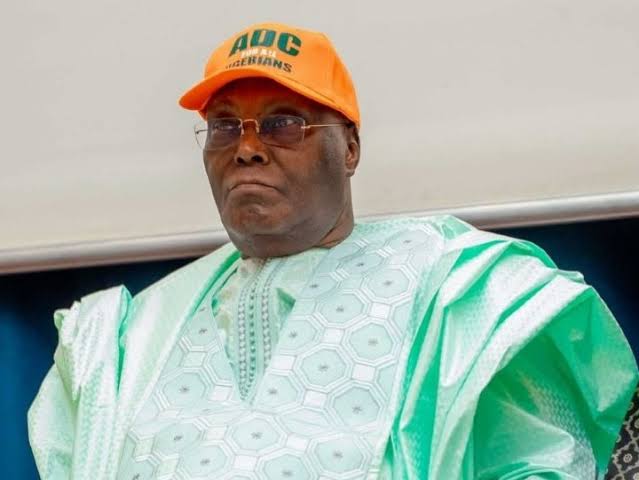
Former Vice President and chieftain of the African Democratic Congress (ADC), Atiku Abubakar, has declared his readiness to support whoever emerges as the party’s presidential candidate for the 2027 general election, including a young aspirant.

Speaking in an interview with DW Hausa, Atiku dismissed concerns over internal competition within the party, noting that the number of presidential hopefuls in the ADC remains modest compared to other political platforms.

“We will support and endorse whoever emerges as the flagbearer,” he said. “How many of us are contesting—three or four? In the PDP, more than ten of us contested.”

He emphasised the growing influence of young people within the party, describing the ADC as a platform increasingly driven by youth participation across all levels of elective politics.

“The youths have taken over the party. Most of those seeking elective positions, from councillor to State Assembly, National Assembly and House of Representatives, are young people,” Atiku stated. “We have always said our party belongs to youths and women. Our role is to create the opportunity and hand it over to them.”

On whether he would support a youthful presidential candidate, Atiku responded affirmatively: “Yes, why not?”

Reflecting on his personal journey, he added that his focus is now on the future of younger generations.
“Allah has done everything for me. I have brought my sons and grandchildren home. What will be their future and that of their children?” he said.

Atiku also downplayed fears that the Independent National Electoral Commission (INEC) could undermine the ADC’s prospects, insisting that the party continues to gain traction nationwide.

Igbara Leads Rivers Women Into Tinubu’s National Political Machinery

0

The Leader of Rivers Women Unite for Tinubu (RIWUT), Chief Ashley Igbara has held a strategic meeting with Seyi Tinubu in Abuja, as part of efforts to formally introduce the group and deepen collaboration with national support structures aligned with the vision of Bola Ahmed Tinubu.

The meeting created an avenue for the Rivers-based delegation to present its activities, structure, and objectives, while also seeking integration into broader national political support frameworks.

Speaking during the engagement, Chief Igbara explained that Rivers Women Unite for Tinubu was established to mobilize, empower, and coordinate women across Rivers State in support of progressive leadership and inclusive development.

She noted that the organization has witnessed steady growth in both structure and membership, with representatives across various levels actively promoting unity, empowerment, and increased political participation among women in the state.

According to her, the visit to Abuja was a deliberate step toward formally introducing the group to the national leadership circle and building stronger relationships with similar support groups nationwide.

Chief Igbara emphasized the commitment of Rivers women to contributing meaningfully to national development through organized engagement and sustained collaboration.

She further highlighted the group’s core focus areas, which include grassroots mobilization, women empowerment, advocacy, and support for programmes that promote good governance.

In addition, she informed Seyi Tinubu of the group’s readiness to actively participate in national programmes that align with the Renewed Hope agenda of the current administration.

The Rivers Women Unite for Tinubu leader also expressed the group’s desire to align with the City Boy Movement, noting that such collaboration would enhance participation, visibility, and coordination of women supporters from Rivers State on the national stage.

Responding, Seyi Tinubu commended the delegation for its organization, unity, and commitment, stating that he was pleased to receive the group into the fold.

He acknowledged the critical role of women in building a strong and inclusive political support base across the country and assured the delegation of support.

Seyi Tinubu further granted the group’s request to work closely with the City Boy Movement, assuring that Rivers Women Unite for Tinubu would be included in future programmes, meetings, and engagements of the movement.

RSU Unveils Five-year Strategic Development Plan, Calls For Collective Commitment To Institutional Excellence

In a decisive step towards redefining its future, the Rivers State University, Nkpolu-Oroworukwo, Port Harcourt, has formally unveiled its Third Five-Year (2026-2030) Strategic Development Plan, a comprehensive roadmap designed to strengthen its position as a leading institution in Nigeria and beyond.

The unveiling took place during a high-level engagement with the Governing Council, Principal Officers and the University Congregation, at the Convocation Arena on Wednesday 25th March, 2026.

Delivering his remarks at the unveiling ceremony, the Pro-Chancellor and Chairman of Council, The Hon. Okey Wali, SAN, charged all members of the university community to align their activities with the strategic direction of the institution, emphasizing that the success of the plan depends on collective commitment. He noted that the plan is not merely a document, but a working framework that requires discipline, accountability and unity of purpose.

Pro-Chancellor, Hon. Okey Wali, presenting a copy of the Strategic Development Plan to the Provost, College of Medical Sciences, Prof. Kenneth Ordu.

According to the Pro-Chancellor, only through coordinated efforts from all stakeholders can the university fully realize its vision. “I hereby invite the Visitor to the University, donor agencies, friends and well-wishers, and all stakeholders to support and fund the implementation of this strategic plan. We are confident that this plan will take RSU to greater heights in the comity of higher institutions,” he said.
The Vice-Chancellor of the University, Prof. Isaac Zeb-Obipi, described the Strategic Development Plan as a document that would enhance the University’s corporate strengths, mitigate current weaknesses, leverage its corporate opportunities and address perceived existential threats. “This Five-Year Strategic Plan sets out RSU’s goals, strategic objectives, expected outcomes and impact; including intervention strategies,” he said.

On his part, the Chairman of the Strategic Development Planning Committee, Prof. Emeritus Joseph A. Ajienka, noted that the 2026-2030 Strategic Development Plan represents a bold reaffirmation of the university’s founding ideals of excellence, creativity, innovation and inclusivity, aimed at positioning the institution to respond effectively to contemporary challenges in higher education.

Prof. Ajienka, a member of Council, further noted that the plan was developed through an extensive and inclusive consultative process, which he said reflects contributions from Faculties, Departments, Satellite Campuses and Administrative Units.

At its core, the plan seeks to advance the university’s vision of becoming a “unique and uncommon” institution that is structurally and philosophically oriented towards solving practical societal problems and ranking among the top ten universities in Nigeria.

The strategic framework identifies six key challenges confronting the university, including funding constraints, infrastructure deficits, limited research collaboration, and service delivery inefficiencies. In response, the university has articulated four broad strategic goals supported by eight targeted objectives.

Prof. Emeritus Joseph Ajienka speaking at the Strategic Development Plan.

A central priority of the plan is the strengthening of governance and administrative systems, alongside deliberate efforts to expand the university’s funding base. These include enhanced alumni engagement, strategic partnerships and innovative fundraising initiatives aimed at ensuring long-term financial sustainability.

Equally significant is the commitment to upgrading physical infrastructure across all campuses. Plans are underway to modernize lecture halls and laboratories, expand student accommodation, improve campus security and deploy advanced ICT systems to support teaching, learning and research.

Recognizing that human capital is the backbone of institutional success, the university has placed strong emphasis on staff development, recruitment and productivity enhancement. Through targeted training programmes, mentorship initiatives and performance management systems, the plan aims to foster a highly skilled and motivated workforce.

In addition, the university is poised to deepen its focus on research, innovation and entrepreneurship. By reviewing academic curricula, strengthening industry partnerships and establishing innovation incubation centers, Rivers State University seeks to translate research outputs into practical solutions that address societal needs and drive economic growth.

The implementation of the strategic plan is projected at ₦110 billion, reflecting the scale of transformation envisioned. While the university is committed to funding a significant portion internally, additional resources will be mobilized through government support, donor agencies, alumni contributions, and public-private partnerships.

This multi-channel funding strategy aligns with the university’s broader goal of building a resilient and self-sustaining financial model capable of supporting long-term development.

To ensure effective implementation, the plan incorporates a comprehensive monitoring and evaluation framework, complete with performance and impact indicators. A mid-term review is scheduled within the first two years to assess progress and make necessary adjustments.

Furthermore, the establishment of a dedicated Strategic Planning Office will provide oversight, coordination and accountability in executing the plan across all units of the university.

As the university embarks on this transformative journey, the message from leadership is clear: the Strategic Development Plan is a collective mandate.
For staff, students, alumni and stakeholders, it represents an opportunity to contribute meaningfully to the growth and advancement of the institution. For the university, it is a pathway to consolidating its legacy while embracing innovation and global relevance.

With a clear vision, defined priorities and a united community, Rivers State University stands poised to translate this strategic blueprint into measurable progress, advancing knowledge, empowering people and shaping the future of higher education in Nigeria.

RSU, UNITAR, CIFAL, WFP Set For Global Conference On Green, Safe Transport In Port Harcourt

0

All is now set for the 3rd International Conference organised by the Institute of Geosciences and Environmental Management (IGEM) of the Rivers State University, Nkpolu-Port Harcourt in collaboration with UNITAR-CIFAL, Nigeria, with the theme, “Green and Safe Transport: Integrated Fleet Disaster Risk and Sustainable Management.”

The four-day conference, scheduled to hold from April 7 to April 10, 2026, will take place at the Senate Building,of the university in Nkpolu, Port Harcourt, bringing together key stakeholders across the transport, maritime, logistics, and environmental sectors.

Participants are expected to arrive on April 7 for the opening ceremony which takes place the next day. The Technical Sessions and Paper Presentations will take place on April 9, while departure is on April 10, 2026.

Participants are expected from a wide spectrum of industries, including operators in air, land, and sea transport systems, as well as scholars, researchers, and professionals from oil and gas, logistics, and maritime sectors. Government agencies such as the Federal Road Safety Corps, Nigerian Maritime Administration and Safety Agency, Nigerian Inland Water Ways,relevant ministries are also billed to attend.

The Vice-Chancellor of Rivers State University, Professor Isaac Zeb-Obipi, will serve as Chief Host, while the Director of IGEM and UNITAR-CIFAL Nigeria Focal Person, Professor A. E. Gobo, is the host.
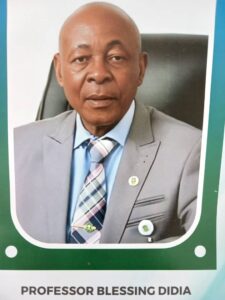
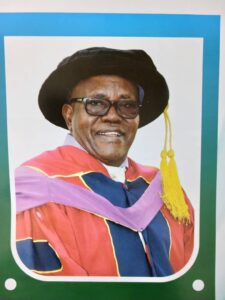
A former Vice-Chancellor of the institution, Professor Blessing Didia, will chair the occasion.

The keynote address will be delivered by Sunday Akuru, Management Services(Fleet) and the United Nations World Food Programme, Abuja. Lead paper presentations will be anchored by Estrella Merlos, Deputy Director,CIFAL Global Network and Global Head of Transport and Mobility at UNITAR-CIFAL, who also serves as co-host of the conference.

Other notable speakers include Hon. Dr. Faith Izibenua Zibs-Godwin, Bayelsa State Commissioner for Marine and Blue Economy, and Dr. Rita Owase, a logistics and fleet management specialist with extensive experience supporting United Nations operations.


The conference will be declared open by Rivers State Governor, Siminalayi Fubara, with Bayelsa State Governor, Duoye Diri also expected in attendance.

Speaking ahead of the event, Chairman of the Conference Organising Committee, Professor K. E. Okpara, expressed confidence in the preparedness of the organisers, assuring participants of a hitch-free and impactful gathering. He commended the management of the university and the UNITAR-CIFAL representative, Mrs. Ihuoma Njemanze, who also serves as Co-Chairman, for their strong support.

Goodwill messages are expected from major stakeholders in maritime and transportation services, further underscoring the conference’s relevance to sustainable development and safety in mobility systems.

The conference builds on an existing partnership between IGEM and UNITAR-CIFAL, which was strengthened following the hoisting of the UNITAR-CIFAL flag at the university. The collaboration previously facilitated international training exchanges, including a fleet safety workshop held in Abuja last year that attracted participants from six countries.

With the 2026 conference poised to commence, organisers say the event marks a significant step in consolidating gains from past engagements and advancing global discourse on sustainable and disaster-resilient transport systems.

INEC, ADC Clash Deepens As Commission Rejects Sack Call, Party Alleges One-Party Plot Ahead Of 2027

A fresh confrontation has erupted between the Independent National Electoral Commission (INEC) and the African Democratic Congress (ADC), with both sides trading accusations over legality, neutrality, and the future of Nigeria’s democracy ahead of the 2027 general elections.

INEC has firmly rejected calls for the removal of its Chairman, Prof. Joash Amupitan, describing such demands as unconstitutional and a direct threat to the independence of the electoral body. The Commission’s position follows a strong demand by the ADC for the chairman’s sack over alleged partisan conduct.

The ADC, through its National Chairman, David Mark, had at a world press conference in Abuja accused INEC of working in concert with the ruling All Progressives Congress (APC) to weaken opposition parties and pave the way for a one-party state.

Mark specifically alleged that recent actions by the Commission, including the removal of names of key ADC officials from its portal, were part of a broader strategy to undermine opposition voices ahead of 2027.

But in a swift response, INEC, in a statement signed by its Chief Press Secretary, Adedayo Oketola, maintained that its actions were strictly guided by the Constitution and a subsisting Court of Appeal judgment.

“The Chairman does not hold office at the pleasure of any political party or interest group. Any call for removal outside the established constitutional process is not only a distraction but a direct assault on the independence of the nation’s electoral umpire,” the Commission stated.

INEC explained that its decision to delist certain ADC leaders was taken to comply with a court order directing parties to maintain the status quo pending the determination of the case before the Federal High Court.

The Commission noted that failure to adhere to such orders had previously led to the removal of elected officials in states like Zamfara and Plateau, stressing that it would not repeat such mistakes.

It further clarified that it was bound by a preservative order restraining it from taking actions that could prejudice ongoing legal proceedings, including monitoring congresses or conventions linked to the disputed ADC leadership.
Citing Sections 157 and 287(2) of the 1999 Constitution (as amended), INEC insisted that its leadership could only be removed through constitutional processes and that all authorities are mandated to obey and enforce judgments of the Court of Appeal.

However, the ADC dismissed INEC’s explanations, accusing the Commission of misinterpreting the legal doctrine of status quo ante bellum to justify what it described as “unlawful interference” in the party’s internal affairs.

Mark argued that INEC’s actions had effectively created a leadership vacuum within the party, contrary to established legal principles.

“There was no time that the ADC did not have a duly constituted leadership. What INEC has done is to invent a status quo that never existed,” he said.

The ADC leadership crisis dates back to 2025, following the emergence of a new National Working Committee led by Mark after a National Executive Committee (NEC) meeting held on July 29, 2025, which was monitored by INEC officials.

According to Mark, the Commission subsequently recognised and uploaded the new leadership on September 9, 2025, before reversing course following a suit filed by a former party official.

The dispute has since escalated into multiple court cases, with rival factions laying claim to the party’s leadership.

Mark alleged that INEC’s latest move was not only in contempt of the Court of Appeal but also part of a calculated attempt to weaken opposition parties and tilt the political landscape in favour of the ruling party.

“The agenda is clear: to create a situation where, in 2027, President Bola Ahmed Tinubu emerges as the only viable option,” he said, citing worsening economic hardship and insecurity as factors that could influence voter decisions.

He further warned that INEC’s actions could undermine the ADC’s participation in upcoming off-cycle governorship elections in Ekiti and Osun states, as well as disrupt its scheduled congresses and national convention in April 2026.

While insisting that INEC’s presence is not a legal requirement for party activities, Mark declared that the ADC would proceed with its programmes as planned.

“We demand the immediate resignation or sack of the INEC Chairman and all National Commissioners. We no longer have confidence in them to conduct credible elections,” he added.

Meanwhile, INEC has rejected allegations of bias, insisting that it remains a neutral regulator committed to strengthening Nigeria’s multi-party democracy. It pointed to the recent registration of additional political parties, bringing the total number to 22, as evidence of its commitment to expanding democratic space.

The Commission also cautioned against attempts to politicise its planned nationwide voter revalidation exercise, describing it as a routine administrative audit aimed at improving the integrity of the national voter register.

INEC reaffirmed its focus on preparations for the Ekiti governorship election scheduled for June 2026 and the Osun poll in August 2026, stating that it would not be distracted by what it termed unfounded allegations.

“Our allegiance remains solely to the Constitution and the will of the Nigerian people,” the Commission said.

As tensions persist, observers warn that the unfolding dispute between the electoral umpire and a major opposition party could have far-reaching implications for Nigeria’s democratic process if not carefully managed.

APC National Vanguard Backs Fubara’s Second Term, Cites Performance Over Politics

0

The APC National Vanguard has urged Bola Ahmed Tinubu and the leadership of the All Progressives Congress (APC) to support a second-term bid for Siminalayi Fubara, pointing to what it described as measurable development strides across Rivers State.

In a statement issued on Thursday, the group’s National President, Gbenga Salam, said the call followed an extensive assessment tour of infrastructure and public service projects executed by the Fubara administration.

According to the group, its recommendation was anchored on performance rather than partisan alignment, stressing that governance outcomes should take precedence in a state as economically strategic as Rivers.

“We respectfully urge President Bola Ahmed Tinubu and the leadership of the APC to support the continuity of Governor Siminalayi Fubara beyond his current tenure, in recognition of his commitment to development, prudent resource management and people-focused governance,” the statement read.

The group disclosed that its delegation inspected multiple project sites, including road construction and urban renewal initiatives, noting that the scale and spread of the projects reflect a deliberate effort to extend development beyond major urban centres to underserved communities.
“Our findings reveal a government that is not only active but intentional in its development agenda.

The execution of capital projects across various parts of Rivers State demonstrates a clear understanding of the needs of the people and a commitment to addressing them,” Salam said.

It also commended what it described as prudent financial management, noting that the projects reviewed showed evidence of careful planning and efficient allocation of resources.

“At a time of economic pressure nationwide, it is commendable that the Rivers State government has deployed its resources to deliver visible and impactful development without signs of fiscal recklessness,” the group added.

The APC National Vanguard further observed that despite political tensions in the state, the Fubara administration has remained focused on governance, sustaining project execution and service delivery.

It argued that such stability is critical for sustained development and should be preserved.

“Leadership must be judged by results. In Rivers State, there is clear evidence of progress — projects that are not only announced but executed, and policies that translate into tangible benefits for citizens,” Salam noted.

The group warned that a break in leadership continuity could stall ongoing projects and reverse gains already recorded, stressing the need to consolidate current achievements.

“Rivers State is at a pivotal stage where continuity will enable the completion of ongoing initiatives and deepen development gains. Supporting Governor Fubara for a second term is in the best interest of the people,” the statement said.

The group also reaffirmed its support for President Tinubu, expressing confidence in his administration’s economic and governance reforms, and urged Nigerians to sustain backing for efforts aimed at stabilising the economy and strengthening public institutions.

It concluded by calling on political actors to prioritise development and public interest above partisan considerations, insisting that governance should be guided by performance and accountability.

Bridging Generations: CIFAL Nigeria’s Nzemanje Charts Shared Future For Women

0

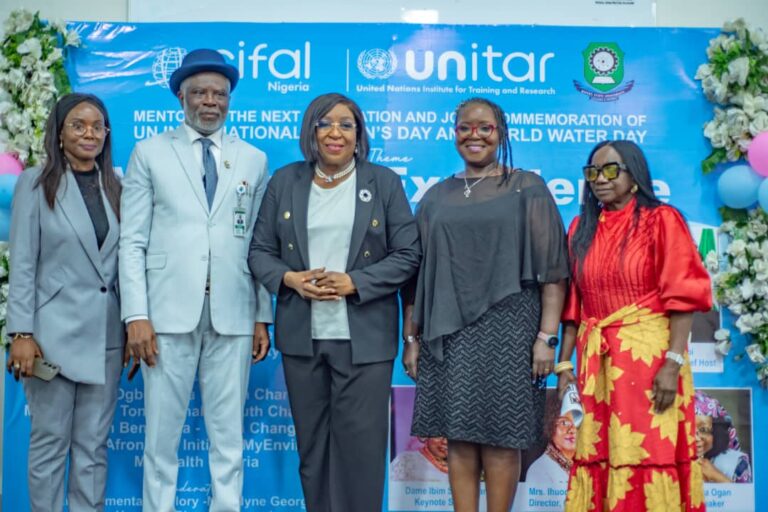
It began as a formal gathering, distinguished guests, policymakers, academics, and young leaders seated in quiet anticipation. But what unfolded at the Rivers State University was far more than ceremony. It became a powerful narrative of convergence, delivered through the voice and vision of the CIFAL Nigeria representative, Mrs Ihuoma Nzemanje.

Speaking with clarity and conviction, Mrs Nzemanje framed the launch of the ‘Voices of Experience’ at CIFAL Nigeria not as an isolated milestone, but as part of a larger global movement, rooted in collaboration, continuity, and purpose.
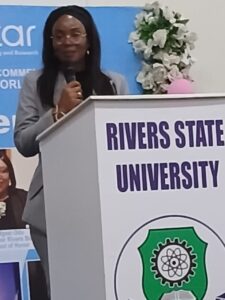
According to her, the moment demanded more than applause. It demanded alignment. “This is not just an event,” she emphasised. “It is a call to reflection, to celebration, and most importantly, to commitment—a commitment to building bridges between generations.”

At the centre of her address was CIFAL Nigeria itself, now fully operational at the Rivers State University. She traced its origins to the CIFAL Global Network, established in 2003 by UNITAR to advance the Sustainable Development Goals through training and multistakeholder collaboration across continents.

But for Mrs Nzemanje, institutions alone do not create change, people do.

She painted a vivid contrast between generations. On one side, she reflected, stand the women who fought relentlessly, often against entrenched systems, to secure rights now taken for granted. Their victories, she noted, were slow, deliberate, and deeply structural.

She referenced the landmark 1995 Beijing Conference as a defining example, where sustained advocacy led to the recognition of gender-based violence as a human rights issue. “It was painstaking work,” she said, “but it built frameworks that endure.”

On the other side stands Gen Z—digital natives who, in her words, are “impatient with slow progress and bold in their demands for justice.” She pointed to recent youth-led mobilisation in Nigeria, where activists used social media platforms to rally support for girls’ education in flood-affected communities, achieving in weeks what once took years.

“Their speed is remarkable,” she observed. “Their visibility is undeniable.”

Yet, rather than positioning these approaches in opposition, Mrs Nzemanje offered a unifying perspective.

“The future,” she said, “does not lie in choosing one over the other. It lies in bringing both together.”

She illustrated this through a compelling example from Kenya, where women elders who once championed land rights are now collaborating with youth climate activists. By combining lived experience with digital innovation, they are advancing both gender equality and climate action.

“This,” she noted, “is what progress looks like when generations work together.”

It is precisely this model that the Voices of Experience Forum seeks to institutionalise.

Describing the Forum as a “bridge,” Mrs Nzemanje outlined its purpose with precision: a platform for intergenerational dialogue, mentorship, and capacity building; a space where historical perspective informs modern strategy; and a hub where advocacy evolves into measurable outcomes.

She was particularly emphatic about the role of elders—not as distant figures of authority, but as active mentors. “They carry the memory of struggle,” she said. “They remind us that persistence is as important as speed.”

At the same time, she acknowledged the transformative energy of youth. “They challenge us to move faster, think differently, and act boldly.”
Between the two, she suggested, lies the true engine of sustainable development.

Her speech also paid tribute to women whose leadership continues to shape Nigeria and the wider world. Ngozi Okonjo-Iweala, she noted, exemplifies how activism can evolve into institutional reform. Oby Ezekwesili demonstrates the power of persistence amplified on a global stage, while Funmilayo Ransome-Kuti reminds us that transformative movements often begin at the grassroots.

Beyond Nigeria, she highlighted figures such as Ellen Johnson Sirleaf, Leymah Gbowee, and Graça Machel—women whose contributions underscore the global nature of the struggle for equality.

Closer to Rivers State, she recognised leaders like Ngozi Nma Odu and Henrietta Ogan, whose careers reflect the powerful intersection of education, governance, and community impact.
“These are not just stories,” Mrs Nzemanje said. “They are blueprints.”

Looking ahead, she outlined the Forum’s ambitions: to engage young changemakers, mobilise stakeholders, and position CIFAL Nigeria as a centre for inclusive leadership and sustainability. Through initiatives such as training programmes, exchanges, entrepreneurship platforms, and SDG-focused learning, the Centre will link local action to global priorities.

But it was her closing reflection that lingered most powerfully.
“Change is not a baton passed,” she said. “It is a bridge built.”

In that single line, Mrs Nzemanje captured the essence of the moment—not as a transfer of responsibility, but as a shared construction of the future.

At Rivers State University, that bridge is no longer an idea. Under her vision, it is taking shape—rooted in history, driven by youth, and strengthened by collaboration.

And if her words are any guide, the path forward is clear: the future will not be claimed by one generation, but built—together.


Rivers Pushes Data-Driven Reforms To Revamp Health Sector, Strengthen Workforce

0

Rivers State Government has underscored the imperative of adopting data-driven strategies to reposition its health sector, with a strong focus on strengthening the healthcare workforce.

Deputy Governor, Prof. Ngozi Nma Odu, made this known at a High-Level Health Labour Market Analysis (HLMA) advocacy meeting held at the Government House, Port Harcourt, on Wednesday.

She stressed that sustainable health sector reforms must be anchored on accurate and timely data, noting that the HLMA framework provides critical insights into employment trends, skill gaps, workforce needs, and emerging opportunities within the health ecosystem.

According to her, the initiative also promotes inclusive growth by identifying vulnerable populations and enabling targeted interventions that equip youths, women, and marginalised groups with relevant skills.

Odu reaffirmed the commitment of Governor Siminalayi Fubara’s administration to evidence-based decision-making in reshaping the state’s healthcare system.

She said the administration’s Health4AllRivers Strategy reflects a comprehensive agenda focused on access, medical commodities, health security, financing, data management, and governance.

The deputy governor added that the state had already employed 2,000 health workers as part of efforts to bridge workforce gaps and improve service delivery.

She commended the Federal Ministry of Health for selecting Rivers State for the HLMA Technical Assistance Programme, describing the state as a model among its peers.

She also acknowledged the support of development partners, including the Global Fund and the Clinton Health Access Initiative, as well as the contributions of former Commissioner for Health, Dr. Adaeze Oreh.

Permanent Secretary, Rivers State Ministry of Health, Prof. Justina Jumbo, described the meeting as a critical step towards strengthening governance, planning, and management of the health workforce. She disclosed that more than half of the state’s health personnel are deployed at the primary healthcare level, while about 30 per cent are in tertiary institutions, with fewer in the private sector.

Representing the Federal Ministry of Health, Mr. John Okobia said Rivers State emerged as the sole beneficiary of the technical assistance after a rigorous selection process involving all states and the Federal Capital Territory.

He explained that the initiative, which began at the federal level, is designed to provide a clear understanding of the supply and demand dynamics of healthcare workers, expressing confidence that it would enhance workforce planning outcomes.
In goodwill messages, representatives of the Clinton Health Access Initiative and the World Health Organization commended the state government’s openness to partnerships aimed at improving public health outcomes.

Also speaking, the State Project Coordinator for HLMA, Dr. Julienne Darlington Nwoke, said the programme is focused on strengthening leadership structures, defining clear objectives, and establishing implementation timelines for effective health workforce management.

She added that the initiative would support the creation of a coordinated framework involving the Ministry of Health, relevant ministries, departments and agencies, and development partners to drive sustainable improvements in the health sector.

Rivers Targets Wider Health Coverage with BHCPF Phase II Enrolment Drive

0

The Executive Secretary/Chief Executive Officer of the Rivers State Contributory Health Protection Programme (RIVCHPP), Dr. Vetty Agala, has underscored the strategic importance of Basic Health Care Provision Fund (BHCPF) gateway forum meetings in strengthening healthcare delivery across the state.

Agala made the assertion while declaring open the 2026 first quarter BHCPF gateway forum meeting in Port Harcourt on Tuesday.

She explained that the forum provides a platform for critical self-assessment among implementing gateways, enabling stakeholders to interrogate service delivery, identify existing gaps, and develop practical solutions to enhance healthcare outcomes for residents.

According to her, the state health insurance agency is finalising modalities to commence facility-level enrolment under Phase II of the BHCPF, with an emphasis on integrating National Identification Number (NIN) data to expand coverage and improve access to services.

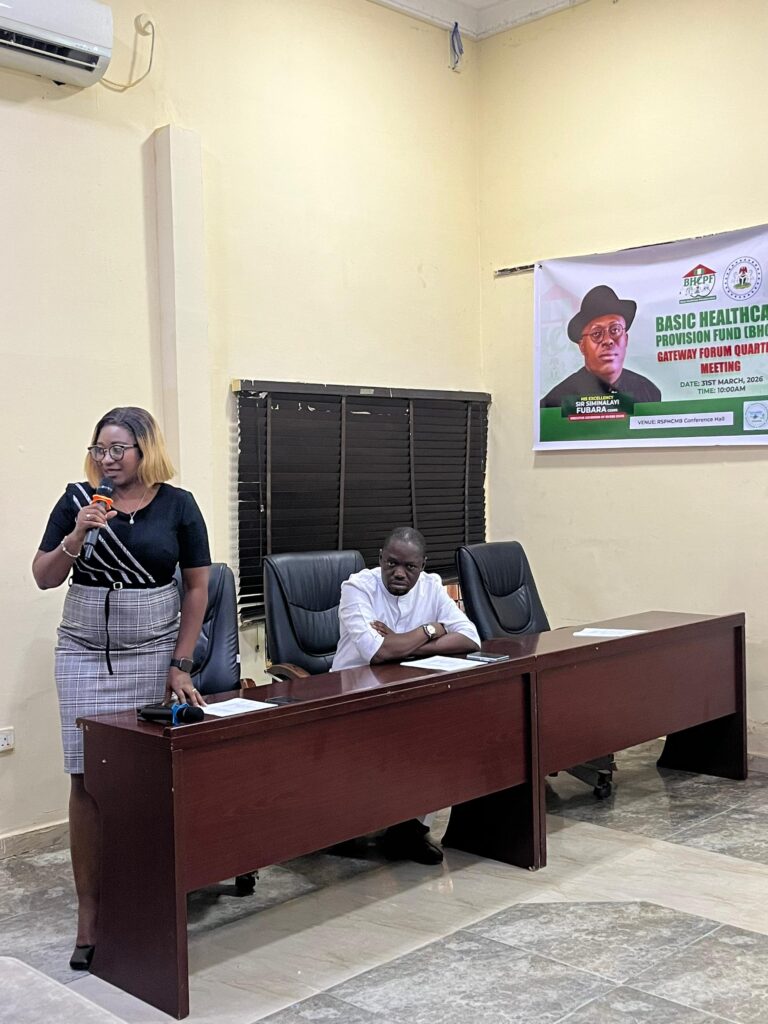
Dr. Dede Seiyeofori of Rivers State Primary Health Care Management Board giving a goodwill message at the meeting.

In a goodwill message, Director of Planning, Research and Statistics at the Rivers State Primary Health Care Management Board, Dr. Dede Seiyeofori, urged participants to engage openly and share experiences that would aid in identifying operational challenges and proffering effective solutions.

Also speaking, Director of Planning, Research and Statistics at the Rivers State Ministry of Health, Dr. Julienne Darlington-Nwoke, noted that the quarterly meetings have recorded steady improvements, describing them as critical platforms for evaluating the performance of various gateways, particularly in delivering care to vulnerable populations.

She commended RIVCHPP for its sustained efforts in expanding healthcare access through effective oversight of services at primary health centres across the state.

On his part, the State Epidemiologist and head of the Nigeria Centre for Disease Control (NCDC) gateway in Rivers State, Dr. Victor L. Abiikor, described the meeting as impactful, noting that it enables gateway operators to assess performance and address identified gaps in service delivery.
He added that the forum is vital to public welfare, as BHCPF-funded services ensure that residents, especially the underserved, can access healthcare without direct financial burden.

Similarly, Chairman of Medical Officers of Health (MOH) in the state, Dr. Remmyson Keke, said the periodic reviews have strengthened primary healthcare services by enhancing supervision and encouraging efforts to close identified gaps.

The meeting brought together representatives of the four BHCPF gateways—REMSAS, Rivers State Primary Health Care Management Board (RSPHCMB), NCDC, and RIVCHPP—as well as key development partners, including the National Health Insurance Authority (NHIA), the World Health Organization (WHO), and the Clinton Health Access Initiative (CHAI), among others.