

Home Blog Page 45

State Police: Panel Proposes Four-Phase Transition, N813bn Reform Plan

0

The Steering Committee on the Establishment of State Police has proposed a four-phase transition roadmap for the creation of state policing structures, outlining a comprehensive reform plan estimated to cost up to N813 billion over five years.

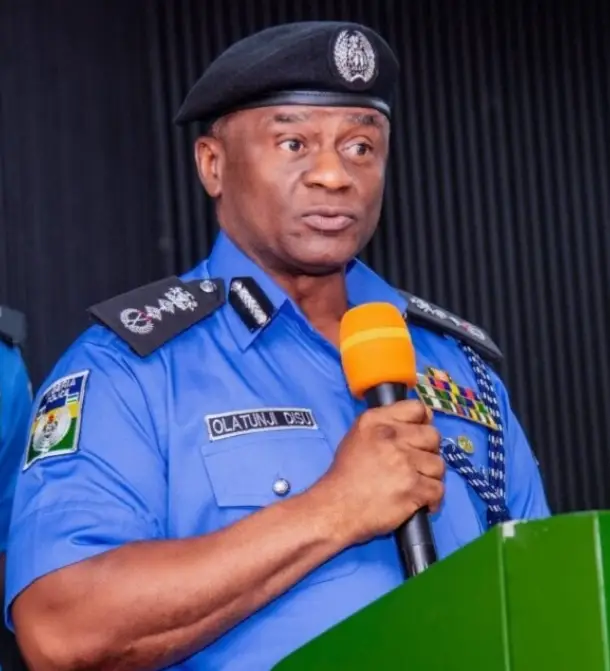
The recommendation is contained in a report by the committee, constituted by the Inspector-General of Police, Olatunji Disu, and obtained by The Atlantic Bell on Friday.

Chaired by Olu Ogunsakin, the eight-member committee was inaugurated on March 4 and tasked with developing an operational framework for state policing within one month.

The panel is also mandated to guide the implementation of state-level policing to complement the federal system and address rising security challenges, including frameworks for recruitment, training and funding.

According to the report, the proposed transition will span 60 months and be executed in four phases.

Phase one (months one to 12) will focus on legal and constitutional procedures, including amendments to Sections 213 and 215 of the 1999 Constitution, enactment of a State Police Act by the National Assembly, and passage of enabling laws by all 36 states and the Federal Capital Territory (FCT).

The phase will also involve the establishment of State Police Service Commissions and ombudsman offices across the states.
Phase two (months 13 to 24) will cover personnel transfer, with the introduction of Voluntary Transfer Programmes (VTP) to allow officers of the federal police to move to state commands.

In phase three (months 25 to 42), state police operations will commence fully, with responsibility for local policing shifting to state authorities, while the federal force refocuses on national duties.

Phase four (months 43 to 60) will consolidate the reform, including full reorganisation of the Federal Police Service.

The committee emphasised that constitutional and legal frameworks must precede implementation, warning that institutional structures must be built from the ground up in all states.

It recommended the establishment of fully functional state police services, including service commissions, ombudsman offices, community policing forums at the local government level, as well as ICT systems, custody facilities and forensic capabilities.

The report also called for the creation of a National Police Standard Board to oversee compliance and operations across six zonal offices.

It projected an establishment cost ranging from N589 billion to N813 billion, noting that the financial burden necessitates phased implementation.

On manpower, the committee said each state police service would recruit and train a new cadre of officers alongside personnel transferred from the federal force.

It added that the first batch of recruits would be enrolled in phase two, with deployment commencing in phase three, while a mandatory 40-hour Continuous Professional Development (CPD) programme would be instituted for all officers.
The report further highlighted the need for a National Police Intelligence Portal, a national criminal records system, and an upgraded Automated Fingerprint Identification System (AFIS), alongside full ICT integration across all state and federal police formations.

It estimated that national ICT infrastructure alone would cost between N65 billion and N95 billion, with full integration expected by the final phase.

The committee stressed the importance of safeguarding officers’ rights, noting that no personnel should be involuntarily dismissed and that pension and welfare entitlements must be protected.

It concluded that the 60-month transition period represents the minimum timeframe required to restructure the country’s policing architecture, citing the need to redeploy over 273,000 officers, establish 37 police services, enact legal frameworks, and build critical infrastructure without disrupting public security.
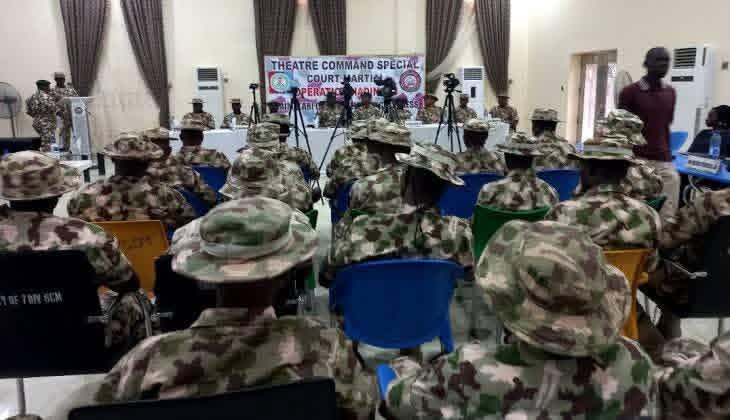
Alleged Coup: Military Constitutes Court-Martial, Begins Trial Of Accused Officers

The Nigerian military on Friday inaugurated a General Court-Martial to try officers accused of involvement in an alleged coup plot, formally commencing proceedings after months of investigation.

The accused officers were brought under heavy security to the Guards Brigade Scorpion Mess, Asokoro, Abuja, at about 8:53 a.m.

Journalists were denied access to the courtroom as proceedings began behind closed doors, while several civil lawyers were seen arriving at the venue, indicating legal representation for the defendants.

The sitting marks the start of the military’s internal judicial process following investigations into the alleged plot.

The case dates back to October 2025, when about 16 serving military personnel, including both senior and junior officers, were arrested over alleged acts of indiscipline.

Subsequent investigations by military authorities reportedly found that some of the officers had cases to answer relating to an alleged attempt to overthrow the constitutional government, prompting their trial by court-martial.

More than 30 accused officers were transported to the venue in a Marcopolo luxury bus.
In a related development, the Federal Government had earlier arraigned several civilian suspects and retired military personnel before the Federal High Court in Abuja over the same alleged coup plot.
The defendants, including a retired Major General and a serving police officer, were charged with offences bordering on treason and terrorism. They all pleaded not guilty.
The court subsequently ordered their remand in custody pending the hearing of their bail applications.

The parallel proceedings highlight a dual-track approach, with serving military personnel facing court-martial, while civilians and retired officers are being prosecuted in civilian courts.

Further details of the court-martial proceedings were not available at the time of filing this report.

NDDC Strengthens Push For Women’s Leadership, Capacity Building In Niger Delta

The Niger Delta Development Commission (NDDC) has reaffirmed its commitment to advancing women’s development and leadership as part of efforts to drive sustainable growth in the Niger Delta.

Speaking at a summit for the Commission’s female directors in Port Harcourt, the Managing Director, Samuel Ogbuku, lauded the contributions of women to the development of the oil-rich region.

A press statement signed and issued by Seledi Thompson-Wakama, Director, Corporate Affairs of the NDDC stated that
Ogbuku, who was represented by the Director of Administration and Human Resources, Kelechi Nwelue, stressed that no institution can thrive without the active participation of women, urging them to remain committed to their responsibilities.

He noted that women account for about 35 per cent of the Commission’s management cadre, describing the summit as a strategic initiative aimed at strengthening their capacity and inspiring greater dedication to duty. He also highlighted the importance of mentorship, saying that empowering women creates a multiplier effect that accelerates development.

In her remarks, the Chairperson of FIDA Nigeria, Rivers State branch, Tamunoibuemi Life-George, emphasised the need for synergy, mentorship and integrity-driven leadership. She cautioned against misuse of authority and urged female directors to serve as role models for younger professionals.
Life-George underscored the value of transformational leadership, noting that effective leadership must be reflected in daily conduct and service delivery.

Also speaking, the Chief Executive Officer of The Reach Nigeria Foundation, Benedicta Ebiere Ayerite, called on female directors to build intentional influence within their workplaces. She stressed that leadership must be anchored on integrity, accountability and purpose, adding that responsible use of authority is key to achieving lasting change within the Commission and the region.

In a presentation, a Consultant and Senior Lecturer in the Department of Family Medicine at Rivers State University, Ununuma Oguzor, highlighted the importance of health and wellness for female leaders.

She advised regular medical check-ups, particularly for women aged 40 and above, and urged participants to adopt proactive health management practices.
Oguzor also drew attention to early signs of stress-related conditions, encouraging healthy lifestyles that include regular exercise, adequate rest and timely medical consultation.

The summit formed part of the Commission’s broader efforts to deepen institutional capacity and promote inclusive leadership across its operations.

FG Unveils ₦10bn Housing Loan Scheme To Boost Civil Servants’ Welfare, Productivity

The Federal Government has approved a ₦10 billion housing loan scheme aimed at expanding access to home ownership among civil servants, the Head of the Civil Service of the Federation, Didi Walson-Jack, has announced.

Speaking at a press briefing in Abuja on Friday, Walson-Jack said the initiative would be implemented through the Federal Mortgage Bank of Nigeria and the Federal Government Staff Housing Loans Board.

She explained that the scheme is designed to strengthen stability within the civil service by enabling workers to own homes, thereby enhancing morale and productivity.

“The Federal Government has approved a ₦10 billion housing loan scheme to improve access to home ownership for civil servants. This loan will be facilitated through the Federal Mortgage Bank of Nigeria and the Federal Government Staff Housing Loans Board,” she said.
Walson-Jack noted that home ownership plays a critical role in shaping workers’ commitment and efficiency.

“There is a saying that a person who owns their own home stands differently. When a civil servant knows that their family has a place they can call their own, they come to work with more stability, focus and purpose,” she added.

She described the initiative as part of a broader reform agenda, stressing that it reflects the administration’s governance philosophy rather than a mere welfare intervention.

“What you are witnessing is not simply a welfare package; it is a philosophy. A well-supported civil servant is a more effective civil servant, and a more effective civil service delivers a stronger Nigeria,” she said.

Highlighting ongoing reforms, Walson-Jack said efforts are underway to modernise the public service through digital transformation, transparency and improved efficiency.
“We are building the civil service of tomorrow — one that is digital, paperless, efficient, transparent and innovation-driven,” she stated.

She reaffirmed her commitment to enhancing the capacity and welfare of civil servants nationwide, ensuring they are equipped with the necessary tools and institutional support.

The Head of Service also underscored the importance of inter-agency collaboration in achieving these reforms, citing contributions from key institutions such as the Office of the Secretary to the Government of the Federation, the Budget Office of the Federation and the Office of the Accountant General of the Federation.

According to her, the achievements recorded are the result of sustained cooperation across ministries, departments and agencies.

“This is the power of collaboration — institutions working in concert towards a shared national purpose,” she said, urging MDAs to sustain the momentum across all areas of governance.

Looking ahead to Workers’ Day on May 1, Walson-Jack said this year’s celebration would hold special significance for civil servants.

“For the first time in a long time, civil servants can point to concrete evidence that their contributions are valued at the highest levels,” she noted.

She added that the commemoration provides an opportunity not only to reflect on past struggles but also to renew commitments to workers’ welfare.

“Workers’ Day is about renewing the promise that those who serve this nation will be treated with justice, fairness and gratitude,” she said.

Walson-Jack also commended civil servants for their resilience and professionalism despite challenging conditions, assuring them that their sacrifices have not gone unnoticed.

Port Harcourt Hosts Unveiling of Albert Badey Development Centre, Saturday

0

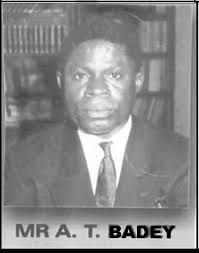
All arrangements have been concluded for the formal unveiling of the Albert Badey Centre for Development (ABCD), scheduled for Saturday, April 25, at the E.U.I. Event Centre in Port Harcourt, Rivers State.

Dignitaries, associates and admirers of the late Ogoni leader have begun arriving in the city ahead of the ceremony, which will also feature a posthumous 90th birthday commemoration in his honour.

A statement issued by Blessing Wikina
Head, Media Sub-Committee for ABCD Unveiling stated that the centre, conceived as a legacy project, will house an Institute for Peace and Policy named after Sir Gabriel Toby, former Deputy Governor of Rivers State. Both men served the state in earlier years as Permanent Secretaries.

The statement also indicated that a former Commissioner in the old Rivers State, Dr Emmanuel Denenu, is billed to deliver the keynote address at the event.

The ABCD is established in recognition of Badey’s contributions to the development of Ogoniland, where he played a pivotal role in the creation of four local government areas from the former Ogoni Division. He is also credited with facilitating the siting of the state’s first polytechnic in the area.

The unveiling is expected to draw stakeholders from across Rivers State and beyond, in celebration of a life widely regarded as instrumental to the advancement of the Ogoni people.

Fubara Endorses Tinubu’s Second Term, Urges Unity To Sustain Reforms

0

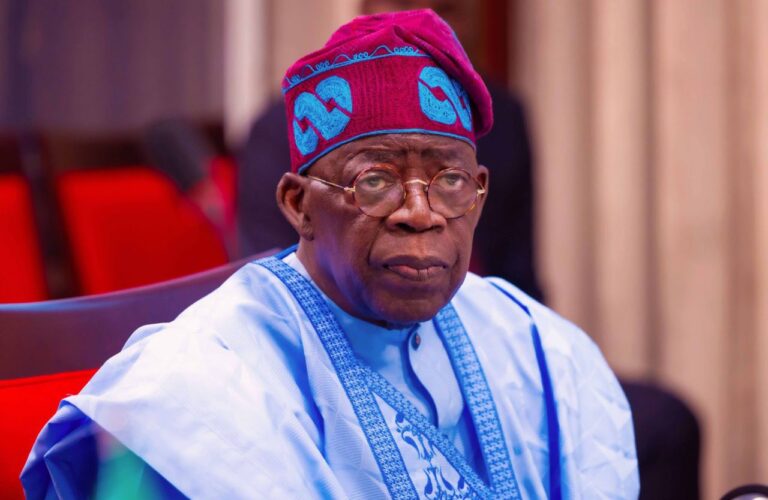
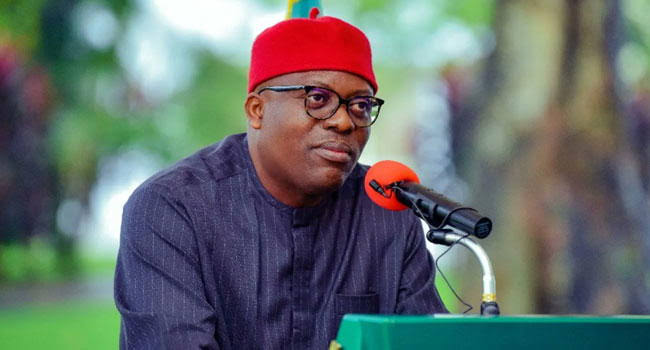
Governor Siminalayi Fubara of Rivers State has thrown his weight behind the re-election of President Bola Ahmed Tinubu, citing the need for continuity to consolidate ongoing reforms and development strides.

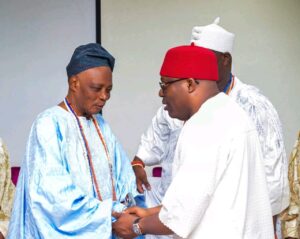
Fubara made the declaration on Thursday in Port Harcourt while hosting members of the Southern Traditional Rulers Council, drawn from the 17 southern states, at a meeting focused on unity, security, and economic growth.

The governor acknowledged prevailing economic and social challenges but maintained that the current administration has made measurable progress in stabilising the economy and advancing infrastructure, pointing to flagship initiatives such as the coastal road project.

“It is not ideal to change the goalposts in the middle of the game,” Fubara said, stressing that policy consistency and leadership continuity are critical to sustaining reforms.

He called on stakeholders across the southern region to close ranks in pursuit of shared development objectives, emphasising that unity remains indispensable for long-term progress.

Fubara also highlighted the significance of the high-level gathering, noting that the presence of traditional rulers underscored the relative peace in Rivers State and its capacity to host national engagements.

Earlier, the Ooni of Ife, Adeyeye Enitan Ogunwusi, who chairs the council, said the forum was convened to deepen unity and promote peaceful coexistence across the region. He described the council as a reflection of Nigeria’s rich diversity, with over 400 dialects spoken in the southern states.

According to Ogunwusi, the Port Harcourt meeting marks the fourth in the series, following previous sessions in Imo, Ogun, and Lagos states, and serves as a platform for traditional rulers to deliberate on shared values and collective interests.

He added that the council would explore avenues to support the federal government in tackling security and economic challenges, noting that participation, though voluntary, is vital for national development.

The meeting was attended by prominent monarchs from the South-South, South-East, and South-West, including co-chairman Cletus Illomuanya and the Olubadan of Ibadan, Rashidi Adewolu Ladoja.

APC Shifts Presidential Primary To May 23 As Tinubu Meets Governors Ahead Of 2027 Race

0

The All Progressives Congress (APC) has rescheduled its presidential primary election to May 23, 2026, from the earlier dates of May 15 and 16, as part of adjustments to its timetable for the 2027 general elections.

The party also fixed its governorship primaries for May 21, 2026, alongside revised dates for other nomination processes, following deliberations at the 186th National Working Committee (NWC) meeting held in Abuja.

APC Deputy National Publicity Secretary, Duro Meseko, who briefed journalists after the meeting, said the changes were in line with provisions of the Electoral Act 2026 and the timetable released by the Independent National Electoral Commission (INEC).

He disclosed that the sale of nomination forms would run from April 25 to May 2, while the deadline for submission has been fixed for May 4, 2026. Screening of aspirants across all categories, including presidential hopefuls, has also been rescheduled, with the presidential screening slated for May 9.

According to the revised timetable, primary elections will begin with the House of Representatives on May 15, followed by the Senate on May 18, State Houses of Assembly on May 20, governorship on May 21, and the presidential primary on May 23.

Meseko added that the party would adopt both direct and consensus modes of primaries, noting that while consensus would be encouraged, any disagreement among aspirants would automatically trigger direct primaries.

He also dismissed claims that nomination forms were being reserved for select individuals, insisting that the process remains open to all qualified aspirants.

Meanwhile, the electoral body has scheduled the presidential and National Assembly elections for January 16, 2027, with governorship and State Assembly polls to follow on February 6. It also fixed the window for party primaries and dispute resolution between April 23 and May 30, 2026.

In a related development, President Bola Ahmed Tinubu is currently meeting with APC governors at the Aso Rock Presidential Villa, in what observers see as a strategic consultation ahead of the party’s primaries.

The meeting, holding at the Council Chamber, comes barely three weeks before the commencement of the party’s nomination contests.

Governors in attendance include Babagana Zulum, Hope Uzodimma, Hyacinth Alia, Inuwa Yahaya, Biodun Oyebanji, Peter Mbah,

Rivers Reaffirms Backing for Private Health Providers, Seeks Stronger Partnership At ANPMP Conference

0

The Rivers State Government has reiterated its commitment to deepening collaboration with private medical practitioners as part of efforts to improve healthcare delivery across the state and the country.
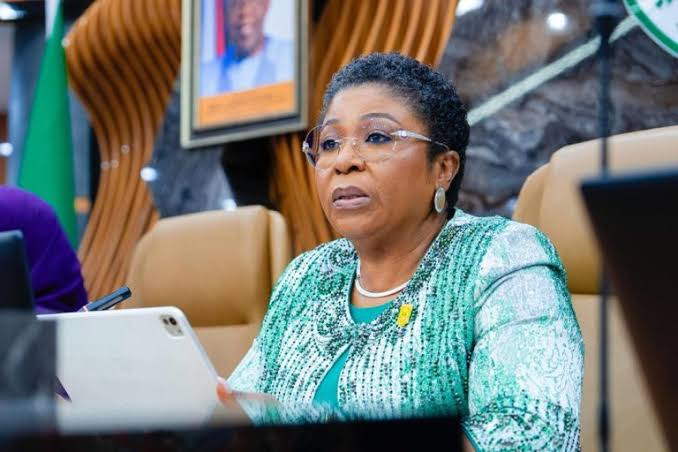
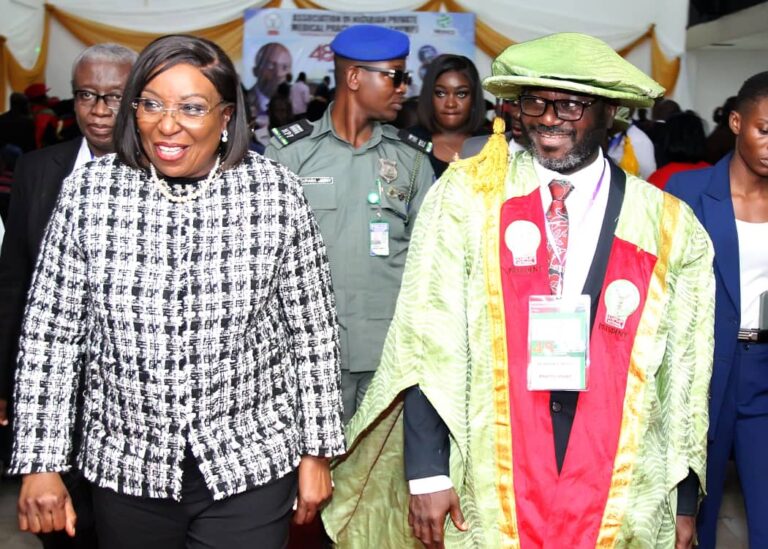
Deputy Governor Ngozi Nma Odu restated the position on Thursday at the 48th Annual General Meeting and International Scientific Conference of the Association of Nigerian Private Medical Practitioners, held at the Dr. Obi Wali International Conference Centre.

Odu commended members of the association for their resilience and vital contributions to healthcare delivery, noting that private practitioners cater to between 60 and 70 per cent of Nigeria’s population. She described the conference theme, “Enhancing Healthcare Delivery in Nigeria: The Role of Private Medical Practitioners,” as both apt and timely.

Highlighting the growing role of the private sector in addressing emerging health challenges, the deputy governor also drew attention to the risks faced by practitioners, including kidnapping and violent attacks, describing their sacrifices as critical to sustaining healthcare services nationwide.

She reaffirmed the commitment of the administration of Governor Siminalayi Fubara to policies that promote quality healthcare, attract investment, and create an enabling environment for medical professionals to thrive. According to her, sustained synergy between public and private actors remains essential to building a resilient and inclusive health system.

Odu further spotlighted the state’s health insurance scheme, the Rivers State Contributory Health Protection Programme, which partners with private health facilities to expand access to care. She disclosed that the initiative has funded several medical procedures, including surgeries, through such collaborations.

She urged participants to utilise the conference as a platform for meaningful engagement, knowledge exchange, and the development of practical solutions to challenges confronting the healthcare sector, expressing optimism that deliberations would yield actionable outcomes.

In his remarks, National President of the association, Adesola Adekunle Kayode, said the body had, over the past four years, achieved key reforms, including a new tariff structure and strengthened institutional frameworks to enhance the dignity of private practitioners.

Also speaking, Chairman of the occasion, Innocent Ekwem, decried the state of the nation’s health system and challenged participants to generate ideas capable of revitalising healthcare institutions.

The conference attracted stakeholders from across the health sector, underscoring renewed calls for collaboration to reposition Nigeria’s healthcare delivery system.

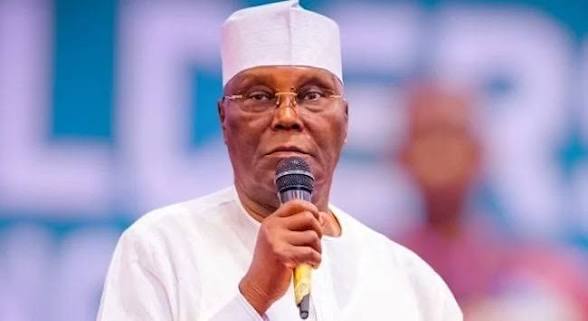
Atiku Faults Tinubu’s $516m Loan Plan, Warns Against ‘Opaque, Debt-Driven’ Highway Project

Former Vice President Atiku Abubakar has criticised President Bola Ahmed Tinubu over his request for Senate approval of a fresh $516 million external loan to fund segments of the Sokoto–Badagry Superhighway, raising concerns about transparency and fiscal sustainability.

In a statement issued by his Senior Special Assistant on Public Communication, Phrank Shaibu, Atiku questioned the rationale behind seeking additional foreign borrowing without clear disclosure of terms, cost-benefit analysis, and a credible repayment framework, especially amid Nigeria’s rising debt profile.

While acknowledging the importance of infrastructure in driving national integration and economic expansion, he cautioned that “noble intentions cannot excuse reckless fiscal choices.”

He stressed that development must not be framed along regional lines, insisting that all Nigerians deserve projects that are sustainable and transparent, rather than those that mortgage the country’s future.

“What Nigerians expect is not just ambitious projects, but responsible financing. Development must not become a euphemism for deepening debt traps that generations yet unborn will be forced to repay,” he said.

Atiku further argued that although strategic infrastructure can unlock economic corridors, such initiatives must be guided by fiscal discipline, prioritisation, and openness, warning that borrowing should not substitute for efficiency in governance.

He also expressed concern over reports that the project was awarded to Hitech Construction Company Limited without a transparent and competitive bidding process, describing the development as a continuation of the controversy that trailed the Lagos–Calabar Coastal Highway.

According to him, “Nigerians have not forgotten the controversy surrounding the Lagos–Calabar Coastal Highway, where due process and competitive bidding were widely questioned. It is therefore deeply troubling that a similar opaque approach appears to be playing out again—this time funded by borrowed money.”

The former Vice President questioned the propriety of securing public loans for projects allegedly awarded without due process, warning that such practices erode public trust.

“What manner of leadership takes loans in the name of the Nigerian people, only to channel those resources into contracts awarded without transparency to associates and insiders? This is not governance—it is a betrayal of public trust,” he added.

Atiku called on the National Assembly to subject the loan request to rigorous scrutiny, ensuring that its terms align with national interest and that the project delivers measurable economic value.

“Nigeria must build, but Nigeria must not borrow blindly. Progress anchored on opacity and debt accumulation is neither progress nor leadership—it is postponement of crisis,” he said.

It would be recalled that President Bola Ahmed Tinubu formally approached the Senate for approval to secure a fresh $516.3 million loan as part of efforts to finance ongoing infrastructure development.

In a correspondence addressed to Senate President Godswill Akpabio and read during Thursday’s plenary, the President disclosed that the facility would be sourced from Deutsche Bank. The loan is intended to support the already approved borrowing framework tied to the Sokoto–Badagry 1,000km Super Highway project.

Tinubu urged lawmakers to grant expedited consideration to the request, underscoring the strategic importance of the project to national connectivity and economic growth.

Following the presentation, Akpabio referred the request to the Senate Committee on Local and Foreign Debts for further legislative scrutiny, directing it to report back within one week.

SWAN Rivers Congress Urges Fubara To Appoint Sports Commissioner, Revamp Sector

0

The Sports Writers Association of Nigeria (SWAN), Rivers State Chapter, has called on Governor Siminalayi Fubara to urgently appoint a substantive Commissioner for Sports, as part of measures to reposition the sector for optimal performance and sustainable growth.

This formed part of resolutions reached at the association’s Congress held on April 15, 2026, at the Ernest Ikoli Press Centre of the Nigeria Union of Journalists (NUJ) in Port Harcourt.

In a communiqué issued at the end of the meeting, SWAN commended the governor for sustaining financial support to key state teams—Rivers United FC, Rivers Angels FC, and Rivers Hoopers Basketball Club—as well as backing para-athletes who recorded a successful outing at the National Para Games in Abuja.

Despite the commendation, the body stressed that the absence of a sports commissioner has created a leadership vacuum that must be addressed without delay to ensure proper coordination and policy direction.

The Congress also underscored the need for the immediate constitution and inauguration of governing boards for the state’s major clubs and sporting associations under the Rivers State Sports Council. It further advocated the inclusion of sports writers in these boards to enhance transparency, professionalism, and effective communication.

SWAN congratulated the Permanent Secretary of the Ministry of Sports, Emmanuel Ndah, and the Director of Sports, Rivers State Sports Council, Obia Nyingiyikabo, for the state’s performance at the Abuja Para Games, describing it as a milestone achievement.

To deepen grassroots development, the association urged the state government to organise a sports festival without further delay, noting that such an initiative would serve as a platform for discovering and nurturing young talents.

The Congress also tasked the Rivers State Football Association (RSFA) to expand its grassroots football programmes beyond the annual Federation Cup, highlighting football’s critical role in youth engagement and employment.

In addition, SWAN appealed to multinational corporations and private sector players operating in Rivers State to invest in sports development through sponsorships and partnerships, aligning with practices in other parts of the country.

The body further called for the revival of key training institutions, including the Sports Institute in Isaka and the Sports Academy in Etche, to strengthen athlete and technical personnel development.

While acknowledging ongoing renovation work at the Yakubu Gowon Stadium in Elekahia, SWAN urged the government to extend similar interventions to other dilapidated sports facilities across the state.

The association reaffirmed its commitment to advancing sports development through advocacy, constructive engagement, and responsible journalism.

The communiqué which was made available to The Atlantic Bell at the end of the Congress was signed by Okechukwu Onwugbonu, and Florence Ibisiki, Chairman and Secretary of the Communiqué Committee, Jim Opiki Udede, Technical Adviser, as well as Cyril Dum Wite, Chairman of Rivers State SWAN and Tonye Orabere, Secretary of SWAN.