

Home Blog Page 22

RSU Bans Undergraduate Night Driving After Death Of Student In Campus Crash

0

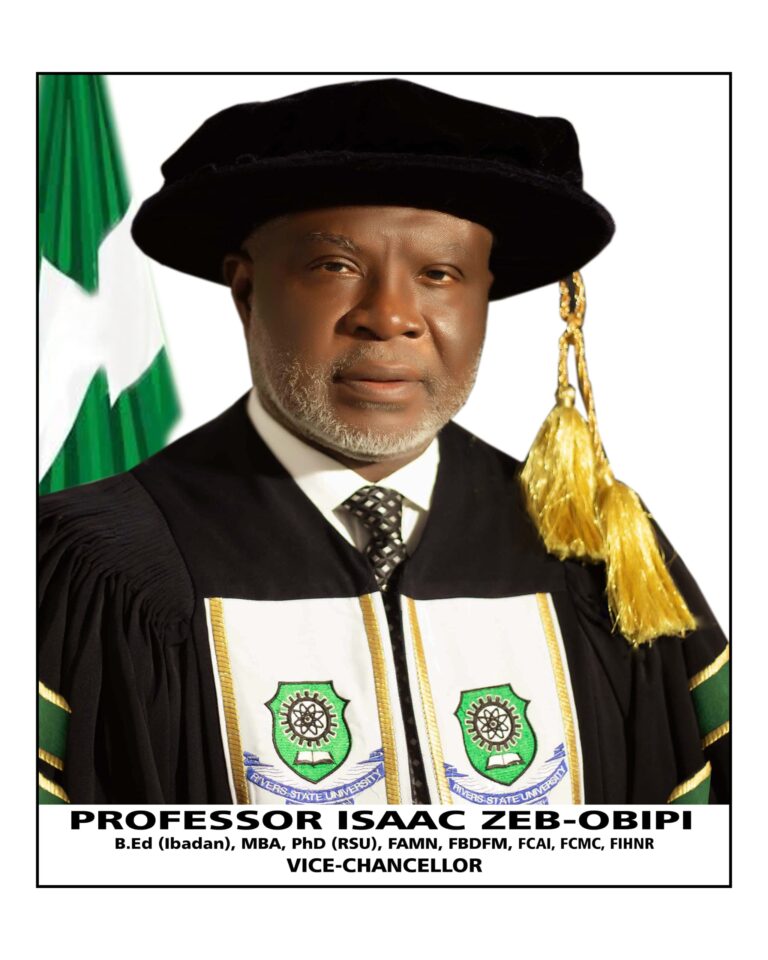
The management of Rivers State University (RSU), Nkpolu-Oroworukwo, Port Harcourt, has announced sweeping restrictions on vehicular movement within the institution following the death of a female student, Miss Eno Udoson, in a fatal road accident on campus.

In a statement issued by the Acting Registrar, Dr. Idanyingi I. Daminabo, the university expressed deep sorrow over the incident, which occurred on Tuesday, June 23, 2026, and extended condolences to the deceased’s family and loved ones.

The university disclosed that the tragedy resulted from the reckless driving of two students, identified as Darlington Kosi Onuaku of the Department of Development and Communication Studies and Obinna Daniel Ikechi of the Department of Computer Science.

According to the statement, both students have been arrested and handed over to the police for further investigation and possible prosecution.
RSU management noted that it had previously introduced measures aimed at regulating vehicular movement on campus, including speed limits, installation of speed breakers and enforcement of sanctions against reckless driving.

However, in response to the latest incident, the university convened an emergency meeting on Wednesday, June 24, and adopted additional measures to strengthen safety and security on campus.
Under the new directives, undergraduate students are prohibited from driving personal vehicles into the campus between 4:00 p.m. and 7:00 a.m.

Students who bring private vehicles to the university are now required to park them at the designated car park near the institution’s main entrance and rely on authorised university shuttle services for movement within the campus.

The management also directed that postgraduate and Centre for Continuing Education (CCE) students would only be allowed to drive personal vehicles on campus upon presentation of valid university identity cards.

In addition, any student found engaging in reckless driving will face suspension, disciplinary proceedings and impoundment of the vehicle involved.

The university further announced that visiting hours to student hostels will now end at 6:00 p.m. daily as part of efforts to enhance security.

Management reiterated that the approved speed limit within the campus remains 30 kilometres per hour on major roads and 20 kilometres per hour in residential areas.

The institution said the new measures were necessary to prevent a recurrence of such tragic incidents and to safeguard the lives of students, staff and visitors.
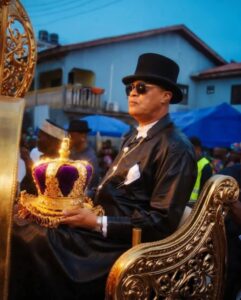
Opobo Kingdom Fixes September Coronation for New King, Jeki VI, Inaugurates 17 Committees

0

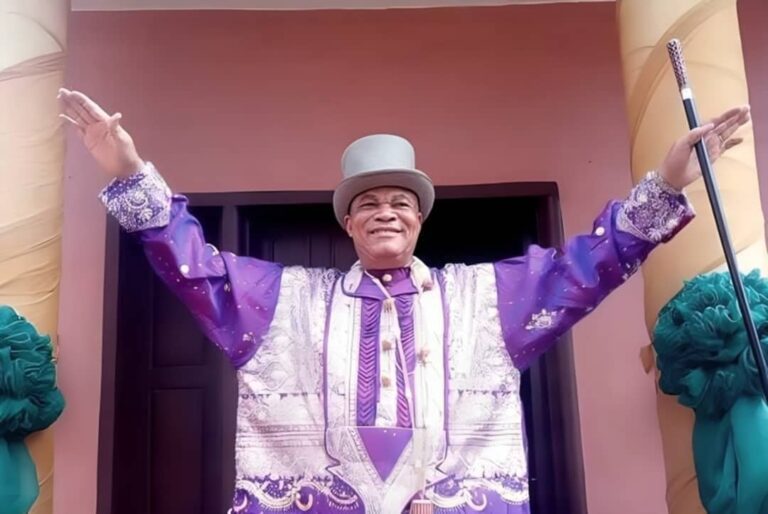
The Opobo Kingdom in Rivers State has commenced preparations for the coronation of its new monarch, King Charles Douglas Jaja, Jeki VI, with the inauguration of 17 committees to coordinate activities for the historic event scheduled to hold between September 4 and 12, 2026.

The coronation is expected to usher in a new era of traditional leadership in the ancient kingdom following the demise of the former monarch, King Douglas Dandeson Jaja, who passed on in April 2026 after years on the throne.

King Charles Douglas Jaja was selected in December 2025 as the successor to the late monarch and is set to formally ascend the revered stool during a week-long programme expected to attract dignitaries from across Nigeria and beyond.

To ensure a successful and hitch-free coronation, the kingdom has constituted 17 committees covering key aspects of the ceremonies, including traditional rites, protocol, security, fundraising, publicity, cultural displays, entertainment, infrastructure, documentation and thanksgiving services.

Among the committees are the General Coronation Committee, Traditional Rites and Rural Affairs Committee, Protocol and Government Relations Committee, Finance and Sponsorship Committee, Media and Publicity Committee, Security and Emergency Response Committee, Cultural and Regatta Committee, Venue and Decoration Committee, Souvenirs Committee, Church and Thanksgiving Committee, and a Literary, Tourism, Documentation and Digital Archive Committee.

King Charles Douglas, Jeki VI.

Other committees will oversee entertainment for guests and traditional rulers, customised ceremonial attire, public hospitality, electricity and maintenance, as well as social and classical events.

Sources within the kingdom said preparations have gathered momentum as stakeholders, community leaders and indigenes mobilise resources to deliver a coronation befitting the status of Opobo, one of the most historically significant traditional institutions in the Niger Delta.

The week-long event is expected to showcase the rich cultural heritage of the kingdom through traditional dances, regattas, ceremonial rites and thanksgiving activities, while also drawing government officials, traditional rulers, business leaders and members of the diplomatic community.

The coronation of Jeki VI is widely viewed as a significant moment in the history of the kingdom, marking the continuation of the legacy of the House of Jaja and the preservation of Opobo’s longstanding traditions and influence in the region.

Fubara Pushes Blue Economy As Rivers’ Next Growth Frontier, Seeks Protection Of Marine Wealth

0

Rivers State Governor, Sir Siminalayi Fubara has reaffirmed the state’s commitment to leveraging the vast opportunities in the blue economy as a critical pathway to economic diversification, investment growth and sustainable development.

Speaking at the opening of the 2026 Annual General Meeting and Conference of the Nigerian Association of Chambers of Commerce, Industry, Mines and Agriculture (NACCIMA) in Port Harcourt on Thursday, the governor said the maritime sector holds enormous potential to transform not only Rivers State but also Nigeria’s economy if properly harnessed.

Represented by his deputy, Prof. Ngozi Nma Odu, Fubara described the conference theme, “The Gulf of Guinea and Blue Economy: Pathways to Trade, Investment and Security Towards a $1 Trillion Economy,” as timely and strategic, given the growing global focus on ocean-based economic activities.

The governor noted that Rivers State, with its extensive coastline, ports and strategic location in the Niger Delta, stands to benefit significantly from investments in shipping, fisheries, maritime trade, tourism and other blue economy value chains.

According to him, the sector possesses the capacity to generate revenues capable of rivaling and even surpassing earnings from the oil and gas industry if effectively developed and managed.

Fubara said the future prosperity of Rivers State and Nigeria depends on deliberate efforts to unlock the economic potential of marine resources while ensuring their protection from exploitation.

He expressed concern over the activities of foreign fishing trawlers operating in Nigerian waters, alleging that many harvest the nation’s seafood resources without making commensurate contributions to the economy.

The governor, therefore, called for stronger surveillance systems, enhanced maritime security and effective regulatory frameworks to safeguard Nigeria’s coastal assets and marine biodiversity.

“We must wake up and hit the ground running. If we do not capitalize on and utilize our blue economy, other nations will utilize it for us,” he said.

Fubara also stressed that developing the blue economy would create jobs, stimulate private sector investments, boost exports and open new streams of revenue for coastal communities, particularly in Rivers State, which remains one of Nigeria’s major economic hubs.

He thanked NACCIMA for drawing national attention to the enormous opportunities within the maritime sector and said the successful hosting of the conference in Port Harcourt underscored Rivers State’s growing reputation as a safe and investor-friendly destination.

Earlier, NACCIMA National President, Engr. Jani Ibrahim, commended the Rivers State Government for hosting the association’s 66th Annual General Conference, describing the gesture as a strong signal of the state’s readiness for business and investment.

He said the partnership between the state government and the organised private sector had helped restore investor confidence and reinforced Rivers State’s position as a key destination for economic growth.

In her welcome address, President of the Port Harcourt Chamber of Commerce, Industry, Mines and Agriculture (PHCCIMA), Dr. Chinyere Nwoga, described the conference as a historic milestone, noting that it was the first time in the chamber’s 66-year history that it was hosting NACCIMA’s national conference.

She pledged the chamber’s continued commitment to promoting private sector development and advancing initiatives that support sustainable economic growth in Rivers State and across Nigeria.

Fubara Seals Collapsed Building Site, Blames Developer’s Defiance, Orders Full Probe

0

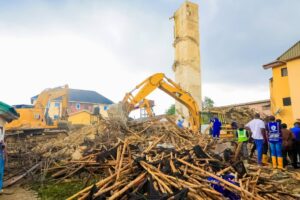
Governor Siminalayi Fubara of Rivers State has ordered the immediate closure and complete sealing of the site of the five-storey building that collapsed along Odili Road in Port Harcourt, vowing that the premises will remain shut until government uncovers the root cause of the tragedy.

The building, which was still under construction, collapsed on Wednesday, leaving one person dead and several others injured, while emergency agencies continue search-and-rescue operations for possible victims trapped beneath the rubble.

Visiting the scene on Thursday, Governor Fubara described the incident as both unfortunate and avoidable, saying preliminary findings indicated that the developer repeatedly resisted efforts by state authorities to inspect the project and ensure compliance with approved building regulations.

The governor, accompanied by the Commissioner for Physical Planning and Urban Development, Sir Amairigha Edward Hart, and the Permanent Secretary of the Ministry of Special Duties, Dabite Sokari George, said government would leave no stone unturned in determining the circumstances that led to the collapse.

“We are here to see for ourselves this very unfortunate incident,” Fubara said. “I did not come yesterday because I wanted to receive a formal briefing first. The Commissioner informed me that despite several attempts by government officials to inspect the project and assess compliance levels, the developer consistently maintained that the state had no authority to interfere because the site was under the jurisdiction of the Federal Housing Authority.”

The governor stressed that the issue had gone beyond questions of jurisdiction, noting that a life had been lost and families had been thrown into grief as a result of the collapse.

Expressing condolences to the family of the deceased and others affected by the disaster, Fubara insisted that adherence to established engineering and construction standards could have prevented the tragedy.

He lamented that such an incident could occur at a time when advances in engineering, technology and building safety standards have significantly reduced the risks associated with high-rise construction.

“It is regrettable that something like this should happen in the 21st century,” he said. “Engineering has evolved and technology has advanced. One wonders how a project with apparent defects from inception was allowed to continue.”

Site of the collapsed five storey building in Port Harcourt.

The governor announced that all activities at the site had been suspended indefinitely pending the outcome of investigations.

“Nothing is going to happen on this site anymore. We will ensure that this place remains completely sealed until we get to the root cause of this incident,” he declared.

The collapse has renewed concerns over compliance with building regulations and the enforcement of safety standards in the construction sector, with stakeholders calling for stricter oversight to prevent similar tragedies.

Meanwhile, rescue workers from multiple emergency agencies continued operations at the site as authorities sought to ascertain whether more victims remained trapped beneath the debris.

Lagos Building Collapse Raises Fresh Fears As Rivers Rescue Teams Vow Not To Leave Anyone Behind

0

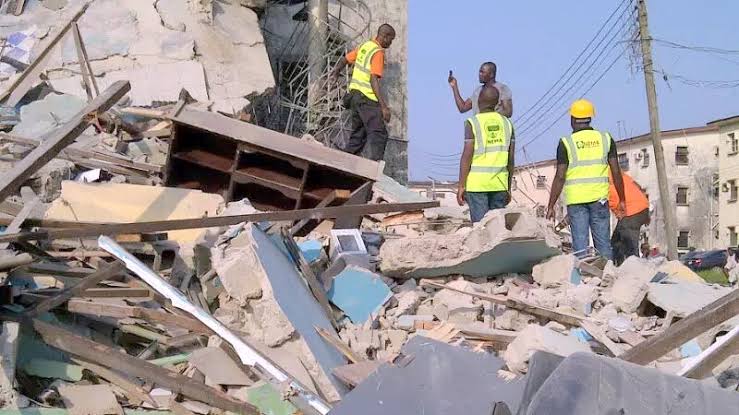
Fresh concerns over building safety have emerged following the collapse of a three-storey structure in the Alakija area of Lagos State on Thursday, with several persons feared trapped beneath the rubble.

The incident, which occurred at about 11:40 a.m., sent panic through the neighbourhood as residents and passersby gathered at the scene amid uncertainty over the fate of those believed to be trapped.

As of press time, the exact number of victims could not be immediately ascertained, while emergency responders were yet to arrive at the location. Authorities had also not disclosed the cause of the collapse or confirmed any casualties.

The latest incident comes barely 24 hours after a five-storey building under construction collapsed along Odili Road in Port Harcourt, Rivers State, prompting an intensive multi-agency rescue operation.

Unlike the uncertainty that initially surrounded the Lagos collapse, emergency authorities in Rivers have assured that rescue efforts will continue relentlessly until every person trapped beneath the debris is accounted for.

The National Emergency Management Agency (NEMA) said rescue workers would remain at the Port Harcourt site until all victims are recovered, dead or alive.

Head of NEMA’s Port Harcourt Operations Office, Dr. Chidi Ogundu, disclosed that four persons had so far been pulled from the rubble, including one deceased victim and three survivors who were rushed to hospital for treatment.

Describing the incident as unfortunate, Ogundu said the rescue mission was being undertaken through a coordinated effort involving NEMA, other emergency agencies and the Rivers State Government.

“Four people were brought out from the collapsed building — one dead and three alive. The rescue operation will continue until all persons trapped under the rubble are recovered,” he said.

He added that emergency personnel would continue working through Thursday and beyond if necessary to ensure that no victim remained trapped.

The twin incidents in Lagos and Rivers have once again drawn attention to the recurring challenge of building collapses in Nigeria, raising fresh questions about regulatory compliance, construction standards and the enforcement of safety measures across the country’s rapidly expanding urban centres.

While anxious families in Lagos await the commencement of rescue operations, authorities in Rivers say their focus remains on sustaining search-and-recovery efforts until every missing person is found.

Fubara’s MTEF Submission Sparks Fresh Hope For Rivers 2026 Budget Process

Hope is rising for the eventual presentation, consideration and passage of the 2026 budget in Rivers State following the submission of the 2026–2028 Medium Term Expenditure Framework (MTEF) by Governor Siminalayi Fubara to the State House of Assembly.

The development is being viewed as a significant step towards restoring the state’s budgetary process and strengthening cooperation between the executive and legislative arms after months of political uncertainty.
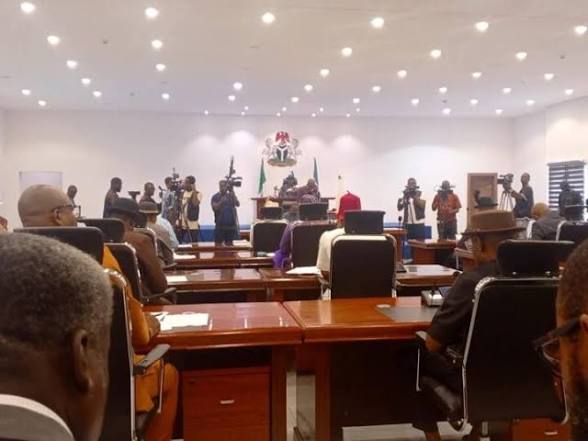
Speaker of the Rivers State House of Assembly, Martin Amaewhule, confirmed receipt of the document during an emergency plenary session held on Thursday morning.

Although lawmakers deferred debate on the MTEF to a later date and subsequently adjourned sitting, the submission itself is regarded as a crucial precursor to the presentation of the 2026 Appropriation Bill, as the framework provides the fiscal assumptions, revenue projections and expenditure priorities that guide annual budgeting.

The move signals a possible thaw in relations between the executive and the legislature, whose engagements had remained largely dormant in recent months.

The Assembly had last sat about four months ago, in February, when it screened and cleared commissioner-nominees forwarded by Governor Siminalayi Fubara before adjourning sine die.

Prior to that, lawmakers had convened on January 8, 2026, when impeachment proceedings were initiated against the governor. The House subsequently adjourned and failed to reconvene on its scheduled resumption date of February 15, deepening concerns over legislative inactivity and its implications for governance in the state.

Analysts say the governor’s decision to transmit the MTEF to the Assembly is an indication of his administration’s readiness to commence the statutory budget process and could pave the way for formal consideration of the 2026 fiscal plan.

With the medium-term framework now before the lawmakers, attention is expected to shift to the timing of deliberations and eventual approval, a process that would clear the path for the presentation of the 2026 budget and provide clarity on the state’s development priorities, capital projects and recurrent expenditure plans over the coming fiscal year.

For many stakeholders, the submission represents more than a routine fiscal procedure; it offers renewed optimism that the machinery of government is gradually returning to normalcy and that Rivers State may soon embark on a seamless budget cycle after months of political turbulence.

MRA Demands Comprehensive Whistleblower Protection Law, Warns Of Rising Retaliation Against Informants

0

Media Rights Agenda (MRA) has called on the Federal Government and other stakeholders to urgently enact a comprehensive whistleblower protection law that meets international standards, warning that Nigerians who expose corruption and misconduct continue to face severe reprisals, including job loss, harassment, intimidation and physical harm.

The organisation made the call in a statement issued in Lagos to commemorate the 2026 World Whistleblower Day, observed globally by civil society groups, journalists, transparency advocates and accountability institutions to recognise the contributions of whistleblowers to good governance and public accountability.

MRA said despite various policy initiatives introduced over the years to encourage the reporting of corruption and wrongdoing, Nigeria still lacks a robust legal framework capable of providing effective and enforceable protection for whistleblowers.

The group’s Programme Officer, Adesewa Akintokun, said existing measures remain inadequate because they do not sufficiently guarantee confidentiality, protection from retaliation, access to remedies or support for individuals who disclose information in the public interest.

According to her, whistleblowers play a critical role in exposing corruption, fraud, abuse of office, human rights violations, environmental degradation, and threats to public health and safety.

“Whistleblowers often provide the first warning of misconduct that would otherwise remain hidden from public scrutiny. Their courage helps protect the public interest and strengthens democratic governance,” she said.

Akintokun expressed concern that many whistleblowers continue to suffer reprisals ranging from dismissal from employment and discrimination to reputational attacks, legal action and threats to their safety.

She noted that such actions not only violate the rights of whistleblowers but also discourage others from reporting wrongdoing, thereby weakening accountability mechanisms.

The organisation stressed that whistleblower protection is closely linked to the rights to freedom of expression, access to information and media freedom, arguing that individuals who expose wrongdoing contribute significantly to informed public debate and institutional accountability.

MRA urged the Federal Government to enact legislation that would establish secure reporting channels, guarantee protection for whistleblowers in both public and private sectors, ensure independent investigations of disclosures, and impose sanctions on individuals or institutions that retaliate against whistleblowers.

The group also called on public institutions, private companies, civil society organisations and professional bodies to adopt internal policies that encourage the reporting of misconduct and protect individuals who raise concerns in good faith.

It further urged journalists and media organisations to continue reporting responsibly on disclosures made in the public interest while safeguarding confidential sources.

“A society that values accountability must also value and protect those who have the courage to expose wrongdoing,” Akintokun said, calling for collective efforts to create an environment where whistleblowers can speak out without fear.

MRA paid tribute to whistleblowers in Nigeria and around the world, describing them as vital actors in the fight against corruption and abuse of power.

According to the organisation, their sacrifices have helped safeguard public resources, strengthen institutions and advance transparency, underscoring the importance of openness and accountability in democratic societies.

MRA Demands Comprehensive Whistleblower Protection Law, Warns Of Rising Retaliation Against Informants


Media Rights Agenda (MRA) has called on the Federal Government and other stakeholders to urgently enact a comprehensive whistleblower protection law that meets international standards, warning that Nigerians who expose corruption and misconduct continue to face severe reprisals, including job loss, harassment, intimidation and physical harm.

The organisation made the call in a statement issued in Lagos to commemorate the 2026 World Whistleblower Day, observed globally by civil society groups, journalists, transparency advocates and accountability institutions to recognise the contributions of whistleblowers to good governance and public accountability.

MRA said despite various policy initiatives introduced over the years to encourage the reporting of corruption and wrongdoing, Nigeria still lacks a robust legal framework capable of providing effective and enforceable protection for whistleblowers.

The group’s Programme Officer, Adesewa Akintokun, said existing measures remain inadequate because they do not sufficiently guarantee confidentiality, protection from retaliation, access to remedies or support for individuals who disclose information in the public interest.

According to her, whistleblowers play a critical role in exposing corruption, fraud, abuse of office, human rights violations, environmental degradation, and threats to public health and safety.

“Whistleblowers often provide the first warning of misconduct that would otherwise remain hidden from public scrutiny. Their courage helps protect the public interest and strengthens democratic governance,” she said.

Akintokun expressed concern that many whistleblowers continue to suffer reprisals ranging from dismissal from employment and discrimination to reputational attacks, legal action and threats to their safety.

She noted that such actions not only violate the rights of whistleblowers but also discourage others from reporting wrongdoing, thereby weakening accountability mechanisms.

The organisation stressed that whistleblower protection is closely linked to the rights to freedom of expression, access to information and media freedom, arguing that individuals who expose wrongdoing contribute significantly to informed public debate and institutional accountability.

MRA urged the Federal Government to enact legislation that would establish secure reporting channels, guarantee protection for whistleblowers in both public and private sectors, ensure independent investigations of disclosures, and impose sanctions on individuals or institutions that retaliate against whistleblowers.

The group also called on public institutions, private companies, civil society organisations and professional bodies to adopt internal policies that encourage the reporting of misconduct and protect individuals who raise concerns in good faith.

It further urged journalists and media organisations to continue reporting responsibly on disclosures made in the public interest while safeguarding confidential sources.

“A society that values accountability must also value and protect those who have the courage to expose wrongdoing,” Akintokun said, calling for collective efforts to create an environment where whistleblowers can speak out without fear.

MRA paid tribute to whistleblowers in Nigeria and around the world, describing them as vital actors in the fight against corruption and abuse of power.

According to the organisation, their sacrifices have helped safeguard public resources, strengthen institutions and advance transparency, underscoring the importance of openness and accountability in democratic societies.

Nwogu Takes Rivers South-East Seat As Akpabio Swears In Four New Senators

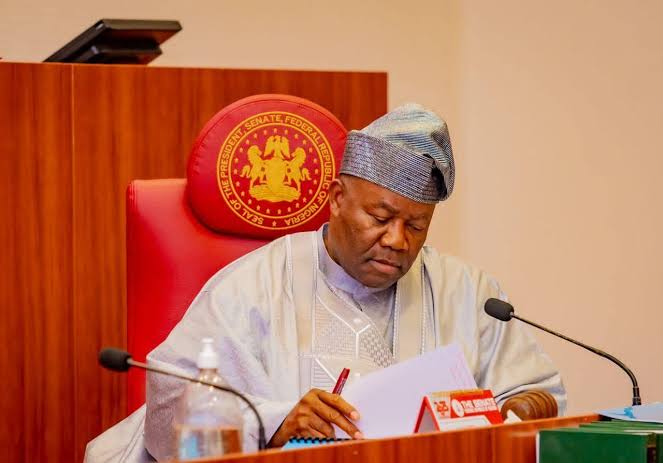
President of the Senate, Godswill Akpabio, on Wednesday administered the oath of office to four newly elected senators, with former federal lawmaker, Olaka Nwogu, formally taking his place as the representative of Rivers South-East Senatorial District following his victory in last Saturday’s bye-election.

Nwogu, elected on the platform of the Peoples Democratic Party (PDP), was inaugurated alongside Senator Envulu Anza (Nasarawa North), Senator Ikeje Asogwu (Enugu North), and Professor Dayo Faduyile (Ondo South) during plenary at the National Assembly.

His emergence restores representation to Rivers South-East following the death of former Senator Barinada Mpigi, whose passing created the vacancy that necessitated the bye-election.

The Clerk of the Senate, Emmanuel Odo, administered the Oath of Allegiance and Oath of Office to the new lawmakers before they took their seats in the Red Chamber.

Welcoming the senators, Akpabio described the Senate as an elite institution entrusted with safeguarding Nigeria’s democracy and urged the new members to rise above partisan interests.

“Your responsibility now transcends party affiliation. You are senators of the Federal Republic of Nigeria, entrusted with the responsibility of making laws and providing oversight for the good governance of our country,” he said.

For Rivers State, Nwogu’s inauguration marks a return to the upper chamber for the experienced politician and former member of the House of Representatives, who is expected to bring his legislative experience to bear on issues affecting the oil-rich senatorial district and the state at large.

Political observers view his election as a significant victory for the PDP in Rivers State at a time when the ruling All Progressives Congress (APC) continues to consolidate its strength nationally.

The Senate President also charged the lawmakers to acquaint themselves with the provisions of the 1999 Constitution, as amended, as well as the Senate Standing Orders, revised in 2023, to enable them effectively discharge their responsibilities.

Akpabio paid tribute to the late lawmakers whose deaths led to some of the bye-elections, praying for the repose of their souls and expressing hope that the Senate would not record another loss.

“I want to pray that Almighty God grants eternal rest to our departed colleagues and that no member of this chamber will lose his life again,” he said.

The Senate President further acknowledged the presence of governors, deputy governors, traditional rulers, party leaders and other dignitaries who accompanied the new senators, describing their attendance as a demonstration of support for democratic governance.

While the APC won three of the four senatorial seats contested in the bye-elections, the PDP retained its foothold in Rivers South-East through Nwogu’s victory.

The Atlantic Bell reports that with the inauguration of the four lawmakers, the Senate has restored full representation to the affected districts, enabling the new members to participate immediately in legislative debates, committee assignments and deliberations on critical national issues.

Blackout Paralyses Businesses As Power Failure Plunges Rivers, Bayelsa, Imo Into Darkness

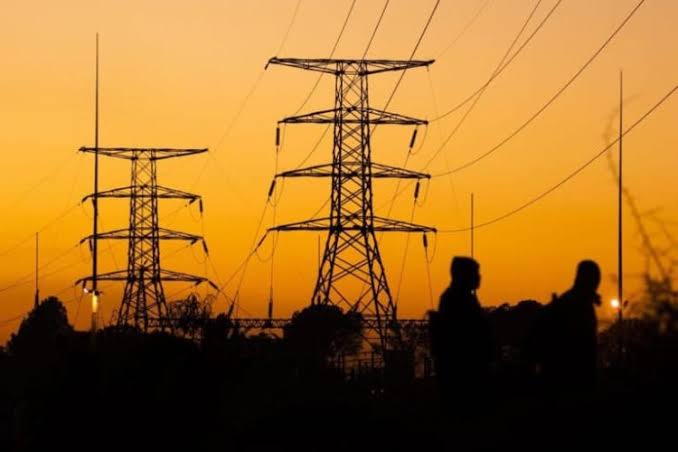
Economic activities across Rivers, Bayelsa and Imo states were disrupted on Tuesday after a major transmission fault plunged large parts of the three states into total blackout, raising fresh concerns over the vulnerability of Nigeria’s power infrastructure and its impact on businesses.

The Transmission Company of Nigeria (TCN) confirmed that a forced outage on its Alaoji 132-kilovolt transmission line cut off bulk electricity supply to key commercial and residential centres in the affected states.

In a statement issued by its spokesperson, Mrs Ndidi Mbah, TCN said the outage occurred in the early hours of Tuesday following an earth fault and distance protection failure on the transmission line.

The disruption left the Port Harcourt Electricity Distribution Company (PHEDC) unable to receive and distribute electricity to customers in Owerri, Yenagoa and Ahoada, effectively plunging thousands of homes, offices, hospitals, schools and businesses into darkness.

The development is expected to compound operational challenges for businesses already grappling with rising energy costs, inflation and economic uncertainties.

Small and medium-scale enterprises, many of which depend on public power supply to remain competitive, are likely to bear the brunt of the outage as operators resort to expensive diesel and petrol generators to keep their businesses running.

Industry observers warn that prolonged blackouts could lead to production losses, disruption of commercial transactions, damage to sensitive equipment and increased operating costs for manufacturers, traders and service providers.
For residents, the outage translates into another round of hardship, with concerns over food preservation, water supply, communication services and healthcare delivery in areas heavily dependent on electricity.

TCN said its engineers had commenced emergency repairs to restore the line and resume normal bulk power supply as quickly as possible.

“The Transmission Company of Nigeria wishes to inform the public that there was a forced outage on the Alaoji 132kV Transmission Line at about 3:59am today, Tuesday, June 23, 2026, due to an earth fault and distance protection failure,” the statement said.

According to the company, maintenance crews were immediately deployed to the affected line to rectify the fault and restore electricity supply to the impacted areas.

While apologising to customers for the inconvenience, TCN assured residents and businesses that efforts were underway to resolve the technical issues and restore normal service.

The latest outage once again highlights the persistent challenges confronting Nigeria’s electricity sector, where transmission failures and infrastructure weaknesses continue to undermine economic productivity and frustrate consumers despite repeated reforms and investments in the industry.