

Home Blog Page 2

NDDC To Communities: Own, Protect Public Infrastructure Against Vandalism …Says Destruction Of Projects Diverts Funds From New Development

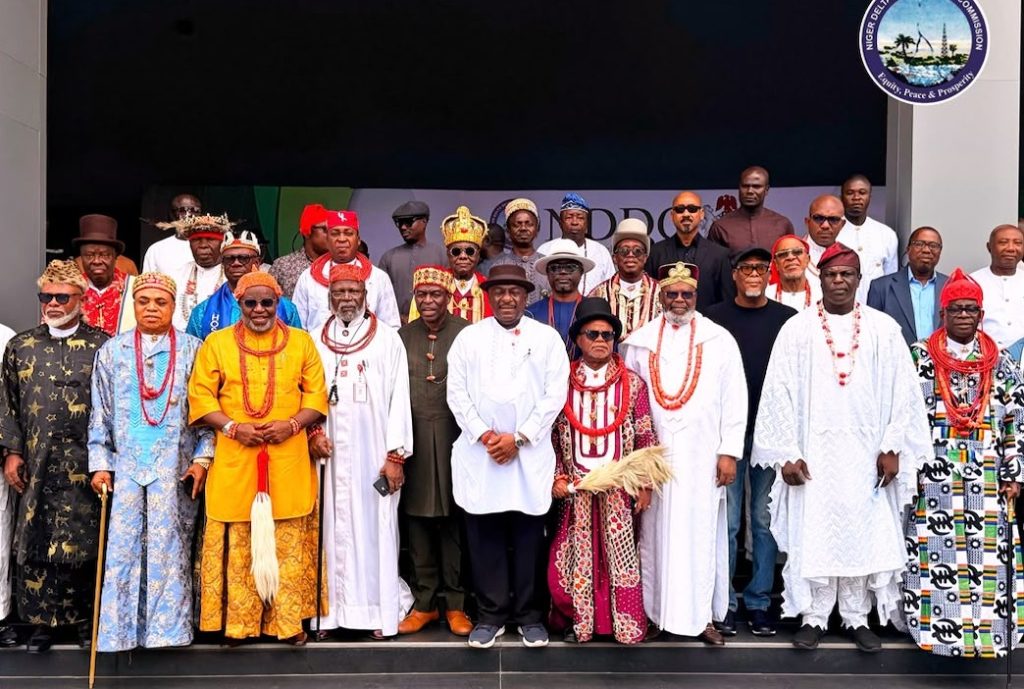
NDDC Director, Administration and Human Resources, Sir Kelechi Nwelue and the Director, Community and Rural Development, Engr. Theophilus Alagoa (middle), surrounded by traditional rulers and stakeholders, during the Stakeholders’ Forum on Public Infrastructure and Vandalism Prevention in Port Harcourt.

The Niger Delta Development Commission (NDDC) has urged traditional rulers, community leaders and residents across the Niger Delta to take ownership of public infrastructure in their communities and protect it from vandalism, theft and deliberate destruction.

The Commission warned that attacks on government-funded projects undermine development, increase maintenance costs and divert scarce resources that could have been used to execute new projects.

Speaking at a Stakeholders’ Forum on Public Infrastructure and Vandalism Prevention in Port Harcourt on Saturday, the Managing Director of NDDC, Dr Samuel Ogbuku, said safeguarding public assets requires a collective commitment from host communities.

Represented by the Director of Administration and Human Resources, Sir Kelechi Nwelue, Ogbuku stressed that while government has the responsibility of providing infrastructure, communities must see such projects as their own and ensure they are preserved.
“The aim of government is to focus on infrastructure, but after building, how do we protect it?” he asked.

“There is a need to create awareness and educate citizens that projects executed by government are the property of the community, and they should protect them,” he added.

He also encouraged residents to promptly report suspicious activities around public infrastructure to relevant authorities.

Also speaking, the NDDC Director of Community and Rural Development, Engr. Theophilus Alagoa, expressed concern over the increasing destruction of government facilities in communities, lamenting that many people failed to take responsibility for protecting projects intended to improve their lives.
“This event was organised to inform and educate everyone that government projects are our property, and it is imperative to take care of the investment,” he said.

Alagoa described vandalism, theft and the destruction of public infrastructure as acts of economic sabotage, warning that such crimes erode public resources, disrupt essential services and raise the cost of replacing damaged facilities.

He maintained that communities must play a more active role in safeguarding development projects to ensure they continue to deliver long-term benefits.

The facilitator of the forum, Mr Ibiyekaribo Inko-Tariah, urged participants to propose practical solutions to curb vandalism and theft, noting that the engagement formed part of the Commission’s broader efforts to secure government-funded infrastructure and ensure it continues to serve communities across the Niger Delta.
King Charles Vows New Era for Opobo, Seeks Equity As Fubara, Jonathan, Monarchs Rally Behind Historic Coronation

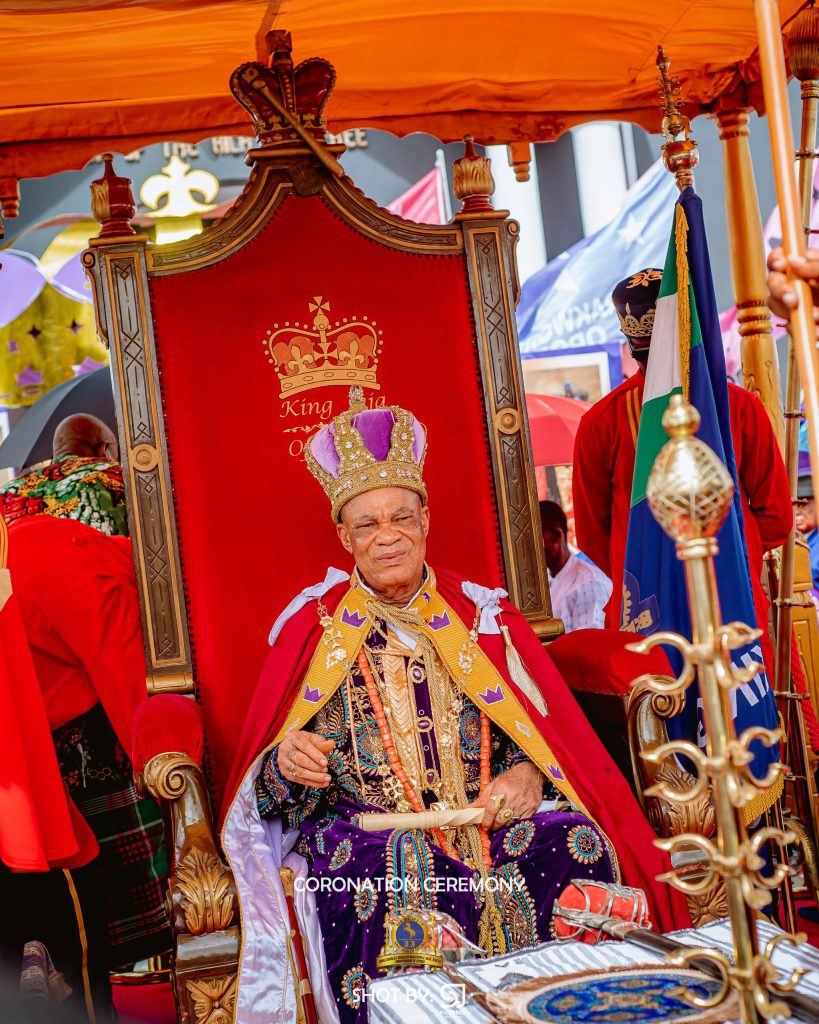
Behold King Charles Douglas MacPepple Jaja, Jeki VI.

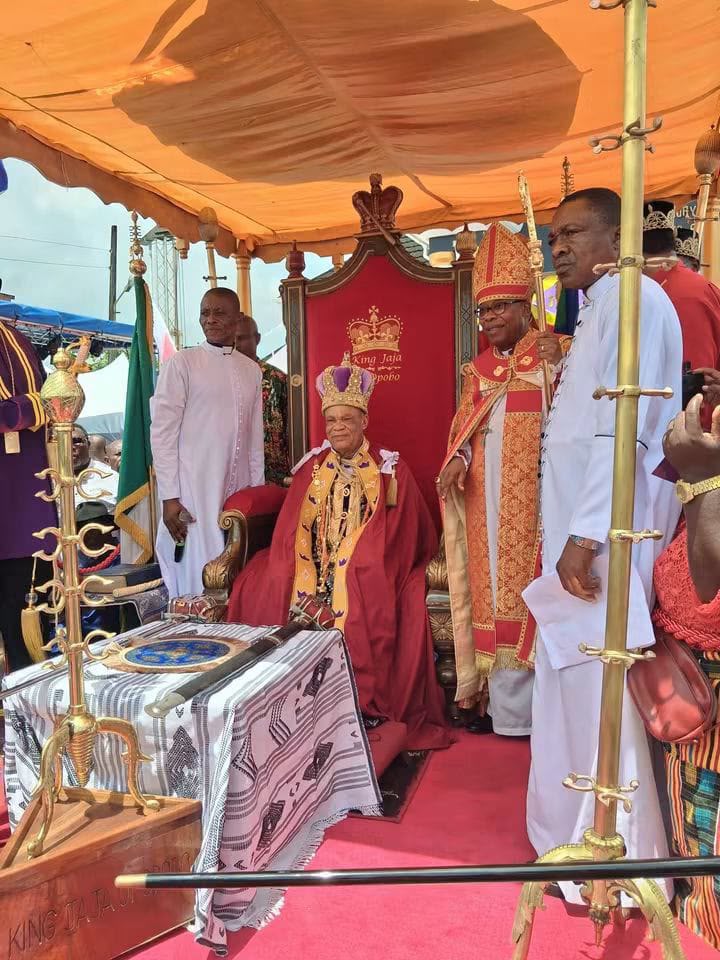
The ancient Kingdom of Opobo on Saturday wrote a new chapter in its 156-year royal history as His Majesty King Charles Douglas Mac-Pepple Jaja, Jeki VI, was crowned Amanyanabo, using his first address as monarch to unveil a development-focused vision anchored on justice, unity, equity and the restoration of the kingdom’s historic prominence.

The colourful coronation, held at the King Jaja Palace in Opobo Town, drew an array of distinguished personalities, including Rivers State Governor Sir Siminalayi Fubara, represented by Deputy Governor Prof. Ngozi Nma Odu; former President Dr. Goodluck Jonathan; the Obi of Onitsha, His Majesty Nnaemeka Alfred Ugochukwu Achebe; the Obong of Calabar; the Amanyanabo of Kalabari, His Royal Highness Asari Dokubo; and other first-class traditional rulers and dignitaries from across Nigeria.

In a coronation address that blended history with a call for renewal, King Jaja VI pledged to uphold the sovereignty and dignity of Opobo while pursuing purposeful development for the riverine kingdom.

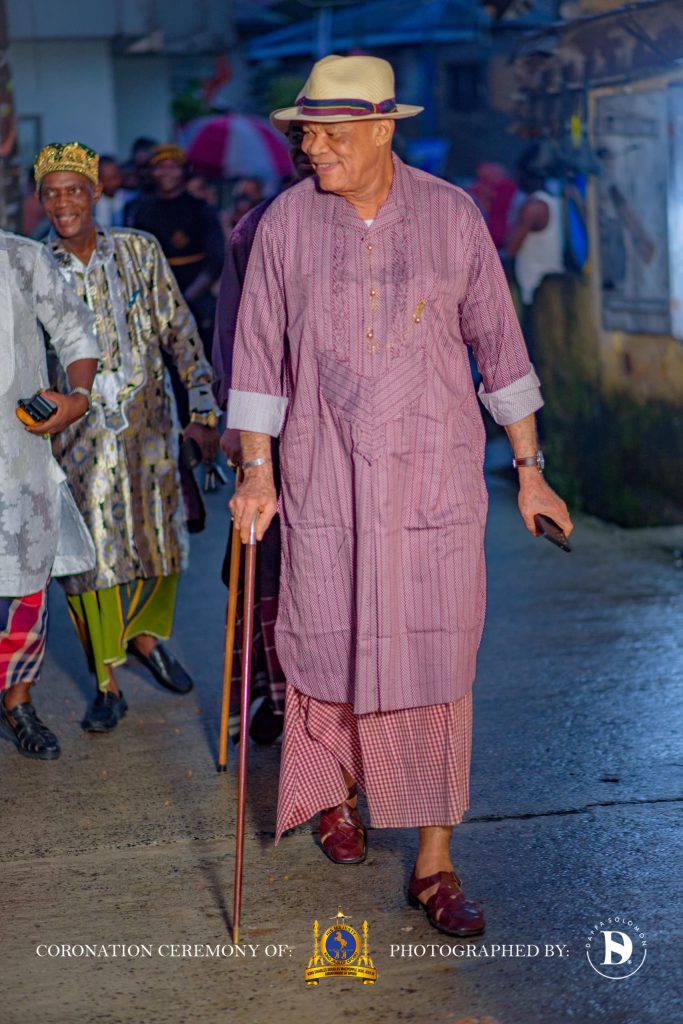
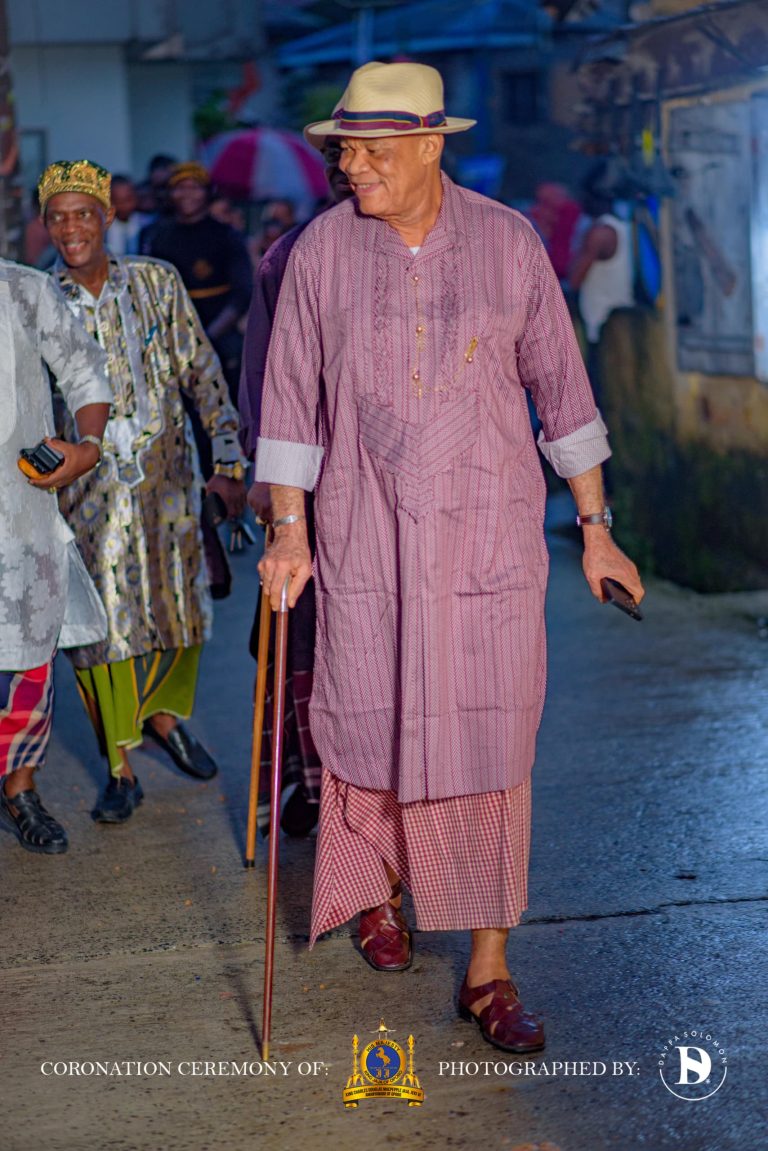
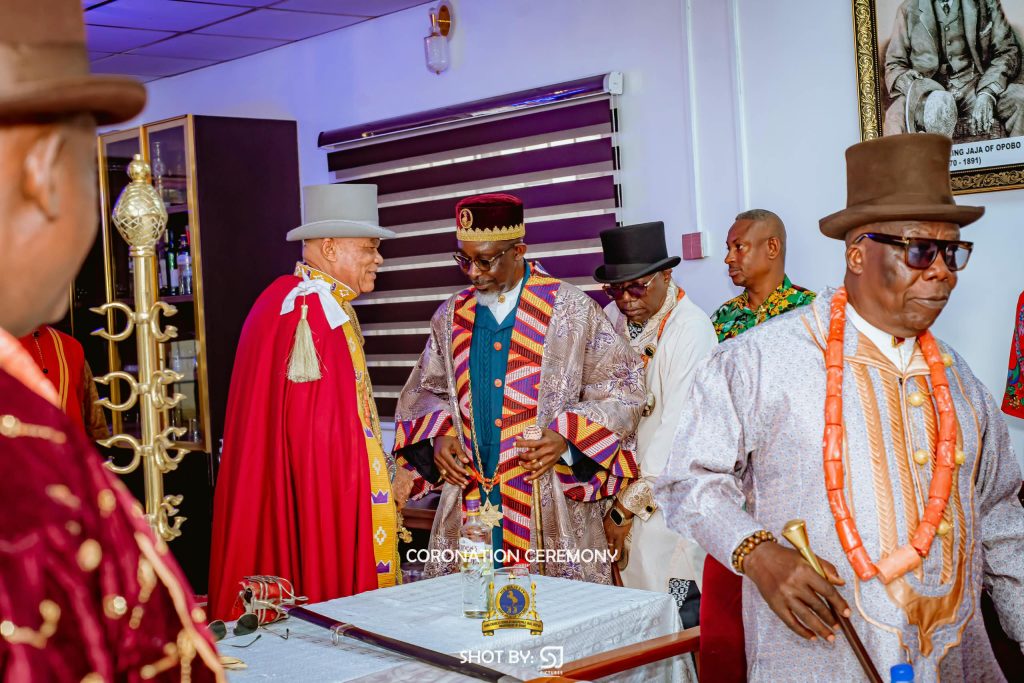
King Charles Douglas MacPepple Jaja (left) with the Amanyanabo of Bonny, King Edward Asimini William Dappa Pepple, shortly before the coronation, last Saturday.

Paying glowing tribute to Opobo’s founding monarch, King Jaja of Opobo, he described him as a courageous strategist and statesman who transformed Opobo into a major commercial power and defended its economic interests against British imperial pressure.

Governor Fubara, in his goodwill message, urged traditional rulers across Rivers State to remain custodians of the people’s heritage while contributing to peace, stability and development.

Represented by Prof. Odu, the governor described traditional institutions as indispensable partners in preserving cultural values, fostering unity and maintaining peace across communities.

He said the coronation was more than the installation of a monarch; it was a celebration of Opobo’s rich history, culture and enduring heritage, which forms an integral part of the identity of Rivers State and Nigeria.

Fubara prayed for wisdom, peace and progress throughout King Jaja VI’s reign, expressing confidence that the monarch would provide purposeful leadership for the kingdom.

Former President Jonathan described the Opobo monarchy as one of Nigeria’s most distinguished traditional institutions, recalling that the name of King Jaja had earned global recognition far beyond the country’s shores.

Congratulating the new monarch, he expressed confidence that King Jaja VI would build on the achievements of his predecessors by promoting peace, unity and sustainable development.

The Obi of Onitsha, Igwe Nnaemeka Achebe, reflected on the centuries-old relationship between Onitsha and Opobo, describing it as one forged through trade, mutual respect and the shared legacy of their ancestors.

King Charles, shortly after his coronation by Bishop Emmanuel Okwuchi Oko-Jaja at Opobo, on Saturday.

He recalled attending the installation of the late Amanyanabo in full traditional regalia and said he was delighted to witness another defining moment in Opobo’s royal history.

The climax of the ceremony came with the anointing and coronation of King Charles Douglas Mac-Pepple Jaja VI by the Bishop of the Niger Delta Diocese, Rt. Rev. Dr. Emmanuel Okwuchi Oko-Jaja, formally enthroning him as the sixth monarch in the royal lineage established by the legendary King Jaja in 1870.

The coronation, marked by pomp, pageantry and deep cultural symbolism, attracted guests from across Nigeria and beyond, reinforcing Opobo’s enduring place as one of the Niger Delta’s most historic and influential kingdoms.

Opobo Hosts The ‘World’ As Kingdom Crowns King Charles …Jonathan, First-class Monarchs, Politicians, Dignitaries Converge On Historic Kingdom

For a few days, the ancient kingdom of Opobo is set to become the gathering point for royalty, politics, culture and history as visitors from across Nigeria and beyond converge on the historic coastal community for the coronation of His Royal Majesty, King Charles Douglas MacPepple Jaja, Jeki VI, the Amanyanabo of Opobo Kingdom, on Saturday.

From the Niger Delta and other parts of Nigeria to the international community, the kingdom is already witnessing an unusual wave of visitors, as traditional rulers, political leaders, captains of industry, academics, cultural enthusiasts and other distinguished guests make their way to Opobo for what is expected to be one of the most significant traditional ceremonies in the region this year.
Among the eminent personalities expected at the historic occasion is former President Goodluck Jonathan, alongside first-class traditional rulers from different parts of the country and prominent members of the political class.

For Opobo, however, the ceremony represents more than the installation of another monarch. It is the culmination of a process that began with a keenly contested royal election and the return of a new custodian to the throne associated with one of the most remarkable figures in the history of the Niger Delta.

The journey to Saturday’s coronation formally began with the royal election of December 31, 2025, when Charles Douglas MacPepple Jaja emerged victorious over other contestants to become the new king of Opobo. His emergence marked another chapter in the continuing history of the Jaja monarchy, founded on the legacy of King Jaja of Opobo, whose name remains inseparable from the political, commercial and cultural history of the Niger Delta.

Months after his emergence, the kingdom has been preparing for the elaborate ceremonies that will formally usher the new monarch into the full traditional responsibilities of the throne.

The activities leading to the coronation began last Friday, setting off a succession of traditional, cultural and social events that have continued to draw visitors into the kingdom.

Since then, Opobo has assumed the atmosphere of a kingdom preparing for a historic moment.
Boats and vehicles carrying guests have continued to make their way into the kingdom, while members of the various houses, traditional institutions and organising committees put finishing touches to the arrangements for the grand ceremony.

The growing influx has also provided visitors with an opportunity to experience the distinctive traditional system of Opobo, a kingdom whose history is deeply intertwined with the story of the Niger Delta and the development of commerce along the region’s waterways.

The coronation is therefore expected to be both a royal ceremony and a celebration of heritage. At the heart of the occasion is the installation of Charles Douglas MacPepple Jaja as Jeki VI, succeeding a line of monarchs who have occupied the Opobo throne since the establishment of the kingdom in the 19th century.

His coronation is expected to bring together the different strands of Opobo’s identity, its royal institution, ancient traditions, maritime heritage, political history and its enduring links with communities across the Niger Delta and beyond.

The presence of former President Jonathan and eminent traditional rulers is also expected to add national significance to the ceremony, with the gathering providing an opportunity for interaction among the country’s traditional institutions, political leadership and cultural stakeholders.

For residents and sons and daughters of Opobo, the occasion is also a moment of collective pride. The kingdom, often described as one of the jewels of the Niger Delta, has retained a distinctive identity shaped by its history, waterways, trading traditions and the legacy of King Jaja.

That history is expected to be prominently reflected in the coronation ceremonies, as the kingdom showcases its traditional institutions, cultural expressions and royal heritage to visitors arriving from different parts of the world.
As the d-day is here today, the question is no longer whether Opobo will attract attention, but how far the kingdom’s story will travel beyond its waterways.

For one weekend, the eyes of Nigeria, and those of many visitors from outside the country, will turn towards Opobo. And at the centre of it all will be Charles Douglas MacPepple Jaja, whose journey from the December 31, 2025 royal contest to the throne reaches its defining moment on Saturday, when the ancient kingdom formally crowns its new king.

Opobo Hosts The ‘World’ As Kingdom Crowns King Charles

0
  • Jonathan, First-class Monarchs, Politicians, Dignitaries Converge On Historic Kingdom

For a few days, the ancient kingdom of Opobo is set to become the gathering point for royalty, politics, culture and history as visitors from across Nigeria and beyond converge on the historic coastal community for the coronation of His Royal Majesty, King Charles Douglas MacPepple Jaja, Jeki VI, the Amanyanabo of Opobo Kingdom, on Saturday.

From the Niger Delta and other parts of Nigeria to the international community, the kingdom is already witnessing an unusual wave of visitors, as traditional rulers, political leaders, captains of industry, academics, cultural enthusiasts and other distinguished guests make their way to Opobo for what is expected to be one of the most significant traditional ceremonies in the region this year.
Among the eminent personalities expected at the historic occasion is former President Goodluck Jonathan, alongside first-class traditional rulers from different parts of the country and prominent members of the political class.

For Opobo, however, the ceremony represents more than the installation of another monarch. It is the culmination of a process that began with a keenly contested royal election and the return of a new custodian to the throne associated with one of the most remarkable figures in the history of the Niger Delta.

The journey to Saturday’s coronation formally began with the royal election of December 31, 2025, when Charles Douglas MacPepple Jaja emerged victorious over other contestants to become the new king of Opobo. His emergence marked another chapter in the continuing history of the Jaja monarchy, founded on the legacy of King Jaja of Opobo, whose name remains inseparable from the political, commercial and cultural history of the Niger Delta.

Months after his emergence, the kingdom has been preparing for the elaborate ceremonies that will formally usher the new monarch into the full traditional responsibilities of the throne.

The activities leading to the coronation began last Friday, setting off a succession of traditional, cultural and social events that have continued to draw visitors into the kingdom.

Since then, Opobo has assumed the atmosphere of a kingdom preparing for a historic moment.
Boats and vehicles carrying guests have continued to make their way into the kingdom, while members of the various houses, traditional institutions and organising committees put finishing touches to the arrangements for the grand ceremony.

The growing influx has also provided visitors with an opportunity to experience the distinctive traditional system of Opobo, a kingdom whose history is deeply intertwined with the story of the Niger Delta and the development of commerce along the region’s waterways.

The coronation is therefore expected to be both a royal ceremony and a celebration of heritage. At the heart of the occasion is the installation of Charles Douglas MacPepple Jaja as Jeki VI, succeeding a line of monarchs who have occupied the Opobo throne since the establishment of the kingdom in the 19th century.

His coronation is expected to bring together the different strands of Opobo’s identity, its royal institution, ancient traditions, maritime heritage, political history and its enduring links with communities across the Niger Delta and beyond.

The presence of former President Jonathan and eminent traditional rulers is also expected to add national significance to the ceremony, with the gathering providing an opportunity for interaction among the country’s traditional institutions, political leadership and cultural stakeholders.

For residents and sons and daughters of Opobo, the occasion is also a moment of collective pride. The kingdom, often described as one of the jewels of the Niger Delta, has retained a distinctive identity shaped by its history, waterways, trading traditions and the legacy of King Jaja.

That history is expected to be prominently reflected in the coronation ceremonies, as the kingdom showcases its traditional institutions, cultural expressions and royal heritage to visitors arriving from different parts of the world.
As the d-day is here today, the question is no longer whether Opobo will attract attention, but how far the kingdom’s story will travel beyond its waterways.

For one weekend, the eyes of Nigeria, and those of many visitors from outside the country, will turn towards Opobo. And at the centre of it all will be Charles Douglas MacPepple Jaja, whose journey from the December 31, 2025 royal contest to the throne reaches its defining moment on Saturday, when the ancient kingdom formally crowns its new king.

Dappa Takes Helm At PABOD As Acting General Manager, Signals Fresh Push For Investment Growth

0

Sofiri Gladstone Dappa (right) receiving the handover note at the ceremony.

PABOD Finance and Investment Company Limited, the Rivers State Government-owned investment company, has entered a new phase of leadership with the assumption of office of Estate Surveyor Sofiri Gladstone Dappa as Acting General Manager.

Dappa officially took over from the outgoing Acting General Manager, Dr Minafuro Iyisonye, during a handover ceremony held on Friday at the company’s headquarters in Port Harcourt, with members of management, staff and other stakeholders in attendance.

His appointment comes at a time when renewed efforts are being directed at repositioning PABOD as a stronger investment vehicle capable of enhancing asset utilisation, expanding commercial opportunities and contributing more effectively to the economic development agenda of Rivers State.

Before his appointment, Dappa served as a Director of PF Sandcrete Industries Limited, a subsidiary of PABOD Finance and Investment Company, bringing experience from both the real estate and investment sectors into his new role.

A Registered Estate Surveyor and Valuer, Dappa possesses a multidisciplinary background that spans estate surveying, valuation, geography, environmental studies and transportation, with expertise considered relevant to infrastructure, property development and investment management.

Sofiri Gladstone Dappa.

He holds a Bachelor of Technology degree in Estate Management from Rivers State University of Science and Technology, now Rivers State University. He also earned a Postgraduate Diploma in Geography and Environmental Studies, a Master’s degree in Transport Geography, and is currently completing a doctoral programme in Transport Geography at Ignatius Ajuru University of Education, Port Harcourt.

Dappa is a member of the Nigerian Institution of Estate Surveyors and Valuers (NIESV) and the Chartered Institute of Transport Administration of Nigeria (CIoTA).

Beyond his professional career, he is a member of Rotary International and the Port Harcourt Club 1928, where he is actively involved in golfing.

Norway Woos Rivers Businessmen, Seeks Deeper Trade, Investment Partnership

0

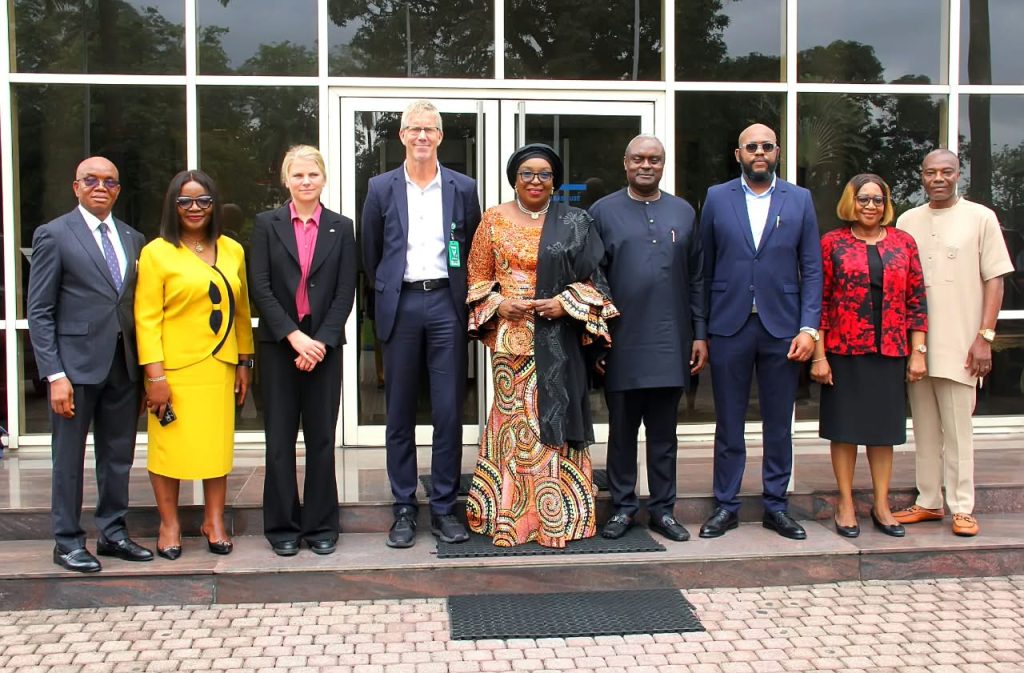
Rivers State Deputy Governor, Prof. (Mrs.) Ngozi Nma Odu (Middle), with the Norway’s Ambassador to Nigeria, H. E. Svein Baera (4th Left), the Chief of Staff, Government House, Barr. Sunny Ewule (4th Right), the Head of Civil Service, Dr. Inyingi Brown (2nd Left) and others shortly after a Courtesy Visit at the Government House, Port Harcourt on the 24th Sept. 2026.

The Norwegian Government has intensified efforts to deepen its economic engagement with Rivers State, moving beyond its century-old stockfish trade with Nigeria to court Rivers businessmen for broader investments in oil and gas, healthcare, education and other strategic sectors.

This emerged on Thursday when the Norwegian Ambassador to Nigeria, Svein Bæra, led a delegation to Government House, Port Harcourt, where he held talks with Rivers State Governor, Siminalayi Fubara, on expanding commercial ties between Norway and the state.

Represented by his deputy, Prof. Ngozi Nma Odu, the governor said Rivers was ready to strengthen trade and investment relations with Norway, describing the nearly 100-year stockfish trade as a strong foundation for wider economic cooperation.

He said trade thrives on mutual benefit and noted that the longstanding commercial relationship between the two countries could serve as a gateway to partnerships in other sectors.
“That could be an entry point into us collaborating in other aspects of international trade,” he said.

The governor urged the Norwegian delegation to meet with the Port Harcourt Chamber of Commerce and other business associations to exchange ideas with Rivers entrepreneurs on available investment opportunities and future prospects.

Welcoming the delegation on behalf of the government and people of Rivers State, Fubara expressed optimism that the visit would mark the beginning of a stronger economic relationship between the state and Norway.

Speaking earlier, Ambassador Bæra said the Norwegian delegation was in Rivers State to engage directly with businessmen and investors, particularly stockfish importers, while exploring new opportunities in the oil and gas sector.

He said discussions with key stakeholders would help identify areas of shared economic interest and strengthen existing trade ties, signalling Norway’s intention to broaden its commercial footprint in Rivers beyond the traditional stockfish market.

Fubara Raises Judiciary Overhead By 50%, Reaffirms Commitment To Judicial Autonomy

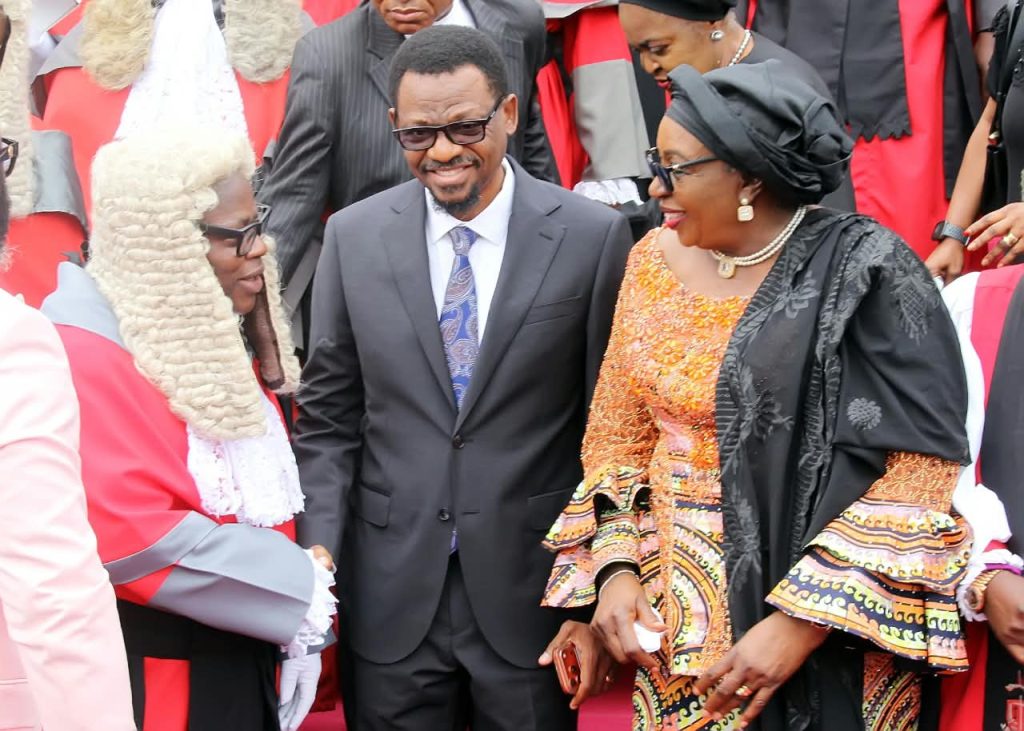
Rivers State Deputy Governor, Prof. (Mrs.) Ngozi Nma Odu, exchanging pleasantries with the Speaker, Rivers State House of Assembly, Rt. Hon. Martins Chike Amaewhule and the State Chief Judge, Hon. Justice Simeon Chibuzor Amadi, shortly after the 2026-2027 Legal Year Thanksgiving and Re-dedication Service at the Cathedral Church of St. Paul, Rebisi, Port Harcourt on the 24th Sept. 2026.

Rivers State Governor, Siminalayi Fubara, has approved a 50 per cent increase in the overhead allocation to the state’s judiciary, reaffirming his administration’s commitment to judicial independence, institutional autonomy and improved justice delivery.

The governor announced the decision during the Special Court Session marking the commencement of the 2026/2027 Legal Year at the Ceremonial Court Hall of the High Court Complex in Port Harcourt on Thursday.

Represented by his deputy, Prof. Ngozi Nma Odu, Fubara said an independent and well-resourced judiciary remains indispensable to peace, stability and socio-economic development, assuring judges and magistrates of continued government support in the discharge of their constitutional responsibilities.

He described the opening of the legal year as a moment for reflection, accountability and renewed dedication to the administration of justice, while commending the leadership of the Chief Judge of Rivers State, Justice Simeon Chibuzor Amadi, for preserving the integrity and dignity of the judicial system.

Fubara maintained that public confidence in the courts is essential to strengthening trust between citizens and government, noting that the judiciary remains a critical pillar of democratic governance.
He, however, acknowledged persistent challenges confronting the justice sector, including inadequate infrastructure and manpower, rising caseloads, case management difficulties and delays in the administration of justice.

The governor assured judicial officers that his administration would continue to respect the judiciary’s constitutional autonomy and provide the resources required for it to function without interference.

He disclosed that the newly approved 50 per cent increase in overhead expenditure, made possible through the 2026 Appropriation Law, is aimed at meeting the operational needs of the judiciary, improving the welfare of judicial officers and supporting training for judges, magistrates and court personnel.

In his address, Justice Amadi praised Fubara for upholding the rule of law and allowing the judiciary to function effectively as the third arm of government.

He described the courts as a sanctuary where the weak must find protection and the powerful remain accountable under the law.

The Chief Judge urged judicial officers to remain faithful to their oath of office, saying the ideal judge should be “fair without being harsh, patient without being passive, and independent without losing sight of the responsibility that accompanies judicial authority.”

He added that strengthening manpower and improving conditions of service would enhance the administration of justice and better equip the judiciary to serve the people.

Also speaking, President of the Customary Court of Appeal, Justice Ihemnacho Wilfred Chibuzor, renewed his commitment to service and integrity, arguing that a motivated and respected judiciary is vital to promoting integrity and curbing corruption.

Activities marking the commencement of the 2026/2027 Legal Year began earlier with a Thanksgiving and Rededication Service at the Cathedral Church of St. Paul, Rebisi, Port Harcourt.

Onaiyekan Demands Electoral Reforms, Says Nigeria’s Democracy Losing Credibility

0

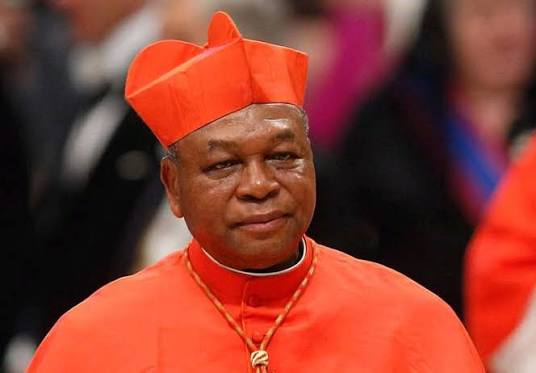
Archbishop Emeritus of Abuja, John Cardinal Onaiyekan, has warned that Nigeria’s democracy is steadily losing credibility, calling for sweeping electoral reforms ahead of future elections while urging the media to remain an independent force in safeguarding the nation’s democratic future.

Delivering the keynote address at the 2026 All Nigeria Editors Conference (ANEC) in Enugu on Thursday, the Catholic cleric said although democracy remains the best available system of government, Nigeria’s electoral process has continued to deteriorate since the country’s return to civil rule in 1999.

Speaking on the conference theme, “The Ballot, the Media and the Task of Keeping Democracy Alive,” the 82-year-old cleric drew from decades of witnessing Nigeria’s political evolution, arguing that governance must ultimately serve the common good rather than political elites.

“It seems that the quality of our elections has been reducing from one election to another, and this is not good news at all,” he said.

Seven reforms before another election cycle
Onaiyekan proposed seven major reforms to strengthen Nigeria’s electoral system, insisting that the present framework leaves too many loopholes for manipulation.

Among his recommendations were changes to the appointment process for the Chairman and commissioners of the Independent National Electoral Commission (INEC), arguing that electoral officials should not depend on presidents or governors who are themselves contestants in elections.

He also advocated the establishment of a permanent election tribunal dedicated solely to resolving electoral disputes before winners are sworn into office.
“A situation where a candidate has already been sworn in while defending victory with state resources against opponents is not serious as far as natural justice is concerned,” he said.

To strengthen presidential legitimacy, Onaiyekan proposed a mandatory 50 per cent threshold for victory, with a runoff between the top two candidates where necessary. He also urged stricter rules against lawmakers defecting to other parties without returning to their constituents for fresh mandates.

Concerns over INEC, incumbency and security
The cardinal expressed concern over what he described as the growing influence of incumbency during elections, warning against the use of public resources for partisan campaigns.

He questioned whether INEC enjoys sufficient independence despite its constitutional mandate, noting that the commission often faces pressure from governments that simultaneously serve as election contestants.
He also criticised the heavy deployment of security agencies during elections, saying the overwhelming presence of armed personnel intimidates voters rather than encouraging participation.

Turning to journalism, the former Archbishop described the media as the “Fourth Estate of the Realm,” insisting that its constitutional importance extends beyond reporting events to protecting democratic accountability.
He urged editors and journalists to operate with professional independence, resisting pressure from governments, corporate interests and political actors.

“The media should report government actions positively where deserved and critically where necessary,” he said.

While acknowledging that Nigeria still enjoys a relatively diverse media landscape through newspapers, radio, television and digital platforms, Onaiyekan cautioned that emerging technologies, including artificial intelligence, present new ethical challenges.
Referencing Pope Leo XIV’s recent encyclical, Magnifica Humanitas, he urged journalists to harness technological innovation responsibly while guarding against its misuse.

The cardinal concluded that democracy cannot succeed through legal reforms alone, insisting that Nigeria also needs leaders with integrity, honesty and commitment to the common good.
He reminded political office holders that power ultimately belongs not to politicians but to God and must be exercised with humility and accountability.

Onaiyekan also challenged religious leaders to stop seeking political patronage and instead preach the values of justice, accountability and good governance from pulpits and mosques.

“If religion prioritises preaching the values of good governance,” he said, “it can become a positive asset for building a better Nigeria under one God.”

Be Democracy’s Last Line of Defence, Obi Of Onitsha Charges Editors

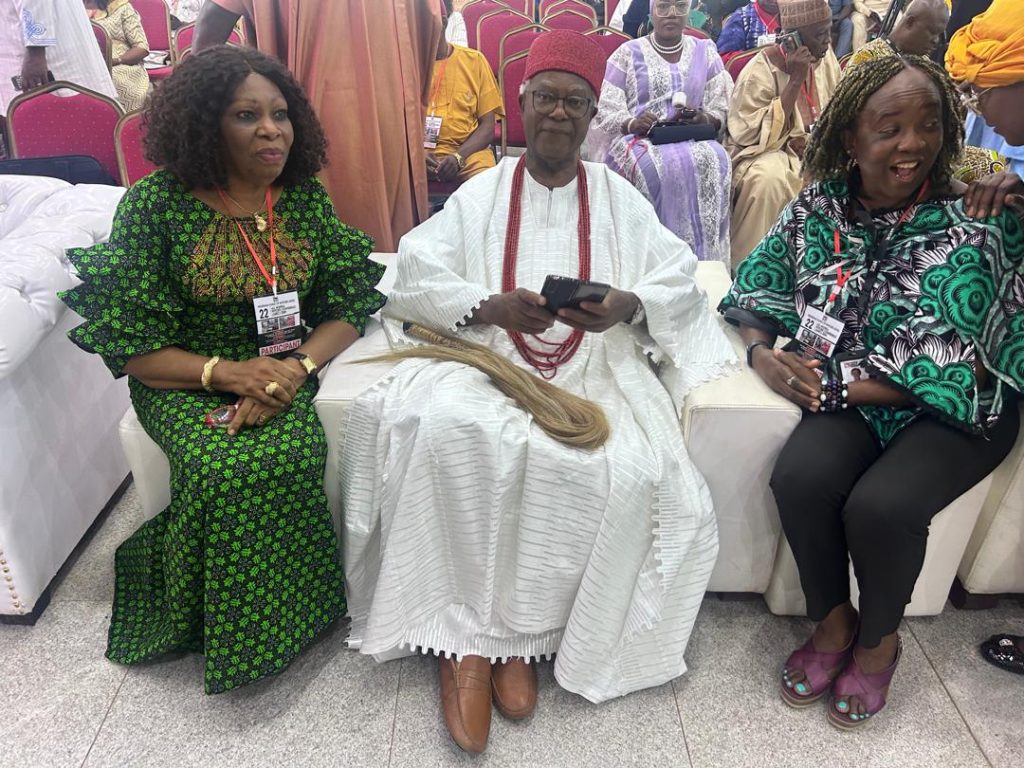
With Chairman of the Conference His Royal Majesty, Igwe Alfred Nnaemeka Achebe,Obi of Onitsha.

The Obi of Onitsha, His Royal Majesty Igwe Nnaemeka Alfred Achebe, has challenged Nigerian editors to become the nation’s last line of defence against disinformation, warning that artificial intelligence (AI)-generated falsehoods now pose one of the greatest threats to electoral integrity and democratic survival.

Speaking on Thursday while declaring open the 2026 All Nigeria Editors Conference (ANEC) in Enugu, Achebe said democracy cannot survive on its own but requires vigilant institutions, especially the media, to protect the truth before, during and after elections.

Addressing editors from across the country at the conference themed, “The Ballot, the Media and the Task of Keeping Democracy Alive,” the monarch likened democracy to a fire that must be constantly tended lest it dies unnoticed.

“Democracy is not a monument we erect and then walk away from. It is more like a fire lit to keep the house warm. It must be tended, fed, protected from wind and rain, or it dies quietly in the night while everyone believes it still burns,” he said.
Achebe, who reflected on Nigeria’s journey from independence through military rule to democratic governance, argued that the ballot remains meaningful only when citizens are equipped with truthful information.

“The ballot is the citizen’s voice. The media is the mirror by which that citizen sees the world clearly enough to know what to say with that voice. When the mirror is cracked, or worse, deliberately distorted, the citizen no longer votes from truth but from illusion,” he warned.

The royal father devoted significant attention to the conference’s sub-theme, “When Lies Look Real: Detecting and Debunking AI Disinformation Before, During and After Elections,” describing it as one of the most unsettling issues confronting journalism today.

According to him, advances in artificial intelligence have made it possible to manufacture convincing fake voices, videos and images capable of inflaming political tensions within seconds.

“A voice that sounds exactly like a governor can now say something that the governor never said. A video can show a candidate in a place he never was, timed precisely to inflame passions on the eve of an election,” he said.

He noted that Nigeria’s strong communal ties and trusted family and community information networks, once sources of resilience, have become fertile channels for the rapid spread of misinformation through platforms such as WhatsApp.

The monarch outlined three responsibilities for editors in confronting the new information landscape.
The first, he said, is placing verification above speed.
“In the old order, being first with the news was honour. In this new order, being first with a lie dressed as news is a betrayal of the public trust.”
Secondly, he urged journalists to deepen public literacy by mastering the tools used to create AI-generated disinformation and teaching citizens how to recognise fabricated content without descending into blanket distrust.
“A citizenry that believes everything is as dangerous as one that believes nothing,” he cautioned.
His third charge was courage, insisting that journalists must debunk falsehoods irrespective of whose political interests they serve.
“True journalistic integrity in this era will require you to correct falsehoods regardless of who benefits from them,” he said.

Achebe acknowledged the economic pressures, political intimidation and relentless pace of Nigeria’s media environment but expressed confidence that the profession possesses the capacity to meet the emerging challenge.

He recalled journalism’s historic role in exposing colonial injustice, advancing the struggle for independence and documenting Nigeria’s defining moments, urging editors to renew that legacy.
“Let Enugu be remembered as the place where Nigeria’s editors resolved to defend the ballot from the lie, and the citizen from deception dressed as fact,” he declared.
The monarch concluded by urging editors to remain steadfast even when politicians, institutions and electoral bodies fall short of public expectations.

“You must be the ultimate last man standing in the task of defending democracy,” he charged, before offering prayers for the safety, wellbeing and continued success of media practitioners across the country.

Minister Pushes Unified Regional Development Blueprint As NDDC Adopts New Governance Rule Book

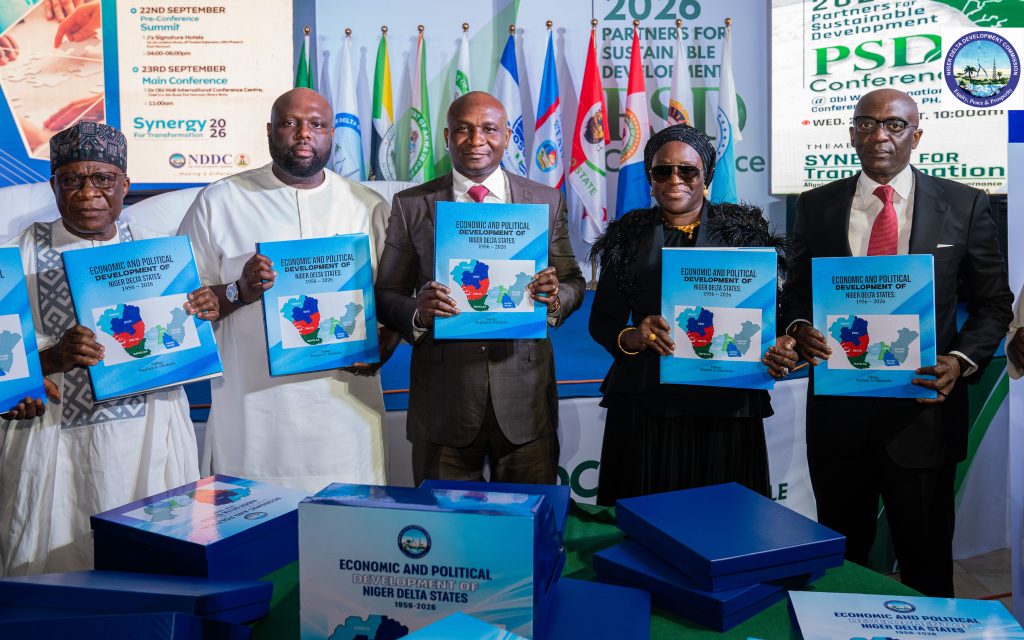
Minister of Regional Development Commission, Engr. Abubakar Momoh; the Chairman of the Senate Committee on NDDC, Asuquo Ekpenyong; the NDDC Managing Director, Dr Samuel Ogbuku; the Deputy Governor of Imo State, Mrs. Chinyere Ekomaru and the NDDC Governing Board Chairman, Mr Chiedu Ebie, during the NDDC 2026 partners for sustainable development, PSD, Conference in Port Harcourt, Rivers State.

The Federal Government has moved to deepen coordinated regional development across Nigeria, with the Minister of Regional Development, Engr. Abubakar Momoh, urging all Regional Development Commissions to emulate the Niger Delta Development Commission (NDDC) by producing comprehensive master plans that can be harmonised into a single national development framework.

Speaking at the 2026 NDDC Partners for Sustainable Development (PSD) Conference in Port Harcourt, Rivers State, Momoh said the Ministry was working on a policy framework that would align regional development initiatives nationwide and ensure that each commission derives its operational agenda from a harmonised master plan.

He described the NDDC’s initiative as a model for other regional commissions, noting that coordinated planning was essential to addressing Nigeria’s development challenges.

According to him, no single institution can tackle the complex socio-economic issues confronting the Niger Delta, stressing that the region’s future depends on how governments, communities, development partners and the private sector plan, invest and act collectively.

The minister said President Bola Tinubu’s administration remained committed to programmes that expand economic opportunities, strengthen livelihoods, protect vulnerable communities and deliver long-term prosperity.

He challenged participants at the conference to interrogate existing practices, identify gaps and build stronger partnerships capable of accelerating sustainable development.

Also speaking, Imo State Governor Hope Uzodinma, represented by his deputy, Mrs Chinyere Ekomaru, called for stronger collaboration between the governors of the nine oil-producing states and the NDDC to drive sustainable growth across the Niger Delta.

She reaffirmed the state’s commitment to supporting the Federal Government’s Renewed Hope Agenda and initiatives aimed at improving the lives of people in the region.

NDDC Managing Director, Dr Samuel Ogbuku, said stakeholder engagement had become central to the Commission’s development strategy, insisting that communities must be involved from the planning stage if projects are to achieve lasting impact.

He explained that the Commission had institutionalised reforms designed to strengthen public trust, including a comprehensive review of its processes by global consulting firm KPMG to reinforce accountability, transparency and performance measurement.

According to Ogbuku, the reforms have produced a more robust corporate governance structure backed by measurable Key Performance Indicators (KPIs), while engagement with stakeholders is intended to prevent government agencies from working at cross-purposes and instead leverage collective strengths.

He also announced that the 1.2-kilometre Kaa-Ataba Bridge linking Khana and Andoni Local Government Areas of Rivers State would be named after President Bola Tinubu.

Chairman of the NDDC Governing Board, Mr Chiedu Ebie, said the Commission had adopted a new Standard Operating Procedure (SOP) alongside Governance Advisory Policies approved by the Board to serve as the Commission’s official rule book guiding all operational processes.
He said the new governance framework would institutionalise discipline, consistency and accountability across the Commission’s activities.

On the legislative front, Chairman of the Senate Committee on NDDC, Senator Asuquo Ekpenyong, assured stakeholders that the National Assembly would sustain robust oversight to promote transparency, efficiency and the timely delivery of development projects throughout the Niger Delta.