

Home Blog Page 171

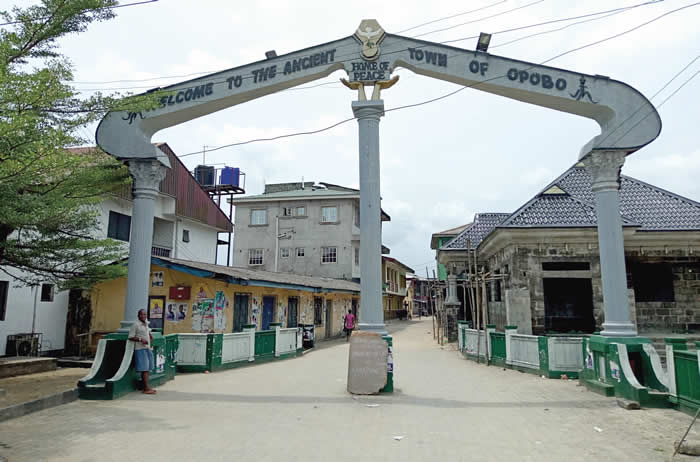
OPOBO IS NOT AN IGBO OUTLET: CORRECTING THE DISTORTION OF HISTORY

0

EDITOR’S NOTE

*This article presents a meticulously researched response to a recent piece crafted by Vanguard newspaper columnist Emeka Obasi. Focused on the intricate history surrounding Opobo, this Right of Reply penned by writer and public affairs analyst Emeka Amaefula seeks to correct the misinterpretations about Opobo being labeled as an “Igbo outlet.” It stands to correct these inaccuracies by substantively presenting corroborative evidence from historical treaties, compelling archives, and established scholarly works, ensuring that the distinct identity and autonomy of the Opobo Kingdom are appropriately acknowledged.*

*History Distorted*

In his recent article in the Vanguard, my colleague Emeka Obasi attempted to explore the multi-faceted history of the Opobo Kingdom. However, his exploration strayed into inaccuracies, particularly with his assertion that Opobo was essentially an “Igbo outlet.” This claim, undoubtedly meant to provoke thoughtful debate, is historically flawed and cannot be left unchallenged. There is an undeniable need to draw a distinction between the name Opobo, which brings forth images of its notable founder, King Jaja—originally born Jubo Jubogha of Igbo heritage—and the multifaceted kingdom itself.

The history and evolution of the Opobo Kingdom diverge significantly from that of King Jaja, although the interdependencies between the two are evident. Jaja’s leadership indeed served as an impetus for change; yet, the kingdom that materialized and evolved from his endeavors was far beyond the scope of a singular personal narrative. It consisted of the dynamic houses and followers, alliances forged, and socio-political structures that steadfastly endured despite challenges like Jaja’s exile.

*Jaja in Bonny*

Jaja, despite being of Igbo descent, rose to considerable prominence in Bonny, propelled by the House system, a paramount political organization of the Niger Delta. His exemplary leadership skills, remarkable business acumen, and navigational prowess within the intricate trading ecosystems of the Delta brought him substantial recognition. Upon founding Opobo in 1870, Jaja did not transplant his Igbo roots to merely create an extended village. Instead, he emerged as an instrumental Delta leader of notable esteem.

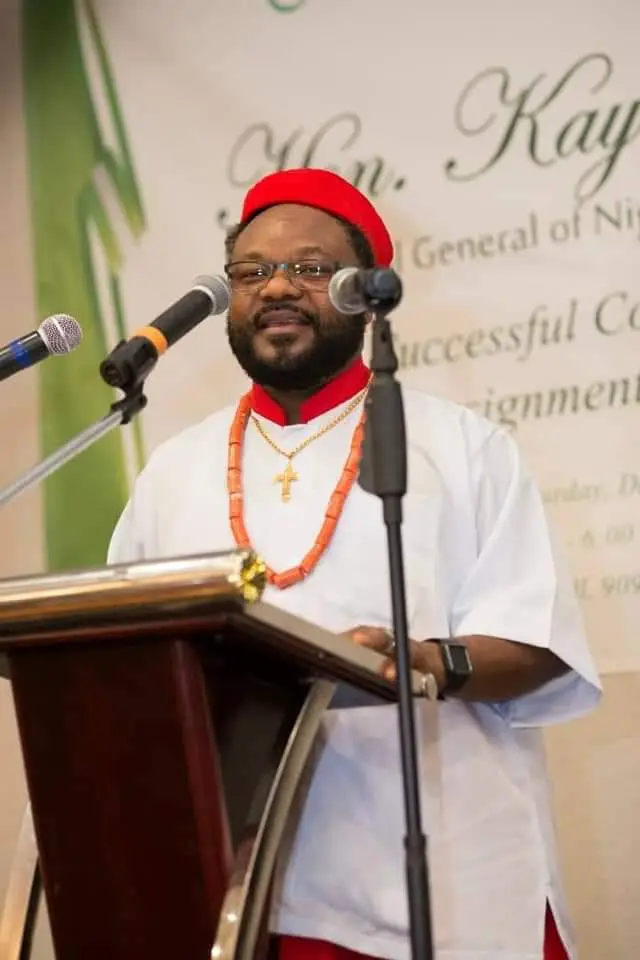
His foundational work in Opobo represented the broader multi-ethnic trading landscape of the Delta, illustrating a dynamic intricacy rather than a simple transplantation from hinterland traditions. Renowned Niger Delta scholar Kay Williamson has eloquently noted that Opobo’s identity was intricately intertwined with the Delta House system, showcasing the cosmopolitan blend of peoples that constituted its leadership.

*Kingdom of Alliances*

Opobo, far from being an isolated ethnic enclave, was a thriving magnet for individuals from diverse backgrounds across the Niger Delta. Its foundational political and social institutions were deeply entrenched in commerce, diplomacy, and alliances rather than being restricted by ethnic homogeneity. By the transformative 1870s, Opobo had evolved into a sovereign trading state, relocating strategic palm oil trade from Bonny to the Imo River while seamlessly controlling substantial commercial avenues leading directly to Liverpool.

*Treaties with Britain*

The remarkable sovereignty of Opobo received acknowledgment from British officials. In 1887, Consul Sir Claude MacDonald notably characterized Opobo as “an independent trading state exercising authoritative control over the Imo River region.” Additionally, in 1884, Britain formalized a treaty with Jaja, respectfully addressing him as “King and Governor of Opobo.” Such records reveal that European merchants, alongside colonial officials, perceived Opobo as an undeniably sovereign kingdom, distinctly separate from Bonny, certainly not an extension of the Igbo hinterland.

These significant agreements went beyond symbolic gestures; they represented genuine acknowledgments by global powers of Opobo’s remarkable nationhood and sovereignty.

*Jaja’s Economic Genius*

Jaja’s remarkable strength lay in his extraordinary economic foresight rather than ethnic mobilization. His strategic elimination of European middlemen allowed Opobo to directly sell palm oil to Liverpool buyers, significantly enhancing the kingdom’s prosperity. Historian E. J. Alagoa documented that by the mid-1870s, Opobo had attained substantial recognition and stature as a Delta kingdom, exporting thousands of tons of palm oil annually. This economic independence provoked British hostility, leading to Jaja’s forced removal and subsequent exile to the West Indies.

*After Jaja’s Exile*

Notwithstanding Jaja’s removal, Opobo demonstrated resilience and adaptability, preventing collapse while its institutions and people upheld their sovereignty with vigor. The enduring legacy of Opobo exemplifies that its existence was far from being singularly tied to Jaja’s person. Instead, it thrived on structures and alliances established by his visionary leadership.

The overarching narrative of Opobo is rooted in resilience and autonomy, rejecting simplistic portrayals as an outlet of another culture. Chronicles emphasize the collective history of the leadership houses, alliances formed, and the sovereignty sustained beyond Jaja’s individual story.

*History Cannot Be Distorted*

If Emeka Obasi’s article aimed to redefine Opobo narrowly as an “Igbo outlet,” the archival evidence soundly contradicts such inaccuracies. The historical reality is crystal clear: Opobo originated from inherent Delta resilience, strategic diplomacy, and robust international recognition.

The rich history of Opobo Kingdom deserves dignified and accurate narration, highlighting its sovereignty as a prominent Niger Delta kingdom. Established by a visionary leader, recognized by global powers of its era, it continues to proudly stand today.

Misleading attempts to distort this history into ethnic simplifications misrepresent readers and disserve the people whose history is defined by admirable independence, resilience, and significant recognition.

History is not subject to fanciful rewrites but stands firm on precise evidence and factual documentation.

✍🏽 By Emeka Amaefula
*Emeka Amaefula is a Port Harcourt City Rivers State Nigeria based Veteran Journalist,writer, author and Public Affairs Analyst*
*+234(0)8111813069*
email: *amaemeka2001@gmail.com*

Climate Financing: Africa Faces $250 Billion Shortfall Annually …Vows To Speak With One Voice At COP 30 In Brazil

0

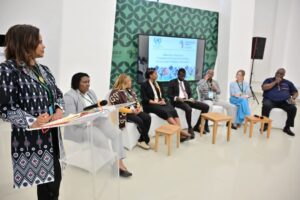
Africa requires over $3 trillion to meet its 2030 climate goals but has received only $30 billion between 2021-2022, marking a shortfall of between $200-250 billion annually.

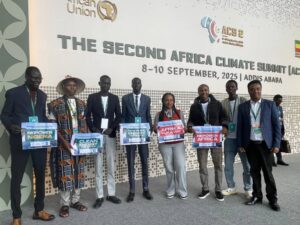
This is part of the report from the Second Africa Climate Summit (ACS 2), held in Addis Ababa, Ethiopia, from 8th – 10th September 2025.

The Summit, which ended with significant commitments and strategic declarations that position Africa as a leader in climate global action, could still not raise funds sufficient to close the gap in funding entirely.

The summit brought together heads of state, financial institutions, and climate leaders to forge unprecedented partnerships. It also served as a crucial platform for Africa to unify its voice ahead of COP 30 in Brazil.

Some of the initiatives aimed at financing climate change adopted at the summit include the African Climate Innovative Compact (ACIC) and the Africa Green Industrialization Initiative (AGII).

African leaders agreed to invest $50 billion in catalytic finance in ACIC to promote climate solutions across the continent.

This ambitious initiative targets five critical sectors of energy, agriculture, water, transport, and resilience.

It targets renewable energy projects and grid modernisation initiatives, sustainable water systems and conservation projects, climate-smart farming and food security technologies, and clean mobility and sustainable logistics networks.

For the AGII, a $100b billion landmark cooperation agreement was made, bringing together the continents leading financial institutions in an unprecedented partnership.

Key development banks suh as African Development Bank, Afrexim Bank,Africa 50, and African Finance Corporation (AFC), as well as four commercial banks- KCB Group,Equity Bank, Standard Bank Kenya, and Ecobank are expected to mobilize funds for the funds that will be facilitated under the Africa Free Trade Area (AfCTA) Secretariat.

The key focus area of the fund is renewable energy- powered industrial clusters, new value chains in critical minerals, green fuel production capacity, and battery manufacturing across the continent.

The summit adopted the Addis Ababa Declaration on Climate Change and Call To Action, which represents a significant evolution from the 2023 Nairobi Declaration and marks Africa’s transformation from climate victim to solution leader.

The summit positioned Africa as a global climate solution provider rather than just a vulnerable continent. It urged for a strong focus on adaptation, resilience, and nature-based solutions for climate challenges while emphasising predictable, fair climate finance and equitable global climate action and called for climate finance in grants and not loans to avoid worsening debt burdens.

Provide NIN Or Lose Enrollment, RIVCHPP Warns Beneficiaries

0

The Rivers State Contributory Health Protection Programme (RIVCHPP) has reiterated its stance to flush out beneficiaries of the scheme who did not enrol with their National Identification Numbers (NIN).

Executive Secretary/Chief Executive Officer of the RIVCHPP, Dr. Vetty Agala, who disclosed this while addressing the management team in her office in Port Harcourt, said from the onset that the office was aware of the provision of NIN as a prerequisite for registration.

She noted that the office only relaxed the condition to give opportunity for more residents to be part of the programme.

Dr. Agala clarified, “RIVCHPP is being supervised by National Health Insurance Authority (NHIA), which has emphasised the need for the provision of NIN by all Basic Health Care Provision Fund (BHCPF) enrollees”, warning that beneficiaries who cannot provide their NIN would be removed from the BHCPF package of its programme by the end of September, 2025.

The Executive Secretary also stated that payments of monthly stipends to enrolment officers will be based on the number of beneficiaries who enrolled with their NIN, saying, “tell the enrolment officers that vulnerable persons who are registered without NIN are considered as ghosts by NHIA who provides the BHCPF. We can’t pay them for supplying us ghosts as our enrollees, ” she warned.

She urged enrolment officers to desist from enrolling persons that do not fall into the criteria of vulnerable persons, as outlined by RIVCHPP, stressing that any officer found culpable will be shown the exit door.
” There are criteria that qualify persons as vulnerable. They are the ones to enjoy the free healthcare services of the Basic Health Care Provision Fund (BHCPF). But we have noticed that some enrolment officers now register people who are not within the set criteria being registered as vulnerable persons. Interested persons who are not vulnerable should pay and be registered in the other packages of the programme. Enrolment officers who persist in doing the wrong thing will be asked to leave the work, ” RIVCHPP’s Executive Secretary admonished.

Agala, however, pleaded with individuals, groups, and organisations to help people around them, especially the aged, children believe 5 years, and ithers, without NIN to get theirs in order to continue to benefit from the robust and quality programmes of RIVCHPP.

Indorama’s Policies On Environment, Climate Change On Course …Debunks Allegations Of Unhealthy Environment Practices

0

Indorama Eleme Fertilizer and Chemicals Company has again restated its commitment to maintaining and upholding healthy environmental policies and standards as part of its culture of integrity and excellence.

The award winning company said it would continue to do this by implementing its policies on environment and climate change as well as occupational health, safety, and well-being of its workers and host community.

The company made the reassurance while reacting to a press statement titled, “unhealthy Environment Practices by Indorama Eleme Fertilizar Petrochemical Ltd,” issued by Pilex Centre for Civic Education Initiative.

In a statement issued and signed by the Head, Corporate Communications of Indorama Eleme Fertilizar and Chemicals Company, Justice Tienagbeso Bibiye and made available to newsmen, the firm restated that its commitment to maintaining high environmental standards remained Irrevocable, describing the allegations against them as “spurious and unfounded.”

It urged Pilex Centre for Civic Education Initiative and others to respect the laws of the land and refrain from further statements as the matters were before the judiciary.

The statement from the company reads thus:

“That is a good corporate citizen of Nigeria, indorama has, over the years, consistently demonstrated its commitment to strict adherence to the laws of the land, and total compliance to judicial process.

“That the issues raised in the press statement have since been put forward before a court of competent jurisdiction following two cases instituted by Pilex Centre and Mr. Josiah Okpabi, who is a former employee of Obewon Ltd., a contractor at Indorama.

“That Pilex Centre and Mr Okpabi are plaintiffs in the suit No. NICN/PHC/28/2025 – Pilex Centre Civic Education Initiative & Comrade Okpabi Josiah Jonathan VS Obewon Ltd. & IEFL filed on May 5, 2025 at the National Industrial Court in Port Harcourt, and adjourned to 14th and 15th October, 2025.

“That both Pilex Centre and Mr Okpabi are also plaintiffs in another suit with case No. NICN/PHC/27/2025 – Okpabi Josiah Jonathan vs Obewon Ltd and IEFL still before the National Industrial Court in Port Harcourt, and adjourned to 14th October, 2025.

“That Indorama, as a law-abiding corporate citizen of Nigeria, refrains from commenting on matters that are already before a court of competent jurisdiction as doing so amounts to subjudice which constitutes serious infractions to judicial processes.

“That we urge Pilex Centre and Mr Okpabi, who initiated these legal actions to exercise patience and allow the judicial process to reach its logical conclusion. Furthermore, we urge the public to disregard the accusations in the press statement, as they are spurious and unfounded.

“That Indorama-Nigeria remains committed to full implementation of its policies on environment and climate change as well as occupational health, safety and well-being policy built on an enduring culture of integrity and excellence.”

Emergency Responders Rescue 4 from Yaba Building Collapse

0

Emergency responders have rescued four men from a three-storey building that collapsed while under construction on Friday night in Yaba, a suburb of Lagos.

Acting Head of the National Emergency Management Agency (Lagos Operations Office), Mrs Ibitayo Adenike, disclosed this in a statement on Saturday.

Adenike said that the building collapsed on Friday night at about 8.30 p.m. at No 333 Borno st, Alagomeji, Yaba, trapping several persons.

“Four men have been rescued and taken to the hospital,” Adenike said.

She added that the number of people still trapped under the rubble could not be determined until the building was completely brought down to ground level.

She added that search and rescue operations were ongoing.

According to her, emergency responders at the scene include the Lagos State Emergency Management Agency (LASEMA), the Lagos State Fire and Rescue Service, the Lagos State Building Control Agency, the Nigeria Police Force, among others.

Cholera Claims More Lives For Second Consecutive Year, Says WHO

0

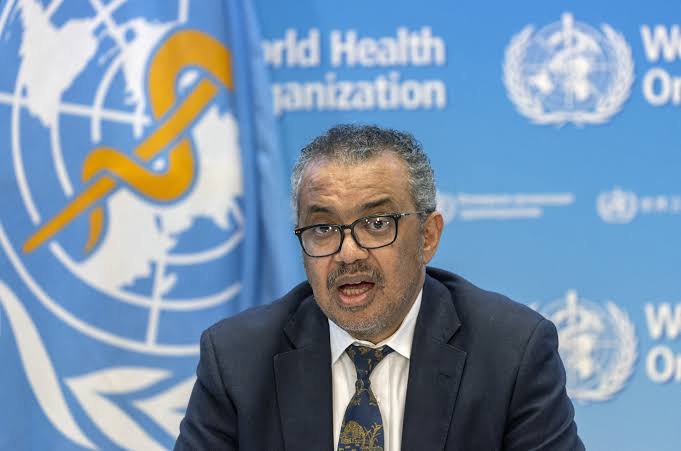
The World Health Organisation (WHO) has published its global cholera statistics for 2024, showing an increase in both the number of people who fell sick and died from the disease.

‎The world body said on Friday in a statement while prevention and treatment was available.

‎According to it, reported cholera cases rose by 5 per cent and deaths by 50 per cent in 2024 compared to 2023, with more than 6,000 people dying from a disease that is both preventable and treatable.

‎”While these numbers are themselves alarming, they are underestimates of the true burden of cholera.

‎”Conflict, climate change, population displacement, and long-term deficiencies in water, sanitation, and hygiene infrastructure continue to fuel the rise of cholera.

‎”A disease caused by the bacterium, Vibrio cholerae, spreads rapidly through faeces-contaminated water,” it said.

‎The statement said that 60 countries reported cases in 2024, an increase from 45 in 2023.

‎”The burden of the disease remained concentrated in Africa, the Middle East, and Asia, which collectively accounted for 98 per cent of all reported cases,” it said.

‎It said that the scope of cholera outbreaks continued to expand in 2024, with 12 countries each reporting more than 10,000 cases, seven of which experiencing large outbreaks for the first time in the year.

‎The statement said that the resurgence of cholera in Comoros -after more than 15 years without reported outbreaks underscored the persistent threat of global transmission.

‎It said that the case fatality ratio for Africa increased from 1.4 per cent in 2023 to 1.9 per cent in 2024, revealing critical gaps in the delivery of life-saving care.

The WHO said it signaled the fragility of many health systems, along with challenges in access to basic health services.

‎”One quarter of deaths occurred in the community, outside of health facilities, highlighting serious gaps in access to treatment and the need to strengthen work with communities.

‎”To combat cholera, governments, donors and communities need to ensure people have access to safe water and hygiene facilities, have accurate information on how to protect themselves, and rapid access to treatment and vaccination when there are outbreaks.

‎”Strong surveillance and diagnostics will help guide these responses.

‎ “Further investment in vaccine production is also needed,” it said.

‎The statement said that a new, innovative Oral Cholera Vaccine (OCV), Euvichol-S®, was prequalified in early 2024 and entered the global stockpile.

‎According to the statement, its addition helped to maintain average stockpile levels above the emergency threshold of 5 million doses for the first six months of 2025.

‎It however, said that due to the continued high demand for OCV, the temporary change from a two-dose to a single-dose regimen remained in effect throughout 2024 and into 2025.

‎”Requests for 61 million OCV doses were made to the global stockpile in 2024, and a record 40 million were approved for emergency use in reactive, single-dose campaigns in 16 countries.

‎”However, supply constraints continued to outstrip demand in 2024, and into 2025.

‎”Preliminary data show that the global cholera crisis continues into 2025, with 31 countries reporting outbreaks since the beginning of the year,” it said.

‎The statement said that WHO assessed the global risk from cholera as very high, and was responding with urgency to reduce deaths and contain outbreaks in countries around the world.

‎It said that WHO continued to support countries through strengthened public health surveillance, case management, and prevention measures.

Others were provision of essential medical supplies; coordination of field deployments with partners; and support for risk communication and community engagement.

Nigeria Needs More Cancer Treatment Centres- ARCON

0

The Association of Radiation Oncologists of Nigeria (ARCON) has called on the federal government to establish more cancer treatment centres across the country to curb the growing prevalence of the disease.

Dr Nwamaka Lasebikan, President of ARCON, made the appeal at the opening ceremony of the association’s 8th Annual Scientific Conference and General Meeting, held in Port Harcourt.

The conference, themed, “Innovating Through Collaboration: Cultivating a Resilient Nigerian Oncology Ecosystem”, brought together medical experts, cancer survivors, and advocates.

Lasebikan said the establishment of additional centres would improve access to care and assist in reducing the rising number of cancer cases and related deaths in Nigeria.

“We must rethink cancer in Nigeria. Our goal is to build a resilient, inclusive, and people-focused oncology ecosystem,” she said.

She also urged increased government funding to strengthen the Cancer Health Fund (CHF), which currently provided support for breast, cervical, and prostrate cancers.

According to her, the programme lacks both consistency and adequate coverage to meet patients’ needs.

“Government must re-engineer the funding model and invest in hospitals where cancer is treated, so patients can access care without financial distress

“Cancer treatment is expensive globally, and Nigeria must do more to support patients,’” she stressed.

The ARCON president further called for the integration of science, policy, economics, and enterprise to achieve sustainable outcomes in the fight against cancer.

She added that the government should listen to survivors and those who advocated greater attention to post-treatment care and mental health support.

She urged the government to establish regulatory platforms and increase funding to expand access to subsidised treatment.

On prevention, Lasebikan advised Nigerians to avoid smoking, reduce alcohol intake and sedentary lifestyles, and adopt healthier diets while engaging in more physical activity to lower cancer risks.

On his part, the Chairman of the Local Organising Committee, Dr Olusegun Biyi-Olutunde, commended government efforts but described them as inadequate.

He noted that Nigeria lacked sufficient treatment and radiotherapy centres, stressing the need for urgent investment.

“We see patients’ trauma firsthand. There is no reason why every state should not have a radiotherapy centre,” he said.

According to Biyi-Olutunde, these capital-intensive projects require government support, while the value of citizens’ lives should compel investment in cancer infrastructure.

The five-day summit featured plenary sessions on Artificial Intelligence in Oncology, Oncology as Enterprise, and the Intersection of Climate and Cancer.

Cows on Abuja Roads: FG, MACBAN Hold Dialogue

0

The Presidency on Friday said dialogue with the leadership of the Miyetti Allah Cattle Breeders Association of Nigeria (MACBAN) was meant to stop cows from roaming the streets of the city centre of the nation’s capital, Abuja.

The dialogue was held at the instance of the Chairman, Board of Trustees of MACBAN, Sultan of Sokoto, Alhaji Sa’ad Abubakar III and the Minister of Livestock Development, Idi Maiha.

In his remark, the Senior Special Assistant to the President on Livestock Development, Idris Abiola-Ajimobi, reiterated the commitment of President Bola Tinubu’s administration to finding a lasting solutions to the challenges bedevelling pastoralist in the country.
” We are here for a stakeholdersengagementts meeting. It’s a gathering to dialogue with the livestock stakeholders to let them understand the effort that are being made by the administration of President Tinubu.
” We are working together with the Ministry of Livestock Development and other relevant agencies to address the root causes of the problems.
” The issue of livestock moving around the street of Abuja. We must first solve the issue of greasing reserves, we are working on ranches, we are working on Special Agro Industrial Processing Zone.
” We are also working on reviving the greasing reserves, providing feeds and ranches whereby pastoralist can find a safe zone to operate to leave and coexist as well as have all the basic social amenities they needs.
” Like feeds, water, healthcare system, veterinary clinics and other essential services,” Abiola-Ajimobi said.
Also, Dr Balarabe Kakale, Special Assistant to the Minister of Education on Almajiri and Out-of-School-Children Education, said
the meeting also looked at the all-inclusive efforts of the Federal Ministry of Education.
” The meeting interacted with all the stakeholders and leaders mainly of MACBAN in Abuja and surrounding states and unanimously came up with one very important resolution.
” They are ready to partner with the sustainable grazing solutions of the Federal Ministry of Livestock Development which educational is the key component.
” And they were ready to move to the grazing reserves of Abuja. So far, the required amenities are all provided there and of course they are about the Nomadic schools, veterinary and medical clinics, electricity, water, mini dams among others.
” And they are all ready to key into the all-inclusive education transformative agenda of this administration to get every child into functional education and learning, ” he said.
For his part, the National President of MACBAN, Alhaji Baba Othman-Ngelzarma, affirmed that the meeting was organised to address the concerns of cows roaming the city centre.
” And to also address the issue of education, particularly the issue of out of school children which the pastoralist children are the majority.
” Out of about 20 million out-of-school children in Nigeria, we believe 80 per cent of the out of them belong to the pastoralist children.
” So, the issues of concern were raised and addressed here. You can see the congregation, we want to make Abuja a model, we want to start practising it here and see how it is going to work for us.
” You can see we have invited all the stakeholders, the leadership of MACBAN from the six Area Councils of the FCT amd those families whose cows are roaming the streets of the city centre.
” We all invited them to here from them. Let’s know what is the process that is bringing them into the city and how can we stop it, ” he said.
Othman-Ngelzarma disclosed that a committee would be set up to find a lasting solution that would stop cows from roaming the city centre.

Guinness World Record: Hilda Baci’s Jollof Rice Largest Pot Cooking Turns Carnival

0

Nigerian Chef Hilda Baci’s bid to set a Guinness World Record for the Largest Pot of Jollof Rice cooking turned to a Carnival of sorts as fans, well-wishers, media crews and food vendors gathered at Eko Hotel on Thursday to be part of the historic event.

As early as 8.30 a.m., a crowd awaited entry into the venue, and fans were granted entry into the venue at 9.20 a.m.

Baci had earlier stated that over 20,000 people registered to attend the event.

The chef aimed at cooking 250 bags of rice in a massive 22,619-litre pot, which will be served to attendees.

The atmosphere was festive as food vendors had already set up their stalls, offered popular Nigerian delicacies, snacks, and drinks from different ethnic groups.

Content creators and influencers roamed the venue, which had turned into a mini food fair, with cameras and phones capturing the energy of the crowd.

The crowd got more excited when the music came on at 12.56 p.m., as many were observed dancing.

Security operatives and paramedics were stationed across the venue to maintain order and ensure safety during the event.

Nigerian actor Charles Born said he was excited to witness Baci make another history.

According to Born, he is the chef’s friend and knows her to be a go-getter.

“I’m really excited for my friend, and one thing about Hilda is that once she’s convinced about something, she does it.

“I love the energy I’m seeing. Everybody is excited. Everybody is waiting.

“People are eating. Our food is getting more attention,” he said.

The Creative Director, BAT Events and Chops, Blessing Okechukwu, expressed excitement at being part of what she described as a historic event.

Okechukwu, one of the vendors, said it was more than Jollof Rice for her but a moment of pride dishing out a taste of Nigeria’s unity and vibrancy to the world.

Baci, who rose to international prominence with her Guinness World Record tagged, ‘Cook-a-thon’, in 2023, is aiming to add another achievement to her culinary expertise with this attempt.

Jollof rice is a dish often associated with cultural pride for countries including Nigeria and Ghana.

RMAFC Warns Oil Firm Over Host Communities Agreement

0

The Revenue Mobilisation Allocation and Fiscal Commission (RMAFC), has warned Sterling Oil Exploration and Energy Production Company (SEEPCO), to abide by the commission`s mandates and ensure effective cooperation with its host communities.

Mr Ekene Enefe, Chairman, RMAFC, Investment Monitoring Committee, gave the warning on Friday in Abuja during a meeting with some officials of SEEPCO and it’s host communities in Anambra State.

Present at the meeting were officials from other firms, such as Orient Petroleum (OPR), Cotton Wooden Gas Limited, and Nigeria Upstream Petroleum Regulatory Commission (NUPRC).

The host communities were Ogwu-Ikpele in Ogbaru Local Government Area of Anambra and Ugwu Aniocha in Aniocha North Local Government Area of Delta.

Enefe, who doubles as the Commissioner representing Anambra, in the commission, recalled that on July 17, 2025, the commission invited the SEEPCO and the host communities’ to discuss unresolved issues.

He added that the SEEPCO requested that the commission should give enough time to the company to come back with detailed answers and documents.

He noted that the issues were involved related to Environmental Impact Assessments (EIAs) and Social Impact Assessments (SIAs) and community compensation, which was agreed by both SEEPCO and the host communities.

The commissioner said that the SEEPCO was expected to adhere to the Nigerian laws and regulations regarding community compensation.

According to him, I believe the company has put the details of the unresolved issues in order, as the representative requested during the last meeting..

“Now, the committee wants to confirm if gas flaring penalties are being paid into the federation account.

“The truth must be told, and things must be done rightly. We need to see what you are doing in real terms.

“From all indications, SEEPCO is not really doing the right thing. The company should ensure effective cooperation with the host communities,” he said.

Enefe said that the RMAFC deemed it necessary to also invite NUPRC as supervising agency to strengthen the review.

Mr Emmanuel Ajang, who represented the SEEPCO, said that the Host Community Development Trust (HCDT), has been duly incorporated with the Nigerian Upstream Petroleum Regulatory Commission (NUPRC) approval and registration at Corporate Affairs Commission (CAC).

Ajang said that the management of the company and advisory committees has been constituted.

He added that the company had also made payments of three per cent operating expenses for 2021 and 2022.

“Payment for 2023 had delayed due to joint review with the NUPRC, but approval has now been granted.

“The company started operation in 2019 in the community, and the company had fixed the community`s roads and constructed boreholes in the host communities,” he said.

Mr Patric Esumai, President-General of Ogwu-Ikpele Community, said that the SEEPCO commenced operations in their community in 2016, not 2019, as stated earlier by the SEEPCO representative.

Esumai added that the road constructed was only from one operational point, adding that the road constructed was not serving the community.

He, however, appealed to the commission to conduct an oversight verification visit to confirm the true situation in the communities.

Abdulazeez King, Commissioner representing Kogi State in the commission, emphasised that the situation of the host communities across the Niger Delta area is both painful and heartbreaking.

King stressed that the SEEPCO and other operators must be held accountable, noting that they will always present reports of projects supposedly executed, but real benefits to host communities were missing.

Mr Iyke Akuezumba, who represented the Orient Petroleum (OPR) and Cotton Wooden Gas Ltd., said that the invitation letter the companies received by the commission did not indicate exactly issues to be discussed.

According to him, I was not really prepared because I did not know the purpose of the meeting, but the companies are working closely with the NUPRC to ensure the mandates are adhere.

The Executive Commissioner, Development and Production, NUPRC, Mr Enorense Amadasu, assured the committee that the group accounts for every molecule of hydrocarbon produced in Nigeria and no volume was left untrack.