Home Blog Page 107

Maresca Hails Estevao After Teen Ignites Chelsea UCL Win Over Barcelona

0

Chelsea coach Enzo Maresca hailed Estevao after the teenager inspired a 3-0 Champions League victory over FC Barcelona at Stamford Bridge on Tuesday night Champions League match.

Maresca said Chelsea’s approach would not change in spite of the emphatic win, stressing the team must stay grounded.

He praised Estevao’s pressing and maturity, saying the winger delivered far more than his spectacular second-half goal.

“It’s a big win, especially as it’s Barcelona, but nothing has changed in terms of what team we are and what we can achieve,” he said.

“Estevao had a very good game, not only for the goal, he helped the team with how we were pressing.

“The goal reminded me of the one he scored against us in the Club World Cup – very similar, the same action,” he said of Estevao’s effort for Palmeiras in Chelsea’s 2-1 quarter-final victory in July.

He, however rejected comparisons linking Estevao and Barcelona’s Lamine Yamal to Lionel Messi or Cristiano Ronaldo, calling such pressure unnecessary.

Maresca said both 18-year-olds needed freedom to grow without unrealistic expectations.

“With him, Lamine, they are so young at 18 that if you start to talk about Messi, Cristiano Ronaldo, I think it’s too much pressure for young boys like them.

“At 18, they need to enjoy, they need to arrive at the training ground happy, but when you start to compare them with the Messi or with the Ronaldo, I think it’s too much for them,” he said.

Estevao had troubled Barcelona throughout the match and sealed Chelsea’s second after beating two defenders before scoring from a tight angle.

He said the goal was the most special moment of his young career and described the night as unforgettable.

“I don’t really have any words to sum up how I’m feeling – the perfect night,” the 18-year-old Brazilian said.

“It just happened before I even knew it, I wriggled through. I hope to score many more; it was definitely the most special moment of my career.

“I am so happy my family were here watching.” he said.

NECO Exams: Police Assure Adequate Security In Kogi

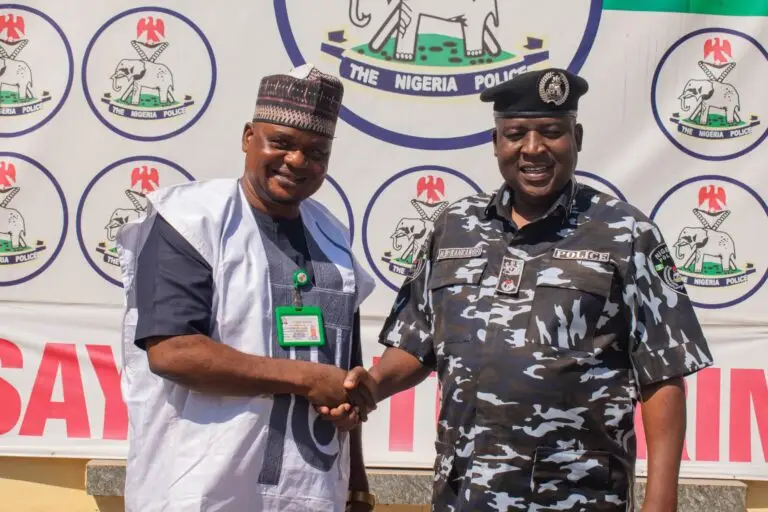
The Police Command in Kogi, has assured the National Examination Council (NECO) of adequate security during its external examination commencing in the state on Wednesday.

The state Commissioner of Police, Naziru Kankarofi, gave the assurance on Tuesday when the NECO Coordinator in Kogi, Mr Thaddeus Ajabu, paid him a courtesy visit.

Kankarofi said that already deployment of security personnel across all examination centers in the state had been carried out to ensure seamless exercises.

He reassured parents and candidates writing the examination in the state of adequate security and safety throughout the examination period.

Earlier in his remarks, Ajabu told the police boss that the visit was aimed at strengthening institutional collaboration and securing adequate security cover for candidates during the examination period.

The coordinator said that the external examination, which would commence on Wednesday, deserved enhanced security.

He expressed gratitude for the police command for the proactive measures, while acknowledging the efforts of the commissioner to secure the examination environment and ensure smooth exercise.

At 65th Anniversary Of Diplomatic Relations, Nigeria, Russia To deepen Economic Cooperation

0

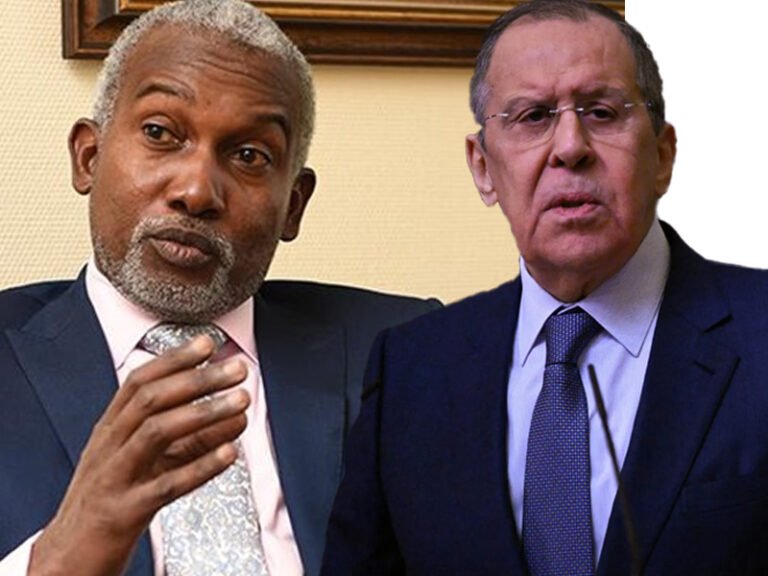
Amb. Andrey Pudelyshev, Ambassador Extraordinary and Plenipotentiary of the Russian Federation to Nigeria, has reaffirmed the country’s commitment to deepening cooperation with Nigeria in key sectors of the economy.

Pudelyshev disclosed this at the commemoration of the 65th anniversary of the establishment of diplomatic relations between the Russian Federation and Nigeria on Tuesday night in Abuja.

He said that the mutual turnover of trade between the two countries is yet to reach $1 billion dollars, adding that it did not reflect the real potential of both countries or the needs of the current time.

“We, therefore, see before us a serious and inspiring task to expand practical cooperation in energy, agriculture, transport, extractive industries, the digital economy and higher technologies,” he said.

The envoy described the occasion as an anniversary of trust and a moment when history itself turned a page for diplomatic relations, which marked the natural continuation of a significant step taken.

He said the Soviet Union was among the countries that supported Nigeria during the period of serious internal challenges, when Nigeria’s territorial integrity was under threat.

“We did not impose ready-made solutions, did not preach, and did not dictate. We stood with Nigeria as a reliable and respectful partner.

“Without exaggeration, we made an early start, during the most challenging years, Russia and Nigeria stood shoulder-to-shoulder in defending the unity of the state, and the rights of its people to determine their own future.

“Over the decades, our relations have been enriched by many important milestones and extend beyond politics; dozens of agreements have been signed, and cooperation has extended in energy, geology, education, science, agriculture and culture.

“We consider it necessary to revive the work of the Intergovernmental Joint Commission on Economic, Scientific and Technical Cooperation, which could help us to achieve these tasks.

“We also see significant opportunities in strengthening ties between regions, universities, business communities, parliaments and political institutions. We note our mutual interest in advanced military and military-technical cooperation,” he said.

He reaffirmed Russia’s willingness to support Nigeria’s effort to combat terrorist threats and also to stand ready to provide necessary assistance.

The envoy revealed that cooperation in such areas had gained momentum through Nigeria’s participation in BRICS, as a partner country.

“Next week, the BRICS Plus International Conference, National and Regional Strategies to Combat Terrorism Amid Emerging Challenges and Threats, will begin its work in Moscow.

“We hope to see the Nigerian delegation there, as Nigeria plays a leading role in countering terrorism and ensuring stability in West Africa.

We highly value Nigeria’s balanced position within the United Nations, the African Union and ECOWAS.

“Russia supports the reform of the United Nations Security Council and believes that Africa and Nigeria, as the continent’s largest democracy and a major economic power, should have a more prominent voice in global governance.

“Today, the world is experiencing a period of turbulence, which makes the reliability of partners especially important,” he added.

Also speaking, Amb. Dunoma Ahmed, the Permanent Secretary of the Ministry of Foreign Affairs, said that both countries found common ground in principles of sovereignty, non-interference and respect for international law.

According to him, the relationship between them endured because it was built on sincerity, shared interest and mutual respect, saying such foundational values shaped their partnership across politics, economics, defence, education, science and culture.

“It would be remiss not to acknowledge Russia’s early and consistent support to Nigeria in various spheres, including human capital development, through scholarship and training programmes, and technical cooperation in key national sectors.

“In the course of these 65 years, our bilateral relations have matured and diversified. Nigeria and Russia have maintained a steady tradition of high-level dialogue and consultations on global and regional issues.

“Our shared membership in the United Nations and other multilateral bodies has created platforms for collaboration on peacekeeping, counterterrorism and the defence of a rules-based international order.

“Nigeria and Russia continue to explore opportunities in energy, mining, agriculture, transportation and manufacturing, with Nigeria expanding economic potential and Russia’s advanced technological capacity.

“The prospects for deeper economic integration are significant. We look forward to accelerating negotiations and implementation of joint projects that can deliver tangible benefits to the citizens of both countries.”

NAF, NNPC Deepen Partnership To Protect Oil, Gas Infrastructure

0

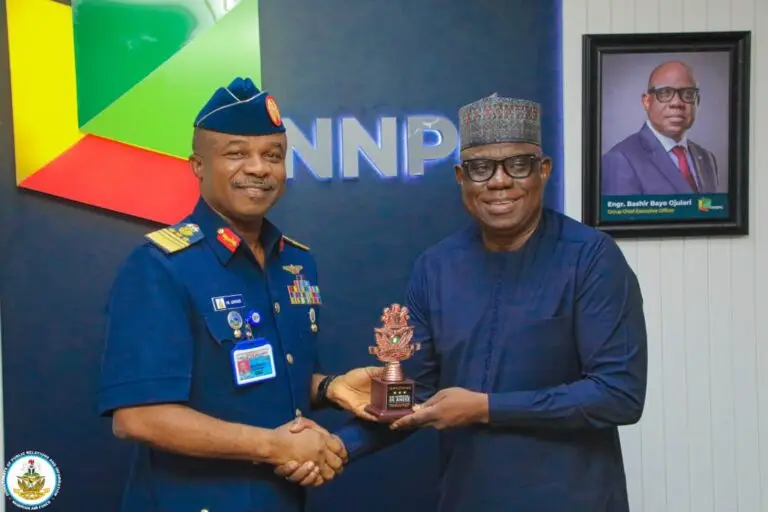
The Nigerian Air Force (NAF) and the Nigerian National Petroleum Company (NNPC) Ltd. have strengthened collaboration to boost the security of the nation’s critical oil and gas infrastructure.

This followed a courtesy visit by the Chief of the Air Staff (CAS), Air Marshal Sunday Aneke, to the Group Chief Executive Officer of NNPC, Bayo Ojulari, in Abuja.

This is contained in a statement by the Director, Public Relations and Information, NAF, Air Commodore Ehimen Ejodame, on Wednesday in Abuja.

Aneke said that securing pipelines, flow stations, offshore platforms and other key assets was vital to Nigeria’s economic stability and central to President Bola Tinubu’s Renewed Hope Agenda.

He said the NAF remained committed to supporting NNPC to curb oil theft, protect investments and enhance national revenue.

The CAS said improved synergy among security agencies had already reduced oil theft, adding that the Air Force was scaling up its intelligence, surveillance and reconnaissance operations to detect and counter emerging threats.

He also highlighted NAF’s strengthened maritime security posture, noting that aligning operations with NNPC’s priorities would ensure uninterrupted energy supply and increased production.

Aneke reaffirmed the NAF’s resolve to support NNPC in protecting national resources and tackling criminal networks undermining the country’s energy sector.

Responding, Ojulari commended the NAF for its sustained support, saying the renewed partnership was crucial to boosting energy security, stabilising production and improving the safety of industry operations.

He assured that NNPC would expand cooperation with the Air Force in intelligence sharing, joint planning and the deployment of modern security technology across vulnerable assets.

Democracy In Nigeria Aĺien, Expensive – LASU Don …Canvasses Domestication To Meet Local Realities

0

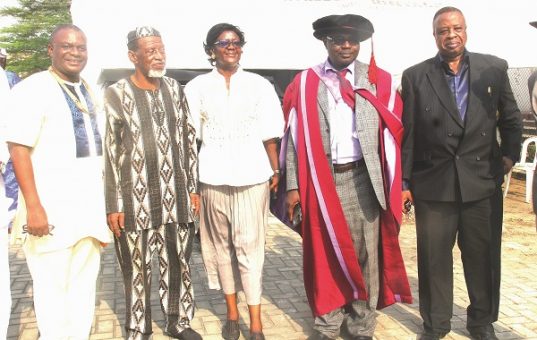
Nigeria will have to realign its democracy, education, and federalism to be able to tackle its challenges adequately, Prof. Adewumi Falode of the History and International Studies Department, Lagos State University (LASU), has said.

Falode said this while delivering LASU’s 115th Inaugural Lecture Series at its Ojo Campus.

The lecture entitled, “Bespoke Solutions: Reimagining, Reifying and Realigning the Wheels of the Nigerian State’’.

Falode is a Professor of International Relations, History, and Strategic Studies.

According to him, Nigeria’s version of democracy is alien and expensive.

“Since its introduction, the form of democracy practised in the country has not been able to fulfil the basic desire of the citizens for full and inclusive participation in governance.

“It failed to deliver dividends to the people.

“I am not in any way advocating a militocracy or plutocracy or oligarchy.

“What I am simply advocating is that Nigeria’s democracy should be domesticated to meet local realities,” he said.

Falode said that the last general elections gulped much money, adding that 2027 elections might cost more.

“Democracy has always been expensive in Nigeria.

“That of 1983 federal elections frittered away two billon Naira, and at the end of the day, the military derailed the whole process.

“Nigeria budgeted N1.5 billion for elections in 1999, N42 billion in 2011, N108.8 billion in 2015.

“The monies for post-elections litigations and other incidentals are not factored into these.

“The shocking thing was that at the end of such elections, it will still take the intervention of the judiciary for the wheel of democracy to be realigned and readjusted,” he said.

On federalism, Falode said that it was the lost ideal wheel to govern a multi-ethnic country such as Nigeria.

“ Countries such as Switzerland and United Kingdom have used this system to govern themselves effectively.

“The problem with Nigeria is that the leaders adopted textbook federalism hook, line and sinker.

“Nigeria must customise or domesticate its federalism to correct fractures.

“ I call this competitive federalism. This means a weak or decentralized centre with strong states,” he said.

He, however, said that such federalism was not regionalism, adding that he was against anything that would fracture Nigeria into different parts.

“I am also against anything that champions the idea that states should be developed in silos and independently with minimal interactions with other units in the federation.

“States in the country should be allowed to coexist but based on clearly spelt out and agreed terms.

“Historically, the different constitutional conferences and constituent assemblies had done the job of creating a white paper on those things that can promote unity, peace and equitable development among the disparate groups in Nigeria.

“ The Nigerian Constitution is the best wheel to correct all the punctures, wear and tear Nigeria is experiencing.

“Nigeria is a beautiful country, and I would want it to be kept the way it is,” he said.

The professor said fiscal federalism was an important sub-wheel that must be attached to the axle of the Nigerian state.

“I am glad President Bola Tinubu is tackling that frontally with the 2025 Tax Reforms Bill.

“This will promote equitable competitive distribution of revenue and allow states to think outside the box on revenue generation, deepen taxation and allow states to have funds for construction, maintenance and rehabilitation of public facilities,”he said.

Falode said that education was the most important wheel and the key to national integration and political development.

“It is not just education but tailored or domesticated education. This is the way to go for Nigeria to realign its economy, reduce unemployment, promote unity and peace and spur development.

“Nigeria must make universal primary and secondary education free. Sending children to school must be made compulsory up to the secondary level.

“This will allow the state to shape the students into responsible citizens that will contribute to development

“Importantly, it will be difficult for religious and ethnic extremism to flourish in a society that has deployed adequate resources to combating ignorance through quality education,”he said.

JOHESU Chairman Hails Fubara, Says Rivers Doing Well In Health Sector

0

Rivers State Government, under the leadership of Sir Siminialayi Fubara, has been adjudged as doing well, especially in the health sector.
A board member of Rivers State Contributory Health Protection Programme (RIVCHPP) and Rivers State Chairman of Joint Health Sector Unions(JOHESU), Mr. Otaraku Oye made the declaration in a goodwill at the opening of a two-day workshop for the review of the RIVCHPP benefit package and referral management handbook on Monday, 24th November 2025, in Port Harcourt .

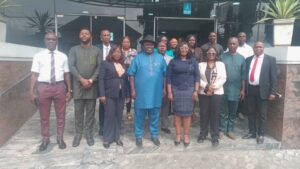
National President of Association of Public Health Physicians of Nigeria, Dr. Tarfa Kene, the Executive Secretary of RIVCHPP, Dr Vetty Agala ( in the middle), flanked by other participants at RIVCHPP’s review meeting.

The State Chairman of JOHESU said that health workers throughout the Federation are on strike, but Rivers JOHESU did not join the strike because of how well the state government is doing in the health sector.

In her welcome remarks, the Executive Secretary of Rivers State Contributory Health Protection Programme, RIVCHPP, Dr. Vetty Rolegherighan Agala said that the essence of the workshop is to look at the benefit package of the health insurance agency, review it, and come up with a handbook which will enlighten service providers and beneficiaries of RIVCHPP’s packages.

Dr. Agala lauded health professionals for the work they do, even as she urged them to bring their expertise into churning out a document that will guide service providers, improve health service delivery and also enable enrollees to know the services they are entitled to at every level of care.

Dr. Agala commended the Governor of Rivers State and the Commissioner for Health, Dr Adaeze Oreh for the initiative to enrol healthworkers as a welfare package while appreciating the RIVCHPP board for their guidance in implementing the directive, stating that this document will be critical for access to care by healthcare providers.

Giving an overview and the objectives of the workshop, the Head of Health Services Department of RIVCHPP, Dr. Barinem Dimkpa said that the meeting is a critical step towards strengthening RIVCHPP’s service delivery that will foster efficiency, transparency, and accountability across the healthplans that service providers give to RIVCHPP enrollees, and to align RIVCHPP’s operations with National and international standards.

Group photograph at RIVCHPP’s consultative/ review meeting, from left to right, Dr. Barinem Dimkpa, Head, Health Services, Dr. Juliet Aleme, Head, Planning, Dr. Tarfa Kene, National President, Association of Public Health Physicians of Nigeria, Dr. Vetty Agala, Executive Secretary of RIVCHPP, and Prof. Omosivie Maduka, facilitator of the review meeting.

Dr. Dimkpa also informed that the health insurance agency anticipates drawing up harmonised and clearly defined health benefits packages, a comprehensive diagnostic and referral management reference handbook devoid of inconsistency in defining primary and secondary services.

The Health Services Departmental head of RIVCHPP also stated that the outcome of the meeting will engender collaboration among RIVCHPP management and service providers, especially as a standardised list of primary and secondary care under RIVCHPP will be drawn up.
Dr. Dimkpa also informed that the diagnostic list that will be drawn up will help to minimise ambiguity, as it will streamline a referral management system for a fee for service/capitation, among others.

In his goodwill will message the state lead of Clinton Health Access Initiative (CHAI), Dr. Simene Sangha, who congratulated RIVCHPP for the bold initiative, pledged the continual support of the Clinton Health Access Initiative (CHAIa) towards providing technical support for RIVCHPP to enable them to improve on their core mandate.
On his part, the National President of the Association of Public Health Physicians, Dr. Tarfa Kene, who expressed his excitement with what RIVCHPP is doing in health insurance, assured that with the calibre of participants at the meeting, he was sure that the outcome will serve as a working document to be emulated by other states of the Federation.

The workshop, which was facilitated by Prof. Omosivie Maduka of the University of Port Harcourt Teaching Hospital witnessed goodwill messages, presentations, and breakout sessions for group work.

38 Abducted Kwara Church Members Regain Freedom After Ordeal

0

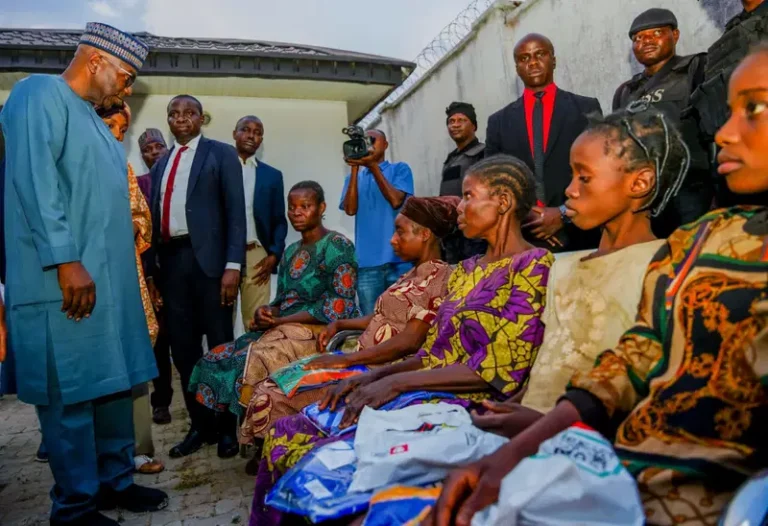
In a development that has brought relief to families and residents of Kwara State, the 38 church members who were abducted from a local worship centre have regained their freedom after several days in captivity. Their release follows intense pressure from security agencies, community vigilance groups, and concerned individuals who rallied to secure their safe return.

The victims, who were attending a night programme at the church located in the Ekiti Local Government Area of Kwara State, were whisked away by armed men suspected to be bandits. The incident, which occurred late in the evening, sparked widespread fear and condemnation across the state and beyond, with religious bodies and civil society organisations calling for urgent government intervention.

According to security sources, a joint operation involving the police, local hunters, and vigilante operatives was launched immediately after the abduction. The combined forces reportedly combed surrounding forests and hideouts believed to be used by criminal groups. Their efforts, coupled with strategic intelligence gathering, eventually paved the way for the release of all abducted worshippers.

Kwara State Police Public Relations Officer confirmed the development, noting that the victims were rescued unharmed and have since been reunited with their families. He added that medical personnel were on ground to conduct routine examinations on the freed victims to ensure none had suffered severe distress or injury.
“We are grateful for the cooperation of the local communities and our security partners. This successful rescue is a result of timely information and relentless pursuit,” the spokesperson stated.

Families of the abducted worshippers expressed overwhelming joy as they received their loved ones. Many recounted sleepless nights and the emotional toll of not knowing the fate of their relatives. A family member of one of the rescued victims described the experience as “a nightmare that no family should ever endure,” thanking security operatives for their efforts.

Meanwhile, the Kwara State Government has condemned the attack, reiterating its commitment to strengthening security across the state. In a statement, government officials emphasized that the protection of citizens remains a top priority and promised to support security agencies with logistics, improved intelligence operations, and community-based surveillance initiatives.
“Criminality in any form will not be tolerated. We commend the swift action of our security operatives and vow to intensify efforts to keep every community safe,” the statement read.

Security analysts have warned that the growing trend of attacks on religious centres calls for urgent review of security architecture around worship places, particularly in rural communities. They also urged residents to remain vigilant and to promptly report suspicious activities to authorities.

As the rescued victims begin their recovery from the traumatic episode, calls for improved security, better policing resources, and community collaboration continue to dominate public discourse. For now, the successful rescue of the 38 abducted worshippers stands as a testament to what coordinated efforts and timely intervention can achieve in the face of insecurity.


By: Nwogu Happiness

Nwogu Happiness Wrote From Pan African Institute of Management and Technology.

Nigeria’s Children Under Siege As Editors Warn Of Silent National Collapse

0

Nigeria’s editors have issued a blistering warning that the nation is sleepwalking into a humanitarian catastrophe, with children now the primary targets and casualties of insecurity, state failure, and systemic neglect.

The alarm was sounded in Lagos on Tuesday at the UNICEF–NGE–DAME World Children’s Day event, where the President of the Nigerian Guild of Editors (NGE), Eze Anaba, declared that the country is in a “state of emergency” not seen since the civil war.

The government’s elevation of the national security alert level, he said, is merely an official acknowledgement of a crisis that communities have been living through for years. What has changed in recent weeks, he said, is the brazenness of school raids, mass abductions, indiscriminate killings, and communities emptied overnight. And at the centre of every incident, Anaba noted, is the same grim denominator: children.

“Whenever we try to understand who the latest victims are, we find children—killed, injured, displaced, or traumatized. The bloodshed has been relentless,” he said.

He stated that the World Children’s Day—created 71 years ago to protect children’s rights—now lands in a country where schooling is an act of courage. In swathes of the North, classrooms are shuttered, teachers have fled, and parents weigh the risk of education against the possibility of never seeing their children again.

According to him, investigations by multiple organisations, including UNICEF, show that Nigeria has the highest number of out-of-school children globally, Girls disappearing from education at accelerating rates, millions of infants go unvaccinated every year, child labour and early marriage are rising, while children are being recruited as fighters in conflict zones.

These indicators, Anaba argued, are not abstract. He described them as evidence of a country forfeiting its future. “With half of Nigeria’s population under 18, the collapse of childhood equals national destabilisation,” he said.

Media accused of complicity through silence

Accusing the media of complicity through its “silence”, Anaba said journalists must confront their own failures. For years, he said, “newsrooms have documented atrocities without interrogating causes, accountability structures, funding gaps, policy failures or the profiteers of violence.

“The media is not a neutral observer. Our reporting can shame leaders into action—or allow impunity to thrive,” he said.

He called for investigative series tracking child abduction networks, data-driven reporting using verifiable sources,
exposure of government inaction and policy breaches, coverage that highlights solutions and models that work.

He noted that civil society groups were now performing duties that belonged to the state by rescuing children, rehabilitating trauma victims, negotiating access to schools, and providing protection services.

UNICEF, he said, has become the primary supplier of data, training, and scientific evidence for child welfare, information the government should be gathering itself.

Anaba suggested the enforcement of child protection laws that already exist, emergency investment in education and health, prosecution of those responsible for school attacks,and secure learning environments.

Anaba challenged every sector to take a measurable action, not a speech, not a pledge, but a deliverable. “Our advocacy means nothing without consequences,” he said.

He concluded his speech with a sharp indictment of the system.

“A society that can not protect its children, he implied, is a society already in collapse, whether it admits it or not,” he stated.

RSU Pledges Automatic Employment For Maritime Graduates …VC Commissioned As RCO

0

Rivers State University has assured that the first set of graduates from its Department of Maritime Science would be offered automatic employments if they choose to go into academics.

The Vice-Chancellor of Rivers State University, Professor Isaac Zeb-Obipi, gave the assurance on Saturday, November 22, 2025, while officially being commissioned as the Regimental Commanding Officer (RCO) of the Department of Maritime Science in the Faculty of Science of the university.

Prof. Zeb-Obipi said the gesture underscores the institution’s commitment to supporting its students beyond graduation.

Expressing appreciation for the honour bestowed on him as the RCO, the Vice-Chancellor thanked the Nigeria Merchant Navy, the Seafarers Intercontinental Pool, and all stakeholders for their support.

He also commended the department’s leadership and acknowledged the role played by the former Vice-Chancellor, Professor Nlerum Okogbule, in securing the department’s permanent building.

Speaking at the occasion, representatives of the Seafarers Intercontinental Pool (Nigeria Merchant Navy), led by Lieutenant Nancy Tucker, reaffirmed their commitment to advancing maritime excellence in the university.

Lieutenant Tucker highlighted the significance of appointing the Vice-Chancellor as RCO and praised the institution for its dedication to strengthening maritime training and development.

Also speaking, the Dean of the Faculty of Science, Professor Ndokiari Biosa, congratulated the Vice-Chancellor on the commissioning and noted that the Maritime Science programme continues to grow in competitiveness and relevance within the labour market. He commended the Department for its sustained efforts in building both its academic and practical training capacity.

In his own speech at the event, the Head of Department of Maritime Science, Professor Nwabueze Ebere, described the commissioning as a historic and proud moment for the Department and the University.

He emphasized that the ceremony, conducted in collaboration with the Nigeria Merchant Navy, symbolizes leadership, discipline, and a shared commitment to advancing Maritime Studies at the Rivers State University.

Survey: Buyers, Vendors Differ On Sustainability Of Low Food Prices

0

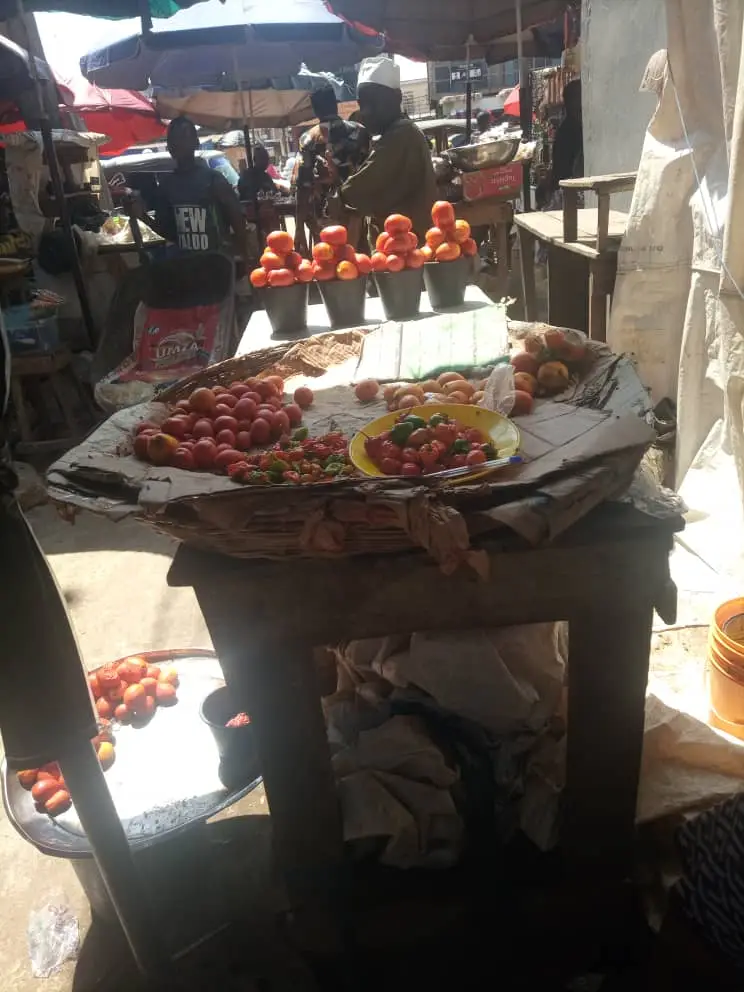
Prices of food items may have dropped but buyers and vendors at various markets in Edo, Delta and Bayelsa have differed on its sustainability.

Besides the drop in the price of rice, some believe the drop in other commodities may be due to the current harvest season.

They argued that it is too early to ascertain whether low prices are due to government policy and decreasing inflation until the outcome of prices in off season.

A survey showed that price of rice have dropped significantly while the price of beans has also dropped but wheat-based products, meat, fish, and eggs remain expensive.

The price fruits like apple and orange, for long, is no longer for the poor.

In Benin, the prices of onion and peppers have become relatively cheap as 15 to 20 balls of onions sells for N500 while a bag of pepper goes for between N7,000 and N10,000.

The price of Irish and sweet potatoes is also low as 10 big sweet potatoes goes for as low N1,500 from N3,000 it sold six months ago.

The price of yam has also dropped by about 30 percent but the issue with most yams in the market is worrisome.

According to Kabiru Musa, a yam seller at Aduwawa market in Benin, wrong application of soil fertilizer for yams and other crops, has become a major problem for the end user.

Musa said that what baffled vendors is that most of the yams are smooth on the surface but bad inside and the same goes for some fruits.

However, prices of wheat-based products, meat, fish, and eggs have remain high, making it difficult for many households to afford.

According to Mrs Frances Okoro, a rice vendor at Oba Market, Benin, the price of rice dropped drastically, with a bag now selling between N45,000 and N70,000, depending on the make, from N120,000 per bag in 2024.

“It’s a welcome development for many households,” Okoro said.

On the other hand, Mr Bright Okiamho, a wheat dealer at Eki-Osa, lamented the high cost of wheat-based products.

“Bread and pasta are very expensive now. Many people can’t afford them,” he said.

On her part, Blessing Erameh, dealer on fruits and vegetables said, “apples and oranges are very expensive.

“A mature ball of apple goes for between N400 and N500 while three or four balls of oranges go for N500.

“You can get 15 to 20 balls of onions for N500, and a bag of pepper that used to sell for between N50,000 and N60,000 for between N7,000 and N10,000,” Erameh said.

Mr Bernard Okpara, a vegetable vendor said, “Okro is very cheap now. “N500 worth of okro can make soup for a family of five, whereas in the past, you would need up to N2,000 worth of okro to make soup for the same family size.”

According to a resident, Mrs Esosa Odeh, protein sources like meat, fish, and eggs remain high, beans price is dropping.

Odeh said that the price of fish and meat has been on the increase.

”A N3,000 worth of beef is not more than six or seven pieces while a moderate size of fish sells for between N2,500 and N3,000.

“The fluctuating prices of the items is affecting household budgets, making it difficult for residents to plan their meals.

Gov. Monday Okpbeholo said that the fluctuating and fall in the prices of staple food items was largely due to government policy.

The governor said that prices of staple foods would soon be stable as government at various levels tackle inflation and prices.

In Delta, at the popular Ogbe-ogonogo Modern market, Asaba, and its environs, showed that the price of 50kg of Nigeria and foreign made rice had dropped by 30.7 per cent.

A bag of silver bridge, optimum brands of rice, now sells for N65,000 as against N85,000 in 2024.

A rice seller, Mr Alameda Shehu, said that a 50 kg bag of rice, which was earlier sold for N85,000 now sells for N65,000.

The price of Mango brand of rice now sells for NN70,000 as against N110,000 in the previous year.

The dealers say the fall in price of other food items affected the price of beans, as 100kg bag of iron beans now sells for N110,000 as against N200,000 and N220,000 in Infant Jesus market.

Shehu said that there is a drop in the price of white/brown beans as a bag of the commodity now sells for N110000 instead of N200,000.

According to the survey, price of onion has crashed, as 100kg bag of onions now sells for N85,000 from N180,000 in 2024 in Asaba.

The price of yam also recorded slight reduction, a medium size tuber of yam previously sold for between N3,000 and N4,000 now goes for between N2,000 and N2,500, depending on the buyer’s bargaining power.

A buyer at the Ogbe Ogonogo Market, expressed joy over the current situation.

According to a resident, Mrs Nelly Davis, we are happy with the current cost of rice, we pray that the prices should further reduce.

”This will enable us take care of our families,” she said.

The survey in Asaba showed that a five litre of kings vegetable oil remained stable and sells for N13,500, while four litres of palm oil goes for N12,000.

However, the price of fresh tomatoes and peppers are on the increase as a large basket of the commodities now sells for NN35,000 as against N15,000 in the previous year.

The vendors said that the increase in the prices of the products was primarily due to their seasons.

According to some vendors at Ogbe Ogonogo market, tomatoes, peppers and onions are always cheap during their harvest season but prices increase off season because it becomes difficult to produce more of the produce due to poor irrigation systems.

Mr Raymos Guanah, a rice farmer , attributed the crash in the prices of some food items to President Bola Tinubu’s Renewed Hope Agenda on Food Security initiatives.

Guanah said prices of many food items would have been drastically low if not for insecurity in some parts of the country noted for farming.

While in Bayelsa, an economist and other stakeholders advocated for a sustained downward trend in food prices and long-term food security.

They said adopting a multifaceted approach focusing on food supply chain efficiency, increased agricultural productivity, and strategic government intervention as the solution.

Dr Michael Jackson, Lecturer, Department of Economics and Food Production, Niger Delta University (NDU), said government action was crucial, individuals and businesses should contribute to supply efficiency and waste reduction.

Jackson said: “Individuals and businesses can contribute to efficiency and waste reduction in Nigeria.

”For instance, planned meals, proper food storage, use of first-in, first-out system for pantry and fridge items, and creative uses for leftovers to minimize waste is critical.

“Support local producers, prioritise locally sourced foods to shorten the supply chain, reduce transportation costs, and support community resilience.

“Improve home storage, utilize proper storage techniques and modern packaging solutions to extend the shelf life of perishable goods and prevent spoilage.

“Governments must play a pivotal role in creating a stable and efficient food system,” he said.

Jackson added that investing in agricultural infrastructure, improve rural roads, irrigation systems, and storage facilities to reduce post-harvest losses and transport costs would help sustain a stable price.

He said government should provide farmers with subsidies or provide more affordable access to essential farm inputs such as fertilizers, high-quality seeds, and modern technology to boost local production and reduce input costs.

According to him, government should promote sustainable practices, climate-smart and environmentally friendly agricultural practices, such as crop diversification and regenerative agriculture, to build resilience against climate shocks and improve soil health.

“The government should enhance market monitoring and fair trade; establish systems to monitor pricing trends, prevent price gouging and hoarding, and ensure fair trading practices where smallholder farmers receive fair compensation for their produce.

“ It should help in the integration of digital technologies and data analytics in agriculture and supply chains to optimize resource use, improve forecasting, and enhance transparency.

“It can implement more robust food assistance programmes, such as food stamps or school feeding initiatives, to ensure vulnerable populations have access to affordable, nutritious food,” he said.

He urged the use of a combination of trade and storage policies to stabilize domestic prices, relying on flexible international trade to buffer against major supply shocks and avoid market imbalances caused by rigid price controls.

He suggested that combining individual responsibility with robust, long-term government strategies, food price reductions could be maintained for sustainable food security.

Mrs Alice Uchendu, Foodstuff Seller at Swali Market, Yenogoa urged the government to encourage and train the youths on easy methods of farming, especially in most of the farming communities in the country.

According to the survey, prices of essential food items such as rice, beans, yam and cassava tubers, vegetables, among others, have crashed in most Bayelsa markets.

In parts of the markets in Bayelsa, a four-litre paint of rice, which sold for between N8,500 and N7, 000 in July now sells for between N6,500 and N5,000 at the different markets depending on the grade and brand.

Mr Ebi Soribo, a foodstuff seller at Opolo market said that the reduction in prices of some food items was very significant as it had made it easier for average Nigerians to purchase food than before.

”The price of a bag of garri has dropped from about N70,000 to between N45,000 and N40,000, while a basket of fresh tomatoes fell from N90,000 to between N40,000 and N35,000. Basin of garri from N15,000 now sells for N7,500,” Soribo said.

Majority of the traders attributed the price reductions primarily to the ongoing harvest season, which had increased the supply of agricultural produce.

On his part, Prof Beke Sese, Commissioner for Agric said the state had taken a holistic review of the challenges facing the agriculture value chain and designed solutions to tackle them.

Sese said that the Bayelsa government had collaboration with various partners and investors to boost rice and other produce in Bayelsa.

The commissioner said these efforts would further decrease food prices and increase supply chain.

“With our mechanized farming using the tractors we have, the enhanced supply will keep prices low,”Sese said.