


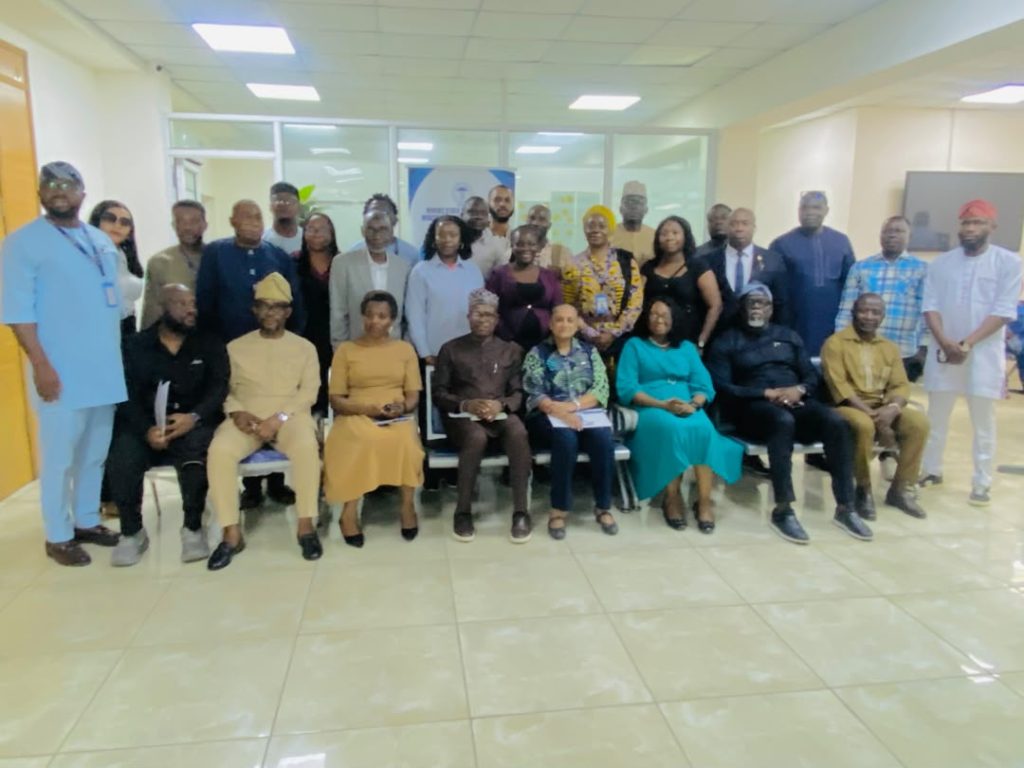
RIVCHPP’ s management team and the health stakeholders at the end of the visit.
The United States Centre for Disease Control and Prevention (CDC) is exploring a partnership with the Rivers State Contributory Health Protection Programme (RIVCHPP) to expand health insurance coverage for people living with HIV and other vulnerable residents of the state.
The proposed collaboration is aimed at strengthening sustainable health financing, increasing enrolment in the state’s health insurance scheme and ensuring that vulnerable populations have access to affordable healthcare.
The commitment was made during an advocacy visit by a delegation comprising the US CDC, the Institute of Human Virology, Nigeria (IHVN), the Network of People Living with HIV/AIDS in Nigeria (NEPWHAN) and the Rivers State Ministry of Health to the RIVCHPP office on Wednesday, September 20, 2026.
Speaking during the visit, the team lead and Country Director of the US CDC, Meegha Desai, said the stakeholders were seeking sustainable health financing mechanisms for people living with HIV and other vulnerable members of society.
Desai said the engagement was also intended to identify strategies for expanding enrolment and improving retention under the state health insurance scheme.
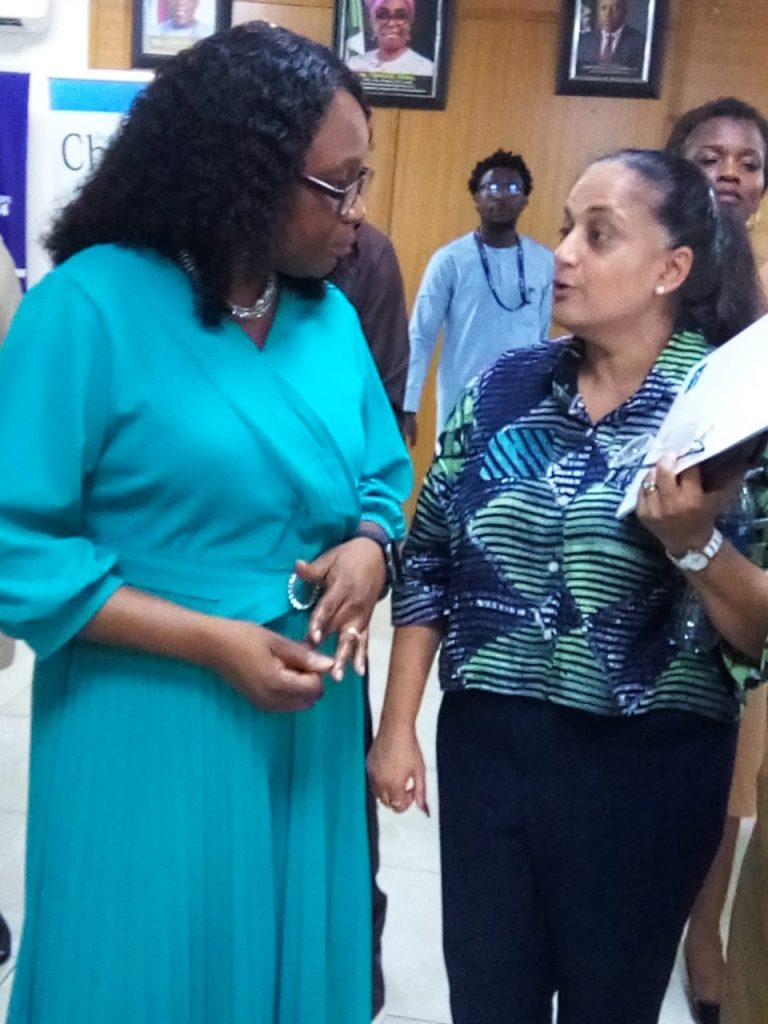
Representative of RIVCHPP’s Executive Secretary, Dr. Juliet Aleme, in a chat with the team lead of the stakeholders , Meegha Desai, at the end of the visit.
The stakeholders urged RIVCHPP to strengthen efforts to identify the poorest and most vulnerable residents, while adopting innovative approaches to public awareness and health insurance education.
They also called for the exploration of mandatory health coverage and alternative funding sources, warning that over-reliance on government funding could undermine the long-term sustainability of health insurance programmes.
In her remarks, the Executive Secretary and Chief Executive Officer of RIVCHPP, Dr Vetty Agala, represented by the Head of the Department of Planning, Research and Statistics, Dr Juliet Aleme, said the agency remained open to partnerships that would expand health insurance coverage across Rivers State.
Agala expressed appreciation to the US CDC for its support in developing RIVCHPP’s operational guidelines, actuarial studies and benefit package.
She urged stakeholders, corporate organisations, multinational companies and local governments to sponsor health insurance policies for people within their areas of operation, particularly vulnerable residents and people living with chronic illnesses.
She said broader participation from public and private sector organisations would help improve access to healthcare and reduce the financial burden of illness on disadvantaged populations.
The proposed partnership is expected to strengthen efforts to achieve wider health insurance coverage in Rivers State, particularly among people who face financial and other barriers to accessing essential healthcare.
