



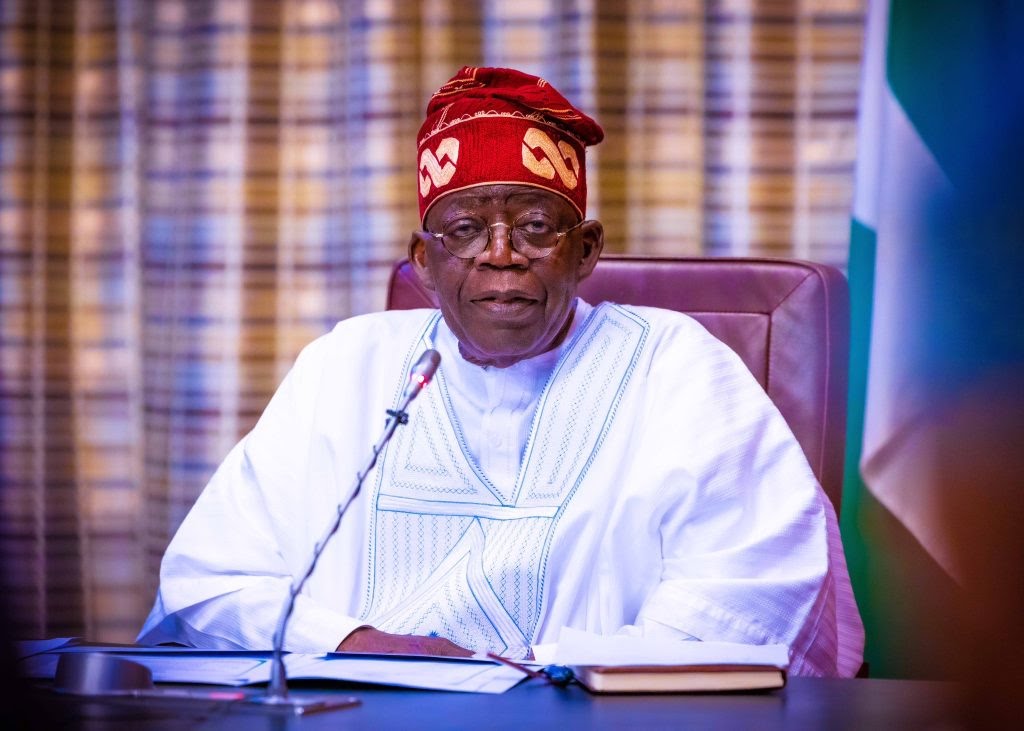
President Bola Tinubu has conferred national honours on no fewer than 1,112 Nigerians and foreign nationals in his first three years in office, a figure that surpasses the total number of recipients honoured during the eight-year administration of former President Muhammadu Buhari and triples the number recognised by former President Goodluck Jonathan in his major 2014 investiture.
The latest additions to the growing honours roll are 50 pro-democracy activists, journalists, lawyers, labour leaders and retired military officers recognised for their roles in Nigeria’s struggle against military rule and their contributions to the restoration of democratic governance.
Announcing the honours during his Democracy Day address on Friday, Tinubu said the awardees paid significant personal and professional sacrifices in the fight for freedom, justice and constitutional rule, with many enduring detention, imprisonment, exile and other forms of persecution under successive military regimes.
Among those honoured is former Managing Director of PUNCH Nigeria Limited, Sir Ademola Osinubi, whose newspaper remained a critical voice against military dictatorship during the regimes of Generals Ibrahim Babangida and Sani Abacha despite government intimidation, advertising boycotts and security threats.
Also recognised are former Editorial Board Chairman of the defunct Concord Newspapers, Segun Babatope; Minister of Solid Minerals Development, Dr Oladele Alake, a former editor of Sunday Concord and National Concord; and Olatunji Bello, former editor of Sunday Concord and past Chairman of the Editorial Board of THISDAY.
Others on the list include Chairman of The Nation Editorial Board, Sam Omatseye; former editors of The PUNCH, Bola Bolawole and Gbemiga Ogunleye; and former media adviser to ex-Kaduna State Governor Nasir El-Rufai, Muyiwa Adekeye.
Several journalists who suffered imprisonment during the Abacha era were also honoured. They include Ben Charles-Obi of Weekend Classique, George Mbah of Tell Magazine, Osa Director of Tell, and Niran Malaolu of The Diet.
Veteran journalist and lawyer Richard Akinnola, former Editor of Vanguard Newspaper, was recognised alongside pro-democracy figures such as Dr Arthur Nwankwo, who received a posthumous award, Dr Joe Okei-Odumakin, Chief Ayo Opadokun, Prof Sylvester Odion-Akhaine, Debo Adeniran, Femi Aborisade and several others who played prominent roles in the struggle for democratic rule.
Tinubu also honoured 17 retired military officers whom he described as “soldier-democrats” for standing against the annulment of the June 12, 1993 presidential election and for supporting democratic ideals from within the armed forces.
Among them are Major General M.A. Garba, Brigadier General Lawal Jaafaru Isa, Colonel Lawan Gwadabe, Major General Chris Eze, Major General Harris Dzarma, Colonel Emmanuel Ndubueze, Brigadier Yahaya Abubakar, the Etsu Nupe, and former National Security Adviser, Colonel Sambo Dasuki.
The President said the recognition was intended not only to honour the sacrifices of the awardees but also to remind Nigerians of the collective responsibility to strengthen democratic institutions.
“I salute labour leaders, journalists, activists, students, women, professionals, political leaders and soldiers, both those who have passed and those still with us, for their patriotic contributions,” Tinubu said.
“As beneficiaries of their struggle, we have a duty to strengthen and deepen the democratic institutions for which they fought. The greatest tribute we can pay is to build a Nigeria where freedom is protected, justice is upheld, opportunity is expanded and government is accountable.”
He disclosed that a comprehensive honours list, including the specific award categories for each recipient, would be released in the coming days by the Office of the Secretary to the Government of the Federation.
The latest conferment further expands the number of national honours awarded under the Tinubu administration to more than 1,100 recipients, making it one of the most extensive recognition exercises since Nigeria returned to democratic rule in 1999.