As artificial intelligence (AI), big data and machine learning continue to reshape scientific research globally, microbiologists from across the South-South region will gather in Port Harcourt from June15-16, 2026 for the maiden South-South Zonal Scientific Symposium of the Nigerian Society for Microbiology (NSM).
The two-day symposium, themed “Microbial Innovations for Sustainable National Development in an Era of Artificial Intelligence,” will hold at the Centre for Open and Distance Learning, Rivers State University (RSU), Nkpolu-Port Harcourt.
Organisers said the symposium comes at a critical time when emerging technologies are transforming microbiological research and offering new opportunities to tackle some of the region’s most pressing environmental and public health challenges.
According to the organisers, South-South Nigeria continues to grapple with recurring oil spills requiring microbial bioremediation, rising antimicrobial resistance in healthcare facilities, flooding-induced waterborne diseases and significant post-harvest losses affecting agrarian communities.
They noted that advances in AI and machine learning could provide innovative solutions, including faster detection of antimicrobial resistance, improved modelling of oil spill remediation and more accurate prediction of disease outbreaks.
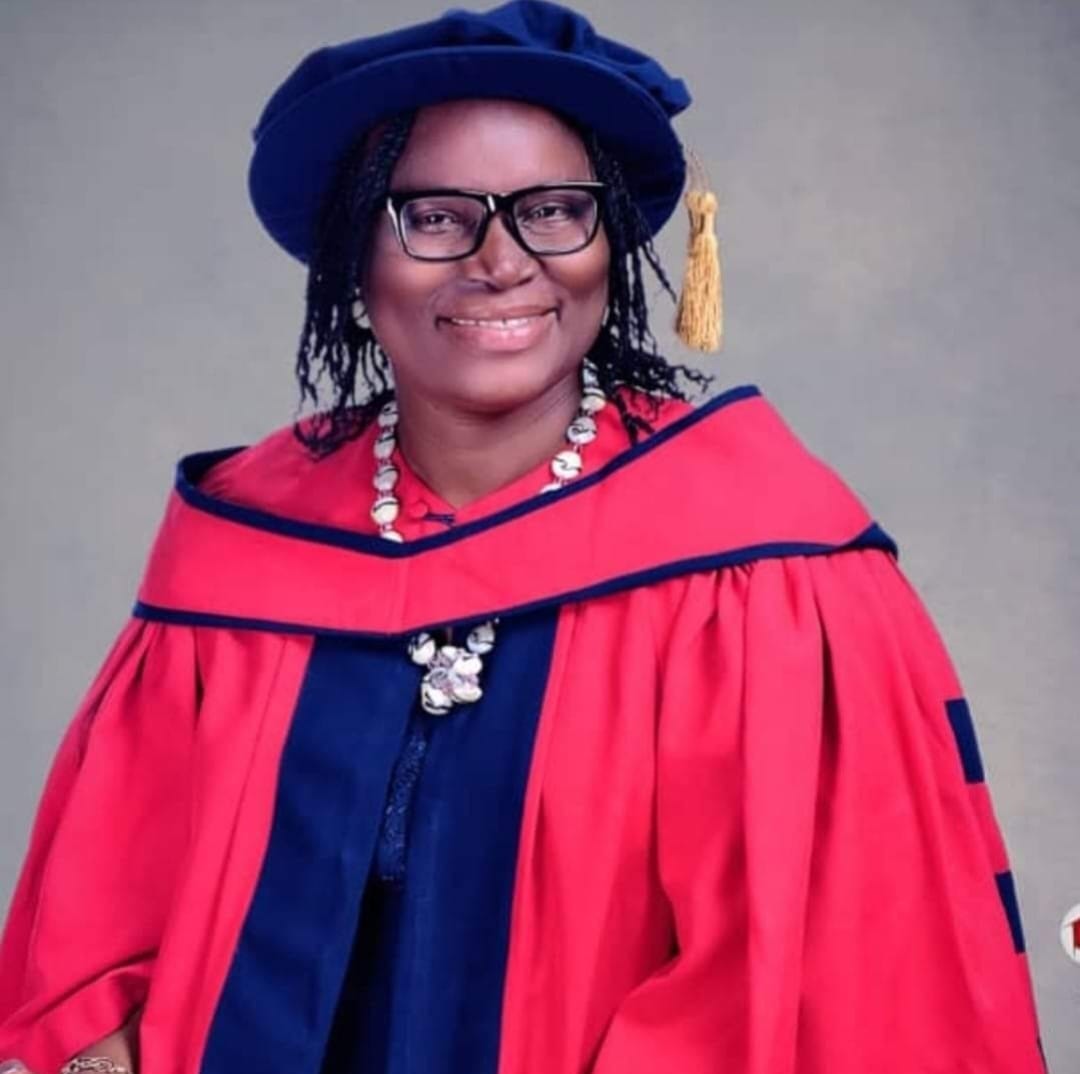
In a statement made available to The Atlantic Bell, the NSM South-South Zonal Coordinator, Professor Nedie Akani said that the symposium is also expected to align with the Nigerian Society for Microbiology’s three-point agenda of “Unite, Innovate and Advance,” while fostering stronger collaboration among researchers, industry stakeholders, government agencies and students within the zone.
Speaking ahead of the event, Professor Akani said the gathering would serve as a platform to chart a strategic roadmap for microbiological research and innovation in the South-South region over the next five years.
“This is not just a two-day scientific meeting. It is an opportunity to define research priorities, build collaborations and develop a South-South Microbiology Agenda that will guide projects, funding opportunities and policy engagement from 2026 to 2030,” she said.
Participants are expected from more than 20 tertiary institutions offering microbiology programmes across the six South-South states of Akwa Ibom, Bayelsa, Cross River, Delta, Edo and Rivers, alongside representatives from industry and development partners.
The National Executive Council of the Nigerian Society for Microbiology, led by its President, Prof. S. A. Ado, is expected to attend the symposium.
The Deputy Governor of Rivers State, Prof. Ngozi Nma Odu, will serve as Special Guest of Honour, while the Vice-Chancellor of Rivers State University, Prof. Isaac Zeb-Obipi, is the Chief Host.
Other key officials expected at the event include the Head of the Department of Microbiology, RSU, Prof. Salome I. Douglas, and the Dean of the Faculty of Science, Prof. N. Boisa.
The symposium will feature keynote addresses by Prof. Nnenna Frank-Peterside of the University of Port Harcourt and Prof. Ebimieowei Etebu of Niger Delta University, Bayelsa State.
Plenary sessions will also be delivered by Prof. Ifeoma V. Anyiam of the Federal University Otuoke, Prof. Wesley Braide of the Federal University of Technology, Owerri, and Dr. Amadi Amadi, a pro bono staff of the Rivers State University currently based in the United States.
She explained that the maiden edition would prioritise physical participation to strengthen engagement within the newly established zonal structure and provide members easier access to scientific interactions without the financial burden often associated with attending national conferences.
Professor Akani expressed optimism that the symposium would deepen collaboration among microbiologists and position the South-South region to harness emerging technologies for sustainable development and scientific advancement.