

Home Blog Page 69

2027: APC, Tinubu Plot Major NWC, Presidency Overhaul

0

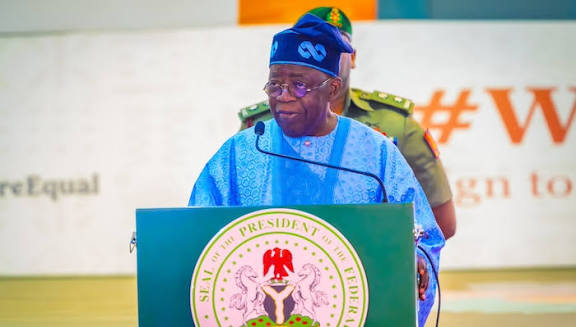
Fresh moves are underway within the All Progressives Congress (APC) and the Presidency to rejig the party’s power structure and tighten control of governance machinery, findings by The Atlantic Bell have revealed.

Party sources said President Bola Tinubu and the APC leadership have agreed, in principle, to a major restructuring of the party’s National Working Committee (NWC), with all positions—except those of National Chairman and Vice Chairman—set to be rotated among the six geopolitical zones.

The plan, insiders said, is aimed at broadening representation, accommodating interests of recently defected governors and strengthening party unity ahead of the forthcoming congresses and national convention.

Beyond the party structure, checks also indicate that the Presidency is reviewing aspects of the current presidential ticket arrangement and information management framework at the Villa, despite recent public assurances by the Minister of Culture, Tourism and Creative Economy, Hannatu Musawa.
Although details of the proposed changes remain closely guarded, party officials said the exercise is part of a broader strategy to reposition the Tinubu administration and align APC’s political machinery with evolving realities.

In a related development, the Progressive Governors’ Forum (PGF), chaired by Imo State Governor, Hope Uzodimma, has declared its readiness to work closely with the APC national leadership to enforce discipline and improve leadership communication.

In a communiqué issued after its extraordinary meeting, the governors reaffirmed their “commitment to deepening internal democracy, strengthening party structures and advancing reforms that promote transparency, accountability and inclusiveness.”

The forum also endorsed the timetable and operational framework for the forthcoming ward, local government, state and zonal congresses, as well as the party’s national convention, earlier approved by the National Executive Committee.

The governors stressed the need for transparent and coordinated financial management in the conduct of the congresses, warning that credibility and fairness must be guaranteed across all states, including those not controlled by the APC.

They further disclosed plans to embark on strategic state visits, beginning with Taraba State, to reinforce grassroots mobilisation and party cohesion.

However, investigations by The Atlantic Bell revealed that final decisions on the proposed zoning and swapping of NWC positions have been deferred pending President Tinubu’s return from his official visit to Türkiye.

A member of the APC National Working Committee, who spoke on condition of anonymity, said the zoning reshuffle was left for the President’s final input.

According to the source, the party is weighing the possibility of moving the presidential running mate slot to the North-West, while the position of Secretary to the Government of the Federation may shift to the North-East.

“These possible changes made it necessary for Mr President, who insisted that Prof. Nentawe Yilwatda should remain as National Chairman, to personally guide the redistribution of other positions alongside the governors,” the source said.

“It is after his return that we will know which positions will move between the North and South and their respective zones. The goal is to harmonise interests, especially with governors who have recently joined the party,” the source added.
Crude At $70 Sets Stage for Fresh Petrol Hike As Dangote Pledges Supply Buffer

0

Barely days after petrol pump prices were adjusted upward across the country, Nigerians may be bracing for another round of increases as global crude oil prices continue their upward march, underscoring the tension between international market forces and the promise of domestic refining capacity led by the Dangote Petroleum Refinery.

Nigeria’s Bonny Light crude climbed to about $70.30 per barrel from $64 a week earlier, its highest level this year and a rise of roughly 10 per cent. Brent crude, the global benchmark, rose to about $70.15 per barrel, while Murban crude advanced to $68.01 per barrel. The rally has been driven largely by geopolitical tensions and tightening supply, rather than a surge in global demand.

The crude price spike has already filtered into the downstream market.

Earlier this week, petrol stations raised pump prices to an average of about N850 per litre from N750, an increase of 14.3 per cent. Marketers attributed the hike to higher crude costs, arguing that crude oil remains the dominant determinant of refining and import costs.

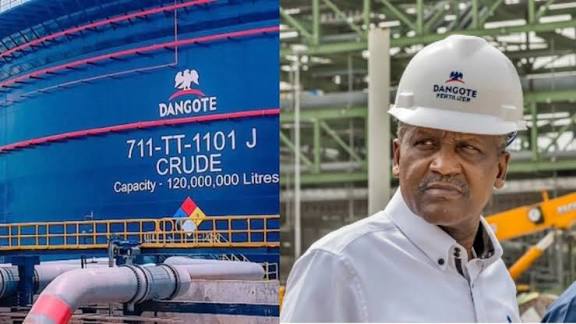
At the Dangote Refinery, the gantry price of petrol rose by a similar margin, from N699 per litre to about N799 per litre. Retail outlets in Lagos, Abuja and other major cities followed suit. NNPC Retail outlets adjusted prices to about N835 per litre from N815, while some independent marketers implemented steeper increases, with pump prices hitting as high as N900 per litre in some locations.

However, the speed and scale of the local price adjustments have raised questions. While global crude prices rose by just over six per cent during the period, petrol prices at the retail end jumped by more than double that rate, reinforcing concerns that domestic pricing dynamics are amplifying international shocks.

The Independent Marketers Association of Nigeria (IPMAN) defended the increases, insisting that refiners and marketers were merely responding to higher input costs. Its National Public Relations Officer, Chinedu Ukadike, said once buying prices rise, pump prices must follow, even if marketers are still selling existing stock purchased at lower prices.

Meanwhile, diesel prices also edged higher at major depots, reflecting the broader impact of rising crude prices on refined products, though petrol prices were relatively stable at some outlets yesterday.

The global crude rally has been fuelled by a sharp drawdown in United States crude inventories, which fell by 2.3 million barrels in the week ended January 24, according to the U.S. Energy Information Administration. Stockpiles are now about three per cent below the five-year average.

Prices have also been buoyed by fears of supply disruption following renewed tensions between Washington and Tehran, after U.S. President Donald Trump issued fresh military threats against Iran, OPEC’s fourth-largest producer.

For Nigeria, the implications are mixed.
Petroleum economists warn that higher crude prices will almost inevitably translate into higher domestic fuel costs in a deregulated market, intensifying pressure on households through higher transport fares, rising food prices and increased production costs for businesses.

Prof. Wumi Iledare, a petroleum economist, said the current price surge is driven by geopolitical risk rather than demand fundamentals, making its impact particularly painful for import-dependent economies like Nigeria.

“The immediate effect is higher prices for petrol and diesel, with knock-on effects on inflation and household welfare,” he said.

At the same time, higher crude prices offer potential fiscal relief. Dr. Muda Yusuf, Chief Executive Officer of the Centre for the Promotion of Private Enterprise, described the situation as a double-edged sword. While prices above the $64 benchmark could boost government revenue, foreign reserves and exchange rate stability, they also raise energy costs in a fully deregulated downstream sector.

Against this backdrop of rising global prices, the Dangote Petroleum Refinery has sought to reassure the market of supply stability.

The refinery says it can supply up to 75 million litres of Premium Motor Spirit daily, well above Nigeria’s estimated daily consumption of about 50 million litres. It also pledged capacity to deliver 25 million litres of diesel and 20 million litres of aviation fuel daily, far exceeding domestic demand.

According to the company, this surplus capacity provides a critical buffer against supply disruptions, reduces reliance on imports and strengthens downstream resilience, even during periods of heightened global volatility.

The refinery reaffirmed its commitment to regulatory compliance and close engagement with the Nigerian Midstream and Downstream Petroleum Regulatory Authority, stressing that expanded domestic refining should, over time, moderate the country’s exposure to foreign exchange shocks.
Industry analysts note the irony: while Nigeria now has a refinery capable of meeting and exceeding local demand, domestic fuel prices remain tightly tethered to international crude movements, foreign exchange volatility and market competition.

Until these structural pressures ease, they warn, the promise of local refining may coexist uneasily with rising pump prices — leaving consumers caught between global oil politics and local market realities.

Rivers Targets Economic Growth, Jobs Through Investor-friendly Policies

0

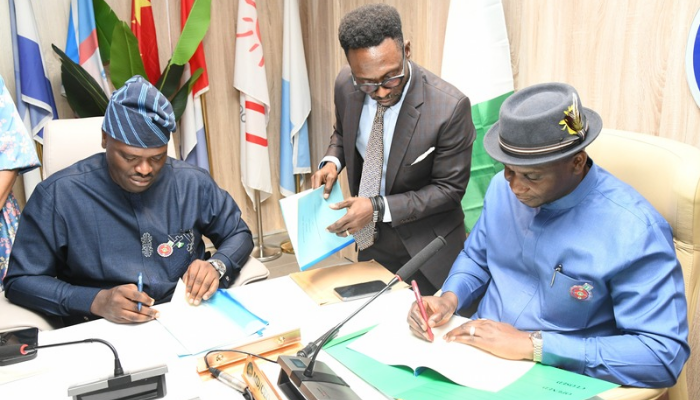
The Rivers State Government has reaffirmed its resolve to stimulate economic growth and reduce unemployment by creating a business-friendly environment that attracts both local and foreign investment.

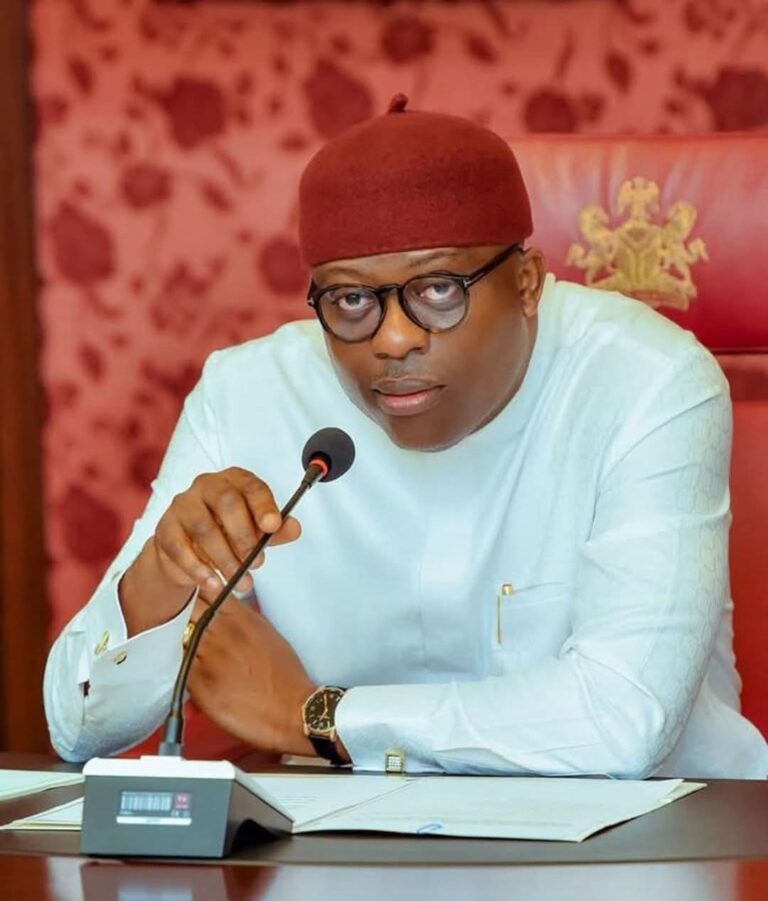
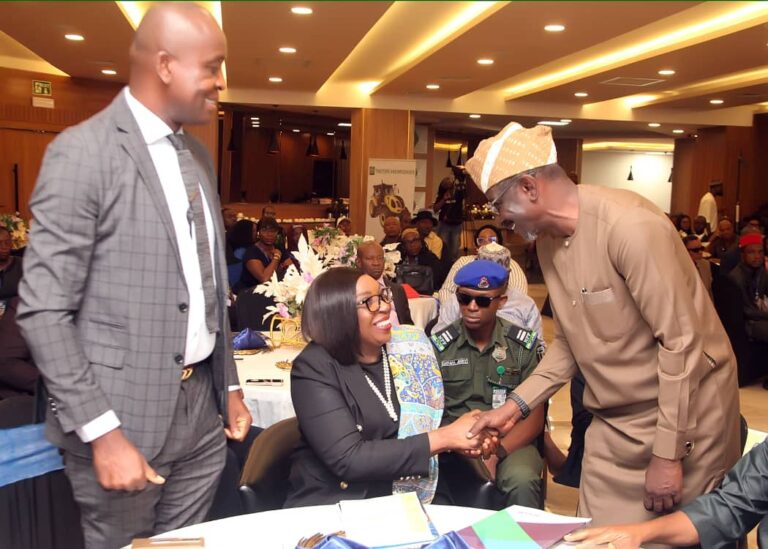
Governor Siminalayi Fubara gave the assurance at a one-day seminar on Ease of Doing Business, organised by the Rivers State Entrepreneurs and Investors Forum (REIF) in Port Harcourt. The governor was represented at the event by his deputy, Prof. Ngozi Nma Odu.

According to Fubara, sustainable economic transformation can only be achieved through deliberate collaboration among government, the private sector, investors and civil society.

He said the role of government remains that of a facilitator—providing peace, security, transparent regulations, infrastructure and policies that encourage innovation and enterprise.

The governor described the theme of the seminar, “Ease of Doing Business: The Role of Government,” as timely, noting that economic growth and sustainable development thrive where policies are stable, institutions are responsive and governments consciously support private enterprise.
He stressed that a vibrant private sector is the engine of job creation, wealth generation and social stability, adding that forums such as REIF are critical in shaping practical solutions and strengthening dialogue between government and investors.

“The outcomes of today’s deliberations will contribute meaningfully to our collective objective of repositioning Rivers State as a preferred destination for business and investment,” Fubara said.

Delivering the keynote address, Managing Director of the Nigeria Export-Import Bank (NEXIM), Abubakar Bello, identified overdependence on oil, infrastructure gaps and inadequate power supply as major constraints to ease of doing business in Nigeria. He commended the Rivers State Government and REIF for convening the seminar.

In his remarks, President of the Rivers Entrepreneurs and Investors Forum, Ibifiri Bobmanuel, said the strength of any economy lies in its private sector. He explained that the seminar was designed to reset mindsets and highlight the vast economic opportunities in Rivers State.

Bobmanuel urged political leaders and stakeholders to embrace unity and collaboration, warning that divisiveness could undermine the state’s economic prospects.

Rivers Inaugurates Technical Committee On Okoloma (AFAM)–Ban-Ogoi Boundary Dispute

0

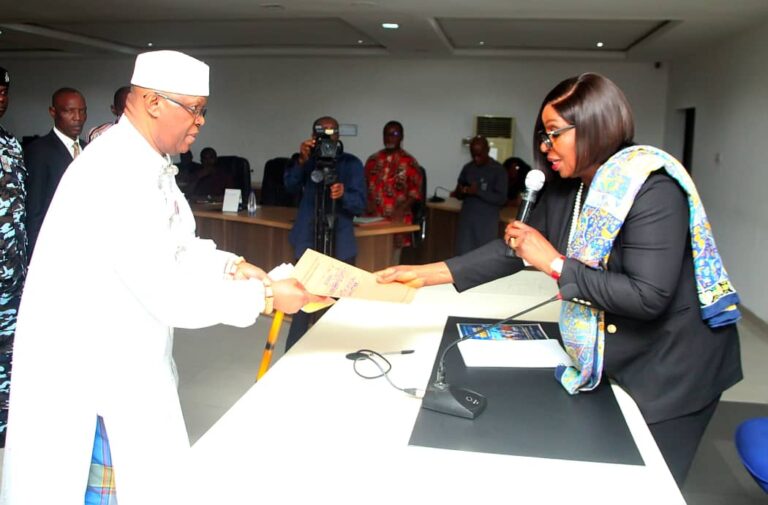
‎The Rivers State Boundary Commission has inaugurated a 13-member Technical Committee to resolve the boundary dispute between Okoloma (Afam) Community in Oyigbo Local Government Area and Ban-Ogoi Community in Tai Local Government Area.

‎Inaugurating the Committee at the Government House, Port Harcourt, on Wednesday, January 28, 2026, the Deputy Governor of Rivers State and Chairman of the State Boundary Commission, Prof. Ngozi Nma Odu, charged members to discharge their duties without fear or favour.

‎Prof. Odu informed the Committee members that they were carefully selected based on their proven antecedents and integrity, stressing that the assignment before them is a delicate one that must be approached with courage, determination, professionalism, and a strong sense of justice.

‎She emphasized that the recommendations of the Committee must be credible, objective, and capable of standing the test of time, noting that the ultimate goal of the exercise is to promote lasting peace and harmonious coexistence between the affected communities.

‎The Deputy Governor wished the Committee successful deliberations in the discharge of its mandate.

‎The Committee is, among other responsibilities, tasked with determining the boundary line between Okoloma (Afam) Community in Oyigbo Local Government Area and Ban-Ogoi Community in Tai Local Government Area, in accordance with relevant and valid documents submitted for its consideration.

‎Responding on behalf of the Committee, the Chairman, King Leslie Nyebuchi Eke, expressed gratitude to the Rivers State Government for the confidence reposed in the members to handle the assignment. He assured that the Committee would work diligently within the stipulated timeframe.

‎King Eke pledged that the Committee would exhibit sound leadership, utmost professionalism, and foresight in delivering objective outcomes that would assist the Boundary Commission in fostering lasting peace and mutual understanding between the communities.

‎The Committee has one month to submit its report.

Fubara, Defence Minister Lead Honourees At OurNigeria 2025 Awards

0

Rivers State Governor, Siminalayi Fubara, and the Minister of Defence, General Christopher Musa, have emerged as top honourees at the 2025 OurNigeria News Awards, with particular recognition given to Fubara’s leadership and governance record.

The recipients were unveiled on Tuesday at a press briefing in Abuja by the organisers of the awards.

Speaking at the event, Chairman of the Editorial Board of OurNigeria Magazine, Dr. AK Peters, said the awards were established to recognise Nigerians whose leadership, service and commitment to national development have delivered measurable impact across critical sectors.

He explained that the theme of the 2025 edition, scheduled to hold in 2026, is “Providing a Podium for the Unsung Hero,” noting that it reflects the magazine’s mission to spotlight individuals who have made significant contributions to nation-building without commensurate public acclaim.

Governor Fubara was named Governor of the Year 2025, marking the second consecutive year he has clinched the magazine’s top honour.

“Governor Siminalayi Fubara was our Man of the Year 2024, and he has again emerged our Man of the Year 2025. He has demonstrated the consistency and the type of leadership we want to see in Nigeria,” Peters said.

He noted that despite political distractions and challenges, the Rivers State governor has remained focused on governance, peace and the welfare of the people, maintaining a strong connection with grassroots communities.

General Musa, on his part, was named Man of the Year 2025, following his role in shaping Nigeria’s security architecture and his appointment as Minister of Defence. Peters described Musa’s appointment as one of the most celebrated decisions of the current administration, citing his record, public profile and the high expectations surrounding his leadership of the defence sector.

According to Peters, the honourees were selected through a rigorous process involving nationwide nominations, editorial screening and independent assessment by evaluators drawn from the 36 states.

“From the nominations we received, we scaled them down, subjected them to independent assessment, and zeroed in on those whose impact stood out within the 2024–2025 review period,” he said.

Other award recipients include the Minister of Interior, Olubunmi Tunji-Ojo, named Minister of the Year; Aishatu Dahiru Ahmed, Politician of the Year; Mubarak Ahmad Tijani, winner of the Plato Leadership Award for Young Politician of the Year; and Comrade Uba Sani, honoured as Icon of National Unity and Patriotism, alongside several leaders across politics, security, academia, media and civil society.

Peters expressed appreciation to the media and other stakeholders for supporting the magazine’s vision of projecting positive Nigerian narratives and promoting excellence, accountability and patriotism.

National Security: FG To Deploy Retired Military Personnel To Reclaim Ungoverned Spaces

0

The Federal Government has announced plans to engage retired military personnel in reclaiming ungoverned spaces across the country as part of a broader strategy to strengthen national security and enhance economic viability.

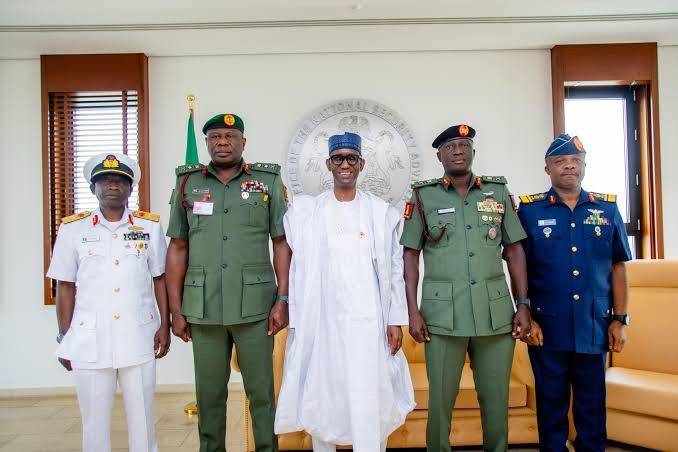
The initiative follows the inauguration of an 18-member committee on Reclaiming Ungoverned Spaces for Economic Viability and the Repositioning of the Nigerian Legion Corps of Commissionaires and Veterans by the Minister of Defence, Gen. Christopher Musa (retd.), at the Ministry of Defence, Abuja, on Tuesday.

In a statement by the Deputy Director, Information and Public Relations, Enderline Chukwu, the Minister—represented at the event by the Permanent Secretary, Richard Pheelangwa—said the repositioning of the Nigerian Legion forms part of the Federal Government’s commitment to ensuring that veterans who served the nation with honour are not abandoned, but are empowered to live dignified and productive lives after service.

Musa described the initiative as a deliberate and strategic policy intervention aimed at addressing long-standing structural and operational challenges that have constrained the defence community’s contribution to national development.

He said the Nigerian Legion remains “a critical institution with a proud history of service, sacrifice and patriotism,” noting that it has continued to play important roles in supporting national security and veterans’ affairs.

However, he stressed that changing socio-economic realities make it imperative to reform and reposition the corps for greater relevance, effectiveness and sustainability.

The Minister advocated a shift from an over-reliance on purely military offensives to a more comprehensive, inclusive and sustainable approach to national security. While military operations remain indispensable, he said enduring peace and stability could only be achieved by addressing the underlying socio-economic conditions that allow insecurity to thrive.

According to him, the committee’s terms of reference include repositioning the veteran community to support national economic development; deploying veterans to secure ungoverned spaces and bring them under effective oversight and development; and strengthening the Nigerian Legion Corps of Commissionaires to enhance operational effectiveness, facilitate veterans’ reintegration and deepen their contribution to national security.

Musa urged members of the committee to adopt innovative, practical and forward-looking solutions that reflect contemporary realities, while fostering trust and cooperation between communities and the state.

Membership of the committee was drawn from the Joint Services Department of the Ministry of Defence, the Nigerian Legion, Defence Headquarters, the Defence Intelligence Agency, the Nigerian Army, Navy and Air Force, as well as representatives from the offices of the Minister of Defence and the Minister of State for Defence.

Allegation Of Tinubu Portrait Removal Baseless, Says Rivers State Govt

0

The Rivers State Government has dismissed as unfounded allegations that Governor Siminalayi Fubara removed the official portrait of President Bola Ahmed Tinubu from Government House, Port Harcourt, describing the claim as misleading and capable of inflaming political tensions in the state.

The clarification followed a statement credited to an individual identified as Bestman Innocent Amadi, who purportedly spoke on behalf of the Rivers State chapter of the National Youth Council of Nigeria (NYCN), alleging that the governor acted out of disrespect and ingratitude towards the President.

In a statement issued on Tuesday by the Permanent Secretary of the Ministry of Information and Communications, Dr. Honour Kuru Sirawoo on Tuesday, the state government said it has no policy, directive or intention that disrespects the President of the Federal Republic of Nigeria or the authority of the Federal Government.

“For the avoidance of doubt, the Rivers State Government has no policy or action that undermines the President or the Federal Government,” the statement read.

The government stressed that Governor Fubara currently enjoys a robust and collaborative relationship with President Tinubu and the Federal Government, noting that this cooperation aligns with the Renewed Hope Agenda and has continued to yield positive outcomes for Rivers State and its residents.

Describing the allegation as irresponsible and unsupported by verifiable facts, the government warned that such narratives risk heating up the polity at a time when the state requires calm, dialogue and responsible leadership.

It also expressed concern that a body expected to promote youth unity and peace would engage in what it described as incendiary language, personal attacks and unsubstantiated claims capable of deepening political divisions.

The state government urged members of the public, particularly youths, to disregard the allegation and dissociate themselves from individuals or groups promoting divisive rhetoric and falsehoods for political purposes.

“Rivers State belongs to all of us. Political differences must never be allowed to override truth, civility and the collective desire for peace and progress,” the statement said.

The government further advised residents to remain vigilant and avoid amplifying inflammatory statements, cautioning against what it described as the activities of fifth columnists seeking to destabilise the state.

Presidency Dismisses Health Concerns After Tinubu’s Brief Stumble In Türkiye

0

The Presidency has dismissed speculations over the health of President Bola Ahmed Tinubu, assuring Nigerians that the President remains in good health and fully engaged in official duties during his ongoing state visit to Türkiye.

The clarification followed widespread reactions on social media to a brief video showing the President momentarily losing his balance during a welcome reception in Ankara on Tuesday.

In a statement addressing the reports, the Presidency explained that the incident was not health-related but was caused by a poorly laid blue carpet at the venue, which led to a brief stumble. It stressed that the President quickly regained his balance and proceeded with the event without any disruption to his schedule.

“The momentary loss of balance had nothing to do with the President’s health,” the Presidency said, adding that the incident had been exaggerated online.

According to the Presidency, President Tinubu has since continued with his official engagements, including bilateral meetings with Turkish government officials as part of the state visit.

He is also expected to address a joint press conference with his hosts after the conclusion of the meetings.

The Presidency further assured that the President remains in high spirits and physically fit, noting that he continues to lead Nigeria’s diplomatic engagements without interruption.

President Tinubu arrived in Ankara on Monday for the state visit, which is aimed at strengthening diplomatic and economic relations between Nigeria and Türkiye.

Rivers Moves To Strengthen Human Capital With Recruitment Of 5,000 Teachers

0

In a decisive push to deepen human capital development and reverse long-standing deficits in the education sector, the Rivers State Government has approved the recruitment of 5,000 teachers into the state civil service, marking one of the most ambitious workforce expansions under the current administration.

The approval was granted at the second Rivers State Executive Council meeting of 2026, held at Government House, Port Harcourt, and presided over by Governor Siminalayi Fubara, with Deputy Governor, Prof. Ngozi Nma Odu, in attendance.

Briefing journalists after the meeting, the Permanent Secretary of the Ministry of Information and Communications, Dr. Honor Sirawoo, said the recruitment drive is strategically designed to address acute shortages in classrooms and reposition education as a cornerstone of the state’s development agenda.

According to him, 3,000 of the new teachers will be deployed to basic and primary schools, while 2,000 will strengthen staffing at post-primary institutions, a move expected to significantly reduce student-teacher ratios and improve learning outcomes across both urban and rural communities.

Dr. Sirawoo disclosed that the latest approval brings the total number of employments under the Fubara administration to about 9,500, underscoring what he described as a deliberate and sustained investment in people rather than rhetoric.

He recalled that earlier recruitment exercises had absorbed 2,000 personnel into the health sector, 1,500 into Ignatius Ajuru University of Education, and 1,000 into the Universal Basic Education Board, reflecting a pattern of targeted intervention in sectors critical to social and economic development.

Emphasising transparency and competence, Dr. Sirawoo assured that the recruitment process would be strictly merit-based, noting that the administration is more focused on effective service delivery than publicity.

“These are services to the people of Rivers State. Our emphasis is on quiet efficiency and results that citizens can feel,” he said.

Also speaking, the Commissioner for Employment Generation and Economic Empowerment, Dr. Chisom Kenneth Gbali, described the council’s approval as a major boost to the ministry’s mandate, noting that job creation and skills deployment remain central to the government’s policy direction.

Education analysts have described the recruitment as timely, arguing that chronic teacher shortages have for years undermined educational quality and widened inequality between public and private schools in the state.

Beyond the classroom, the expansion of the workforce is expected to stimulate the local economy, reduce unemployment, and strengthen institutional capacity, ensuring that government policies translate into measurable improvements in citizens’ lives.

The recruitment will span multiple cadres, combining teaching and administrative roles to create a balanced and efficient civil service.

Education stakeholders have welcomed the move, expressing optimism that an influx of qualified teachers will raise academic standards and restore confidence in public education.

Dr. Gbali added that his ministry would work closely with the Ministry of Education to align recruitment with actual institutional needs and ensure that successful candidates undergo proper training and orientation.

As the recruitment exercise is set to commence in the coming weeks, expectations are high that the initiative will not only reshape the education sector but also reinforce Rivers State’s long-term development strategy, anchored on human capital, inclusive growth and responsive governance.

NDDC To Train Niger Delta Youths In CNG Vehicle Conversion

2

The Niger Delta Development Commission (NDDC) has announced plans to roll out a comprehensive training programme on Compressed Natural Gas (CNG) vehicle conversion for youths across the nine states of the Niger Delta region.

The initiative, aimed at building technical capacity and improving youth employability, is part of the Commission’s broader strategy to align skills development with emerging opportunities in Nigeria’s energy transition and automotive sectors.

The training programme focuses on the conversion of vehicles to run on compressed natural gas (CNG), promoting cleaner and more efficient fuel alternatives.

According to the NDDC, the programme is open strictly to indigenes of the Niger Delta states between the ages of 18 and 35. Applicants must possess a minimum qualification of SSCE or WAEC with science-related subjects, an Ordinary National Diploma (OND) in science disciplines, or a Trade Test Certificate from a recognised institution. Individuals with other technical qualifications related to automotive, mechanical or allied trades are also eligible.

Fresh graduates of engineering-related courses from institutions within the Niger Delta are particularly encouraged to apply, as the training is designed to equip participants with practical, industry-relevant skills in CNG vehicle conversion and maintenance.
Interested applicants are required to apply online via the NDDC skills portal at skills.nddc.gov.ng.

The Commission said the programme is expected to contribute to job creation, promote cleaner energy adoption, and empower Niger Delta youths with skills that are increasingly in demand within Nigeria’s evolving transportation and energy landscape.