

Home Blog Page 52

Alleged ₦210trn NNPCL Discrepancy: SERAP Threatens Legal Action, Demands Full Disclosure From Senate

0

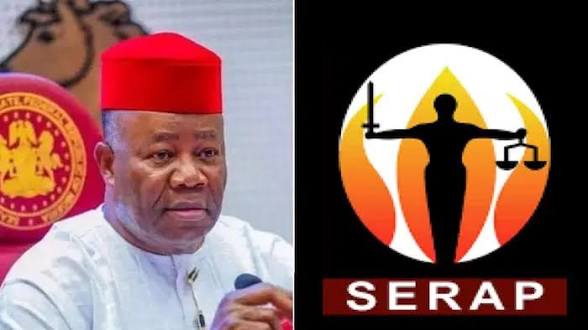
The Socio-Economic Rights and Accountability Project has called on Senate President, Godswill Akpabio, to compel the Senate’s Public Accounts Committee to publish the names and designations of all officials implicated in the alleged ₦200 trillion missing or unaccounted for from the Nigerian National Petroleum Company Limited.

In a letter dated March 21, 2026, and signed by its Deputy Director, Kolawole Oluwadare, the organisation urged the Senate leadership to ensure full transparency in the ongoing investigation, including the disclosure of audit reports, financial records, official communications, and timelines for the appearance of implicated officials and conclusion of the probe.

SERAP stressed that publishing complete records of the proceedings—such as minutes, submissions, and evidence—would enable Nigerians to independently scrutinise the process and reinforce accountability.

The Senate’s Public Accounts Committee is currently probing allegations that about ₦200 trillion is either missing or unaccounted for in NNPCL’s accounts between 2017 and 2023, amid concerns over unreconciled figures and inadequate supporting documentation. Several officials have reportedly failed to honour invitations or provide satisfactory explanations.

The group argued that transparency is critical to preventing political interference and restoring public trust, noting that the magnitude of the alleged discrepancy, whether accurate or overstated, demands a credible and open investigation.

According to SERAP, delays in the probe risk undermining public confidence and could lead to loss or distortion of key evidence. It warned that failure to act decisively may normalise impunity and weaken oversight of public resources.

The organisation further maintained that full disclosure of all relevant records would allow independent assessment of the credibility of the claims and the integrity of the investigative process, while also dispelling any perception of a cover-up.

SERAP gave the Senate a seven-day ultimatum to act on its recommendations or face legal action aimed at compelling compliance in the public interest.

The group also cited constitutional and international obligations, including provisions of the 1999 Constitution, the United Nations Convention against Corruption, and the African Charter on Human and Peoples’ Rights, which mandate transparency, accountability, and proper management of public funds.

The ongoing investigation, triggered by audit findings covering 2017 to 2023, reportedly identified about ₦210 trillion in entries within NNPCL’s accounts that lawmakers say were not properly reconciled. The figures include approximately ₦103 trillion in joint venture and operational costs, and ₦107 trillion in receivables, subsidies, and other obligations.

Despite repeated summons, the continued non-appearance of key officials has heightened tensions and raised fresh concerns over transparency in the management of Nigeria’s primary revenue source.

SERAP insisted that prompt, transparent conclusion of the investigation, alongside full disclosure of findings, is essential to ensuring accountability and safeguarding the nation’s economic future.
APC Fixes Tuesday For Screening Of National Office Aspirants Ahead Of Convention

0

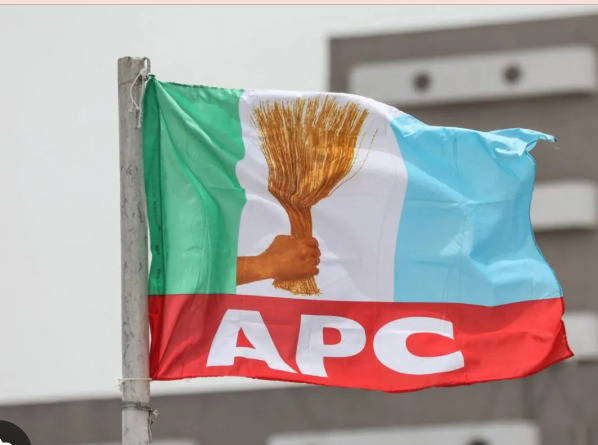
The All Progressives Congress (APC) has slated Tuesday, March 24, for the screening of aspirants vying for national offices, as part of preparations for its forthcoming National Convention scheduled for March 27.

In a notice issued on Sunday in Abuja, Secretary of the party’s Aspirants’ Screening Committee, Isa Yuguda, disclosed that the exercise will take place at the Transcorp Hilton Hotel.

Yuguda stated that all aspirants who have purchased and submitted their Expression of Interest and Nomination Forms are required to appear in person for the screening.

He further urged candidates to arrive early at the venue with all relevant supporting documents to ensure a smooth and timely verification process.

The screening exercise is a critical step in the party’s build-up to its National Convention, where new national officers are expected to emerge.

Tinubu, Global Leaders to Converge on Port Harcourt For Niger Delta Investment Summit

0

President Bola Ahmed Tinubu is set to lead an array of dignitaries to the forthcoming Niger Delta Investment and Economic Summit, an initiative designed to unlock investment opportunities and accelerate sustainable development across the region.

Scheduled to hold in Port Harcourt, the summit is positioned as a high-impact platform that will convene investors, policymakers, development partners and industry leaders to explore scalable and bankable ventures within the oil-rich Niger Delta.
Chairman of the Niger Delta Chamber of Commerce, Industry, Trade, Mines and Agriculture, Ideare Gogo-Ogan, who spoke during the inauguration of consultants for the event, described the summit as a strategic intervention aimed at unlocking the region’s vast economic potential.

He expressed optimism that the team assembled to organise the summit would deliver a world-class investment forum capable of reshaping the economic trajectory of the Niger Delta. While noting the abundance of natural resources in the region, Ogan emphasised the need for coordinated policies and targeted investments to fully harness these opportunities.

The summit’s coordinating consultant, Tony Epelle, will work alongside key partners including Neo Media and Marketing, founded by Ehi Braimah, and Ono K. Akpe, a public relations and events management specialist.

Among the highlights of the summit will be keynote addresses, including one by Mia Mottley, as well as goodwill messages, technical sessions and plenary discussions. The programme will also feature sector-focused investment forums, policy roundtables and deal-making platforms aimed at addressing critical economic challenges in the region.

Organisers disclosed that the Niger Delta Development Commission will play a pivotal role as a major supporter, alongside other development partners expected to participate.

With the theme, “Driving Investment, Innovation, and Industrial Growth in the Niger Delta,” the summit is expected to deliver measurable outcomes, including policy commitments, investment deals and strategic partnerships.

Key sectors slated for discussion include energy transition, optimisation of the oil and gas value chain, agriculture, the blue economy, infrastructure, manufacturing, technology and digital innovation, environmental sustainability and human capital development.

Organisers also underscored plans to prioritise inclusive growth, peace-building, climate resilience and economic diversification, while promoting stronger support for micro, small and medium-scale enterprises and youth-driven innovation across the Niger Delta.

Eid-el-Fitr: Fubara Assures Muslims Of Protection, Reaffirms Unity In Rivers

Governor Siminalayi Fubara of Rivers State has reaffirmed his administration’s commitment to the protection of lives and property of all residents, with a renewed assurance to the Muslim community of safety and inclusion.

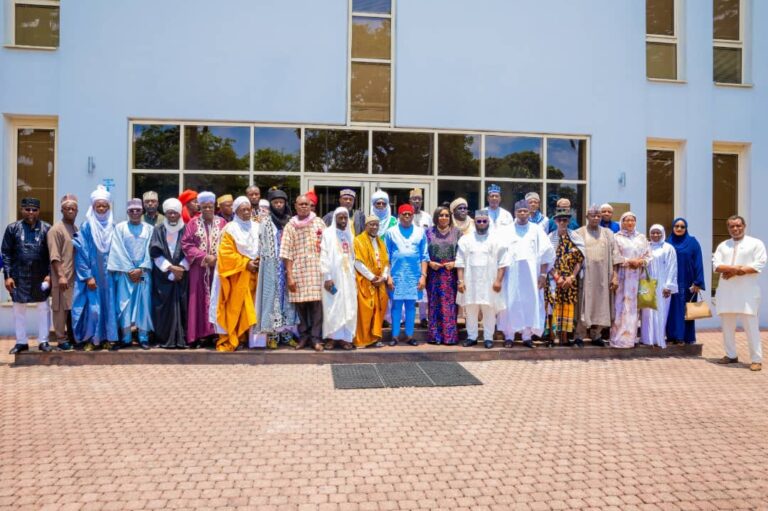
Fubara gave the assurance on Friday at Government House, Port Harcourt, while receiving a delegation of the Muslim Ummah led by the Vice President General of the Rivers State Council for Islamic Affairs, Alhaji Nasir Uhor.

The delegation, comprising Islamic clerics and leaders of the Arewa community, paid a Salah homage to the governor as part of Eid-el-Fitr celebrations.

The governor stressed that all residents, regardless of origin or religious affiliation, are regarded as indigenes of the state by virtue of their contributions to its socio-economic development.

He said: “If you live and do your business here, you are part of Rivers State. Even if not by birth, your presence, your families and investments here give us every reason to guarantee your safety. As a government, we will continue to do our best to ensure that Rivers remains safe for all.”

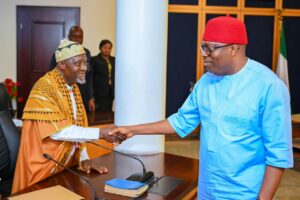
Governor of Rivers State, His Excellency (Sir) Siminalayi FUBARA (right) in a handshake with Alhaji Nasir Uhor, leader of the Muslim Community in Rivers State during the visit on Friday.

Fubara commended the Muslim faithful for their devotion during Ramadan, describing the fasting period as a spiritually significant journey in the Islamic faith.

On security, the governor noted that Rivers State has sustained relative peace despite tensions recorded in other parts of the country, particularly farmers-herders clashes. He attributed this to proactive engagement and coordination with security agencies, while urging Muslim leaders to strengthen internal communication among their members to promote peaceful conduct.

“As leaders, you are closer to your people. Continue to guide them so that together we can sustain the peace and stability we currently enjoy in our state,” he said.

The governor also acknowledged the longstanding relationship between the state government and the Muslim community, appreciating their support and prayers before and after his assumption of office. He assured that requests previously presented by the group were under consideration and would be addressed in line with available resources.

Earlier, Uhor thanked the governor for his openness and commitment to religious harmony. He used the occasion to present key demands, including the construction of a central mosque in Port Harcourt, the return of the Muslim section of the Port Harcourt Cemetery to the council, and the allocation of land for a mosque at the Rivers State University.

The meeting underscored ongoing efforts by the state government to promote inclusivity and peaceful coexistence among diverse religious and ethnic groups in Rivers State.

Tinubu’s UK Visit Underscores Global Confidence, Security Cooperation, And Nigeria’s Enduring value

The state visit of President Bola Ahmed Tinubu to the United Kingdom is being widely interpreted as a powerful statement of Nigeria’s continued relevance on the global stage, reinforcing not only diplomatic and economic ties but also strategic cooperation in the fight against insurgency.

At a time when Nigeria is navigating complex economic and security challenges, the significance of the visit lies in the message it sends to the international community: that the country remains a valued partner, capable of reform, resilience, and renewal. Far from being isolated by its internal difficulties, Nigeria is instead attracting deeper engagement from key global actors, signaling confidence in its direction.

Central to this perception is the Tinubu administration’s bold economic reform agenda.

Measures such as fuel subsidy removal and foreign exchange unification, though difficult in the short term, have been recognized internationally as necessary steps toward long-term stability. The warm reception accorded the Nigerian leader in London is therefore seen as more than routine diplomacy—it is viewed as a tacit endorsement of these policies and the broader commitment to restructuring Africa’s largest economy.

However, beyond economic considerations, the visit carries profound security implications.

Nigeria has for over a decade battled insurgency, particularly in the North-East, alongside other emerging threats such as banditry and transnational crime. The UK has remained one of Nigeria’s key security partners, providing training, intelligence support, and technical assistance to Nigerian forces.

Tinubu’s engagements are expected to deepen this cooperation, with renewed frameworks likely to emerge around intelligence sharing, counterterrorism strategies, and capacity building. For Nigeria, such partnerships are critical, not only in strengthening its military effectiveness but also in addressing the evolving nature of asymmetric warfare.

Security analysts note that the visit reinforces the idea that Nigeria’s challenges are not being ignored by the global community. Instead, they are being met with collaborative efforts, rooted in shared interests. Stability in Nigeria, given its population size and economic weight, is of strategic importance not just to West Africa but to global security at large.

Diplomatically, the visit marks a strengthening of a long-standing relationship built on history, trade, and shared institutional frameworks. Nigeria and the UK have maintained close ties since independence, and this latest engagement reflects a mutual desire to modernize that relationship in line with current global realities. From climate cooperation to migration management, both countries are seeking to expand areas of collaboration while reinforcing mutual respect.

Importantly, the visit also highlights Nigeria’s enduring value in the eyes of the international community. Despite facing inflationary pressures, currency volatility, and security concerns, the country continues to command attention and partnership at the highest levels. This is largely due to its strategic position as Africa’s largest economy, its vast human capital, and its role as a regional leader.

For many observers, this moment represents a shift in narrative. Rather than being defined solely by its challenges, Nigeria is increasingly being viewed through the lens of its potential and its willingness to undertake reform.

Tinubu’s active diplomatic outreach signals a government that is not retreating inward but is instead engaging outward, seeking solutions and partnerships.

The implications extend beyond government-to-government relations. The visit is expected to encourage investor confidence, particularly among British firms looking to expand into emerging markets. It also sends a reassuring message to Nigeria’s diaspora community in the UK, whose contributions through remittances and expertise remain vital to national development.

Moreover, the symbolism of the visit cannot be overstated. In international diplomacy, state visits are often carefully calibrated signals of trust and importance. By hosting Tinubu at this level, the UK is effectively affirming Nigeria’s place as a key partner in Africa and a country worth engaging despite its current hurdles.

In essence, the visit encapsulates three critical messages. First, that Nigeria’s economic reforms, though challenging, are gaining recognition and support globally.

Second, that the fight against insurgency remains a shared priority, with strengthened partnerships offering hope for improved security outcomes. And third, that Nigeria, despite its difficulties, continues to be valued as a nation of strategic importance and immense potential.

As the visit unfolds, expectations will be high for concrete outcomes—agreements, investments, and renewed commitments. Yet even beyond these tangible results, the broader significance is already evident. Nigeria is not standing alone; it is being acknowledged, supported, and engaged.

For a country often weighed down by its challenges, this moment offers a different perspective—one of validation, partnership, and cautious optimism.


By Chuks Oyema

Chuks Oyema is National Coordinator, APC Grassroots Governance Group APC G3

North-East CSO Urges Civilians To Join Anti-Terror Fight, Warns Of Economic Collapse In Borno, Yobe

0

A civil society organisation, Peace, Security Focus Group, based in the North-East has made a passionate plea to residents of the Borno and Yobe States, urging them to actively participate in the fight against terrorism.

The CSO emphasized that the insurgency is not just a security threat—it is endangering the very economic survival and development of the region.

Speaking at a community forum in Maiduguri on Thursday, the Convener of the Group, Ismail Mohammed highlighted that Boko Haram and other terrorist groups often operate from within communities, exploiting fear and local networks.

“For too long, some insurgents have hidden among us, carrying out attacks while ordinary citizens suffer. This is a fight we cannot leave solely to the military. You—the residents—must take ownership to reclaim our towns, markets, and livelihoods,” he said.

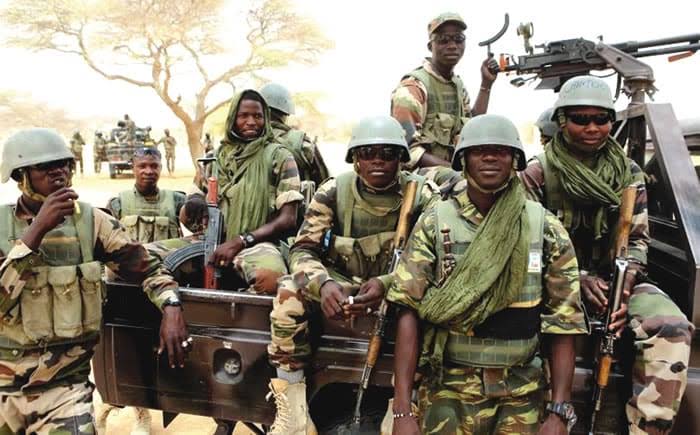
The CSO urged residents to support the efforts of the Armed Forces of Nigeria under the leadership of the Chief of Defence Staff, Gen. Olufemi Oluyede.

“The military is working tirelessly to protect us, but they cannot succeed without our cooperation. By providing timely information, assisting in community vigilance, and collaborating with security initiatives, we can help them dismantle insurgents hiding in our midst,”he said.

Warning of the economic consequences of continued passivity, he added: “Every attack disrupts trade, agriculture, and small businesses. Farmers cannot harvest, traders cannot sell, and young people cannot access opportunities. Our economy—the backbone of North-East recovery—is at stake. If we do not act together, the cost will only grow.”

Calling for unity and collective action, the CSO urged residents to report suspicious movements, support local vigilante groups, and cooperate fully with security forces.

“Your information saves lives. Silence only empowers the enemy. By standing together with our soldiers, we secure not just our safety but the future of our communities,”he stressed.

He concluded with a rallying message: “This is our home, our children, our businesses, and our future. We cannot leave this fight to others. Support the Armed Forces under Gen. Oluyede, share information, and refuse to give insurgents a foothold. Together, we will protect our economy and secure a safer, more prosperous Borno for generations to come.”

By Chucks Oyema

Flood Relief: NDDC Extends Lifeline To Bayelsa Community

0

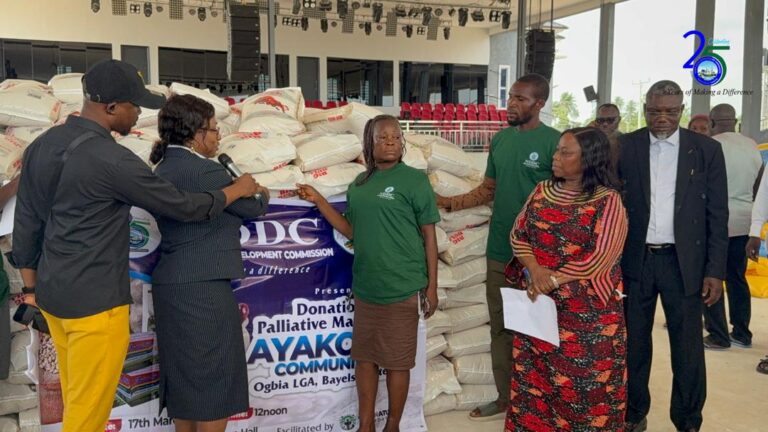
The Niger Delta Development Commission (NDDC) has distributed relief materials to residents of Ayakoro community in Ogbia Local Government Area of Bayelsa State, following recurring flood incidents that have devastated livelihoods and displaced residents.

A statement signed and issued by Seledi Thompson-Wakama, Director, Corporate Affairs of the NDDC, stated that the intervention, aimed at cushioning the impact of seasonal flooding, comes amid growing concerns over the loss of lives, farmlands and economic assets in the riverine community.

Representing the Managing Director of NDDC, Dr Samuel Ogbuku, at the event, the Director of Education, Health and Social Services, Dr Patience Ezugu, said the initiative reflects the commission’s commitment to alleviating hardship and improving living conditions across the Niger Delta.

She noted that the donation of food items and essential household materials forms part of NDDC’s broader strategy to support vulnerable communities while advancing sustainable development in the region.

“As we distribute these materials to the people of Ayakoro, we reaffirm our resolve to empower communities and drive meaningful development across the Niger Delta,” she said.

Ogbuku, in a statement, reiterated that the commission’s mandate is rooted in addressing environmental degradation, pollution and other development challenges confronting the region. He assured that NDDC would sustain interventions that deliver tangible benefits to affected communities.
In his remarks, the Acting Paramount Ruler of Ayakoro Kingdom, King Micah Itekesi, represented by a community leader, Pastor ThankGod Expenses, commended the commission for its timely response to the plight of flood victims.

Describing the intervention as unprecedented, he expressed gratitude to the NDDC leadership for the scale of assistance provided, noting that the support would go a long way in easing the suffering of residents.

He also assured that the relief materials would be distributed fairly among households in the community.

Speaking on the selection process, the programme consultant, Dr Daniel George Smile, explained that Ayakoro was prioritised due to the severity of flood impact and the community’s fragile economic condition. He added that assessments were ongoing in other affected areas for possible intervention.

The latest effort underscores NDDC’s continued focus on humanitarian support alongside its core infrastructure and development mandate in the Niger Delta.

NDDC Pushes Public-Private Partnerships, Eyes Aviation-Led Growth In Niger Delta

0

The Niger Delta Development Commission (NDDC) has renewed its call for stronger Public-Private Partnerships (PPP) as a pathway to sustainable development across the Niger Delta.

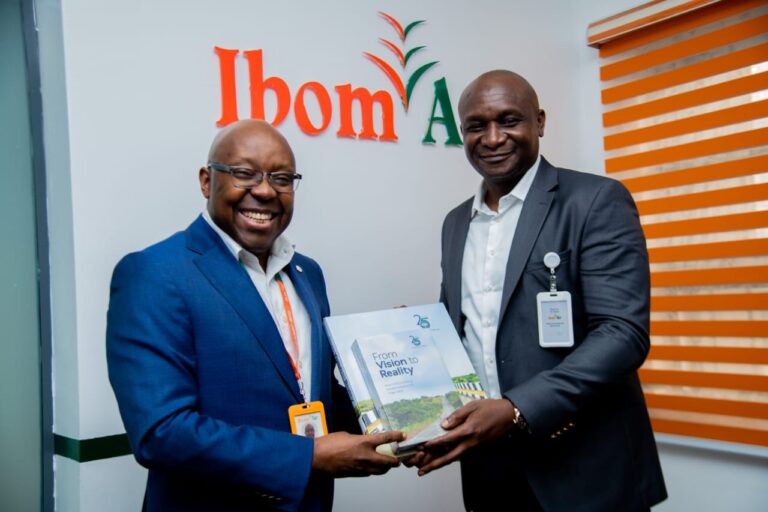
Speaking during a strategic meeting with the management of Ibom Air in Uyo, Akwa Ibom State, the Managing Director of NDDC, Dr Samuel Ogbuku, said collaboration between government agencies and private sector players remains critical to unlocking the region’s economic potential.

Ogbuku, who led a delegation of senior officials of the commission, noted that the engagement formed part of NDDC’s broader commitment to deepening partnerships capable of delivering large-scale infrastructure and boosting investor confidence.

He said ongoing collaborations with key stakeholders were already yielding results, citing joint projects with the Delta State Government and Chevron Nigeria Limited on the 70.75-kilometre Omadino–Okerenkoko–Escravos Road and bridges in Warri North Local Government Area.

The NDDC boss also referenced earlier partnerships, including the construction of the 25.7-kilometre Ogbia–Nembe Road facilitated through collaboration with Shell Petroleum Development Company, as well as current projects with Nigeria Liquefied Natural Gas (NLNG). These include the Okrika–Borikiri Road and bridges, Kaa–Ataba Road and Bridge, and the Bonny Ring Road.

According to him, aligning the efforts of government, development agencies and private investors would help convert transit traffic into long-term economic gains for the region.

He added that prioritising local content through the engagement of indigenous contractors and encouraging diversified investments would significantly improve livelihoods and stimulate economic growth.

“We are focused on creating a thriving economic environment that benefits local communities while attracting further investment into the Niger Delta,” he said.

Earlier, the Acting Managing Director and Chief Executive Officer of Ibom Air, George Uriesi, described partnerships as central to the airline’s development strategy.

He highlighted the potential of establishing a regional aviation hub, noting that improved air connectivity could drive tourism, enhance business activities and accelerate economic development across the Niger Delta.

The meeting underscores growing efforts to leverage cross-sector collaboration as a catalyst for infrastructure development and regional transformation.

Ancient Opobo Kingdom Rolls Out 16-Day Rite Of Passage For Monarch

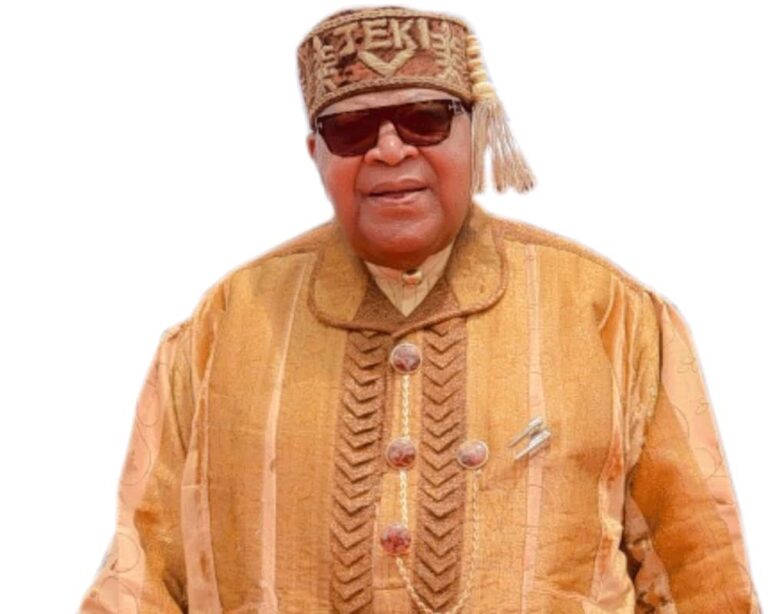
Steeped in centuries-old traditions and maritime heritage, the historic Opobo Kingdom has unveiled a 16-day cultural programme for the obsequies of its monarch, King Dandeson Douglas Jaja Jeki VI, who transmigrated to join his ancestors, in a ceremony that underscores the enduring legacy of one of the Niger Delta’s most storied kingdoms.

Founded in 1870 by the legendary King Jaja of Opobo, the kingdom has long stood as a symbol of resilience, commerce and cultural sophistication in the eastern Niger Delta.

The forthcoming rites, scheduled for April 2026, are expected to reflect this rich historical lineage through a blend of sacred observances, royal pageantry and communal participation.

According to the programme, pre-burial activities will begin on Thursday, April 9, with markets shut, flags flown at half-mast and the monarch lying in state. The day will culminate in solemn palace rituals marked by traditional cannon shots and the ringing of the iconic King Jaja bell, an enduring symbol of royal authority and continuity.

Public viewing will follow on Friday, April 10, as the kingdom opens its doors to mourners, while cultural troupes sustain a vigil of performances through day and night, reinforcing Opobo’s identity as a bastion of living tradition.

Interment rites will hold on Saturday, April 11, after a church funeral service, reflecting the fusion of Christian and indigenous traditions that has defined the kingdom for generations. The ceremony will feature appearances by revered masquerades, including the Nwaotam, alongside an array of cultural displays, before concluding with a ceremonial cannon salute.

In the days that follow, the kingdom will come alive with a succession of cultural expressions—masquerade outings, traditional rites and inter-communal performances. Highlights include the Owuogbo masquerade displays and Ekpe (Ijuruma) rites, as well as participation from neighbouring communities such as Nkoro and the Bonny Kingdom, reflecting deep-rooted historical ties across the region.

Markets will observe periodic closures throughout the mourning period, while the rhythmic echo of cannon shots and the tolling of the King Jaja bell will punctuate the rites, reinforcing their sacred significance.

A defining moment will occur on April 24 with the sealing of the grave, symbolising the completion of burial rites.

This will be followed by the “Ikiapa” ceremony on April 25, a grand royal parade of war canoe houses adorned in regalia and bearing the monarch’s image, evoking Opobo’s illustrious past as a dominant trading empire along the coast.

The obsequies will draw to a close on Sunday, April 26, with a thanksgiving service and entertainment, marking the end of an elaborate farewell befitting a throne rooted in history and tradition.

The programme not only honours the life of the departed king but also reaffirms the cultural depth and historical continuity of Opobo Kingdom, an enduring legacy shaped by its founding vision and sustained through generations.

RIVCHPP Boss Urges Data Accuracy, Empathy To Drive #Health4AllRivers Agenda

0

The Executive Secretary and Chief Executive Officer of the Rivers State Contributory Health Protection Programme, Dr. Vetty Agala, has charged Health Information Officers (HIOs) and focal persons to treat data collection and transmission as pivotal to achieving the state government’s #Health4AllRivers mandate.

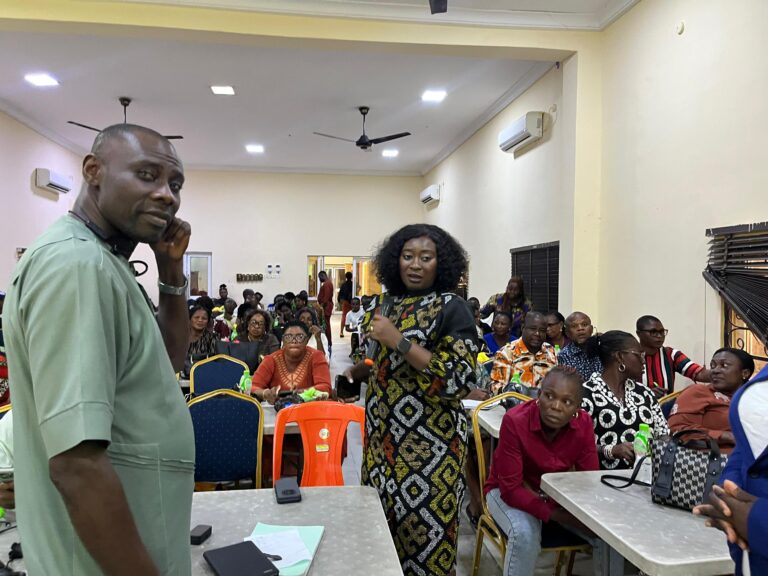
Speaking at a three-day training on Basic Health Care Provision Fund (BHCPF) 2.0 data collection in Port Harcourt on Tuesday, March 17, 2026, Agala stressed that the quality of data generated at service delivery points would significantly shape health policy decisions and outcomes.

She urged participants to recognise their critical role within the health value chain, calling for empathy in engaging enrollees alongside diligence and accuracy in handling data.

In a goodwill message, the Head of Planning, Research and Statistics at the Rivers State Primary Health Care Management Board, Dr. Seiyeofori Dede, reinforced the importance of reliable data in expanding universal health coverage across the state. He called on health facilities to embrace the training, noting its alignment with the healthcare mandate of Siminialayi Fubara.

Providing an overview, the Head of Statistics at RIVCHPP, Dr. Isaiah MacMoses, explained that the training aims to equip participants with skills for electronic data transmission directly from healthcare facilities to the National Health Insurance Authority platform. He described the initiative as essential for ensuring accurate data for informed decision-making.

Meanwhile, Agala has also called on residents of Rivers State to prioritise their health by enrolling in the state’s health insurance scheme.

Speaking at a one-day prayer congress organised by the Christian Pentecostal Fellowship of Nigeria at the Ecumenical Centre, Port Harcourt, she said the state government is committed to preventing healthcare-related financial hardship.

According to her, the administration of Governor Fubara has strengthened RIVCHPP to provide accessible and affordable healthcare services. She urged residents—regardless of religion or background—to enrol in the programme, assuring that beneficiaries can access primary and secondary healthcare services without financial strain.

Agala reiterated that the scheme is designed to safeguard residents from the economic burden of medical care while improving overall health outcomes in the state.