Nigeria’s opposition party, the African Democratic Congress (ADC), has intensified pressure on the Chairman of the Independent National Electoral Commission (INEC), Joash Amupitan, calling for his immediate resignation over allegations of political bias.
The party issued the warning on Saturday, vowing to escalate civil disobedience if Amupitan remains in office. The latest controversy stems from alleged past social media posts suggesting sympathy toward the ruling All Progressives Congress (APC).
INEC, through its spokesman Adedayo Oketola, had earlier dismissed the claims, cautioning against misinformation and the activities of impersonators online. The commission reaffirmed its commitment to credible elections and urged Nigerians to rely on verified communication channels.
However, the issue gained momentum after US-based Nigerian scholar Farooq Kperogi published a column alleging that archived posts linked to Amupitan’s name reflected pro-APC sentiments, including perceived support for President Bola Ahmed Tinubu.
The publication sparked widespread debate on social media, with opinions sharply divided over the authenticity and implications of the alleged posts.
Reacting, ADC spokesman Bolaji Abdullahi described the revelations as a serious threat to the credibility of Nigeria’s electoral system.
“In a democracy, the umpire must not only be independent but must be seen to be independent beyond doubt,” Abdullahi said. “What we are witnessing is a grave affront to that principle.”
He further alleged attempts to manipulate digital records linked to the controversy, describing such actions as “a calculated assault on truth and accountability.”
According to him, Amupitan’s continued stay in office undermines public confidence in INEC and sets a dangerous precedent.
“The referee cannot wear the jersey of one of the teams,” he added.
“Professor Amupitan must resign immediately. Anything less is unacceptable.”
The ADC also disclosed plans to update its petitions to relevant institutions, including international bodies and the Nigerian Bar Association, while pledging to intensify protests until the INEC chairman steps down.
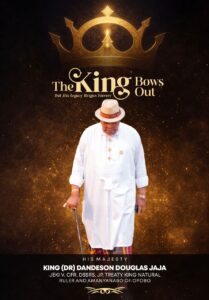
The ancient kingdom of Opobo will on Saturday, April 11, 2026, bid a final farewell to one of its most distinguished sons and revered monarchs, His Majesty, King Dr. Dandeson Douglas Jaja, Jeki V—an embodiment of candour, refinement, and enlightened traditional leadership.
His passing marks the end of an era defined by cultural revival, administrative excellence, and dignified royalty.
Photo Credit: Dappa Solomon Media
Born on April 28, 1942, King Dandeson Jaja came from a distinguished royal lineage as the son of King Douglas Jaja, former Amanyanabo of Opobo and Chancellor of the University of Jos, and Queen Violet.
King Dandeson Jaja, addressed as Jeki V, was the second child and the second son among the 12 children of his father, King Douglas Jaja, Amanyanabo of Opobo and former Chancellor of University of Jos. His mother was Queen Violet. His siblings include: Prince Arthur (late), Prince Lawrence (late), Prince Douglas Obiesigha (late), Prince Macdonald (late), Princess Daisy Ibalafagh (late), King Charles, Prince Alfred, Princess May, Prince Eugene Barachua, Princess Sotonye and Princess Ibikiri.
As the second son in a large and prominent family, he was raised within a tradition steeped in history, responsibility, and service.
He attended St. Paul’s Primary School, Opobo Town, Rivers State from where he moved to National Grammar School, Nike, Enugu, in the then Eastern Region of Nigeria, for his post primary education. On the completion of his secondary education, he traveled to the United Kingdom to pursue his tertiary education at Hull College of Higher Education.
His early education in Opobo and Enugu laid a solid foundation for a global outlook, later refined through studies in the United Kingdom. His formative years in engineering and banking—spanning the Opobo Boat Yard, the Central Bank of Nigeria, and a brief stint with Barclays Bank in the UK—equipped him with the discipline, precision, and managerial acumen that would later define his reign.
Ascending the throne in 2003 after a prolonged but peaceful legal tussle that tested the unity and resilience of Opobo Kingdom, King Jaja emerged not only as a legitimate ruler but as a symbol of reconciliation and collective identity. His reign, which spanned 45 years, having been proclaimed king in 1980, was marked by stability, development, and cultural pride.
A modern monarch in every sense, King Jaja seamlessly blended tradition with contemporary governance. He served in several high-profile roles, including Chairman of the Rivers State Council of Traditional Rulers and Chancellor of the Federal University Dutse-Ma in Katsina State. In these capacities, he demonstrated rare administrative depth, earning recognition for his ability to manage people and institutions with tact and foresight.
Yet, it was perhaps in the cultural sphere that his legacy shines brightest. A custodian of Ibani heritage, he championed the revival of indigenous language, customs, and artistic expression. He institutionalized festivals, reformed masquerade traditions, such as the Owu-Ogbo and Nwaotam,and understood and displayed the dance steps of the “ngunume” and “okporo,” beats. He elevated the Opobo International Boat Racing and Regatta to national prominence. His advocacy ensured Opobo’s cultural footprint extended beyond regional boundaries, reinforcing identity in an era of rapid globalization.
King Jaja was also a master of cultural diplomacy, having facilitated Opobo’s participation in FESTAC ’77, and later creating enduring platforms for cultural exchange and recognition. Through the Opobo Kingdom Awards, he honoured excellence and service, strengthening communal bonds and inspiring civic responsibility.
In personal bearing, the monarch was the very definition of elegance. Whether adorned in regal traditional attire or formal Western dress, his appearance reflected meticulous attention to detail and a deep understanding of the symbolism of kingship. His style was not mere aesthetics—it was a statement of identity, discipline, and pride.
Despite his elevated status, King Jaja remained deeply spiritual and grounded in faith. A devout Christian, he was actively involved in church life, offering quiet philanthropy and drawing strength from his beliefs. His humility was evident in his oft-expressed conviction that ultimate power rests with God alone.
Under his leadership, Opobo witnessed notable infrastructural and developmental strides, including road projects, shoreline protection, and strategic advocacy for educational institutions. These efforts underscored his vision of a progressive kingdom anchored in both heritage and modernity.
Above all, King Dandeson Douglas Jaja will be remembered as a monarch of rare candour—forthright yet diplomatic, principled yet compassionate. He ruled not with ostentation, but with quiet authority, intellectual depth, and an unwavering commitment to his people.
He is survived by his wife, children, grandchildren, and a grateful kingdom that now celebrates a life of purpose, dignity, and enduring impact.
As Opobo transitions to a new chapter under his successor, the legacy of Jeki V will remain indelible—a timeless reminder that true royalty lies not merely in heritage, but in character, service, and vision.
By Adagogo Cockeye Brown, PhD
brown.adagogo@ust.edu.ng
Rivers State Governor, Siminalayi Fubara, has called for deeper collaboration with Nigeria Liquefied Natural Gas Limited (NLNG) to enhance healthcare delivery, spotlighting ongoing improvements at Bonny General Hospital.
Speaking during a meeting with NLNG’s Chief Executive Officer, Adeleye Falade, the governor underscored his administration’s commitment to strengthening critical infrastructure, noting that sustained partnerships would deliver tangible benefits to host communities.
Fubara commended NLNG for its resilience and operational success, attributing it to an effective Public-Private Partnership (PPP) model, and assured the company of continued government support.
He emphasised that improved collaboration in the health sector, particularly at Bonny General Hospital, would significantly uplift service delivery and expand access to quality care for residents.
In his response, Falade lauded the state government’s support and reaffirmed NLNG’s commitment to community development and sustainable impact across Rivers State, pledging continued investment in initiatives that improve the wellbeing of host communities.
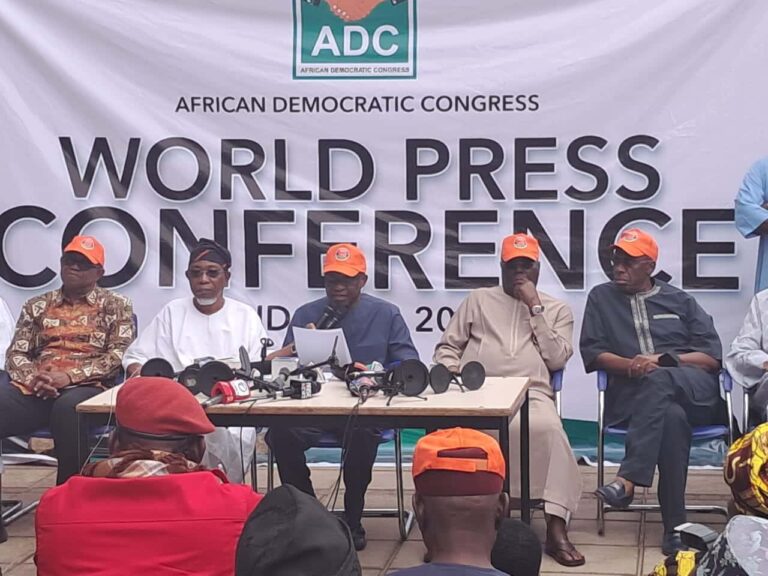
The African Democratic Congress (ADC) has called for the immediate resignation or removal of the Chairman of the Independent National Electoral Commission (INEC), Prof. Joash Amupitan, over alleged partisanship and actions it said could undermine the credibility of the 2027 general elections.
The demand was made on Wednesday during a protest by party leaders and supporters at INEC headquarters in Abuja, amid a deepening leadership crisis within the party that has persisted since September 2025.
The party, in a statement jointly conveyed by its National Chairman, David Mark, and National Secretary, Rauf Aregbesola, accused the INEC boss of exceeding his constitutional mandate and allegedly aligning with a faction in the party.
ADC said recent actions by the electoral umpire raise serious concerns about neutrality and pose risks to Nigeria’s multi-party democracy ahead of the 2027 polls.
“Your recent media interview was not only disgraceful and unbecoming of the high office you occupy, but it also exposed a troubling willingness to descend into partisan controversy,” the party stated.
It faulted the INEC chairman for allegedly interpreting court rulings relating to the party’s internal leadership dispute, insisting that such responsibility rests solely with the judiciary.
“The interpretation of court judgments is the exclusive preserve of the judiciary. For the Chairman of INEC to publicly assume that role amounts to a serious constitutional breach,” the statement added.
The party warned that any perceived bias by the electoral body could erode public trust and compromise the integrity of future elections, stressing that credible, transparent and impartial oversight remains critical to the success of the 2027 general elections.
ADC further alleged that the commission had taken steps capable of interfering in the internal affairs of political parties, describing such actions as dangerous to democratic pluralism.
“Any action that tilts the electoral playing field strikes at the very heart of democratic practice,” it said.
The party also recalled that INEC had previously monitored and acknowledged its internal processes in 2025, including National Executive Committee meetings that produced the current leadership under Mark, and had updated its records accordingly.
It, however, expressed concern over what it described as a shift in the commission’s posture, urging a recommitment to neutrality to safeguard the credibility of Nigeria’s electoral process.
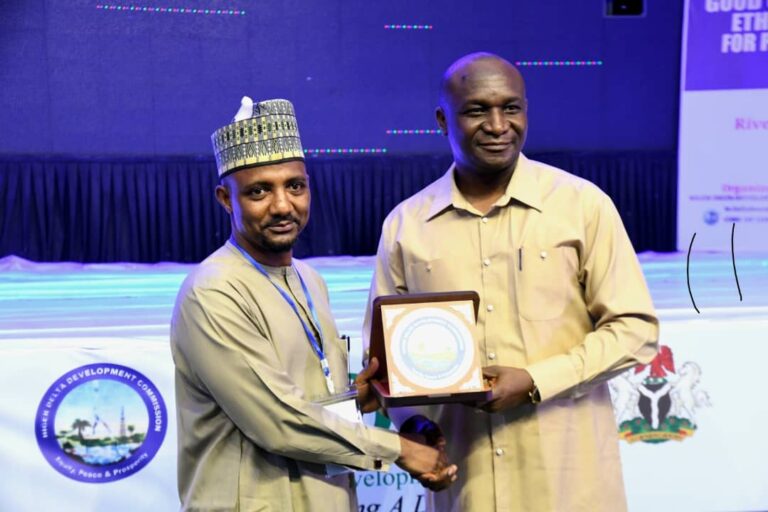
The Chairman of the Code of Conduct Bureau (CCB), Dr Abdullahi Bello, has urged staff of the Niger Delta Development Commission (NDDC) to strictly comply with provisions of the Code of Conduct Bureau and Tribunal Act, warning that ignorance of the law would not shield offenders from prosecution.
Bello gave the charge during an enlightenment session on good governance and ethical conduct for NDDC personnel in Port Harcourt, stressing that asset declaration remains a mandatory obligation for all public servants.
He emphasised the need for sustained commitment to transparency, accountability and professionalism, noting that the Bureau’s role is not to victimise officials but to educate and enforce compliance with established ethical standards.
“Asset declaration is not optional,” he said, urging staff to complete and submit the required Code of Conduct forms to avoid sanctions.
In his remarks, NDDC Managing Director, Dr Samuel Ogbuku, described ethical conduct as the cornerstone of good governance, aligning the Commission’s reforms with the Renewed Hope Agenda of Bola Ahmed Tinubu.
Ogbuku disclosed that the Commission is implementing a new Governance Advisory Report aimed at strengthening institutional performance and repositioning the agency for greater impact in the Niger Delta.
According to him, the initiative would deepen adherence to Standard Operating Procedures (SOPs) and reinforce the Commission’s code of conduct, which underpin effective service delivery.
“We are fostering unity of purpose, improving communication and reinforcing ethical standards to enhance efficiency and transparency,” he said, adding that the programme would boost internal cohesion and accountability.
He noted that the training goes beyond compliance with asset declaration requirements, providing staff with a clearer understanding of legal obligations and ethical expectations.
Also speaking, the Executive Director, Finance and Administration, Alabo Boma Iyaye, represented by Director of Administration and Human Resources, Kelechi Nwelue, said the initiative forms part of ongoing efforts to reorient staff towards a culture of integrity.
Iyaye stressed the need for strict adherence to civil service rules, financial regulations and other extant laws, urging employees to become champions of transparency at all levels of the Commission’s operations.
The National Youth Service Corps (NYSC) has announced April 22, 2026, as the commencement date for the Batch ‘A’ Stream II orientation course nationwide.
In a statement issued by its Director of Information and Public Relations, Caroline Embu, the scheme disclosed that the 21-day exercise will be held simultaneously across all 36 states and the Federal Capital Territory.
According to the schedule, registration and reception of prospective corps members will begin on Wednesday, April 22, and end at midnight on Friday, April 24, 2026.
The swearing-in ceremony is slated for Friday, April 24, while the orientation programme will conclude on Tuesday, May 12, 2026.
The NYSC advised all mobilised graduates to travel safely to their respective camps, reiterating its long-standing warning against night journeys.
“Prospective Corps Members are advised to break their journeys once it is 6:00 p.m. and pass the night at any available Corps Members’ Lodge, military formation, police station or palace of a traditional ruler before continuing the next morning,” the statement said.
Commercial drivers in Rivers State on Tuesday raised the alarm over a potential violent clash with the National Union of Road Transport Workers (NURTW), as they staged a peaceful protest in Port Harcourt against what they described as persistent harassment, extortion, and multiple illegal levies imposed by road touts.
The protest, led by the Commercial Drivers Welfare Association (CDWA), took place at the Government House and the State Police Command Headquarters, where demonstrators carried placards condemning the activities of “agberos” and calling for urgent government intervention.
Speaking during the demonstration, CDWA Chairman, Comrade Christopher Ezeali, warned that continued inaction by authorities could trigger unrest, as frustration among drivers reaches a boiling point.
He decried what he termed the unchecked excesses of non-state actors operating across major transport corridors, noting that drivers now struggle to survive despite long working hours.
“We have exhausted all peaceful avenues, including media engagements, but our situation continues to worsen daily,” Ezeali said.
“We work tirelessly from morning till night, yet return home with little or nothing due to illegal and excessive levies. This exploitation is pushing many to the brink.”
Ezeali specifically accused some elements within the NURTW of enforcing unlawful levies on non-members, warning that such actions could spark a deadly confrontation if not urgently addressed.
“There is a growing tension in the system. If this continues unchecked, it may lead to a clash that could result in loss of lives,” he cautioned.
The association identified several flashpoints across Port Harcourt, including Rumuola, Rumokoro, Ikwerre Road, Abacha Road, and Eleme Junction, where drivers are allegedly subjected to frequent extortion.
Among its demands, the group called for the immediate introduction of a harmonised electronic tax system to eliminate multiple taxation and ensure transparency. It also urged the state government to ban the sale of local government tickets allegedly imposed across all 23 local government areas.
The drivers further appealed for increased police presence in high-risk areas to curb criminal activities, including car theft and attacks on motorists.
Responding to the protest, the Assistant Commissioner of Police in charge of Operations, Ikechukwu Okoro, who spoke on behalf of the Commissioner of Police, commended the drivers for their peaceful conduct.
He assured them that their grievances would be conveyed to the appropriate authorities, while urging restraint.
“The Nigerian Police remains committed to protecting lives and property. Do not take the law into your hands. We will not tolerate any breakdown of law and order,” he said.
Despite the assurances, the protesters maintained that urgent and decisive action is needed to prevent the situation from degenerating into violence.
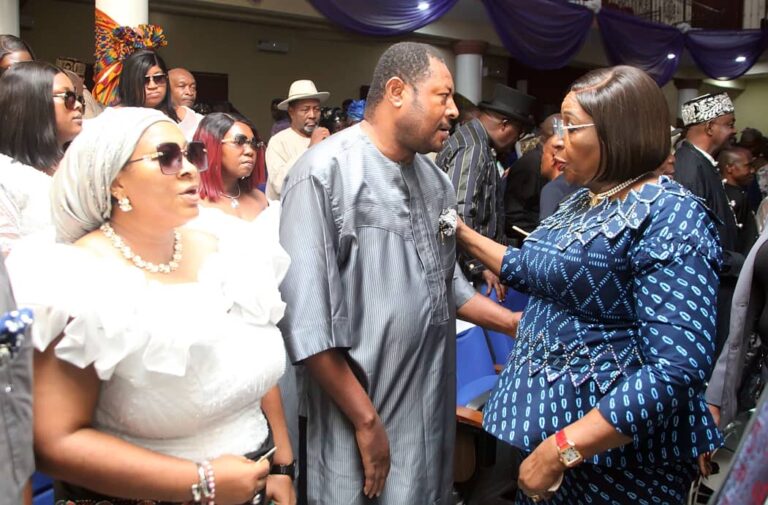
Rivers State Deputy Governor, Prof. Ngozi Nma Odu, has paid an emotional tribute to the late Amayanabo of Opobo Kingdom, King Dr. Dandeson Douglas Jaja, describing him as a compassionate leader, patriot and father figure who devoted his life to the service of humanity.
Odu spoke on Tuesday at a valedictory session organised by the Rivers State Council of Traditional Rulers in honour of the late monarch at the Council Auditorium.
She said news of the king’s passing came as a shock, noting that despite earlier concerns about his health, many had remained hopeful for his recovery after he responded during prayers when she visited him at the Intensive Care Unit.
“We hoped it would translate into full recovery, but it pleased God to call him home, and we cannot question God,” she said.
The deputy governor recalled her close relationship with the late monarch, who, she said, treated her like a daughter — a bond widely acknowledged by those around him.
She noted that the king and his family stood by her during difficult moments, including the loss of her husband, mother and elder sister, and consistently showed her unwavering support and respect.
Odu also highlighted the monarch’s selflessness, recounting how he often set aside official engagements to honour her family’s important occasions, including attending her daughter’s wedding despite a tight schedule.
Reflecting on one of her last encounters with the late king in hospital, she said his reassuring wave gave her hope and remains a cherished memory.
She further recalled that during his 21st coronation anniversary on January 3, 2025, the monarch conferred on her the traditional title of “Balolo of Opobo,” which she described as a rare honour.
Odu described the late king as a devout Christian who dedicated his birthdays to praise and worship, underscoring his deep faith.
She commended the council for organising the valedictory session, noting that such gestures would help preserve the monarch’s legacy.
In his remarks, Chairman of the Rivers State Council of Traditional Rulers, Eze Chike Worlu Wodo, described the late Amayanabo as a pragmatic ruler, advocate of peace and statesman who served his people, the state and the nation with distinction.
He urged traditional rulers to discharge their responsibilities with love, kindness and temperance, stressing the need to live up to divine expectations.
Also speaking, Head of Service, Rivers State Civil Service, Dr. Inyingi Brown, said the late monarch embodied wisdom, fairness and dedication to preserving cultural heritage.
She described him as a unifying figure and stabilising force whose leadership brought peace, progress and pride to Opobo Kingdom.
Governor of Rivers State, Siminalayi Fubara, has reaffirmed his administration’s commitment to strengthening the healthcare system and expanding access to quality medical services across the state.
In a goodwill message to mark this year’s World Health Day, the governor said his government would continue to prioritise policies and programmes that guarantee affordable and efficient healthcare for residents.
Fubara urged citizens to take responsibility for their wellbeing by adopting healthy lifestyles, maintaining proper hygiene and guarding against preventable diseases. He also stressed the role of community participation in promoting health awareness and supporting grassroots initiatives.
“On this World Health Day, I extend warm greetings to all Rivers people. Our administration remains committed to improving healthcare in Rivers State and prioritising initiatives that promote quality healthcare for all,” he said.
Highlighting achievements in the sector, the governor noted that his administration had recruited over 2,000 health workers, upgraded several health facilities and introduced a health insurance scheme aimed at widening access to care.
He added that the state government was positioning Rivers as a potential hub for medical tourism by ensuring that healthcare services are both accessible and affordable.
Fubara further listed the revival and expansion of zonal hospitals in Bori, Omoku, Ahoada and Degema, as well as the remodelling of 153 primary healthcare centres across the state to improve service delivery.
He also disclosed that more than 400 staff of the Rivers State University Teaching Hospital had been promoted, alongside the recruitment of an additional 500 personnel to boost capacity.
World Health Day, observed annually on April 7, is a global health awareness campaign. This year’s theme, “Together for health: Stand with science,” underscores the importance of collaboration, research and evidence-based solutions, while promoting a holistic approach that links human, animal and environmental health.
The Nigerian film and television industry has been thrown into mourning following the death of veteran actor, Davis Offor, popularly known as Clarus, whose unforgettable role in the classic sitcom Masquerade kept audiences spellbound in the 1970s and 1980s.
News of his passing was confirmed by fellow actor, Tony Akposheri, who starred alongside him as Zacky in the iconic television series that defined an era of family entertainment in Nigeria.
In a heartfelt tribute shared on Facebook, Akposheri expressed shock and grief, recalling their last moments together during the New Year celebrations.
“Today, my heart is heavy. Davis Offor, fondly known as Clarus from Masquerade, is gone,” he wrote.
“We crossed into the New Year together, laughing, talking, sharing memories, and speaking hopefully about the days ahead. None of us knew that time was already counting differently for you.”
Akposheri described the late actor as more than a screen personality, but a man whose warmth, humour and charisma resonated both on and off set.
“You were more than a familiar face on screen. You were a friend, a brother, a man with warmth, humour, and a presence that could light up any space,” he added.
He lamented the suddenness of Offor’s death, noting the difficulty of accepting the loss of someone he had spoken with only recently.
“It is hard to believe that the voice I heard not long ago is now a memory. Hard to accept that someone so full of life can suddenly become a story we tell,” he said.
Offor rose to national prominence through Masquerade, one of Nigeria’s most beloved television comedies, where his portrayal of the boastful and hilariously self-assured Clarus became a household favourite. The series captivated viewers across generations with its witty dialogue, memorable characters and comedic storytelling.
His passing marks the end of an era for early Nigerian television and the loss of a performer whose role brought laughter to countless homes.