

Home Blog Page 30

Curbing The Growing Menace Of Dispatch Riders And Threat on Our Roads

The rapid growth of e-commerce, courier services and home delivery businesses has created new economic opportunities across Nigeria. At the centre of this expanding industry are dispatch riders, whose services have become indispensable to businesses and households alike. However, alongside their usefulness has emerged a troubling reality: the increasing menace posed by some dispatch riders on Nigerian roads.

In many cities, particularly Port Harcourt and other urban centres in Rivers State, complaints against dispatch riders have become commonplace. Road users, pedestrians and motorists increasingly accuse some riders of reckless driving, disregard for traffic regulations and dangerous conduct that puts lives and property at risk.

What was once seen as a convenient means of delivery is gradually becoming a major road safety concern. From speeding through congested roads and driving against traffic to weaving dangerously between vehicles and ignoring traffic signals, some dispatch riders operate with a level of recklessness that has become unacceptable.

Many motorists recount experiences of near-fatal encounters with dispatch riders who appear to be in a constant hurry to beat delivery deadlines. Their aggressive riding habits often create tension on the roads and increase the likelihood of accidents.

Speaking with The Atlantic Bell, a motorist, Cyril Atunkwa, described some dispatch riders as excessively aggressive and impatient.

According to him, many of them show little regard for other road users and frequently engage in dangerous manoeuvres that endanger lives.

“Some of these riders behave as though they own the road. They overtake from impossible angles, jump traffic and sometimes disappear after causing accidents. There have also been reports linking some riders to substance abuse, which raises further concerns about public safety,” he said.

Another road user, Markson Ebifaye, shared similar concerns. He observed that dispatch riders often engage in confrontational behaviour during traffic disputes and, in some cases, flee after causing minor collisions or damaging vehicles.

The increasing number of complaints points to a deeper problem that authorities can no longer afford to ignore. While many dispatch riders operate responsibly and earn a living honestly, the actions of a reckless minority are tarnishing the reputation of the entire industry and exposing the public to unnecessary danger.

The challenge is compounded by weak enforcement of existing regulations. In many cases, it is difficult to identify offending riders because they operate without visible identification or use motorcycles with poorly displayed or concealed registration numbers.

This situation creates an environment where offenders can easily evade accountability after committing traffic violations or causing accidents.

The Rivers State Government and transport authorities across Nigeria must therefore treat the issue as a matter of urgency. Curbing the menace of reckless dispatch riders should become a key component of road safety policy.

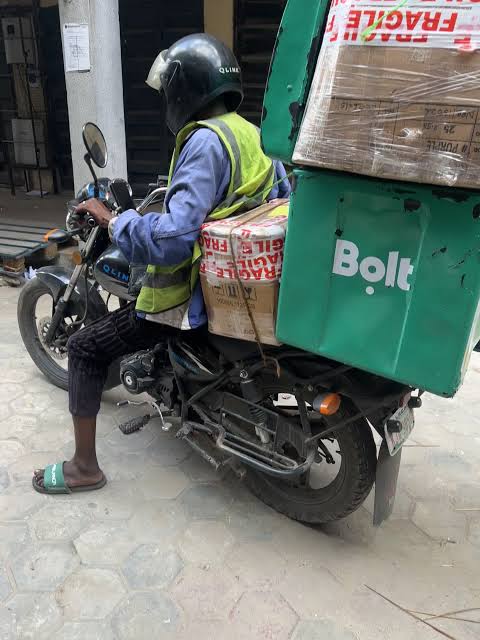
One immediate step is the strict enforcement of mandatory rider identification. Every dispatch rider should be required to wear a reflective vest bearing a unique registration number that is boldly displayed and easily visible from a distance. Such identification would make it easier for law enforcement agencies and members of the public to report erring riders.

Similarly, all motorcycles used for dispatch services must be properly registered and display valid plate numbers at all times. Authorities should conduct periodic inspections to ensure compliance and remove unregistered motorcycles from the roads.

Courier companies also have a major role to play. Businesses that employ dispatch riders should be held accountable for the conduct of their personnel. Companies must invest in regular safety training, enforce strict operational standards and monitor riders through tracking systems that discourage dangerous behaviour.

Furthermore, riders should undergo compulsory road safety certification before being licensed to operate commercially. Such training should cover traffic regulations, defensive riding techniques, customer relations and the legal consequences of traffic offences.

The police, Federal Road Safety Corps and state transport authorities must also intensify enforcement operations. Consistent monitoring, sanctions for violations and swift prosecution of offenders will serve as deterrents and help restore discipline on the roads.

Public awareness campaigns are equally important. Riders need to understand that delivery speed should never take precedence over human life and public safety. Customers and courier companies must also avoid placing unrealistic delivery demands that encourage dangerous riding practices.

Nigeria has previously witnessed the consequences of unchecked motorcycle operations, leading to restrictions and outright bans in several major cities. Allowing dispatch riders to continue operating without adequate regulation risks creating similar challenges and could eventually undermine the valuable services they provide.

The time for action is now. Responsible dispatch riders deserve an environment where professionalism is rewarded, while reckless operators must be identified and sanctioned.

Through effective regulation, strict enforcement and industry collaboration, authorities can protect lives, improve road safety and ensure that dispatch services remain a benefit rather than a threat to society.

The roads belong to everyone. No business convenience or delivery deadline should be allowed to jeopardise the safety of motorists, pedestrians and commuters.

Abductions, Killings: SERAP Asks UN Security Council To Invoke Article 99 On Nigeria

0

The Socio-Economic Rights and Accountability Project (SERAP) has called on United Nations Secretary-General, António Guterres, to invoke Article 99 of the UN Charter and formally bring Nigeria’s escalating insecurity before the UN Security Council.

In an open letter dated May 30, 2026, and signed by its Deputy Director, Kolawole Oluwadare, SERAP argued that the scale of abductions, killings, attacks on civilians and mass displacement across several parts of Nigeria now poses a threat to international peace and security.

The organisation cited recurring violence in Oyo, Benue, Borno, Plateau, Kaduna, Zamfara and other states, warning that the persistent attacks by armed groups and criminal networks have created widespread human suffering, destruction and collective trauma.

According to SERAP, Article 99 empowers the UN Secretary-General to draw the Security Council’s attention to situations that may threaten global peace and security, stressing that Nigeria’s security crisis has outgrown the limits of a domestic law-enforcement challenge.

“The crisis in Nigeria is not merely a domestic law-enforcement issue. Its effects increasingly implicate regional peace and security through cross-border movement of armed groups and weapons, large-scale displacement, growing instability beyond Nigeria’s borders, and weakening human rights and rule-of-law institutions,” the group stated.

SERAP pointed to the recent abduction of pupils and teachers from schools in Oriire Local Government Area of Oyo State, where at least 25 pupils and seven teachers were reportedly kidnapped, while two education workers lost their lives during and after the attack.

The rights group also referenced reports of students travelling to sit university entrance examinations being abducted in Benue State, as well as deadly attacks in Borno, Katsina and Adamawa states that left scores of civilians dead and many others displaced.

It noted that recent bomb explosions in Maiduguri reportedly killed at least 23 persons and injured more than 100, while attacks on military formations, internally displaced persons’ camps and rural communities have continued unabated.

SERAP recalled that the UN and its agencies have repeatedly expressed concern over Nigeria’s worsening security situation. It cited Guterres’ condemnation of killings in Benue State in 2025, his reaction to a terrorist attack in Kwara State earlier this year, and warnings by the Office of the UN High Commissioner for Human Rights over rising cases of mass abductions.

The organisation argued that the humanitarian and regional implications of the crisis warrant urgent international attention, noting that insecurity has displaced millions, disrupted livelihoods and worsened food insecurity across affected communities.

SERAP urged the UN chief to place Nigeria’s security situation on the Security Council’s agenda, encourage regular briefings on insecurity and its humanitarian consequences, and support stronger international monitoring of attacks, displacement and human rights violations.

The Atlantic Bell reports that the organisation also called on Nigerian authorities to intensify efforts to protect civilians, secure the release of abducted persons, investigate attacks independently and effectively, and ensure accountability for perpetrators and their sponsors.

According to SERAP, sustained international scrutiny and coordinated action are necessary to prevent further deterioration of the security situation and safeguard peace and stability in Nigeria and the wider West African region.

2027: Why Jonathan’s Silence Is Unsettling Nigeria’s Political Class

0

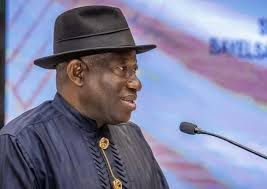
As Nigeria’s political class gradually shifts attention to the 2027 presidential election, no single figure has generated as much intrigue, uncertainty and quiet anxiety across party lines as former President Goodluck Jonathan.

Unlike many politicians already openly positioning themselves for the next contest, Jonathan has neither declared interest nor publicly ruled himself out.

Yet his name continues to dominate conversations within the opposition Peoples Democratic Party (PDP), particularly among factions determined to present him as a consensus candidate capable of challenging President Bola Tinubu.

The latest development came when the Kabiru Turaki-led faction of the PDP reportedly moved to adopt Jonathan as its presidential candidate, despite the former president neither attending the congress nor issuing any statement acknowledging the decision.

That silence has become the most powerful statement in Nigeria’s evolving political equation.

Only days ago, a Federal High Court in Abuja dismissed a suit seeking to bar Jonathan from participating in the 2027 presidential race and effectively affirmed that he remains constitutionally eligible to contest.

Ordinarily, such a judgment would have prompted a clear political response from the man at the centre of the controversy.

Instead, Jonathan has maintained the same studied silence that has characterised his public posture for months.
Political observers say that silence is precisely what has kept speculation alive.
Across Abuja, party offices and political gatherings, three dominant interpretations have emerged.

The first is that Jonathan may genuinely be considering a return but is carefully weighing the political terrain before making any commitment. Supporters of this view point to reports that consultations have intensified around him and that influential figures within the PDP and other political blocs see him as a unifying figure capable of attracting support across regional and religious divides.

The second interpretation is that Jonathan is deliberately allowing various groups to test public sentiment on his behalf. In Nigerian politics, prospective candidates often prefer to appear “drafted” into contests rather than openly ambitious.

By remaining silent while supporters campaign for him, Jonathan avoids the risks associated with an early declaration while benefiting from constant media attention and political momentum.

A third school of thought argues that the former president may ultimately have no intention of running at all.

According to this view, his reputation as an elder statesman, election observer and international diplomat may make a return to partisan politics less attractive than many assume. Such analysts note that Jonathan has repeatedly cultivated an image above everyday political battles since leaving office in 2015.

Yet even among sceptics, one question persists: if he has no interest whatsoever, why has he not publicly shut down the speculation?

That question continues to unsettle both allies and opponents.

Within sections of the PDP, Jonathan is increasingly viewed as one of the few personalities capable of helping the party overcome its lingering internal divisions. Having previously occupied the presidency and retained a relatively moderate national image after conceding defeat in 2015, he remains one of the party’s most recognisable political assets.

His supporters also argue that nostalgia may work in his favour. At a time of economic hardship, insecurity and growing public frustration, some Nigerians look back at the Jonathan years with greater sympathy than they did while he was in office. Political groups in several parts of the country have openly urged him to return, insisting that his experience and perceived temperament could help stabilise the country.

However, a Jonathan comeback would not be without obstacles.

Questions about zoning and power rotation remain potent in Nigerian politics. Although Jonathan comes from the South-South, critics may argue that another southern candidacy immediately after Tinubu would complicate demands from northern political interests seeking a return of power to their region.

There is also the challenge of political organisation. Winning a presidential election in contemporary Nigeria requires far more than name recognition. It demands a nationwide political structure, substantial resources, strategic alliances and a united party platform. The PDP itself remains divided, and Jonathan would have to navigate multiple competing interests before emerging as a broadly accepted candidate.

Furthermore, his opponents would likely revisit unresolved debates from his previous administration, including issues of security, corruption perceptions and governance challenges that contributed to his defeat in 2015.

Yet despite those hurdles, few analysts dismiss his electoral viability.

Unlike many aspirants whose popularity remains confined to particular regions, Jonathan retains a level of national familiarity that could prove valuable in a highly competitive race. His status as the first Nigerian president to concede defeat peacefully continues to earn him goodwill both locally and internationally.

For now, however, the greatest source of Jonathan’s political strength may be uncertainty itself. Everyday he refuses to speak, speculation grows.

Every endorsement issued in his name generates fresh debate. Every court ruling, party declaration or political consultation deepens the mystery surrounding his intentions.

Whether the former president is genuinely preparing for a return to Aso Rock or merely watching events unfold from a distance, one reality is becoming increasingly evident.

In the battle for 2027, Goodluck Jonathan is already shaping the conversation without officially entering the race.

And until he finally speaks, Nigeria’s political establishment will continue reading meaning into his silence.

Arsenal’s Long Wait For European Glory Continues As PSG Join UEFA Champions League History Makers

Arsenal’s quest to end decades of frustration on the European stage suffered another painful setback on Saturday night as Paris Saint-Germain retained the UEFA Champions League title, defeating the Gunners 4-3 on penalties after a 1-1 draw in Budapest.

The result extended Arsenal’s wait for a major European trophy, a drought that now stretches back more than three decades.

Mikel Arteta’s side looked set to make history when Kai Havertz fired them ahead in the sixth minute of the final at the Puskás Arena.

Arsenal, appearing in their first Champions League final since 2006, defended resolutely for much of the contest before Ousmane Dembélé equalised from the penalty spot midway through the second half after a foul on Khvicha Kvaratskhelia.

Neither side could find a winner in extra time, sending the final to a dramatic shootout.

The decisive moment came when Arsenal defender Gabriel Meghales blasted his penalty over the bar, handing PSG the advantage they needed to secure victory.

Luis Enrique’s men held their nerve from the spot to become only the second club in the modern Champions League era to successfully defend the trophy, cementing their status among Europe’s elite.

For Arsenal, the defeat adds another chapter to a long catalogue of European near-misses.

The North London club’s only major continental triumph remains the 1994 European Cup Winners’ Cup. Since then, they have lost the 2000 UEFA Cup final, the 2006 Champions League final, the 2019 Europa League final and now the 2026 Champions League final.

The loss was particularly cruel given Arsenal’s impressive European campaign. Arteta’s side reached the final unbeaten, boasting the competition’s strongest defensive record and raising hopes that this would finally be the season they conquered Europe.

Instead, PSG once again proved to be their stumbling block, having also eliminated the Gunners from the competition the previous season.

While Arsenal are left to reflect on another missed opportunity, PSG’s triumph highlights the remarkable transformation engineered by Luis Enrique. After years of disappointment despite lavish spending and superstar signings, the French champions have evolved into a disciplined, cohesive unit and now possess consecutive European crowns to show for it. What was once a club mocked for its continental failures has become the new benchmark in European football.

For Arsenal supporters, however, the wait goes on.

Another final has ended in heartbreak, another chance at European immortality has slipped away, and the search for the club’s first Champions League title—and first major European trophy since 1994—continues.

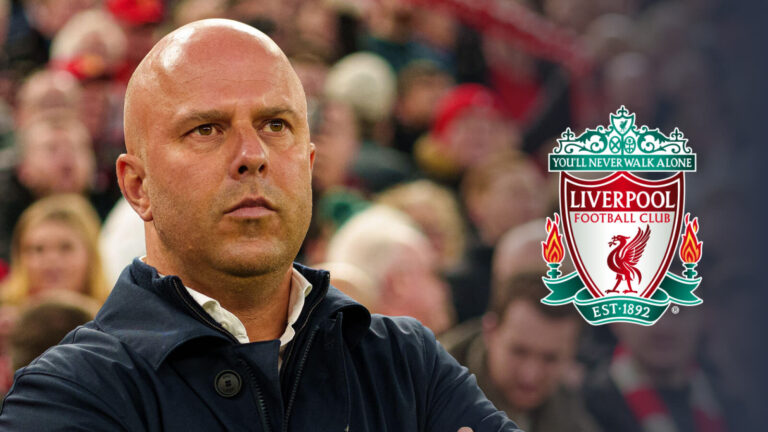
Liverpool Part Ways With Arne Slot As Club Seeks ‘New Direction’

Liverpool have announced the departure of head coach Arne Slot after two seasons in charge, bringing to an end a tenure that delivered the club’s historic 20th English league title but ultimately failed to convince the club’s hierarchy that he was the right man to lead its next phase.

The Dutchman leaves Anfield with immediate effect after guiding Liverpool to Premier League glory in his debut campaign and securing Champions League qualification in both seasons at the helm. His first year in charge was widely regarded as a remarkable success, earning him the League Managers Association Manager of the Year award while also leading the club to the Carabao Cup final and the Champions League knockout stages.

In a lengthy statement, Liverpool’s ownership paid tribute to Slot’s achievements, describing his contribution as “significant, meaningful and successful” and praising the leadership, professionalism and resilience he displayed throughout his tenure. The club acknowledged that dismissing a manager who had delivered a league title was an exceptionally difficult decision but insisted that a change was necessary to maintain the team’s long-term trajectory.

Liverpool said Slot would forever occupy a special place in the club’s history as the manager who secured its 20th league championship, a feat made even more impressive by achieving it in his first season. The club also highlighted the compassion he showed in helping the team navigate one of its most difficult periods following the death of forward Diogo Jota, describing his conduct during that time as a reflection of his character beyond football.

Despite those accomplishments, Liverpool’s owners said they had reached a collective conclusion that the club required a different approach moving forward. They stressed that the decision was not a reflection of Slot’s abilities or achievements but rather a strategic judgment about the direction needed to sustain progress and competitiveness at the highest level.

Slot departs Anfield with his reputation enhanced, having succeeded in the daunting task of following Jürgen Klopp and delivering immediate silverware. Liverpool have confirmed that the process of appointing a successor is already under way as the club prepares for a new chapter, while maintaining that the Dutchman and his family will always be welcomed back at Anfield.

Governors Weigh N100,000 Minimum Wage As Economic Hardship Deepens

0

State governors across Nigeria are considering a proposal to raise the national minimum wage to N100,000 as part of efforts to cushion the impact of rising inflation and worsening economic hardship on workers.

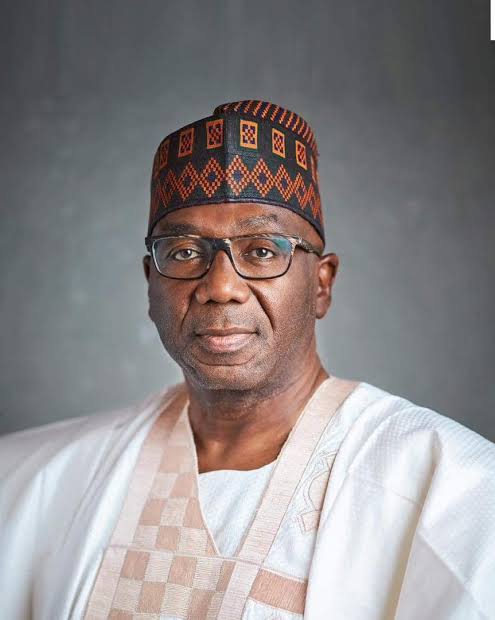
Chairman of the Nigeria Governors’ Forum (NGF) and Governor of Kwara State, AbdulRahman AbdulRazaq, disclosed the development on Saturday, saying discussions are ongoing between state governments, the Federal Government and organised labour to arrive at a wage structure that balances workers’ welfare with fiscal sustainability.

According to AbdulRazaq, governors acknowledge the urgent need to improve the living conditions of workers in response to the current economic realities, including soaring food prices, transportation costs and the increasing cost of basic necessities.

He explained that while workers deserve improved remuneration, policymakers must also consider the financial realities facing state governments to ensure they can continue to meet salary obligations and execute critical development projects.

“The goal is to improve the living conditions of workers while ensuring that states can continue to meet their obligations and sustain development projects that directly impact citizens,” he stated.

The proposed increase from the current statutory minimum wage of N70,000 is expected to further fuel national discussions on wages, inflation and broader economic reforms. Many Nigerian workers have repeatedly argued that existing salaries can no longer adequately meet household needs amid persistent economic pressures.

Although the national benchmark remains N70,000, some states, including Lagos, Rivers and Imo, are already paying above the approved minimum wage in a bid to support workers.

Meanwhile, the Nigeria Labour Congress (NLC) has continued to advocate for a comprehensive salary review, insisting that Nigerian workers deserve a living wage capable of meeting present-day economic demands rather than one that merely guarantees survival.

Appeal Court Affirms Sack Of Okocha-led Rivers APC Exco

The Court of Appeal sitting in Port Harcourt has affirmed the judgment of the Rivers State High Court which nullified the congresses that produced the Tony Okocha-led executive of the All Progressives Congress (APC) in Rivers State.

Justice Obomanu of the Rivers State High Court had on December 20, 2024, voided the APC congresses conducted in the state, ruling that the process which produced Tony Okocha and other executive members was invalid.

Dissatisfied with the judgment, Okocha and members of his executive approached the Court of Appeal in Suit No. CA/PH/523/2024 seeking to overturn the lower court’s decision.

However, in a ruling delivered on Friday, Justice Elfreida Oluwayemisi Williams-Dawodu of the Court of Appeal, Port Harcourt Division, upheld the judgment of the High Court, thereby affirming the nullification of the congresses.

The appellate court’s decision effectively sustains the sack of the Okocha-led executive and casts doubt on all actions, correspondences, representations and communications carried out on behalf of the APC in Rivers State by the dissolved executive between December 20, 2024 and the date of the ruling.

Fubara Reaffirms ‘Rivers First’ Vision, Lists Infrastructure, Health, Education Gains At Third Anniversary

Governor has reaffirmed his administration’s commitment to the “Rivers First” philosophy, declaring that the interest and wellbeing of the people have remained the driving force behind government policies and programmes in the last three years.

In a goodwill message marking the third anniversary of his administration, Fubara said his government deliberately prioritised projects and policies aimed at improving the living conditions of residents, expanding economic opportunities and strengthening critical sectors of the state economy.

According to the governor, the massive investment in road infrastructure across the state was designed not only to improve connectivity but also to stimulate economic growth by linking rural communities with urban centres and opening up new investment corridors.

He said the vision of transforming Rivers State into a major investment destination informed the execution of strategic projects, including the Port Harcourt Ring Road, Trans-Kalabari Highway, Elele/Umudioga/Egbeda/Ubimini/Ikiri/Omoku Road and the Ngo-Atlantic/Oyorokoto Road.

Fubara also stated that his administration had intensified efforts to strengthen the education and healthcare sectors while sustaining peace and security across the state.

Reflecting on the journey so far, the governor expressed gratitude to the people of Rivers State for entrusting him with the responsibility of leading the state, assuring them that public resources would continue to be deployed for the collective good.

“What we have achieved in three years is proof that when government and citizens pull in the same direction, progress is possible,” he said.

“As we mark this anniversary, I renew my commitment to you: to lead with transparency, listen more than I speak and ensure that every project, every policy and every naira spent reflects your interest.”

Fubara attributed the achievements recorded by his administration to the resilience, cooperation and enterprise of the people of the state, noting that governance can only succeed where citizens and government work together toward shared goals.

He, however, acknowledged that significant work still lies ahead and called on all segments of the society — including elders, youths, women, traders, teachers, farmers, artisans and professionals — to contribute actively to the continued development of the state.

The governor also used the occasion to congratulate Nigerians on the country’s 27 years of uninterrupted democratic governance, describing it as the longest stretch of civil rule since independence.

According to him, the milestone demonstrates that despite political and ethnic differences, Nigerians can continue to coexist and collectively advance the unity and progress of the country.

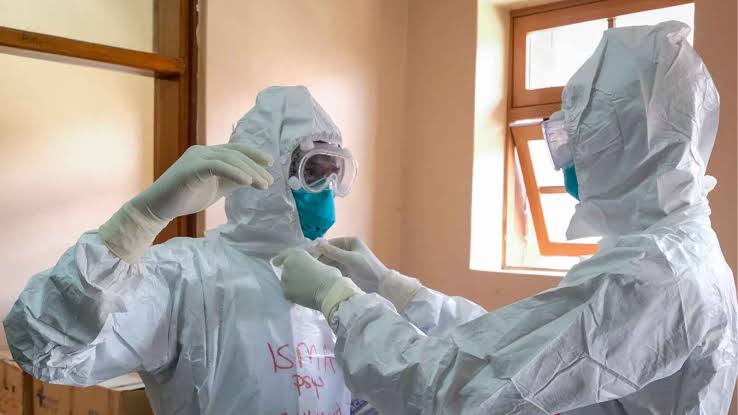
Ebola Alert: Rivers Among High-Risk States As FG Activates Emergency Surveillance

The Federal Government has placed Rivers State and nine other high-risk locations across the country on heightened Ebola surveillance following the outbreak of the deadly Bundibugyo strain of the virus in parts of East and Central Africa.

In a fresh public health advisory issued by the (NCDC), Rivers was listed among states considered particularly vulnerable because of intense human movement, international travel links, seaport activities and cross-border connectivity.

Other areas placed on alert include Lagos, the Federal Capital Territory (FCT), Kano, Enugu, Borno, Akwa Ibom, Cross River, Taraba and Adamawa.

The NCDC warned that although Nigeria has not recorded any confirmed Ebola case, the country faces a significant risk of importing the virus due to increasing transmission across parts of Africa and the movement of travellers through regional corridors.

Of particular concern to health authorities is the fact that the current outbreak involves the Bundibugyo strain of Ebola virus, for which there is presently no approved vaccine or targeted treatment.

“The immediate objective of our national preparedness and readiness efforts is to ensure that every state and the FCT can reasonably detect, contain and respond swiftly to any suspected case while protecting health workers and sustaining essential health services,” the agency stated.

The agency disclosed that Uganda and the Democratic Republic of Congo had already recorded more than 1,000 suspected infections and hundreds of deaths linked to the outbreak, with a fatality rate estimated at 24.6 per cent.

The latest alert has placed renewed focus on Rivers State because of its strategic economic position, active maritime operations and constant inflow of travellers through oil and commercial activities.

Public health experts warned that states with major transport and commercial networks remain more exposed to infectious disease importation if surveillance systems are not aggressively strengthened.

The NCDC cautioned healthcare workers against relying solely on bleeding as an indicator of Ebola infection, noting that early symptoms could resemble malaria, Lassa fever and other common illnesses.

“Health workers must not wait for bleeding before suspecting Ebola in any patient with compatible symptoms and relevant travel or exposure history,” the advisory added.

As part of emergency preparedness measures, the agency said the National Emergency Operations Centre had already been activated in alert mode to coordinate nationwide surveillance and rapid response activities.

State governments, including Rivers, were directed to strengthen disease surveillance at airports, seaports and border points, designate isolation facilities, equip frontline medical personnel with protective gear and intensify public sensitisation campaigns to prevent panic and misinformation.

The development has revived memories of Nigeria’s successful containment of the Ebola outbreak in 2014 after infected Liberian-American traveller, , arrived in Lagos and exposed several persons before emergency containment measures were activated.

At the time, health authorities feared that Nigeria’s densely populated commercial centres, including Rivers State’s oil and maritime corridor, could become vulnerable transmission zones. However, aggressive contact tracing, isolation protocols and coordinated emergency response helped prevent a nationwide crisis.

The later described Nigeria’s response as one of Africa’s most successful Ebola containment efforts.

Health officials are now urging residents of Rivers State and other high-risk locations to remain calm, avoid misinformation, maintain proper hygiene practices and promptly report suspected symptoms as surveillance measures intensify nationwide.

Legal Storm Trails Chinda’s APC Ticket As Groups Clash Over Validity Of PDP Defection

A fresh legal battle has erupted over the governorship ambition of , with opposing groups sharply divided on whether the Rivers lawmaker validly defected from the (PDP) before securing the governorship ticket of the (APC).

At the heart of the dispute is a constitutional question: whether Chinda lawfully exited the PDP in line with legislative procedure before participating in the APC governorship primary held on May 21, 2026.

The Incorporated Trustees of the Association of Legislative Drafting and Advocacy Practitioners, which has instituted a suit before a Federal High Court in Abuja, contends that there is no evidence that the House of Representatives formally acknowledged Chinda’s defection as required by parliamentary convention and constitutional practice.

The group is specifically demanding that the Speaker of the House of Representatives, , produce the official records of plenary proceedings showing that a letter announcing Chinda’s defection to the APC and resignation as Minority Leader was read on the floor of the Green Chamber.

According to the plaintiffs, the absence of such a record raises serious constitutional issues under Section 68(1)(g) of the 1999 Constitution, which regulates the defection of lawmakers from the political parties under which they were elected.

The plaintiffs argued that without formal notification to the House, Chinda’s political transition remains legally questionable, making his participation in the APC primary susceptible to judicial scrutiny.

The suit is also seeking an order restraining the (INEC) from recognising Chinda as the APC governorship candidate for the 2027 election.

But in a direct rebuttal, the Centre for Constitutional Governance and Electoral Integrity (CCGEI) dismissed the claims as speculative and politically motivated, insisting that Chinda had effectively severed ties with the PDP long before participating in the APC governorship process.

The group maintained that the real legal test should not merely be whether a letter was publicly read on the floor of the House, but whether Chinda continued to function politically or administratively as a PDP lawmaker after his alleged resignation from the party.

In a statement signed by its Executive Director, Ibrahim Danjuma, CCGEI challenged critics to provide any evidence that Chinda attended PDP meetings, represented the party in any official capacity, or acted as Minority Leader after April 2, 2026.

According to the group, Chinda had since withdrawn from all PDP leadership activities and no longer functioned within the party structure before contesting the APC governorship primary.

CCGEI further argued that democratic rights, including freedom of political association, cannot be invalidated on the basis of procedural arguments unsupported by proof of continued allegiance to the PDP.

The organisation described the suit as “a fishing expedition dressed up as constitutional litigation,” insisting that the APC governorship primary was validly conducted and had already produced a lawful candidate.

The disagreement between both sides now turns on two competing legal interpretations — whether legislative defection is completed only after formal parliamentary acknowledgment during plenary, or whether a lawmaker’s practical withdrawal from party activities is sufficient evidence of political realignment.

The case is expected to test the constitutional boundaries of party defection, legislative procedure and candidate eligibility ahead of the 2027 governorship election in Rivers State.