

Home Blog Page 162

Why FG Imposed $200m Fine on Meta – NDPC

0

The Federal Government says that the investigation into the operations of tech giant, Meta was to ensure that it operated within the within the ambits of the nation’s laws.

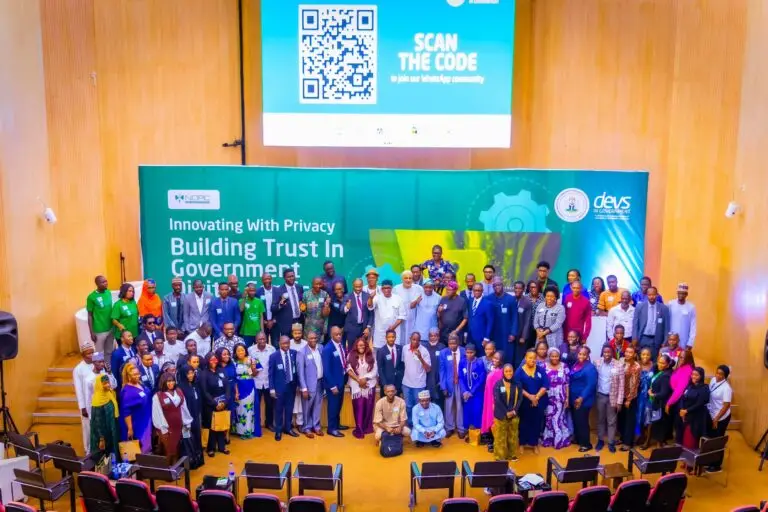
The National Commissioner, Nigeria Data Protection Commission (NDPC), Dr Vincent Olatunji, said this in Abuja on Friday at Training for DevsInGovernment which had as its them: “Innovating with Privacy: Building Trust in Government Digital Services.”

The U.S,-based company are the operators of social media platforms such as Facebook, Instagram, WhatsApp, Messenger and Threads.

IT would be recalled that the government through the Federal Competition and Consumer Protection Commission (FCCPC) recently imposed a $220 million fine on Meta for data breaches.

“We are not necessarily being punitive. However, any institution that fails to cooperate or comply with our laws will be sanctioned,” Olatunji said.

The initiative is meant to equip workers of Ministries, Departments and Agencies (MDAs) of government with digital knowledge and skills.

Olatunji said the probe of Meta Platforms Inc. required multi-agency approach to ensure a thorough and detailed investigation with appropriate mechanisms to resolve the issues.

“We are concerned about the ways and manners in which data of citizens are collected and managed in Nigeria and outside Nigeria.

“In so doing, we also consider the economic values for the citizens and the country and we want the global best standards and practices to be entrenched here.

“We are not necessarily being punitive. However, any institution that fails to cooperate or comply with our laws will be sanctioned,” he said.

He said given the sensitive nature of data in governance and businesses, the federal government would do everything legally necessary to sanitise the area.

“The future of government is digital, but the success of digital governance will depend on one thing above all. Trust and privacy is the foundation of that trust.

“Deploying trusted digital services is not a task for government alone it requires all of us across public and private sectors, civil societies and citizens working together.

“Together we can build a citizen-centric, innovative digital nation that others will look to as a model of trust and progress,” he said.
WHO To Recruit Candidates For Technical Advisory Group On Maternal Mortality, Cause Of Death Estimation

0

The World Health Organization (WHO) is seeking to engage experts to serve as members of the Technical Advisory Group on Maternal Mortality and Maternal Cause of Death Estimation.

The Technical Advisory Group on Maternal Mortality and Maternal Cause of Death Estimation (the “TAG”) acts as an advisory body to WHO in the field of maternal mortality measurement and maternal cause of death measurement. The TAG provides guidance in relation to on-going methodological improvements and strategies for reporting and enhancing country level reporting.

The TAG on Maternal Mortality and Maternal Cause of Death Estimation will be multidisciplinary, with members who have a range of technical knowledge, skills and experience relevant to maternal mortality and morbidity measurement.

WHO expects expressions of interest from expert scientists, healthcare professionals, health management information systems and data specialists with expertise in the following areas epidemiology, biostatistics, data science, modelling of health estimates; maternal health, obstetrics and gynecology, midwifery, reproductive health.

Other areas include, monitoring and measurement within health systems; and censuses, civil registration and vital statistics, health and demographic surveillance systems, maternal death review, verbal autopsy, other surveillance systems, as relates to mortality and cause of death data.

In its capacity as an advisory body to WHO, the TAG has the following functions, to provide independent evaluation of the scientific, technical and strategic aspects relating to maternal mortality and maternal cause of death measurement and estimation methods;

The TAG will recommend priorities relating to the development of a research agenda to address maternal mortality measurement challenges required for global monitoring purposes;

It will also advise on linkages with related advisory groups, including those working on the measurement and estimation of perinatal, neonatal, and infant mortality.

Furthermore, the TAGwill advise on strategies to promote linkages to broader strategies to strengthen national statistics systems as relates to maternal mortality measurement, including civil registration and vital statistics, standardized coding and classification according to the rules of the International Classification of Diseases (ICD) framework; and to advise on strategies in relation to the effective dissemination and use of the maternal mortality estimates and related products.

The TAG shall normally be expected meet at least once per year, either in-person or virtually at WHO Headquarters in Geneva, Switzerland, usually for 2-3 days each time. Meetings may be convened in other locations if determined by WHO. Additional meetings and/or interim teleconferences may be required of members where input is requested on specific issues.

Active participation is expected from all TAG members, including in working subgroups, teleconferences and interaction via e-mail. TAG members may be requested to review meeting documentation in advance of TAG meetings.

The working language of the TAG will be English

Applicants who wish to be considered for the TAG on Maternal Mortality and Maternal Cause of Death Estimation, are requested to submit the following documents, a cover letter, indicating motivation to apply and how expertise meets the criteria earlier stated.

Applicants are also to submit curriculum vitae; one example of a work product or report in the relevant area; and a signed and completed Declaration of Interests (DOI) form for WHO Experts (available for download).

Applications are to be forwarded to maternalestimates@who.int using the subject line “Expression of interest for the TAG on Maternal Mortality and Maternal Cause of Death Estimation”: Applicants are advised not to use the letterhead or other identification of there employers.The deadline for submission of applications is October 15, 2025.

All expression of interests will be reviewed by WHO, and due to an expected high volume of interest, only selected individuals will be contacted.

Background
WHO is the leading agency of the United Nations (UN) Maternal Mortality Estimation Inter-Agency Group (MMEIG), a UN initiative comprising WHO, UNICEF, UNFPA, the World Bank Group and the UNDESA/Population Division. The MMEIG has the function to update the inter-agency estimates of maternal mortality. The MMEIG contributes to monitoring progress towards the achievement of Sustainable Development Goal 3 – “Ensure healthy lives and promote well-being for all at all ages” by producing estimates of the maternal mortality ratio (MMR) (target 3.1.1)

RSG Commends Lulu-Briggs, Wordu Foundations For Partnership

0

The Rivers State Government has expressed the importance of partnership in the quest to give succour to those in need.

Rivers State Governor, Sir Siminalayi Fubara expressed this while speaking at the 44th Free Medical Mission organized by the O.B Lulu Briggs Foundation in Partnership with Dr. Henry Wordu Foundation at the Primary Health Centre Aluu, on Wednesday 24th September 2025.

Represented by his Deputy Prof. Ngozi Nma Odu, Governor Fubara commended the two Foundations for organizing Free Medical Missions which according to him is capital intensive especially when there are surgeries to be performed.

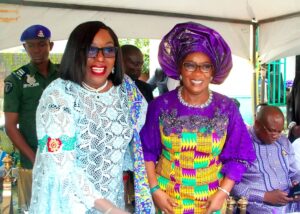
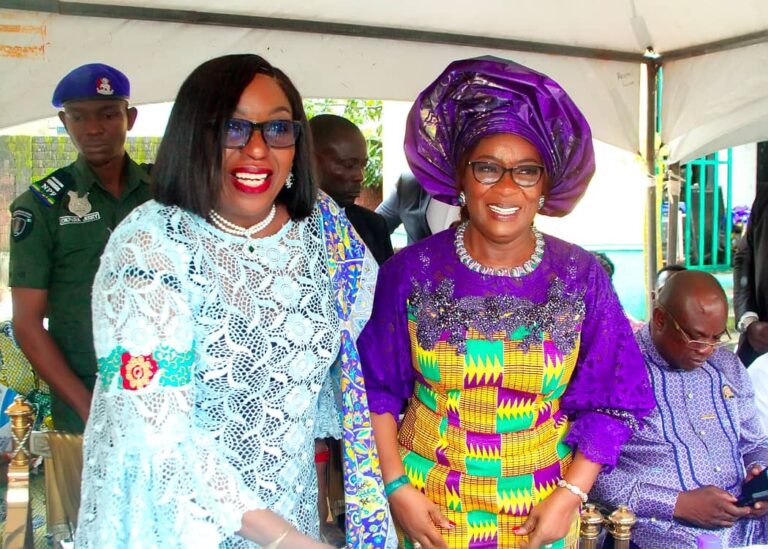
Rivers State Deputy Governor, Prof. (Mrs.) Ngozi Nma Odu (Left), exchanging pleasantries with the Chairman, O. B. Lulu-Briggs Foundation, Dr. Seinye Lulu-Briggs (Right), during the Official Opening Ceremony of the 44th Free Medical Mission at the Aluu Primary Health Centre, Ikwerre Local Government Area on the 24th Sept. 2025.

Governor Fubara noted that it has been decades since O.B Lulu Briggs Foundation started and instead of dropping they have been increasing from attending to hundreds of patients to thousands.

The State Chief Executive who disclosed that whatever anybody does that has direct impact on humanity is really transformational and thanked Dr. Henry Wordu for his partnership with the Lulu Briggs Foundation.

In her remarks, Dr (Mrs) Seinye O B Lulu- Briggs, Chairman, O B Lulu-Briggs Foundation, said good health remains one of God’s greatest blessings, adding that she is delighted to extend a hand of fellowship to many especially the underserved.

She said for over 20 years the O B Lulu Briggs Foundation has chosen to stand in the gap through it’s Free Medical Missions which has brought healing, dignity and hope to those who have otherwise forgotten.

Also Speaking, the Chairman of the Dr. Henry Wordu Foundation, Dr. Henry Wordu said the outreach is very significant because it has been consisted, noting that over 1,572 patients has been attended to in the past two days.

On his part, Chairman of the Rivers State Primary Healthcare Management Board, Dr. Dawari George expressed delight that the outreach is in consonance with the policy of the Primary Healthcare Management Board, while calling for greater information


Environment Minister Lauds NDDC For Sustainable Development In Niger Delta … As EIA on Projects In Four LGAs in Rivers Holds In PH

0

The Minister of Environment, Mallam Balarabe Abbas Lawal, has commended the Niger Delta Development Commission, NDDC, for its significant strides in delivering basic infrastructure across the Niger Delta region.

The Minister, who spoke during a stakeholders’ engagement forum on Environmental Impact Assessment, EIA, in Port Harcourt, for proposed road projects in Rivers State, lauded the NDDC’s commitment to sustainable development and its efforts towards addressing the long-standing infrastructural gaps in Niger Delta communities.

The forum, held in collaboration with the Federal Ministry of Environment and the Rivers State Ministry of Environment, focused on three critical projects: The construction of a 4 km Bonny Internal Road in Degema and Bonny Local Government Areas; the construction of Luebe-Agbani -Lueku Road in Khana LGA; and the construction of 6 km Egelebia Road, Phase 2, in George-Ama, Okrika LGA.

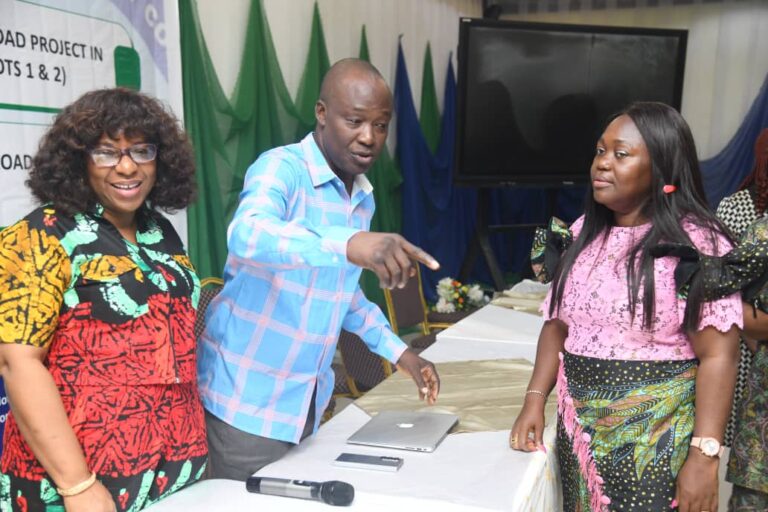
Environmental & Chemical Engineer, Federal Ministry of Environment, Engr. Manji Silas, (Middle), chatting with the NDDC, Deputy Director for Environment Protection and Control, Dr. Eno Ukpe, (right), during the Environmental Impact Assessment forum, held in Port Harcourt. On the left is the Controller, Federal Ministry of Environment, Rivers State, Mrs. Oto-Obong Umoh.

The Minister, represented by an Environmental and Chemical Engineer in the Ministry of Environment, Engr. Manji Justine extolled the NDDC for subjecting the proposed projects to the provisions of the Environmental Impact Assessment Act before commencement.

He said, “We are not here to stop the project but to ensure it aligns with environmental laws to protect the future and guarantee sustainability. Once approval is granted, the Ministry, along with the state government and affected communities, will monitor the projects through baseline data collection and post-construction site assessments.”

He highlighted the importance of incorporating proper drainage systems to mitigate flooding and stressed the need for covered drainage channels in residential areas to prevent waste dumping and blockages.

According to him, “The NDDC has taken a bold and commendable step by addressing road infrastructure gaps that have long affected these communities. Every identified impact in the EIA process must have a mitigation strategy.”

The NDDC Director II, Environmental Protection and Control, Engr. Aniefiok Iniokut said the forum aimed to provide a platform for engagement between the Commission, the Ministry, and the affected communities before project commencement.

“It’s only through such engagements that we can understand the full social and environmental implications of these projects. The feedback so far shows overwhelming community support and a clear understanding of the project’s benefits,” he said.

He noted that the forum confirmed no objections from the communities and that the positive impacts significantly outweigh the negatives. He assured stakeholders that the NDDC would ensure the successful completion of the projects.

Head of the Dokube Royal House in Okrika, Chief Godknows Tam-George, expressed appreciation to the NDDC and its Managing Director, Dr. Samuel Ogbuku, for initiating the projects.

“For years, Egedeme lacked basic infrastructure. Within a short period under the current NDDC leadership, we’ve received a 2km road, a 6km road, and a water project. These are life-changing developments,” he said.

In his speech, the Paramount Ruler of Baa-Lueku, Chief Samson Barilugbene Obrien, praised the project’s potential to enhance economic opportunities.

“This road will bridge the gap between our community and others. It will open up access for trade, ease transportation, and serve as a vital link to Akwa Ibom via Aba,” he noted.

In her remarks, the NDDC Deputy Director, Environmental Protection and Control, Dr. Mrs. Ukpe Eno, underscored the importance of stakeholder engagement in driving sustainable development.

Nigeria, UK Pledge To Deepen Cooperation In Defence, Economy, Others

0
Nigeria and the UK have pledged to deepen cooperation on several fronts, including defence, trade, migration, and cyber security.
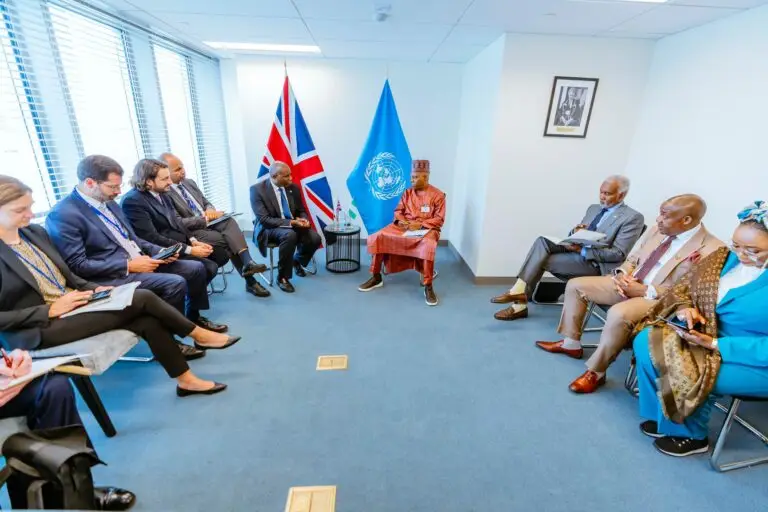
Speaking at a bilateral meeting in New York between Vice President Kashim Shettima and the Deputy Prime Minister of the UK, David Lammy, the two leaders pledged to strengthen existing bilateral relationship.
Similarly, Vice-President Shettima attended the Global Leadership Council Meeting, assuring that Nigeria is poised to leverage opportunities in the digital space to engage youths and empower women and girls.
The meeting, which held at the UNICEF Headquarters, , brought together Heads of State,  heads of UN agencies, civil society champions, and young people to analyse how to co-create and deliver innovative solutions on a global scale.
“Be assured that we are poised to take opportunities in the digital space to engage our youth and, most importantly, to empower our women because they are the backbone of our society,” Shettima said.
He added that inclusivity, which is very crucial, is one of the backbones of President Bola  Tinubu-led administration, exemplified by young people occupying key positions in Nigeria’s government.

NGOs Walk To Promote Sustainable Peace In Katsina

0

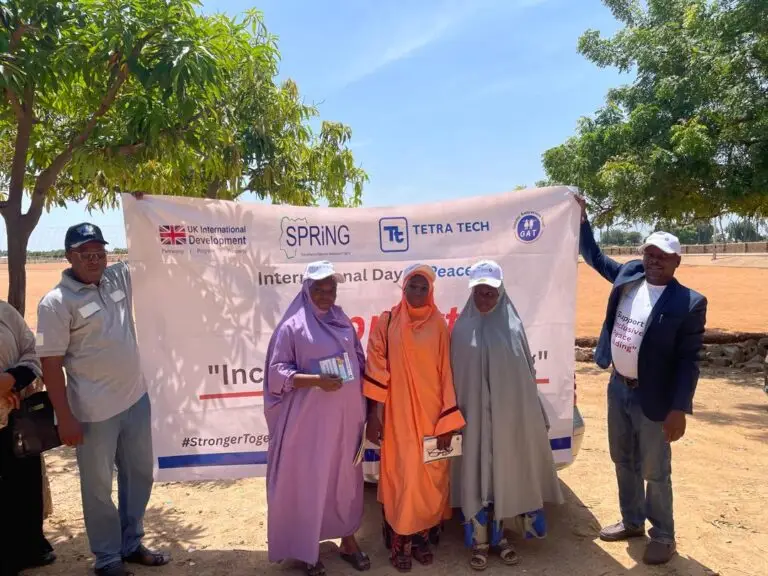
Members of the Gender Awareness Trust (GAT), in partnership with FCDO and Tetra Tech, have staged a walk in Katsina metropolis to commemorate the 2025 International Peace Day (IPD).

Speaking shortly after the walk on Thursday in Katsina, the Executive Director of GAT, Dr Lydia Umar, said that the aim was to create public awareness towards promoting a sustainable peace.

Represented by Mr Mohammed Maifada, the Katsina State Mobilisation Consultant, Umar said that the commemoration has ‘Act Now for a Peaceful World’, as its global theme.

According to her, the day reminds them that peace cannot wait and that the time for action is today, saying, “the theme is not just a call, but an urgent reminder of their responsibility.”

She added that their collective effort showed that peace was not a distant dream, adding, ” neither is it the responsibility of governments alone, but it is a collective action.

“It requires that each one of us, from policymakers to community leaders, from women and youth to every citizen, take deliberate steps to foster understanding, tolerance, and justice without which peace cannot thrive.

“At GAT, we are complementing this with our SPRiNG project theme, ‘Support Inclusive Peace Building’

“For us, this means recognising that true peace cannot be achieved when voices are silenced, when women, young people, and marginalised groups are left behind,” she said.

According to Umar, that inclusivity is not optional, saying, “it is the foundation of sustainable peace which their walk is symbolic, and each step is a pledge that they will not remain silent in the face of violence, division, and inequality.

“Each step is a call for justice, equity and unity. Indeed, peace for women is peace for families, peace for communities, and peace for generations to come.

“At GAT, our commitment is to empower communities to transform conflict into cooperation,” the executive director stated.

She expressed the belief that by addressing the root causes, such as inequality, marginalisation, and mistrust, they can build the foundations for sustainable peace.

Umar said, “But we recognised that no single sector of society can do this alone and in isolation.

“The need for strong partnerships with government, relevant ministries, and with other stakeholders who share in the vision of a safe and inclusive society cannot be over emphasised.

“GAT wishes to emphasise the fact that peace is not only the absence of violence, it is the presence of dignity, opportunity, and well-being for all, especially the vulnerable, women, persons with disability, children, and other marginalised groups.”

Minister Seeks Sustainable Financing For Blue Economy

0

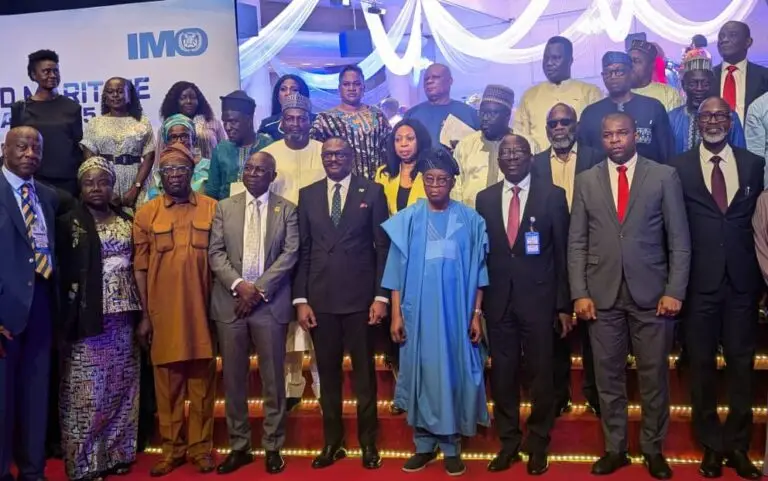
The Minister of Marine and Blue Economy, Mr Adegboyega Oyetola, has called for sustainable financing and stronger partnerships to drive Nigeria’s growing blue economy agenda.


Oyetola said interventions in marine infrastructure boosted non-oil exports by 18.6 per cent in the first half of 2025, underscoring the sector’s transformative potential.


He made this known at the 3rd Stakeholders’ Forum held in Lagos yesterday, with the theme: ‘From Policies to Impact: Financing Issues.’


The Minister hailed the Federal Executive Council’s approval of Nigeria’s first National Policy on Marine and Blue Economy in May as a milestone for national growth.


He stressed that implementing the policy required collective effort and significant investment to modernise ports, expand aquaculture, strengthen maritime security, and build resilient coastal infrastructure.


“Finance is the catalyst that transforms policy into progress,” Oyetola said, urging investors, development partners, and global financiers to align with Nigeria’s blue economy vision.


Priority areas include sustaining Nigeria’s zero-incident piracy record in the Gulf of Guinea, scaling up fisheries, and unlocking opportunities in marine tourism and coastal infrastructure projects.


Oyetola highlighted recent achievements, including Nigeria’s three-year zero piracy record, made possible through the Deep Blue Project and ongoing rehabilitation of Lagos ports.


He said marine research, renewable energy, and environmental resilience should also be funded through innovative instruments such as blue bonds and sustainability-linked loans.


The Permanent Secretary, Mr Olufemi Oloruntola, added that deliberate public investment and stronger institutions were critical to driving growth in the blue economy sector.


Earlier, Hajia Ralthum Ibrahim, Director of Planning, Research and Statistics, described the forum as a timely platform to deepen dialogue and mobilise resources for implementation.


She said the ministry had developed a template to track initiatives, ensuring accountability across ports, aquaculture, fisheries, and marine tourism.


Ibrahim emphasised that finance remains the lifeblood of impact, adding that innovative models and private sector partnerships were being pursued to unlock opportunities.


A former Interior Minister, Emmanuel Iheanacho, commended the ministry’s efforts, stressing that unlocking the blue economy’s potential promises prosperity and sustainable development for future generations.


The forum gathered government officials, industry stakeholders, civil society, academia, and community representatives, all committed to sustaining Nigeria’s maritime potential.

NSCDC Seeks Collaboration To Protect Critical National Assets In Ogun

0

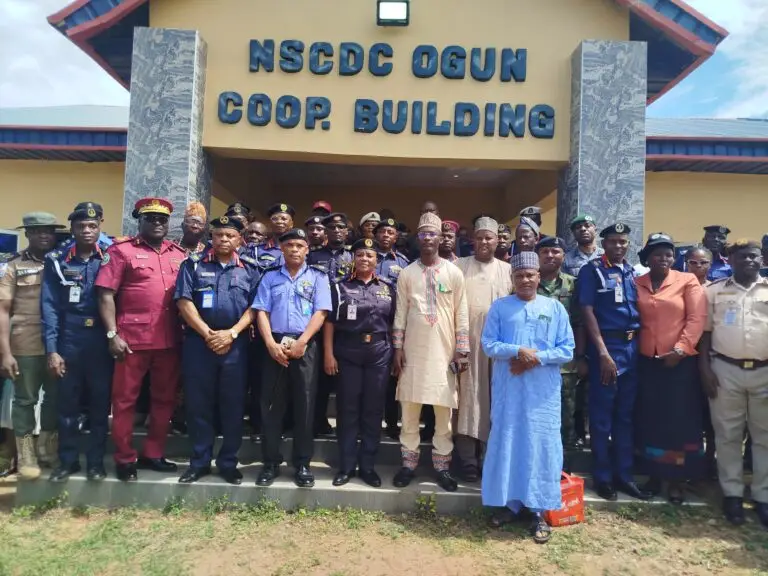
The Nigeria Security and Civil Defence Corps (NSCDC), Ogun Command has called for stronger collaboration among security agencies, infrastructure operators, and communities to safeguard critical national assets in the state.

The Commandant, Mrs Remilekun  Ekundayo made the call on Thursday in Abeokuta at a one-day stakeholders meeting, organised by the command.

The theme: “Protecting Critical National Assets and Infrastructure(CNAI) through effective cooperation, collaboration and coordination.”

Ekundayo emphasised the need to collectively safeguard key infrastructures and facilities that are vital to the nation’s economic stability, public health, and national security.
She listed such facilities to include power transmission lines, oil and gas pipelines, rail networks, communication facilities, industrial complexes, and the Gateway International Airport, among others

She noted that Office of the National Security Adviser (ONSA) had designated the NSCDC as the lead agency for CNAI protection with the mandate to monitor threats, conduct risk assessments, coordinate responses, and prosecute offenders.

“Protecting CNAI is a shared responsibility.

”The Corps is fully committed to this mandate, but we need the support and collaboration of all stakeholders to ensure effective protection,” Ekundayo said.

She identified vandalism, theft, sabotage, insider betrayal, cyber-attacks, and natural disasters as major threats to CNAI in Ogun state.

She highlighted challenges like inadequate logistics, poor inter-agency coordination, and delayed information sharing, recommending regular review meetings and timely infraction reporting to enhance CNAI protection.

She however, proposed strategies for effective CNAI protection, including enhanced surveillance, intelligence sharing, joint task force operations, and a state-level CNAI Security Task Team.

She called on residents to view asset protection as a shared responsibility, not just a task for security agencies.

Former Police Commissioner in Ogun, CP Edward Ajogun noted that the protection of national assets in Nigeria requires inter-agency cooperation among security agencies through information sharing, joint patrols, and joint operations.
According to him, no single security agency can bear the responsibility alone but called for clearer legal definitions of roles to avoid overlaps and rivalry between security agencies.
“In protecting national infrastructure, all hands must be on deck. It is an inter-agency matter that requires information sharing, joint patrols, and cooperative operations,” he said
The Special Adviser to the Governor on Security, AIG Olusola Subair emphasised that security is now a collective responsibility, requiring joint efforts beyond government alone.
Subair who was represented by the Senior Special Assistant to the governor on Inter Ethnics Affairs, Mr Hadi Sanni, noted that the traditional reliance on security agencies alone is not sustainable due to limited manpower and growing population.
He emphasised that there must be collaboration among government, security agencies, stakeholders, and communities.
“Everyone must play their role, communities, youth, CDAs, traditional rulers, and security agencies alike. Citizens should actively contribute by protecting local assets, engaging in community vigilance, and reporting issues.
”You should be the chief security officer of your home and community. If you see something, say something. The transformer in your area is your first responsibility before the government takes it up
“Also workshops and sensitisation are needed to build awareness, especially among the youth, since many global challenges begin at the grassroots,” he said.

The event had in attendance, top government functionaries, traditional rulers, community development associations, youth representatives, and security agencies.

NGO Backs Funding Access For Women With Disabilities

0

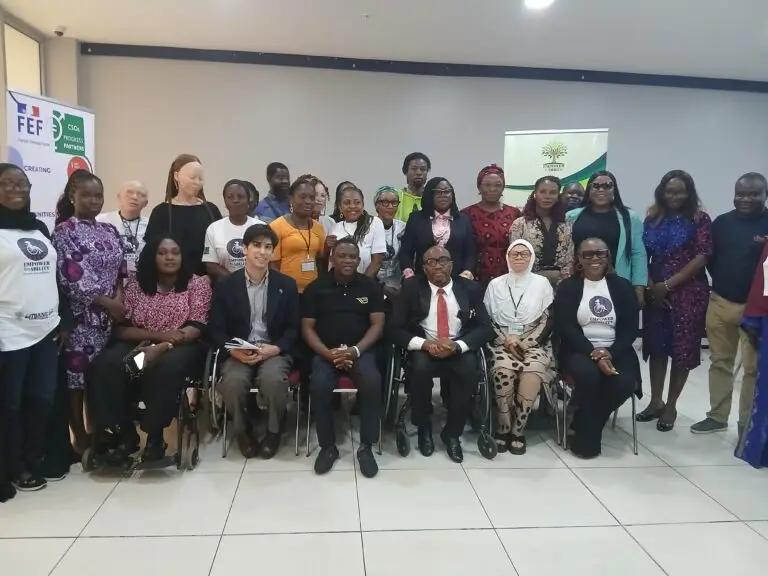
The Empower to Thrive Development Initiative (ETTDI) in Abuja, yesterday held a policy dialogue on disability-inclusive economic empowerment to improve access for women with disabilities.

ETTDI Executive Director, Dr Ima Chima, said the dialogue was aimed at bridging the gap between policy and practice to make frameworks practical tools that open doors.

Chima said the event was aimed at generating a clear policy recommendation to advance disability inclusive finance, skills training and entrepreneurship support backed by commitments from government and private actors.

He said the participants would examine the barriers faced by women with disabilities and explore opportunities offered by financial inclusion strategies, MSMEs policies and training institutions aimed at guiding appropriate actions.

According to him, for Nigeria to unlock the full potential of its economy and achieve the Sustainable Development Goals (SDGs), women with disabilities must be empowered to participate fully in economic activities.

“Inclusion is not charity. It is smart economics, social justice and a national imperative,” he said.

On her part, Dr Olusola Adeoye, the Programmes  Manager Empower Her Ability Project , said that the project was  aimed  at fostering entrepreneurship and self-reliance among women with disabilities in Nigeria, thereby enabling them to overcome socio-economic barriers and achieve economic independence.

Adeoye said it would enhance the capacity of 25 young women (18 to 40 years) through training in entrepreneurship, financial management and business planning within six months.

She said that they would be mentored by experts, including women with disabilities excelling in business both locally and internationally, noting that they had recently concluded a two-month online programme.

She added that the programme was  aimed  at  facilitating  access to markets for the beneficiaries and link them to finance and business support networks.

In his remarks, Mohammed Isa, Senior Special Assistant to President Bola Tinubu on Special Needs and Equal Opportunities, described the dialogue as timely for charting concerted actions for the wellbeing of women.

He said that by  creating a platform for collaboration, sharing insights, and charting actionable pathways, the organisation had provided the opportunity to seek concrete solutions aimed at improving the lives of women with disabilities across Nigeria.

He was represented by his Director of Media and Communications, Lanre Oloyede.

Isa said that women with disabilities in Nigeria faced multiple and intersecting challenges, including barriers to credit, loans and financial services due to stereotypes and structural inequalities.

He added that they were also excluded from mainstream entrepreneurship programmes and government interventions, including  difficulties in accessing infrastructure and  devices that could enable them to participate fully in economic activities.

He noted that with the right policies, targeted interventions and inclusive partnerships, the narrative can be changed through some actionable solutions.

On her part, Esther Bature, Country Advocacy Coordinator for Sightsavers Foundation International, expressed concern that financial institutions do not have desk officers to handle enquiries for People With Disabilities.

Bature said the situation often made consultations less private due to the involvement of third parties, which could discourage women from seeking microcredit facilities.

The end of the programme, organisations made commitments to share knowledge and experiences and to conduct periodic reviews.

This is aimed at enhancing  their businesses while supporting them in advocating for improved opportunities and welfare.

The Project is funded by the French Embassy in Nigeria in partnership with local disability and women organisations.

Nigeria Needs Uninterrupted Power For Digital Transformation – Leo Stan Ekeh

0

Dr Leo Stan Ekeh, Founder & Chairman, Zinox Technologies, says Nigeria needs uninterrupted power to achieve digital transformation.

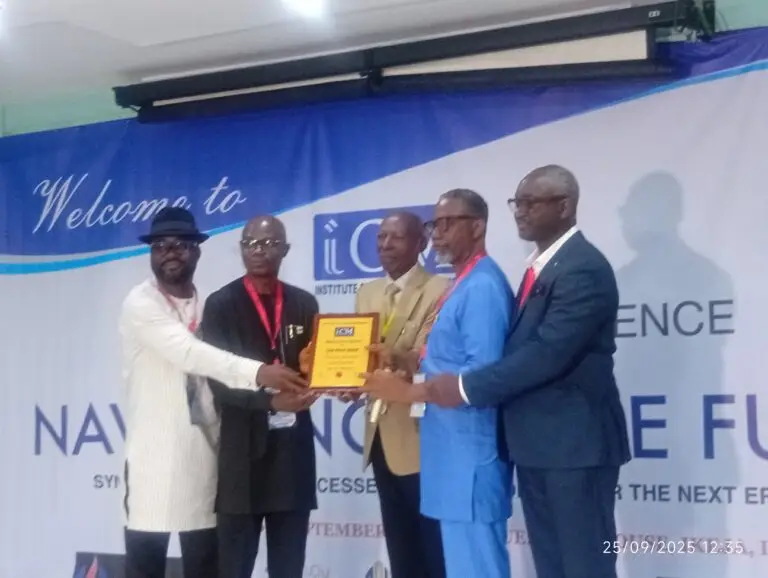
Ekeh made this remark at the Institute of Change Management (ICM) annual conference held on Thursday at NECA House, Ikeja, Lagos.

The theme of the conference is: ‘Navigating To The Future: Synchronising People, Processes And Technology For The Next Era of Change’.

Ekeh was represented by Mr Chris Uwaje, the pioneer, National I.T Policy of Nigeria.

He noted that digital transformation required abundant and uninterruptible energy, which remained germane for working infrastructure, production and supply.

“We cannot wish change without prioritising and building abundant energy resource. Power-supply is the backbone of the future of digital-transformation.

“After all, Africans as the origin of humanity discovered the source of the energy we use today by striking two stones together to fire their destiny.

“Currently, the world is experiencing a multi-dimensional change – an overwhelming challenge presented by AI and exponentially supercharged at the speed of Quantum-computing.Suddenly, the AI revolution is upon us,.

” Whereas AI was first registered into human consciousness in 1956, at the Conference in Dartmond, USA., 69 years ago, but with the audacity to navigate and master change, those challenges can be turned into immense competitive opportunities and benefits at the speed of Data Sovereignty and innovative resource production and Control.

“With the advent of AI, it is instructive to state that the next 25 years may not be kind to many families, corporate business, leadership and governance structures. And indeed, may rewrite the history of our collective existence especially in Africa,” he said

According to him, the audacity of a well-crafted change mantra drives and delivers a clear vision, pillared on Innovative living space, creative education leveraging state-of-the art technologies, best-practice business models and strategic implementation processes that are resilient.

The computer mogul said that changes must be designed to function with the abilities to disrupt existing state of things and leave memorable impacts as a signpost of historical reference.

He noted that the audacity to sustain change must have the ability to respond to all human conditions by building a merit-first society/workforce of well-trusted energetic and resilient human resources – who must also be satisfactorily remunerated.

“We can collectively build a sustainable future together by amplifying positive actionable thinking and damage control.”

According to him, every citizen is a change agent, pointing out that we must factor and encourage experimentation as part of continuous learning process.

He charged African leaders on inspiring, motivating, and empowering their workforce and networks to achieve exceptional results.

“Change begins with leadership by fostering a deterministic culture of humility, empathy trustworthiness, creativity and innovation. I urge you to embrace change and innovation.

“Change entails consciously focusing on sustainability, Investing in talent and skills development.

“The future belongs to those who are prepared to navigate its complexities with courage, creativity, and resilience.

“I urge you to seize this moment, to lead with vision, and to shape the future of your organisations and society. Design and make your change models from incremental change to-transformational-change.

“This is critical to achieve sustainable development mechanisms for future changes,” Ekeh said.

Earlier, Mr Nat Osewele, the President, ICM Governing Council, said change leaders needed the power to influence not only their organisations but also the communities and economies they served.

He noted that the conference is a launchpad for transformation.

According to him, the transformations we initiate today will shape a more inclusive, adaptive and forward-looking society.

“The future is not something to be feared, it is something to be designed. And together, through shared knowledge and collective action, we will design it well.”

The event also featured presentations on digital transformation and organisational agility by panellists and exhibitions.