


Home Blog Page 15

Balogun’s Red Card: Blatter Says Trump’s Intervention Tainting World Cup Integrity

Former FIFA president Sepp Blatter has accused football’s world governing body of allowing political influence to undermine the integrity of the FIFA World Cup, warning that the controversy surrounding the suspension of United States striker Folarin Balogun’s red card ban is already casting a shadow over the tournament.

Blatter’s remarks followed FIFA’s decision to suspend Balogun’s automatic one-match ban, making the forward eligible to feature for the United States against Belgium in Monday’s Round of 16 clash.

According to AFP, sources said US President Donald Trump personally called FIFA president Gianni Infantino to request a review of the player’s suspension. FIFA subsequently cleared Balogun to play, but offered no public explanation for the decision, announcing only that the ban had been suspended for one year.

Reacting on X, Blatter questioned the circumstances surrounding the decision, insisting that football regulations—not political influence—should determine disciplinary matters.

“Red cards are not overturned by political phone calls,” Blatter wrote.
“They are overturned by rules, evidence and independent bodies.

“If a US President intervenes with the FIFA President—and a player is suddenly cleared before a World Cup knockout match—the question is unavoidable: Quo vadis, FIFA?

“Football must never become a playground for political power.”

The 90-year-old former FIFA boss said the controversy risks damaging the credibility of the World Cup, with critics already questioning the independence of football’s governing body.

Blatter, who has repeatedly criticised Infantino’s leadership, had earlier described FIFA as a “dictatorship” in an interview with German newspaper Bild.

The former FIFA president resigned in 2015 amid a corruption scandal and was later banned from football by the organisation’s ethics committee.

The decision to overturn Balogun’s suspension has also drawn widespread criticism from across the football community.

European football governing body UEFA, Belgium coach Rudi Garcia and former Liverpool manager Jurgen Klopp have all condemned FIFA’s handling of the case, arguing that the move raises serious questions about consistency, transparency and the integrity of the World Cup disciplinary process.
Xenophobia: NANS Threatens Picketing Of South African Firms, Issues Four-Day Quit Notice

0

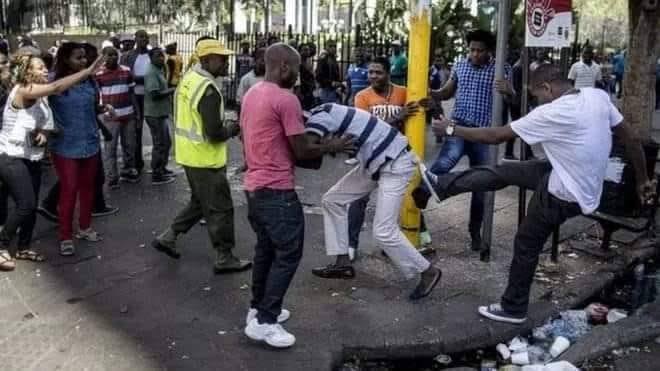
The National Association of Nigerian Students (NANS) has threatened to picket South African businesses operating in Nigeria, issuing a four-day ultimatum for the firms to leave the country over the alleged continued xenophobic attacks on Nigerians in South Africa.

The students’ body warned that failure to comply with the ultimatum would trigger coordinated protests and other actions by its members nationwide.

In a statement issued on Monday in Enugu, the National Executive Director for Corporate and Private Sectors Engagement, Bestman Okereafor, said the decision was prompted by what NANS described as the persistent intimidation, assault and displacement of law-abiding Nigerians and other African nationals in South Africa.

According to him, South African businesses should not continue to enjoy a conducive operating environment in Nigeria while Nigerians face hostility in South Africa.

“As the biggest students’ body in Africa, we are giving South African business interests four days to evacuate our beloved country, Nigeria. Immediately after the expiration of the ultimatum, we will consider picketing South African business interests, while further actions will follow,” he said.

Okereafor said the association’s position was a response to what it described as the continued oppression of Nigerians in South Africa, stressing that the situation had become unacceptable.

He also urged the Federal Government and the African Union to take firmer diplomatic measures against South Africa over the recurring xenophobic attacks.

NANS recalled Nigeria’s support for South Africa during the anti-apartheid struggle, arguing that such sacrifices should not be rewarded with what it described as “disloyalty, disrespect and global embarrassment.”

The association noted that repeated xenophobic attacks in South Africa have left many Nigerians and other Africans assaulted, intimidated, displaced and, in some cases, allegedly killed, while businesses owned by Nigerians were reportedly looted or destroyed.

It also referenced reports that perpetrators had earlier issued a June 30 deadline for Nigerians and other foreign nationals to leave South Africa.

The Federal Government, through the Ministry of Foreign Affairs, has in recent weeks facilitated the evacuation of hundreds of Nigerians from South Africa following the renewed wave of attacks.

Brace Up For Flash Flood, NIMET Warns Rivers, Bayelsa, 25 Other States

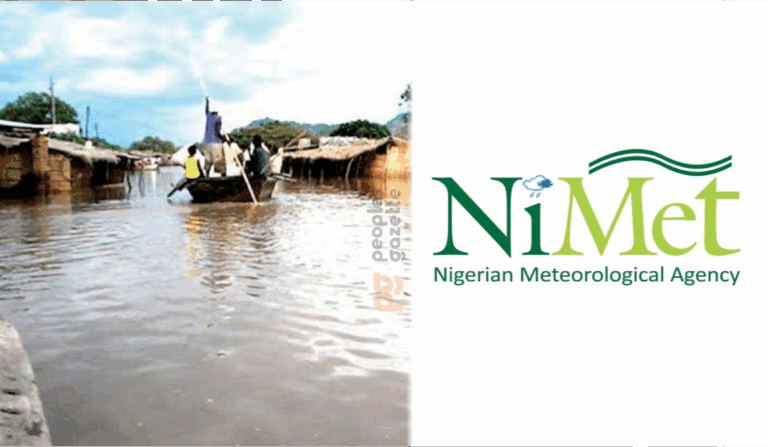
The Nigerian Meteorological Agency (NiMet) has issued a flash flood warning for Rivers, Bayelsa and 25 other states, cautioning that intensified rainfall during the first 10 days of July could trigger flooding in vulnerable communities.

In an advisory covering July 1 to July 10, the agency said the country is entering the peak of the rainy season, with soils already saturated following widespread rainfall recorded in June, significantly increasing the risk of flash floods.

NiMet explained that the saturated ground has drastically reduced the soil’s capacity to absorb additional rainfall, making low-lying, coastal, urban and poorly drained areas particularly susceptible to flooding.

The states identified as being at risk are Rivers, Bayelsa, Lagos, Ogun, Delta, Edo, Akwa Ibom, Cross River, Abia, Imo, Anambra, Enugu, Taraba, Sokoto, Borno, Zamfara, Kebbi, Katsina, Kaduna, Nasarawa, Plateau, Adamawa, Kwara, Kogi, Oyo, Osun and Ekiti.

The agency warned that heavy rainfall could disrupt transportation through traffic congestion and road closures, while also causing temporary power and telecommunications outages in affected areas.
It added that poor visibility during intense downpours could endanger motorists and aviation operations.

NiMet also expressed concern over the likely impact on agriculture, warning that waterlogged farmlands could lead to crop losses, while roads, bridges, drainage systems and other critical infrastructure may suffer significant damage.

The agency further cautioned that stagnant floodwaters could heighten the risk of waterborne diseases, urging health authorities to remain vigilant.

To reduce the impact of the anticipated floods, NiMet advised residents to monitor weather forecasts and flood advisories, clear drains and waterways of refuse, secure loose outdoor items, reinforce vulnerable structures and avoid walking or driving through floodwaters.

The agency also urged the National Emergency Management Agency (NEMA), State Emergency Management Agencies (SEMAs), community leaders and other relevant stakeholders to strengthen preparedness and emergency response measures.

NiMet stressed that early planning and timely action remain critical to reducing the devastating impact of flash flooding, urging Nigerians to remain alert throughout the period.
“An informed community is a prepared community. Know the risks and act early,” the agency said.

SERAP Demands Probe Over ₦1.3bn Budget Allocation To ‘Fictitious’ Presidential Council

0

The Socio-Economic Rights and Accountability Project (SERAP) has asked the President of the Senate, Godswill Akpabio, and the Speaker of the House of Representatives, Tajudeen Abbas, to explain how more than ₦1.3 billion was appropriated in the 2026 budget for a presidential council the Presidency has described as non-existent.

In a Freedom of Information (FoI) request dated July 4, 2026, and signed by its Deputy Director, Kolawole Oluwadare, SERAP urged the National Assembly leadership to release certified copies of all documents relating to the approval of the ₦1,302,978,784 allocation to the Presidential Foreign Intervention Promotion Council (PFIPC), also referred to as the Presidential Economic Advisory Council, in the 2026 Appropriation Act.

The organisation also called on both presiding officers to invoke the investigative powers of the National Assembly under Sections 88 and 89 of the 1999 Constitution to determine how the allocation was made and identify those responsible for what it described as apparent irregularities.

SERAP requested certified records identifying the committees that considered the allocation, the lawmakers involved, and the public officials or representatives who defended the proposed expenditure during the budget process.

It further sought clarification on whether the allocation originated from the Executive’s Appropriation Bill or was inserted during legislative consideration, and whether any lawmaker questioned the legal status or operational mandate of the council before the budget was passed.

The request follows reports that the PFIPC received over ₦1.3 billion in the 2026 budget, despite a statement by the Presidency on July 1 denying that such a body exists or was ever established by the Federal Government.

Describing the conflicting accounts as a serious threat to the integrity of Nigeria’s budget process, SERAP said the development raised concerns over legislative oversight, public financial management and accountability.

“The National Assembly has a constitutional responsibility not merely to approve budget proposals but to thoroughly scrutinise and authorise public expenditure in accordance with the Constitution,” the organisation said.

It stressed that Nigerians have a right to know whether public funds were appropriated for an entity that lacks legal existence and, if so, how such an allocation was approved.

According to SERAP, disclosure of the requested documents would enable citizens to assess whether the National Assembly fulfilled its constitutional obligations under Sections 80, 81, 88 and 89 of the Constitution during the appropriation process.

The organisation gave the Senate President and the Speaker seven days to provide the requested information, warning that it would commence legal proceedings if they failed to comply.

SERAP argued that releasing the records would strengthen public confidence in the National Assembly, promote transparency in the management of public resources and reinforce accountability in the budget process.

The organisation also cited the Freedom of Information Act, the Nigerian Constitution, the International Covenant on Civil and Political Rights, the African Charter on Human and Peoples’ Rights and the Tshwane Principles, all of which, it said, support citizens’ right to access information concerning public expenditure and the conduct of public institutions.

It maintained that public institutions have a duty to disclose information of significant public interest, particularly where there are credible allegations of misuse of public funds or abuse of office.

SERAP insisted that full disclosure would advance transparency, strengthen legislative accountability and restore public confidence in Nigeria’s appropriations process.

RSU Eyes Top Three Ranking In Nigeria …Charts New Course For Global Excellence

0

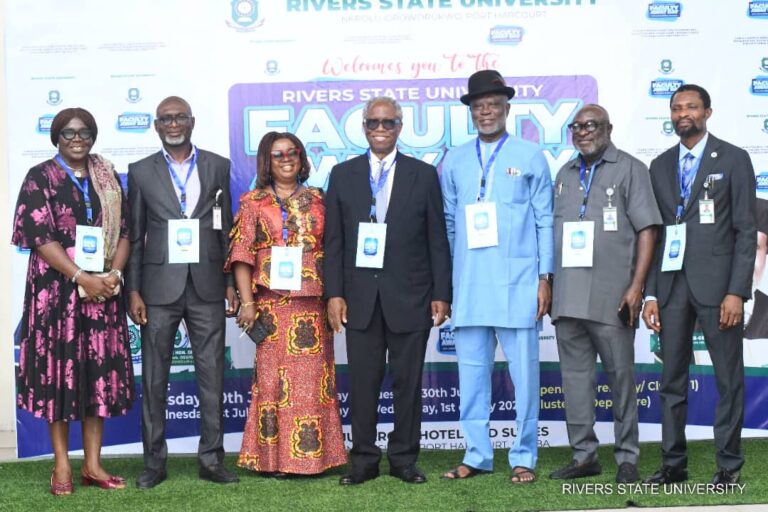
Rivers State University (RSU) has declared its ambition to rank among Nigeria’s top three universities, unveiling a comprehensive strategic agenda anchored on innovation, impactful research, digital transformation and stronger industry partnerships to drive global competitiveness.

The vision was articulated during the University’s two-day Faculty Away Day organised by its 15th Governing Council, held from June 30 to July 1 at the University of Port Harcourt’s CBN Centre of Excellence Hall. The retreat was themed: “A New Strategic Direction to Inspire and Reposition Rivers State University for Excellence and Creativity.”

Speaking at the opening of the retreat, Vice-Chancellor of the university, Prof. Isaac Zeb-Obipi, urged members of the university community to embrace innovation, collaboration and strategic planning as the institution embarks on a renewed drive towards academic excellence and international relevance.

According to him, the retreat was convened to align faculties and other stakeholders with the University’s long-term vision by focusing on technology-driven education, innovation, revenue generation, strategic partnerships, transparency and improved global rankings.

Prof. Zeb-Obipi expressed confidence that the deliberations would produce practical and measurable strategies to accelerate the University’s aspiration of becoming one of the top three universities in Nigeria while positioning it among the leading institutions in Africa and the world.

Chairman of the Governing Council and Pro-Chancellor of the university, Hon. Okey Wali (SAN), described the University’s Strategic Plan as the blueprint for institutional transformation, explaining that the Governing Council established a Strategic Plan Committee to assess the institution’s current status and develop a roadmap for sustainable growth.

He identified improved national and global rankings, enhanced research output and institutional integrity as key priorities, stressing that faculties would play a central role in implementing the strategic plan.

Wali also declared zero tolerance for corruption and urged academics to undertake research that addresses societal challenges through stronger collaboration with industry, ensuring that research outcomes translate into practical development.

Vice-Chancellor of the University of Port Harcourt, Prof. Owunari Georgewill, who welcomed participants, commended the RSU management for organising the retreat, describing it as a commendable initiative towards strengthening academic excellence, institutional development and staff collaboration.
Delivering the keynote lecture titled “Change the Paradigm from Publish or Perish to Patent, Publish and Produce for Prosperity of School and State,” Prof. Emeritus Joseph Ajienka called for a shift from conventional academic publishing to innovation-driven research that protects intellectual property, promotes technology transfer and creates economic value.

Ajienka, a member of the RSU Governing Council and former Vice-Chancellor of the University of Port Harcourt, argued that universities must embrace academic entrepreneurship through patents, commercialisation of research, industry collaboration and the establishment of start-up and spin-off companies.

He maintained that research should extend beyond knowledge generation to providing practical solutions to societal challenges, creating employment opportunities and contributing to national economic development.

Other resource persons included Prof. Iyenemi I. Kakulu, who spoke on implementing the University’s Strategic Development Plan through innovative thinking; Mr. Victor Okeugo, who addressed accreditation and university rankings; Prof. Victor Dugga, who spoke on university advancement as a collective responsibility; Prof. Warebi Brisibe, who delivered a paper on grantsmanship for research and development; and Prof. Bourdillion Omijeh, who examined how digital transformation, training and innovation can boost internally generated revenue.

More than 400 participants drawn from the University’s faculties, institutes, centres, directorates and units attended the retreat, alongside members of the Governing Council, principal officers and former vice-chancellors.

The retreat reaffirmed RSU’s determination to reposition itself as a globally competitive institution driven by innovation, research excellence, entrepreneurship, transparency and strategic partnerships, while pursuing its goal of emerging as one of Nigeria’s top three universities.

NDDC Donates Relief Materials To Rivers Correctional Centres To Ease Inmates’ Hardship

0

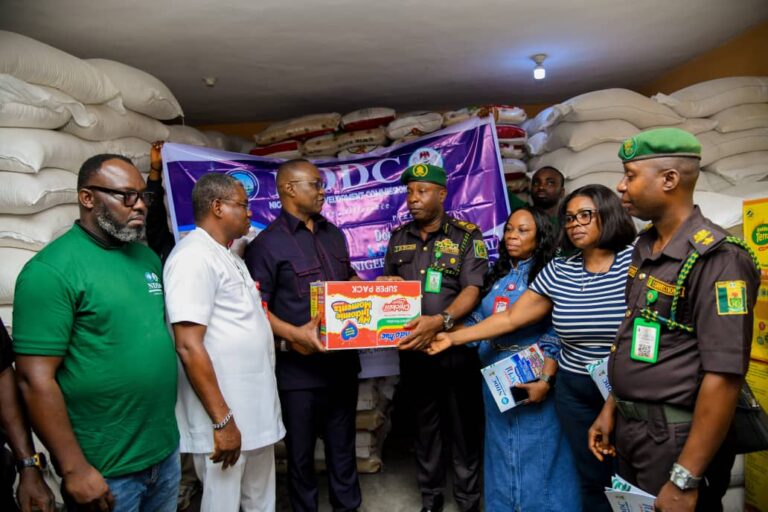
The Niger Delta Development Commission (NDDC) has donated relief materials to the Nigerian Correctional Service (NCoS), Rivers State Command, to support inmates amid the prevailing economic hardship.

The Commission said the intervention forms part of its humanitarian programmes aimed at improving the welfare of vulnerable groups across the Niger Delta.

Presenting the items on behalf of the NDDC Managing Director, Dr. Samuel Ogbuku, the Director of Social Services, Engr. Jeremiah Oritsejolone, said the initiative aligns with President Bola Ahmed Tinubu’s Renewed Hope Agenda and the Commission’s commitment to people-centred development.

He noted that although the Commission could not reach every community and institution simultaneously, it prioritised vulnerable groups requiring urgent support.

According to him, the NDDC has this year provided relief materials to several flood-affected and environmentally impacted communities and would continue extending similar interventions across the region.

“The inmates in our correctional centres are part of our society. They are our brothers and sisters, and many of them will eventually return to their communities. It is important that we support them and contribute to their welfare,” he said.

Oritsejolone also commended the NDDC management for sustaining programmes that positively impact lives across the Niger Delta.

Speaking, the Director of the NDDC Rivers State Office, Engr. Okezie Ule, described the donation as recognition of the vital role played by the Nigerian Correctional Service in maintaining peace, security and law and order.

He said the Commission appreciated the dedication of correctional officers and their contributions to public safety.

Responding, the Controller of the Nigerian Correctional Service, Rivers State Command, Richard Moses Williams, described the donation as timely and thoughtful.

He assured the Commission that the relief materials would be distributed fairly across all custodial centres in the state to ensure every inmate benefits.

Williams thanked the NDDC management for what he described as a compassionate intervention targeted at some of the most vulnerable members of society.

Also speaking, the Rivers State Coordinator of the Sustainable Development Goals (SDGs), Ambassador Ipalibo Madodoye, said the initiative supports key SDG targets, including peace, justice, strong institutions, inclusion and social welfare.

He pledged continued collaboration between the SDG Office and the NDDC to implement programmes that improve the lives of women, youths, persons with disabilities and other vulnerable groups.

The Deputy Director of Social Services, Mrs. Chioma Nwakwue, also commended officers of the Nigerian Correctional Service for their commitment to the care and rehabilitation of inmates, expressing hope that the relief materials would reach all beneficiaries.

Messi Breaks World Cup Appearance Record, Extends Scoring Feat As Argentina Reach Last 16

Argentina captain Lionel Messi delivered another landmark performance as the Albiceleste secured a place in the Round of 16, where they will face Egypt.

The eight-time Ballon d’Or winner made history with his 30th FIFA World Cup appearance against Cape Verde, surpassing all previous players to become the tournament’s all-time appearance leader.

Messi also opened the scoring to register his 20th World Cup goal, extending his record as the competition’s highest goalscorer.

The goal was his seventh of the ongoing tournament, equalling the seven goals he scored during Argentina’s triumphant 2022 World Cup campaign.

France forward Kylian Mbappé remains the closest challenger to Messi’s scoring record.

Mbappé has scored six goals at the current tournament and has 18 World Cup goals overall.

Argentina will now shift attention to their Round of 16 clash against Egypt as they continue their quest for another World Cup title.

Peter Obi Raises Alarm Over Escalating Hunger Crisis In Northern Nigeria, Blames Poor Leadership

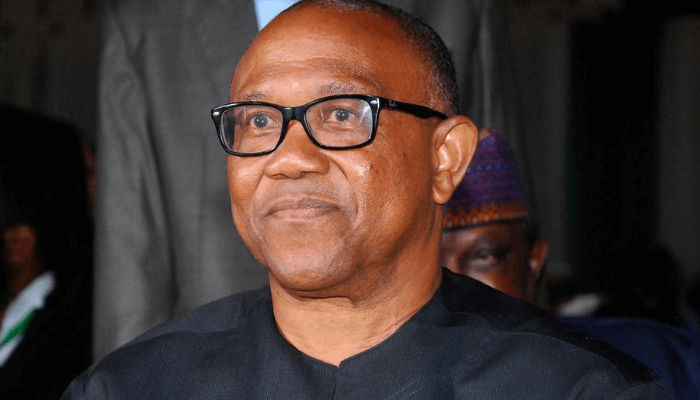
Peter Obi, presidential candidate of the Nigeria Democratic Congress (NDC), has expressed concern over the worsening hunger crisis in northern Nigeria, describing the situation as avoidable and attributing it to poor leadership.

In a statement posted on his X account on Saturday and titled “UN’s Warning on Northern Nigeria’s Food Crisis,” Obi said the latest warning by the United Nations World Food Programme (WFP) was disturbing, noting that the region regarded as Nigeria’s food basket should not be grappling with such a humanitarian emergency.

Citing the WFP report, Obi said more than 17 million people across nine northern states are facing crisis-level hunger, while over 35 million Nigerians are at risk of acute food insecurity during the current lean season.

He also described as a “profound national failure” the report that more than 10,000 people in Borno State have slipped into what the UN classified as “catastrophic” hunger conditions.

“I am deeply troubled by the latest report from the UN’s World Food Programme indicating that northern Nigeria is experiencing its most severe hunger crisis in nearly a decade,” Obi said.
“Over 17 million people in nine northern states face crisis-level hunger, with more than 35 million Nigerians nationwide at risk during this challenging season.

“The fact that over 10,000 residents of Borno State have entered ‘catastrophic’ hunger conditions represents not only immense human suffering but also a profound national failure.

“Nigeria should not rank among the world’s hungriest nations, given its abundant resources, particularly the vast stretches of fertile, uncultivated land in the North.”

Obi attributed the deepening food crisis largely to insecurity, saying persistent banditry and insurgency have prevented farmers from accessing their farmlands and forced many farming communities into displacement.

He urged the Federal Government and state governments to prioritise the security of agricultural communities, invest in farming infrastructure, provide smallholder farmers with accessible support, and strengthen collaboration with the World Food Programme to bridge funding gaps and avert a worsening humanitarian crisis.

PANDEF Faults Niger Delta’s Exclusion From N3.9tn Federal Road Projects, Echoes The Atlantic Bell Report

0

The Atlantic Bell

The Pan Niger Delta Forum (PANDEF) has condemned the exclusion of the Niger Delta from the Federal Government’s recently approved N3.9 trillion road infrastructure projects, describing the development as another clear example of the region’s continued neglect despite its enormous contribution to Nigeria’s economy.

The position of the regional body reinforces an earlier report by The Atlantic Bell, which highlighted the absence of major Niger Delta road projects from the Federal Executive Council’s approval of 26 highway projects spread across 15 states.

In a statement signed by its National Leader, Ambassador Godknows Boladei Igali, PANDEF said the omission was unfair and called on President Bola Ahmed Tinubu to urgently review the list of approved projects to ensure the oil-producing region receives equitable attention.

According to the group, while it welcomed the Federal Government’s commitment to expanding the country’s road infrastructure, it was “troubling and shocking” that the South-South was virtually left out of the massive investment.

“The Board of Trustees and the National Executive Committee of PANDEF have noted the outcome of the recent Federal Executive Council meeting where the sum of N3.9 trillion was approved for road infrastructure projects across the country.

“While commending President Bola Ahmed Tinubu and his cabinet on this commitment towards the physical infrastructure of the country, we in the South-South lament the fact that our region has again been grossly short-changed with a very insignificant allocation of projects from this humongous sum,” the statement said.

PANDEF noted that out of the 26 projects approved, covering 15 states, the only project linked to the South-South was the N86 billion road connecting Benue and Cross River states, with no major highway traversing the core Niger Delta included in the approvals.

The forum described the development as unacceptable, arguing that poor road infrastructure has continued to isolate communities across the region and undermine economic activities.

“The people of the Niger Delta therefore call on Mr President to look into this matter with a view to reversing the situation, bearing in mind that the Niger Delta region is the revenue base of the country,” Igali stated.

The group also expressed concern over the prolonged delay in completing the East-West Road, describing the flagship highway as “a metaphor for a failed project” despite repeated assurances by the Federal Government that work would be expedited.

PANDEF further decried what it described as the neglect of key maritime infrastructure in the region, noting that the ports in Calabar, Onne, Port Harcourt and Warri remain largely abandoned without any clear programme for rehabilitation, modernisation or expansion.

Describing the situation as “starving the goose that lays the golden egg,” the forum warned that the continued neglect of the Niger Delta fuels feelings of alienation among the people.

Nevertheless, PANDEF reaffirmed the region’s commitment to supporting Nigeria’s economic growth through increased oil and gas production, while urging the Federal Government to demonstrate greater fairness, equity and justice in the distribution of national infrastructure projects.

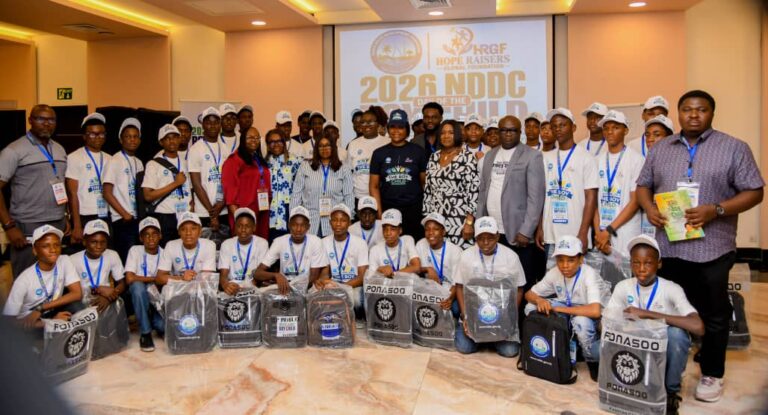
NDDC Rallies Investment In Boy Child To Build Stronger Families, Communities

The Niger Delta Development Commission (NDDC) has reaffirmed its commitment to investing in the development of the boy child, describing the initiative as critical to building stronger families, safer communities and a more prosperous Niger Delta.

Speaking at the 2026 NDDC Day of the Boy Child celebration in Port Harcourt, the Managing Director of the Commission, Dr. Samuel Ogbuku, said empowering boys through education, mentorship and leadership development was essential to raising a generation of responsible and productive citizens.

Represented by the Director of Social Services, Engr. Jeremiah Oritsejolomi, Ogbuku said the programme underscored the Commission’s commitment to human capital development across its nine mandate states.

Held under the theme, “Flourish and Thrive: Investing in the Boy Child for Stronger Families and Communities,” the event, he said, was designed to equip boys with the values, life skills and confidence needed to contribute meaningfully to society.

“We are investing in the future of the boy child through education, mentorship, leadership development, positive values and life skills that will prepare them for meaningful roles in society,” Ogbuku said.

He urged the participants to maximise the opportunities provided by the programme, encouraging them to pursue excellence, believe in themselves and become leaders of integrity capable of driving positive change.

Also speaking, the NDDC Director, Education, Health and Social Services, Dr. Patience Ezugu, said deliberate investment in the education, health, mentorship and character development of boys was necessary to enable them realise their full potential.
She stressed that every boy deserved a safe and supportive environment to grow into a responsible and impactful member of society.

The Director of Education, Dr. Angela Chukwudifu, encouraged the participants to apply the lessons from the programme in their daily lives and strive to become responsible young men who would make positive contributions to their communities.

Delivering a health talk, the Commission’s Director of Health, Dr. Anthony Umezurike, advised the boys to prioritise their physical and mental well-being by embracing healthy lifestyles and steering clear of substance abuse.

“Many young boys are tempted to smoke, abuse drugs and engage in harmful habits without understanding the long-term consequences.

Avoid anything that can damage your mental health and destroy your future,” he said.

Executive Director of the BoyChild Support Network, Mr. Irimiagah Paul, reminded the participants that success depended more on personal choices than background, urging them to build their lives on sound values, character and purpose rather than public opinion.

Speaking on behalf of the participants, Eze Fortune Solomon of Baptist High School and Ayooluwamide John of Praise El School thanked the NDDC for organising the programme, describing it as inspiring and transformative.