Home Blog Page 119

2026: Adeleke Presents N705bn “Budget Of Economic Transformation” To Assembly

0

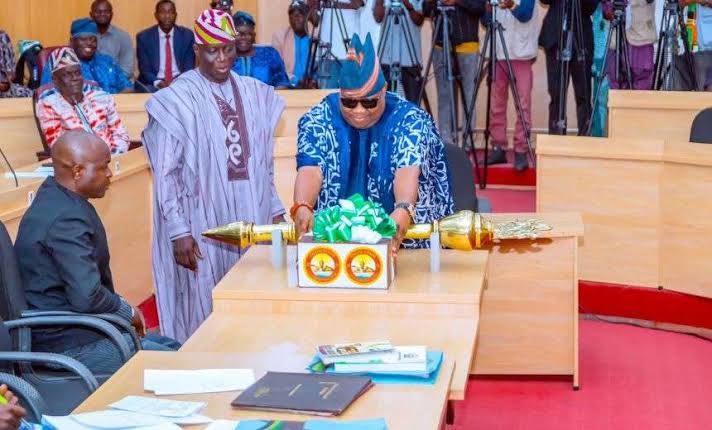
Gov. Ademola Adeleke of Osun on Wednesday presented N705 billion before the state assembly as the 2026 draft budget for consideration and approval.

Adeleke said the budget, christened “Budget of Economic Transformation”, is a financial document declaring his administration’s unwavering commitment to improving the lives of every citizen of the state.

The governor said the budget comprises Recurrent Expenditure of N317 billion, made up of personnel cost of N135 billion and overhead cost of N182 billion, which represents 45 per cent of the total budget.

Adeleke also said that the Capital Expenditure amounts to ₦388 billion, which is 55 per cent of the total budget.

The governor said the projected revenue expected in 2026 is N22.7 billion from government share of Federation Account Allocation Committee ( FAAC), Independent Revenue of N199.6 billion, and other receipts of N268 billion.

He said the 2026 budget proposal was prepared based on the projection of the 2026 – 2028 Medium Term Expenditure Framework (MTEF) as required by the State Fiscal Responsibility Law 2012.

In his remarks, Mr Adewale Egbedun, Speaker of the Assembly, said the presentation of the budget was constitutionally permissive under Section 121 (1) of the 1999 Constitution of the Federal Republic of Nigeria (amended).

Egbedun said the assembly would give legislative support to the executive and continue to promote equity, trust, justice, transparency, and prosperity in the state.

He said the assembly would also demand thorough accountability from the heads of ministries, agencies, and departments of government for previous appropriations and expenditures during oversight functions.

‎NGE Seeks Media Tax Relief, Legal Protection For Journalists

0

The President of the Nigerian Guild of Editors (NGE), Mr Eze Anaba, has called for fiscal incentives, legal protection, and policy support to strengthen journalism and safeguard press freedom in Nigeria.

‎‎Anaba made the call on Wednesday in his address at the opening of the 21st All Nigerian Editors Conference (ANEC) held at the State House, Abuja, and declared open by President Bola Tinubu.

‎‎He said the conference, themed “Democratic Governance and National Cohesion: The Role of Editors”, reflected the editors’ resolve to uphold truth, deepen democracy, and promote unity.

‎‎The NGE President commended Tinubu for attending the conference, describing his presence as a demonstration of his administration’s recognition of the media as a strategic partner in nation-building.

‎‎He paid tribute to the founding leaders of the Guild, including Malam Baba Dantiye, who initiated the first editors’ conference in 2004, and other industry pioneers such as Uncle Sam Amuka, Aremo Segun Osoba, Prince Nduka Obaigbena, Malam Kabiru Yusuf, and Dr John Momoh.

‎‎Anaba said Nigerian editors must continue to uphold truth, fairness and balance while resisting divisive narratives and misinformation.

‎‎“Editors must defend the sanctity of truth, insist on transparency, and hold power to account, not as adversaries of government, but as constructive partners in the pursuit of national progress,” he said.

‎‎He warned that press freedom remained under threat from economic hardship, insecurity, and repressive laws, calling for reforms to ensure the survival of the media as both a business and a public good.

‎‎The NGE president outlined key policy recommendations, including corporate tax relief for media houses, VAT exemption on media inputs, tax incentives for advertisers, and access to affordable financing for news organizations.

‎‎He also proposed the creation of a Media Development Fund to support digital innovation and newsroom transformation, to be managed by an independent board.

‎‎On legal reforms, Anaba called for the repeal of laws that hinder press freedom and the establishment of a Media Freedom and Safety Charter endorsed by the Presidency, Legislature, and Judiciary.

‎‎“We seek state-sanctioned protection of journalists carrying out legitimate work from arbitrary arrests or misuse of cybercrime laws,” he added.

‎‎Anaba urged editors to use their platforms to foster peace, inclusion, and national understanding, stressing that “the pen must never become an instrument of division or hate, but a tool for healing and bridge-building.”

‎‎He appealed to the President to recognise journalism as a public good deserving of targeted fiscal and legal support “not for patronage, but to strengthen the foundations of democracy.”

‎‎“When the press thrives, democracy breathes. When it is stifled, democracy suffocates,” Anaba said.

‎‎He reaffirmed the Guild’s commitment to ethical journalism, professional development, and collaboration with government and civil society to build a just and united Nigeria.

TikTok Set To Award Creators, Artistes, Trendsetters, December 6

0

The 2025 TikTok Awards Sub-Saharan Africa has announced plans to honour creators, artistes and trendsetters who have defined the feeds in 2025.

The Head, Content Operations for Sub-Saharan Africa, Ms Boniswa Sidwaba, said this in a statement made available to reporters on Wednesday in Lagos.

Sidwaba described the annual award as a moment for reflection and celebration.

“The award is where TikTok builds deeper relationships with the people who power the continent.

“At its core, the TikTok awards celebrate the vibrant community who continue to inspire creativity, build community, and spread joy on the platform while turning their passions into prosperous careers,“ she said.

According to her, this year will be remembered as one where African creators refused to be predictable.

‘’From the sound of BhadBoi OML’s ‘Wasiu Ayinde’ on repeat, the energy of the ‘Ngishutheni’ dance craze to the grit of #CorporateTok, and Shallipopi’s unforgettable hits.

‘’TikTok is celebrating the genius of creators who have turned 60 seconds into a movement.

‘’This will be remembered as a year where the niche went mainstream, the community became currency, and creators thrived as tastemakers,” she said.

Sidwaba said the award was yet another way TikTok continued to support and inspire Africa’s creator community, empowering them to thrive, grow, and transform their passions into sustainable careers.

She said the 2025 edition would celebrate creators across a variety of content categories, including food, entertainment, sports, education, music, and storytelling.

“Taking place on December 6 in Johannesburg, the night will be filled with entertainment, creativity, and inspiration with creators from across sub-Saharan Africa.

“Voting is open until November 14, 2025; one can click to cast vote, which is limited to one vote per category every day.

‘’Following our official TikTok pages, share the voting page and post using the official hashtag #TikTokAwardsSSA,” Sidwaba said.

The 2025 nominated creators and their categories include creator of the year; storyteller of the year; video of the year; rising star of the year, among others.

Unveiling Of Bus Terminals: Makinde Vows Completion Of Ibadan Circular Road …As Obasanjo Links Transport To Economic Growth

0

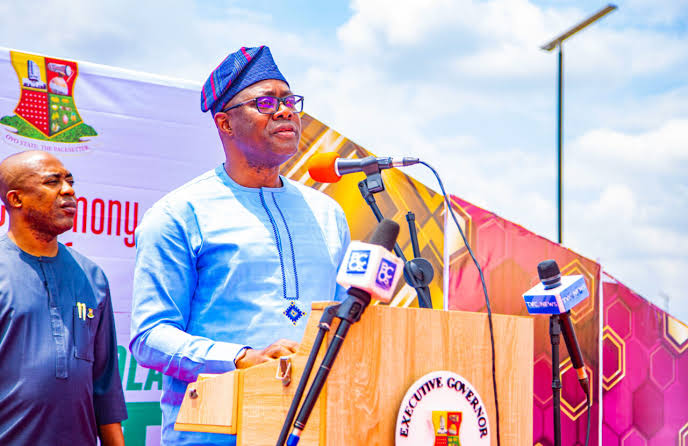
Governor Seyi Makinde of Oyo State has reiterated his commitment to construct the 113-Kilometer Ibadan Circular Road, despite protests by those he described as political merchants hired to discredit a good idea.

He was speaking while inaugurating two Central Bus Terminals at the Iwo Road Interchange in Ibadan.

On the wave of criticisms hurled at him regarding the ongoing Ibadan Circular Road, he said he wouldn’t be deterred from continuing with what would move the state forward.

Makinde emphasised that the 113-kilometre Ibadan Circular Road project was a cornerstone of his administration’s vision for sustainable growth and urban expansion.

According to him, the road, when completed, will ease traffic congestion, open up new economic corridors, and attract more investment to the state.

He said it was unfortunate that some individuals had chosen to politicise a project designed to bring long-term economic and infrastructural benefits to the state.

However, he pledged to engage genuine landowners whose properties were affected by the circular road project in the coming week.

He reiterated his commitment to the state’s development, saying it remained unshaken.

He said the bus terminals fulfilled the promises he made to the people of the state.

Meanwhile, former President Olusegun Obasanjo on Wednesday underscored the importance of a good transportation system in enhancing citizens’ economic activities and convenience.

Obasanjo who together with Governor Makinde, unveiled the terminals,
noted that Ibadan, being a populous city, needed a viable transportation system to ease the movement of its residents.

“If you’re going to make it convenient for people to live in Ibadan, transact business in Ibadan, there must be availability of transportation; that is what these bus terminals are meant for,” Obasanjo said.

He submitted that Ibadan could take the status of the capital of Yorubaland, having been the former capital of the old Western Region.

While commending Makinde for the developmental strides of his administration, he said the benefits of his deeds transcended Oyo State to the entire region.

The former president, therefore, urged the Oyo State governor to remain focused on his vision to bring unprecedented development to the state.

According to him, the governor will be insulted by some people, but he should not relent in doing whatever good work there is to be done.

The construction of the two ultra-modern Ibadan Central Bus Terminals commenced in June 2021.

The newly inaugurated terminals are part of the four bus terminals built in Ibadan by the Makinde-led administration in the last five years.

The two terminals would be expected to accommodate at least 42 parks and attract about 15,000 passengers daily.

Report Boldly, But Truthfully, Tinubu Charges Nigerian Editors At Annual Conference

0

President Bola Tinubu has urged editors across Nigeria not to relent in upholding the highest standards of journalism and to continue to report boldly and truthfully.

The President stated this while speaking at the opening of the Nigerian Guild of Editors’ Annual Conference held at the State House, Abuja, on Wednesday.

The conference, themed “Democratic Governance and National Cohesion: The Role of Editors,” brought together editors, senior journalists, and policymakers to reflect on how the media can strengthen unity amid national challenges.

Tinubu tasked the media to continue to act as a stabilising force in a rapidly changing information environment.

“I urge you, therefore, to continue upholding the highest standards of journalism. Report boldly, but do so truthfully. Critique government policy but do so with knowledge and fairness. Your aim must never be to tear down, but to help build a better society,” the President stated.

He urged editors in Nigeria to uphold integrity and fairness in their reportage, noting that responsible journalism remains essential to sustaining democracy and national cohesion.

“The freedom secured through struggle is not self-sustaining. It requires constant vigilance and responsible exercise.

“A democracy is sustained not only by elections and laws, but also by the integrity of public conversation,” he stated.

The president commended the Nigerian press for its historical role in advancing justice and democracy, recalling how journalists “endured intimidation, detention, and personal hardship in defence of the public good.”

He, however, cautioned that the digital age has amplified misinformation, making the editorial function more critical than ever.

The president urged editors to be constructive in their criticism of government policies while maintaining fairness and accuracy.

He urged, “As editors and managers of the national information space, you shape narratives. You influence public understanding. You decide what becomes national focus and how our collective challenges are interpreted. The weight of that responsibility is significant. It must be exercised with wisdom, fairness, and a strong sense of national duty.

“Nigeria is a large and diverse country. Debate and differences are part of our reality. However, disagreement must never translate into the erosion of national cohesion. Criticism, when informed and constructive, is a service to the nation. But cynicism that breeds mistrust and despair can weaken the very foundations of the society we all seek to improve. The national interest must always remain paramount.

“We live in a time when information travels rapidly and widely. Social media has made every citizen a potential publisher. This has benefits, but it also increases the speed and scale of misinformation.

“Falsehood can take root before truth has time to speak. In such an environment, the editorial function is more important than ever. Verification must be your anchor; balance must be your principle, and professional judgement must be your guide.

Tinubu also reaffirmed his administration’s commitment to economic reforms aimed at long-term stability and prosperity.

“On our part, this administration remains committed to securing our nation, sustaining economic stability, and widening the circle of opportunity for all citizens.

“The reforms we have undertaken have been challenging, but they are designed to place our economy on a strong and enduring footing.

“We have taken steps to restore macroeconomic balance, encourage investment, and rebuild confidence. The signs of progress are visible in several sectors of the economy. Still, we know there is more work to do, and we remain focused on ensuring that growth translates into real improvements in the daily lives of Nigerians,” he said.

He called for collaboration among the government, the private sector, civil society, and the media to advance national unity.

“However, economic reforms and institutional improvements alone can not build the Nigeria we seek. Nation-building requires cooperation.

” It requires trust. It requires a shared understanding that our future is tied together. The government has its role. The private sector has its role. Civil society has its role. And the media has a distinct responsibility to help shape a climate of reason and unity,” he urged.

He, however, reminded the editors that their influence extends beyond headlines.

He added, “Distinguished Editors, your work matters. The tone you set in your newsrooms, the standards you enforce, and the courage with which you defend the truth will all help shape the direction of our national journey. Let us carry this responsibility with purpose.”


Meanwhile, the President of the Nigerian Guild of Editors(NGE), Eze Anaba, has tabled a five-point rescue package to the president and lawmakers to adopt fiscal and legal measures to keep the country’s media houses alive.

The NGE president cautioned that a weak media imperils Nigeria’s democracy and national cohesion.

Anaba, made the appeal during his opening address at the 2025 All Nigeria Editors Conference held at the Presidential Villa, Abuja, on Wednesday.

Anaba said editors carry a constitutional duty to inform citizens, deepen accountability, and hold power to account, “as constructive partners, not adversaries,” but can only do so if their overcome mounting challenges.

The rescue package include corporate tax reliefs for 5–10 years to help media houses stabilise and meet operating costs; and VAT exemption on essential inputs, such as newsprint, plates and broadcast equipment, “in line with practices in countries like Canada, India and South Africa.”

The Guild also sought tax credits to incentivise large corporations to advertise in credible Nigerian outlets, boosting investigative reporting and reducing reliance on foreign grants, low-interest loans through the Bank of Industry or the Development Bank of Nigeria to modernise equipment and create jobs.


Anaba also called for a media development fund for digital transition, managed by an independent board, to support data journalism and multimedia storytelling while insulating newsrooms from political interference.

“The media today is distressed,” the NGE President said, disclosing that a ton of newsprint now costs roughly N1.3m–N1.4m and lasts “just a day or two” in a typical press cycle.

“If the media can not keep jobs by paying salaries, it can not help our democracy,” he stated.

He called for the repeal of laws that inhibit free expression, submission of the Guild’s review to the Minister of Information and House leadership, and the creation of a Media Freedom and Safety Charter endorsed by the Executive, Legislature and Judiciary to protect journalists from arbitrary arrests and ensure access to information.

Framing the conference theme ‘Democratic Governance and National Cohesion: The Role of Editors’ and sub-theme ‘Electoral Integrity and Trust Deficit: What Nigerians Expect in 2027’, Anaba said editors must rise above division, reject hate speech, and centre underserved communities and conflict zones in daily coverage to rebalance “urban-centred” news agendas.


Aftermath Of Viral Video: FCT Administration Bans Use Of Mobile Phones By AGIS Staff

0

In a move aimed at curtailing spread of videos seen as embarrassing the Federal Capital Territory Administration, officers from Grade Level 14 and below have been banned from coming to work with their mobile phones.

The directive to this effect was contained in an internal memorandum issued by the Head of Abuja Geographic Information Systems (AGIS), Chijioke Nwankwoeze, to all staff of the
AGIS and the Department of Land Administration.

The memorandum which specifically targeted all officers on Salary Grade Level 14 and below, forbidding them from entering office premises with their mobile phones beginning Wednesday, November 12, 2025.

The memo, issued by AGIS Management, reads in part: “There shall be a ban on the use of mobile phones within the office premises for all officers on Salary Grade Level (SGL) 14 and below… affected staff are not permitted to enter the premises with their mobile phones henceforth.”

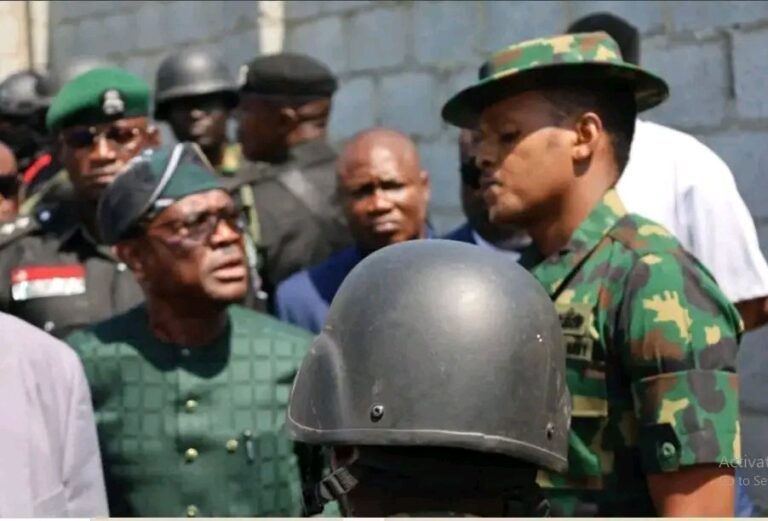
The Atlantic Bell reports that the directive was issued barely 24 hours after videos of the heated confrontation between the Minister of the FCT, Nyesom Wike, and a Naval officer, Lt. A. M. Yerima, at a disputed property site in Abuja went viral on WhatsApp. Sources said the videos of the confrontation were suspected to have been recorded and shared by AGIS staff to different group platforms.

“The minister was furious that the videos circulated among staff. He saw it as an act of sabotage. This phone ban is his way of showing anger,” said one source who asked not to be named.

The policy has sparked outrage among workers and civil rights advocates, who condemned it as primitive, draconian, and anti-labour. Critics say it reflects the minister’s growing intolerance for criticism and his penchant for authoritarian control.

“It’s absurd that in 2025, a minister would ban phones in a public agency because of a viral video,” one labour activist fumed. “This is not leadership—it’s paranoia in power.”

As of press time, the FCT Administration had yet to issue any official clarification regarding the controversial directive.

NDDC Tasks Monarchs On Driving Sustainable Development In Niger Delta

0

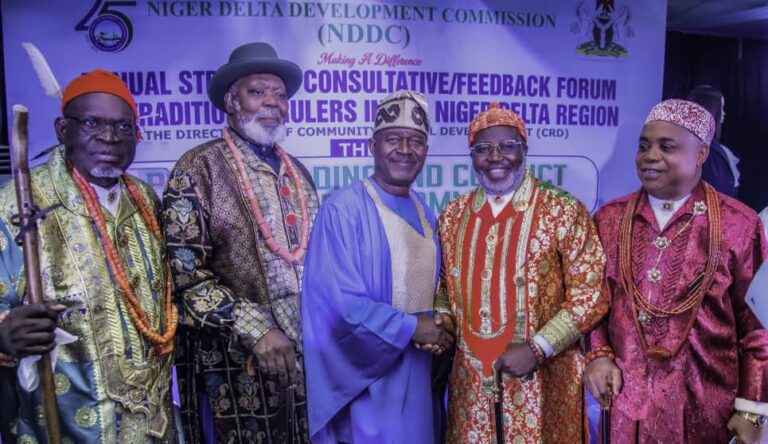
The Niger Delta Development Commission, NDDC, has urged the traditional rulers in the Niger Delta region to step up their collaboration and support to the Commission in ensuring the sustainable development of the region.

Speaking during the Annual Strategic Consultative Feedback Forum for Traditional Rulers in the Niger Delta Region, the NDDC Managing Director, Dr Samuel Ogbuku, stated that the guidance and support of the traditional rulers were critical to sustainable development.

In a statement signed and issued by Seledi Thompson-Wakama, Director, Corporate Affairs of the NDDC, Ogbuku, who was represented by the NDDC Executive Director, Corporate Governance, Hon. Ifedayo Abegunde, described the traditional rulers as “essential partners” in the development process.

He declared, “You are our essential partners in the quest for sustainable development in the Niger Delta Region. This forum is designed to gather valuable feedback from our traditional institutions, enabling us to understand your communities’ needs and priorities, first-hand. Through this interactive dialogue, we aim to compile community-based needs assessments, pinpoint critical areas for intervention, and enhance our collaboration in fostering inclusive, people-centred development.”

“We understand that we can’t truly develop the Niger Delta without your guidance, support, and input. You, our esteemed traditional rulers, are the genuine voices of your people and the guardians of their hopes and dreams.”

“We genuinely believe that this ongoing collaboration will yield more meaningful outcomes and help us achieve our overarching goals of sustainable development, peace, and prosperity for the region.

He observed: “The traditional institution remains the closest to the people. The institution is trusted, respected, and uniquely positioned to mediate, guide, and reconcile the controversies we experience among ourselves. Today, more than ever, your role is essential in bridging.

“We must therefore strengthen our local conflict resolution mechanisms; reviving traditional councils, promoting inclusive dialogue that engages men, women, and youth, and ensuring that grievances are addressed swiftly and fairly. Let us also encourage collaboration between traditional institutions and government agencies, civil society, and security forces, built on mutual respect and shared purpose.”

“The future of the Niger Delta depends on the peace of its communities. Development cannot thrive amid division. Let this forum renew our collective will to pursue peace, not as a temporary truce, but as a culture and way of life.”

Delivering his address, the National Chairman of the Traditional Rulers of Oil Mineral Producing Communities of Nigeria, TROMPCON, and Chairman, Delta State Council of Traditional Rulers, King Felix Mujakperuo, the Orodje of Okpe described peace as a pre-requisite for development.

The TROMPCON Chairman, represented by the Pere of Akugbene-Mein Kingdom, and the First Vice Chairman, Delta State Traditional Rulers Council, King Pere Luke Kalanama remarked that peace-building was necessary for sustainable development.

Furthermore, he stated that traditional rulers in contiguous kingdoms should be constituted into conflict management committees for conflict resolution, remarking that conflict resolution is necessary for conflict management.

Speaking on how the Commission could benefit rural communities, the Chairman of the South-South Monarchs Forum and the monarch of Emohua, King Sergeant Awuse, argued that one cannot offer feedback on any programme unless he was carried along from the inception. Decrying a situation in which traditional rulers are not part of project conception, formulation, and execution, he further remarked that this remains inimical to effective project delivery and, by extension, to the sustainable development of the Niger Delta Region.

In his own remarks, the Amayanabo of Twon Brass, King Alfred Diette-Spiff, described peace as the main prerequisite for development. While laying credence to views canvassed by previous speakers, King Spiff said that traditional rulers should be given their pride of place in the Nigerian Constitution. He likened today’s traditional rulers to school children whose names do not appear in the school register, wondering why the Nigerian Constitution denied them the roles hitherto assigned to them in previous constitutions.

“Development, he said, ‘should be technically driven as is the practice in Britain and other Western nations.” He stated that the Niger Delta could be turned into an industrial hub with various areas of specialisation, including the marine industry, construction, agriculture, and fisheries.

Customs, ICPC Strengthen Partnership To Curb Graft, Boost Revenue

0

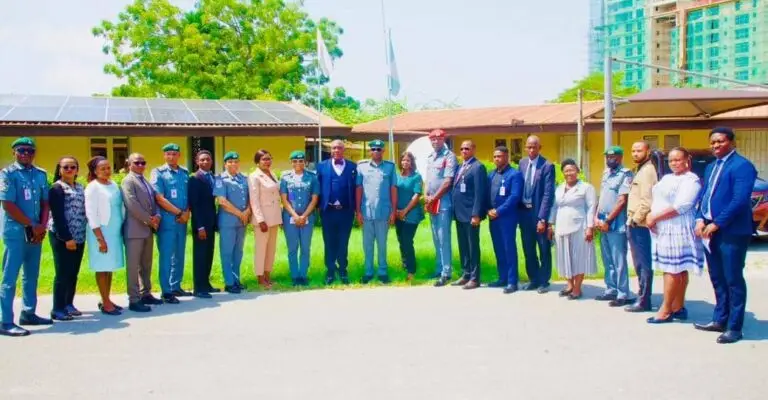
Apapa Area Command of the Nigeria Customs Service (NCS) has partnered with the Independent Corrupt Practices Commission (ICPC) to deepen intelligence sharing and strengthen anti-corruption systems for improved revenue.

The Customs Area Controller, Comptroller Emmanuel Oshoba, stated this when he led his management team on a courtesy visit to the ICPC office in Lagos on Tuesday.

Oshoba said the visit was in line with the directive of the Comptroller-General of Customs, Mr Bashir Adeniyi, to reinforce inter-agency collaboration under the Service’s three policy pillars of consolidation, collaboration, and innovation.

He said effective partnership with ICPC was crucial to achieving Customs’ core mandates of revenue generation, trade facilitation, and national security.

He noted that integrity and accountability must remain central to port operations.

“My background in intelligence makes this collaboration particularly important, because without information, nothing works.

“We are committed to sustaining intelligence-driven engagement with ICPC to ensure transparency, strengthen internal controls, and promote preventive enlightenment among our officers,” Oshoba said.

He noted that the partnership would support Customs’ efforts to build a more ethical workforce through joint training, sensitisation, and compliance programmes focused on anti-corruption regulations and responsible conduct.

According to him, the command will also welcome ICPC officers to future engagements to help shape behavioural and attitudinal change among port stakeholders.

Oshoba appealed for ICPC’s understanding in handling issues arising from genuine human errors, adding that while no officer was perfect, the focus should be on strengthening systems to reduce both intentional and inadvertent violations.

He added, “Customs and ICPC are not rivals but partners working on the same national project. We must maintain open communication, identify loopholes, and close corruption risks that weaken the port environment.”

In his remarks, Resident Anti-Corruption Commissioner (RACC), Mr Chukwurah Alexander, commended the Customs leadership for its proactive approach to institutional integrity and described the visit as a model of inter-agency partnership.

He said the ICPC’s operations were founded on professionalism, civility, and collaboration, and that the Commission’s current focus was on preventive system reviews, ethical training, and strategic advisory support rather than punitive enforcement alone.

Alexander explained that corruption had reached a level threatening national stability, urging all public institutions to stop masking weaknesses and to embrace collective reform.

He recalled that previous collaboration between ICPC and the Apapa Command had contributed significantly to high revenue performance, noting that the Commission provided valuable intelligence inputs that shaped Customs operations earlier in the year.

“ICPC will continue to provide credible information, conduct system audits, offer advisory services, and facilitate regular staff enlightenment.

“However, we will not hesitate to expose or remove clogs in the wheel of progress when necessary, ” Alexander assured.

He advised Customs officers to be mindful of the fine line between legitimate administrative actions and corrupt practices, stressing that ignorance of the law was not an excuse.

“Even minor acts such as unauthorised gifts, misuse of auction processes, or diverting funds meant for specific purposes can attract severe sanctions,” he warned.

Alexander added that ICPC was shifting more aggressively toward preventive collaboration as directed by its chairman, given that prosecution alone was costly and time-consuming.

He called for stronger national ownership of the anti-corruption campaign, urging Customs to sustain its leadership role as one of the country’s most critical revenue-generating agencies.

Both agencies ended the meeting with a renewed commitment to sustained intelligence sharing, system audits, and periodic reviews.

This is to enhance transparency, operational integrity, and national revenue performance.

University Auditors Urged to Embrace AI, Technology In Auditing …Experts Advocate Digital Transformation In University Audit Practices

0

Heads of Internal Audit Departments and Units in Nigerian universities have been advised to adopt Artificial Intelligence (AI) and technology-driven approaches to strengthen transparency, prevent financial leakages, and improve efficiency in institutional financial oversight.

The call was made at the 38th National Conference and Annual General Meeting of the Committee of Heads of Internal Audit Departments and Units of Nigerian Universities, held at the University of Port Harcourt.

In a statement signed by Dr Sam Kpenu, Public Relations Officer,
University of Port Harcourt, the Vice-Chancellor of the University of Port Harcourt, Professor Owunari Abraham Georgewill, in his opening remarks described the theme, “Revolutionising University Internal Auditing Through Technology and Innovation,” as timely and significant. He emphasized that the internal audit function plays a critical role in ensuring accountability and credibility in the management of university resources, adding that the adoption of modern audit tools will help institutions align more effectively with global best practices.

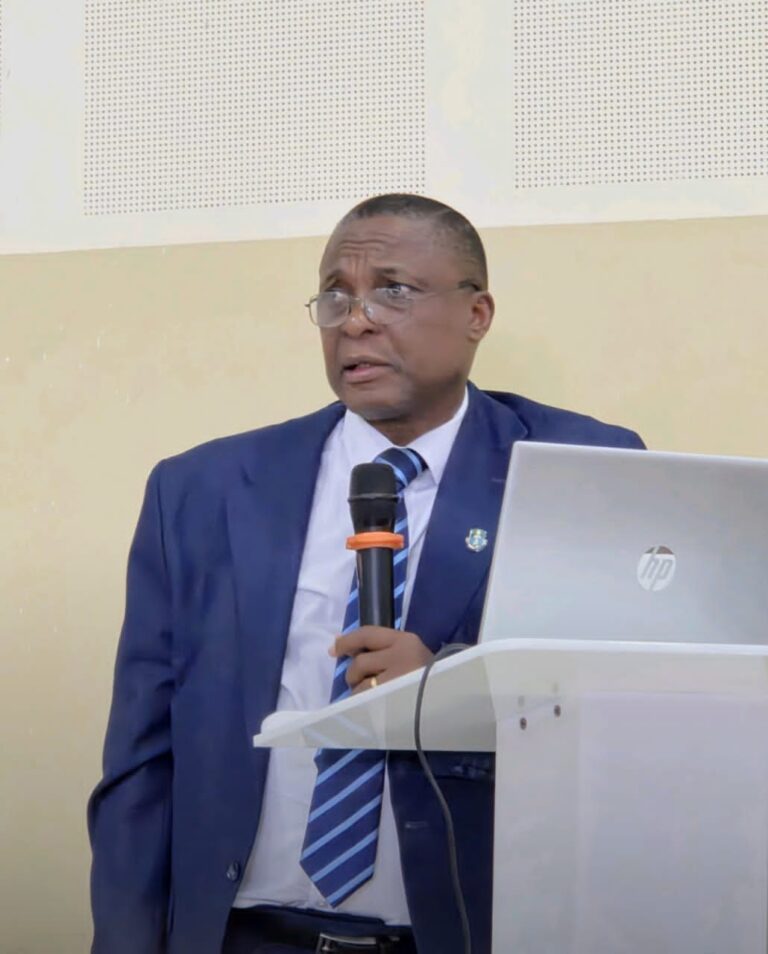
Delivering the keynote address, Professor Emmanuel Ibanichuka stressed the importance of transitioning from manual audit systems to data-driven, technology-enabled procedures. He explained that AI, data analytics, and automation have become essential tools for detecting financial irregularities, strengthening oversight, and supporting evidence-based decision-making within the university system.

In his goodwill message, the Acting Auditor-General of Rivers State, Dr Yorkina Christian, encouraged audit professionals to develop practical capacity in digital auditing tools and foster stronger collaboration with ICT units in their respective institutions. He noted that the successful integration of technology into auditing requires not only improved systems but also consistent ethical conduct, professional discipline, and sustained capacity development.

Earlier in his welcome remarks, the Chairman of the Committee of Heads of Internal Audit Departments and Units of Nigerian Universities, Dr Boniface Woke, stated that the conference was designed to equip practitioners with contemporary competencies for technology-assisted assurance and advisory services. He emphasized that continued peer learning, supportive policy frameworks, and professional training are vital for embedding innovation across audit functions nationwide.

Participants at the conference resolved to promote the use of AI-assisted analytics, strengthen institutional compliance frameworks, and uphold ethical conduct in audit practice, with the overall goal of enhancing transparency, accountability, and financial governance in Nigerian universities.

Paramilitary CBT Exam: Board Advises Candidates On Login Procedure To Avoid Failure

The Civil Defence, Correctional, Fire and Immigration Services Board (CDCFIB) has advised candidates shortlisted for the online Computer-Based Test (CBT) to login 30 minutes each day ahead of the commencement time.

This is contained in a statement by the Secretary to the Board, retired Maj.-Gen. Abdulmalik Jibril, on Wednesday in Abuja.

Jibril said that the online CBT phase of the recruitment exercise commencing on Wednesday (today) would be on till next week and commence at 9:00 a.m., daily.

The paramilitary agencies include the Nigeria Security and Civil Defence Corps (NSCDC), Nigeria Immigration Service (NIS), Federal Fire Service (FFS) and the Nigerian Correction Service (NCoS).

According to the secretary, only candidates who have been officially scheduled will be permitted to login as the portal will open 30 minutes before each scheduled exam.

”To access the exam, candidates are to log into the board’s portal at recruitment.cdcfib.gov.ng at the exact exam window selected during registration.

”They are to complete the photo verification process, and remain in the virtual waiting room until the exam begins automatically at the scheduled time.”

He also advised all candidates to carefully study and adheres to the examination rules to avoid disqualification.

”The system has been designed to monitor and detect all forms of malpractice, third-party interference as well as device manipulation.

”The CBT will be Al-proctored throughout the entire session; so candidates are advised to have a stable internet connection, steady power, as well as the right device-preferably a laptop.

”While mobile phones and tablets may be used, interruptions such as calls or switching applications will trigger violation alerts. Repeated violations will result in automatic failure.

”Candidates who are disconnected after starting, can rejoin within the allotted time and continue from where they stopped,” the secretary added.