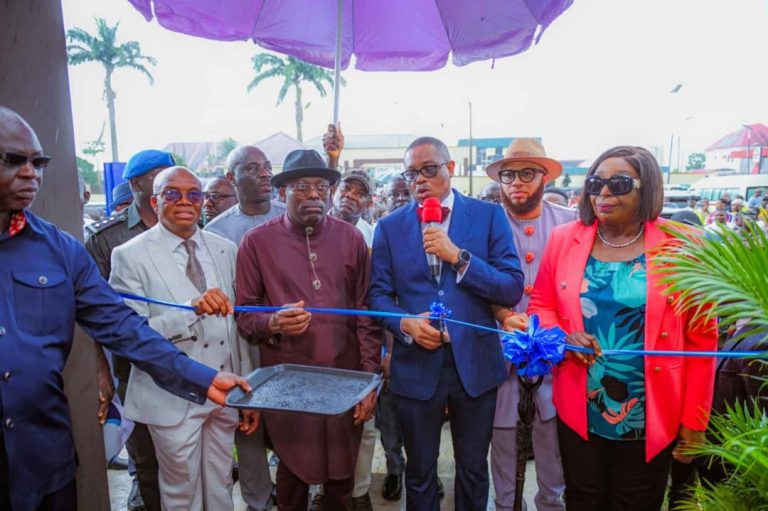


Rivers State Governor, Siminalayi Fubara, on Friday inaugurated the reconstructed Bonny National Grammar School, declaring that the project marked the first state government-commissioned project in the Bonny Local Government Area in more than two decades.
Fubara, who spoke at the inauguration ceremony in Bonny, said the project represented a deliberate shift from the culture of election promises to the delivery of tangible development projects.
“I need to say this, maybe I stand to be corrected, but this is the first time in over 20 years that government is coming to Bonny to commission a project. We’ve been coming here to campaign. We’ve come here to make promises. But now we have gone a step further to ensure that we break that jinx,” he said.
The governor said the reconstruction of the school was not merely an infrastructure project but an investment in the future of Bonny and Rivers State, stressing that education remained the most critical investment his administration could make in the people.
He said the decision to undertake the project was also intended to reaffirm the place of Bonny in the state, assuring residents that the government had not forgotten the island community.
“So, what we have come here to do today is to demonstrate the significance of this wonderful institution and to tell the good people of Bonny that government still remembers you and that you’re part of Rivers State,” Fubara said.
The governor traced the history of the school to 1965, when it was established as a community initiative under the name Government Secondary School, Ogwugwumaka, Bonny. It was subsequently renamed Bonny Grammar School.
He said the institution had produced many prominent sons and daughters of Bonny Kingdom, adding that its restoration was therefore a renewal of an important part of the kingdom’s educational heritage.
Fubara said his administration deliberately chose to invest in Bonny to demonstrate that government could deliver on its promises.
“So, the success we are sharing today is to water the ground so that when we are coming here to campaign, we don’t need to make promises again because you have already seen action. When I’m coming with our party to campaign, you’ll be confident that your brother did something,” he said.
The governor also linked the investment in education to Bonny’s strategic position in Nigeria’s oil and gas industry, noting that the presence of Nigeria LNG Limited (NLNG) and other multinational companies in the area had created opportunities for educated indigenes.
“Today, we have the Nigeria Liquified Natural Gas (NLNG) and other multinationals that are operating in Bonny. Some of our people are working with them and they are working with them because of education. We intend to better the lot of Bonny through education, knowing the importance of Bonny in the hydrocarbon and energy development of Nigeria,” he said.
The ceremony also witnessed a major education intervention as Fubara announced full scholarships for members of Team Rivers who emerged winners of the Presidential Inter-Schools Debate Championship.
The governor said the students had demonstrated exceptional intellectual ability by emerging champions despite difficult conditions.
“Today is not just about the hardware development because we just celebrated a software – our children who participated in the Presidential Debate and performed excellently even in the most difficult conditions. They came out first in the championship,” he said.
Fubara directed the Commissioner for Education and the Permanent Secretary in the ministry to immediately work out the modalities for the scholarship.
“For every one of them that participated, we must make sure that we take full responsibility for their education starting from this minute,” he declared.
He said the scholarship initiative underscored his administration’s commitment to supporting not only educational infrastructure but also the development of young talents across the state.
The state Commissioner for Education, Dr Peter Nwagor in his speech at the occasion, said the reconstruction had transformed the school into a modern educational institution equipped to meet contemporary learning needs.
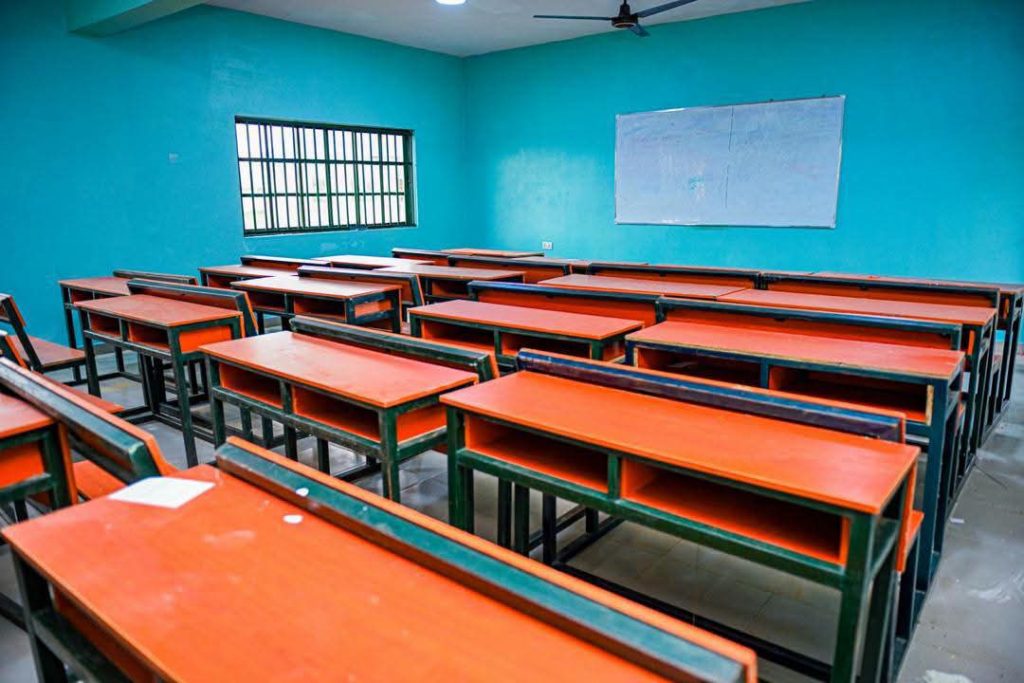
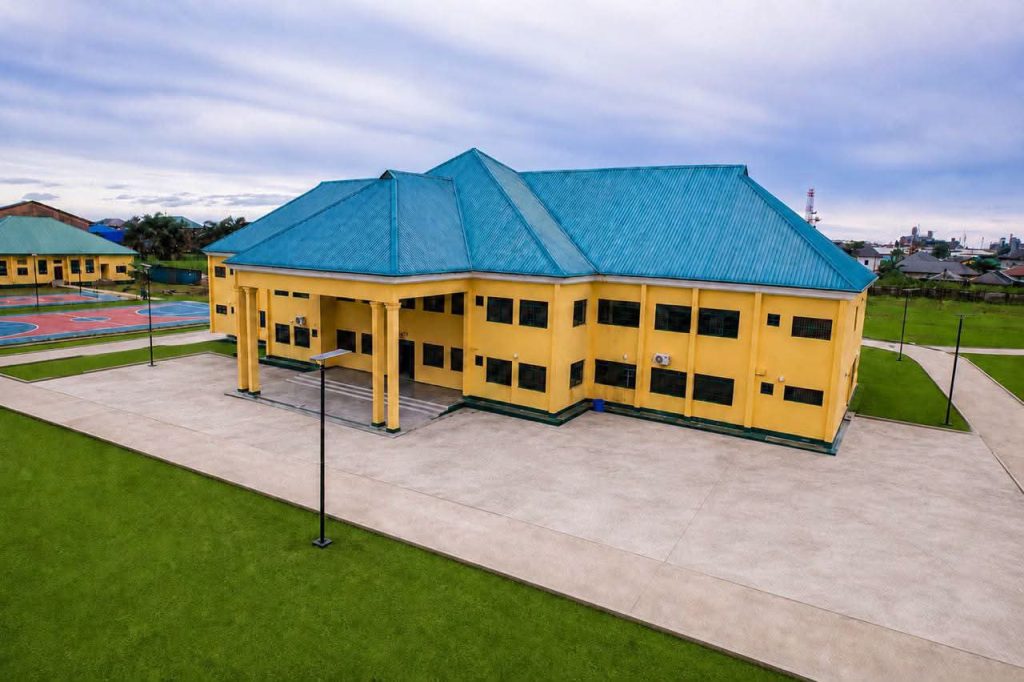
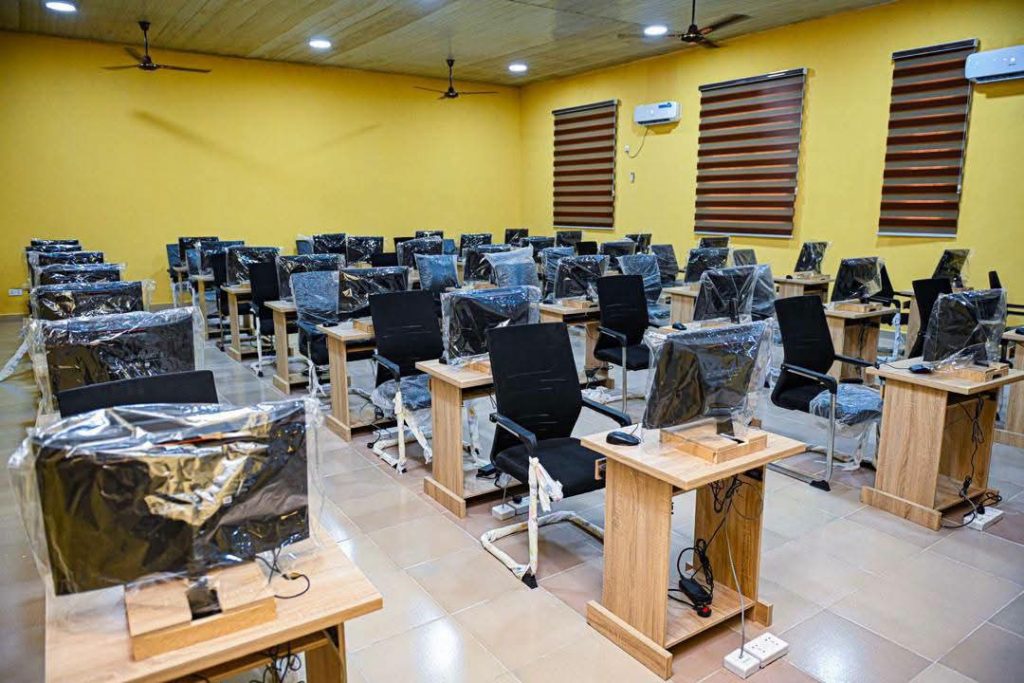
According to him, the project includes renovated classrooms, fully equipped Chemistry, Biology and Physics laboratories, a technical workshop and a new information and communication technology (ICT) centre.
The school also has modern hostel facilities, staff quarters, an assembly hall, a dedicated sick bay and a fully furnished library equipped with books, digital tools and research materials.
The project further includes a sports arena with volleyball and basketball courts, internal roads and drainage systems, solar-powered street lighting, an upgraded low-voltage electricity distribution network, perimeter fencing and a security gatehouse.
Other facilities include interlocking stone pavements and a car park.
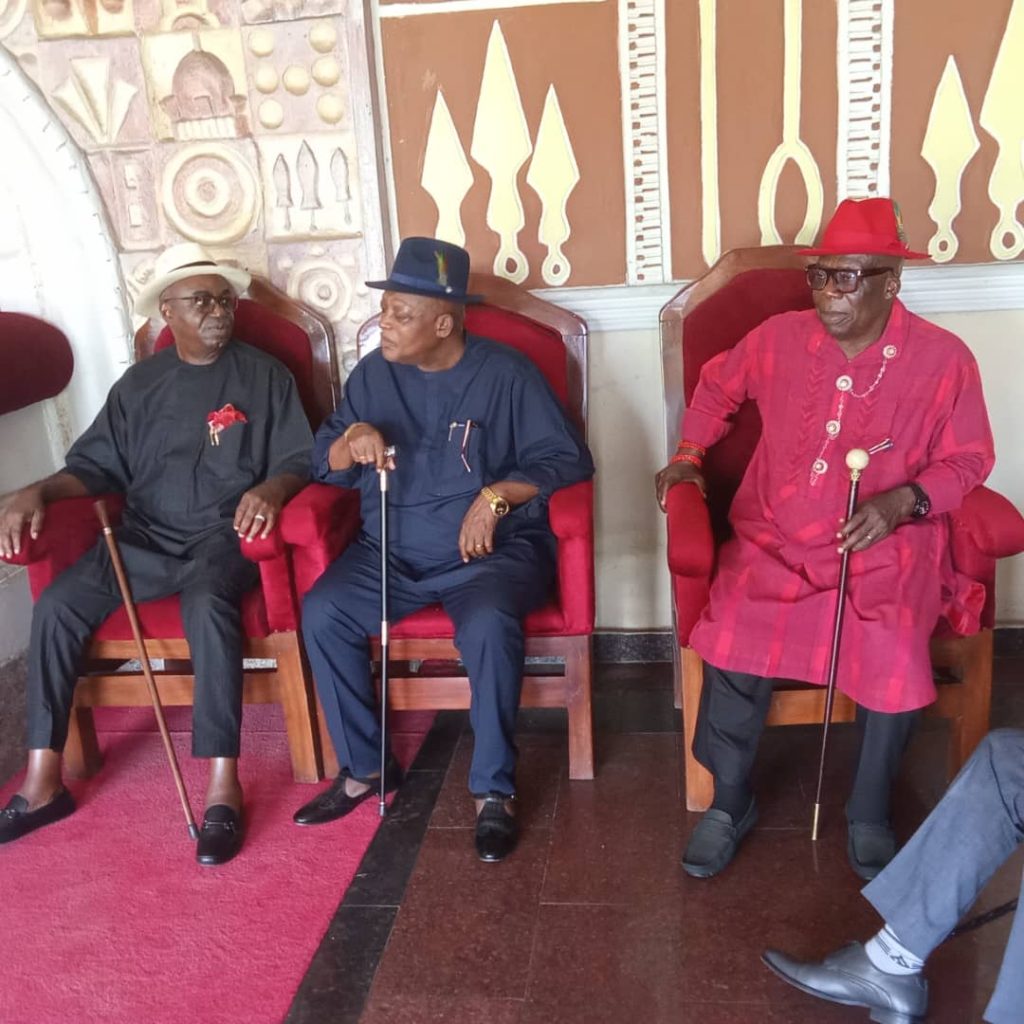
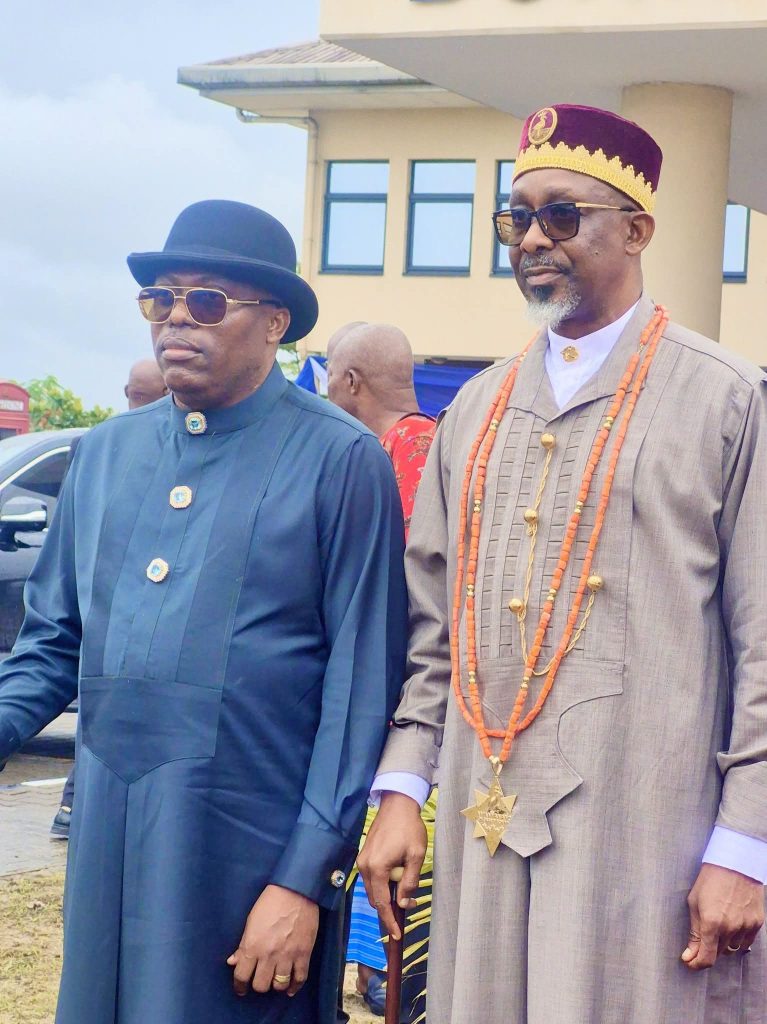
In his speech, the Amanyanabo of Grand Bonny Kingdom, King Edward William Asimini Dappa Pepple III, Perekule XI, who was the special guest of honour, described the project as more than the renovation of a school.
The monarch said the intervention represented the restoration of a legacy and an investment in the future of Bonny.
“Today, we are witnessing the renewal of an institution that has formed an important part of the educational history of our dear Kingdom. For generations, Bonny National Grammar School has served as a centre of learning, discipline, and character formation,” he said.
According to him, the institution had contributed significantly to the intellectual development of Bonny youths who had distinguished themselves in various professions and areas of public service.
The monarch expressed appreciation to Fubara and his administration for rehabilitating and furnishing the school, describing the intervention as evidence of the government’s recognition of the importance of education to the development of Bonny and Rivers State.
Fubara also commended the Bonny monarch for his leadership and efforts to attract development to the kingdom.
He acknowledged the Federal Government’s contribution to the Bonny-Bodo Road project, saying the road had significantly eased movement to Bonny Island.
“What the Amanyanabo has done today has placed Bonny on the map of Africa and the world,” the governor said.
Fubara, who thanked the people of Bonny for their support, pledged that his administration would continue to execute and commission more development projects in the area.
“I’m really happy because it’s happening in our own time. I’m a happy person today because we have done something that looked impossible. I believe that going forward, it will be progress, development, improvement and commissioning of more projects for the Bonny people,” he said.