


….Charge Them to Lead Campaign Against FGM
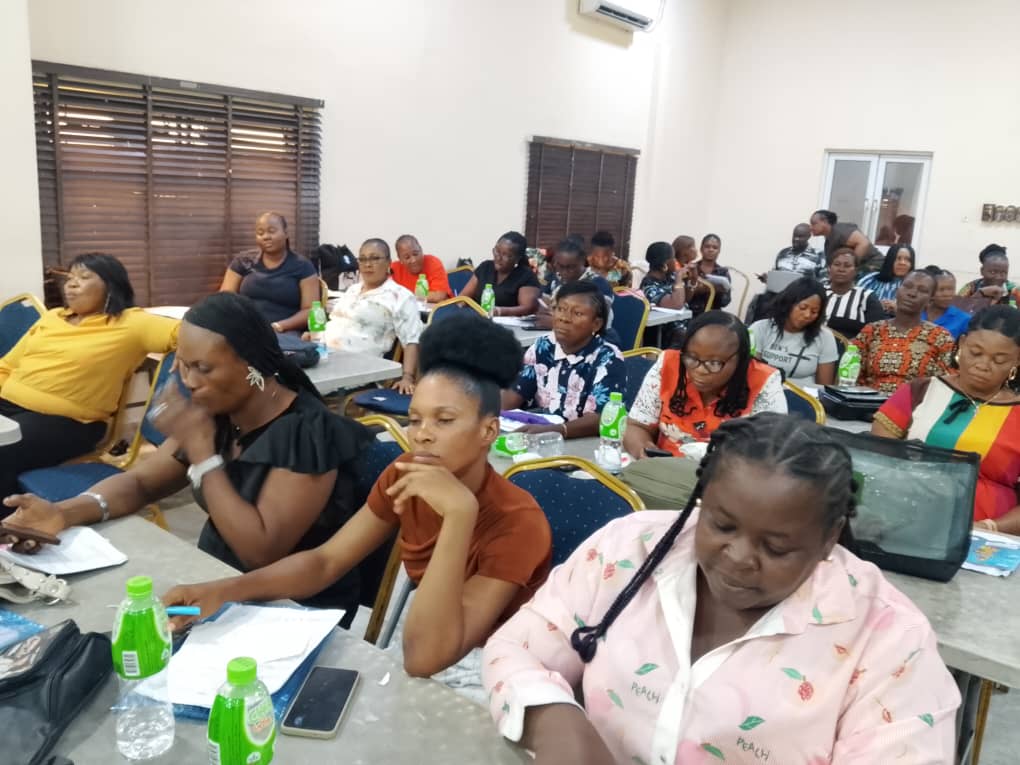
Sixty newly trained Community Facilitators have been charged to lead the movement to end Female Genital Mutilation (FGM) in their various communities in Rivers State.
The 60 trained community facilitators are expected to cascade the training to 15 Adolescent Gender Champions (AGCs) each across 30 communities, bringing the total number of AGCs to 450.
Each AGCs will mobilise 10 of their peers( friends), reaching 4,500 peers who, alongside the AGCs, will conduct step-down training to reach 90,000 female family members across the six LGAs.
The Child Protection Specialist, United Nations Children’s Fund (UNICEF), Enugu Field Office, Victor Atuchukwu, gave the charge at the just-concluded three-day training on FGM in Port Harcourt.
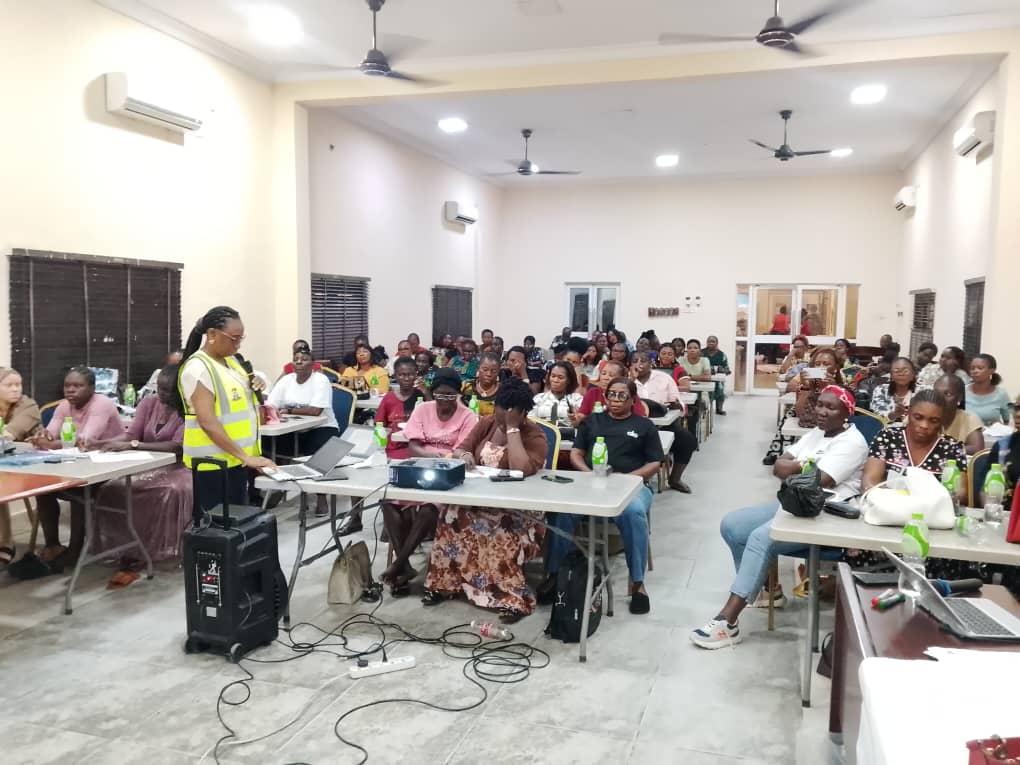
Cross session of the participants during the training session.
The training, organised by the Rivers State Ministry of Health with support from the United Nations Population Fund, UNFPA/UNICEF Joint Programme on the Elimination of FGM, had participants drawn from female youth-led and women-led Community-Based Organisations (CBOs) across Okrika, Ikwerre, Eleme, Ogba/Egbema/Ndoni, Omuma and Oyigbo Local Government Areas.
Speaking shortly after the training, Atuchukwu said the time has come for survivors, women and even one-time perpetrators to take ownership of the fight against FGM.
“Lead the movement, no person is coming to end female genital mutilation for you in your community, only you can.
“But as a survivor, as a woman, or a one-time perpetrator, this is the time for all hands to come on deck to end FGM in our communities,” he charged.
He said the ultimate goal is to ensure every child, girl and woman in Rivers State is protected from violence and harmful practices.
He disclosed that although implementation commenced only last year in four other communities in the state, UNICEF is already recording positive changes in attitudes, behaviours and practices.
He added that the impact on prevalence will be measured by the next national surveys such as the Multiple Indicator Cluster Survey (MICS) and the Nigeria Demographic and Health Survey (NDHS).
“We are beginning to record change in attitudes, change in behaviours, change in practices and abandoning the negative components of the practices that affect women and girls,” he said.
According to him, a strong follow-up mechanism has been put in place to ensure the training translates to action. This includes creation of WhatsApp groups for facilitators and joint supervision by the Ministries of Health, Social Welfare and Rehabilitation, and Justice, as well as direct feedback from communities through pictures and reports.
He added that UNICEF and the UNFPA Joint Programme will also conduct in-person visits to the communities to monitor progress.
The UNICEF’s Child Protection Specialist noted that ignorance remains a major driver of FGM, adding that many participants were unaware that certain practices, including massaging, constitute FGM.
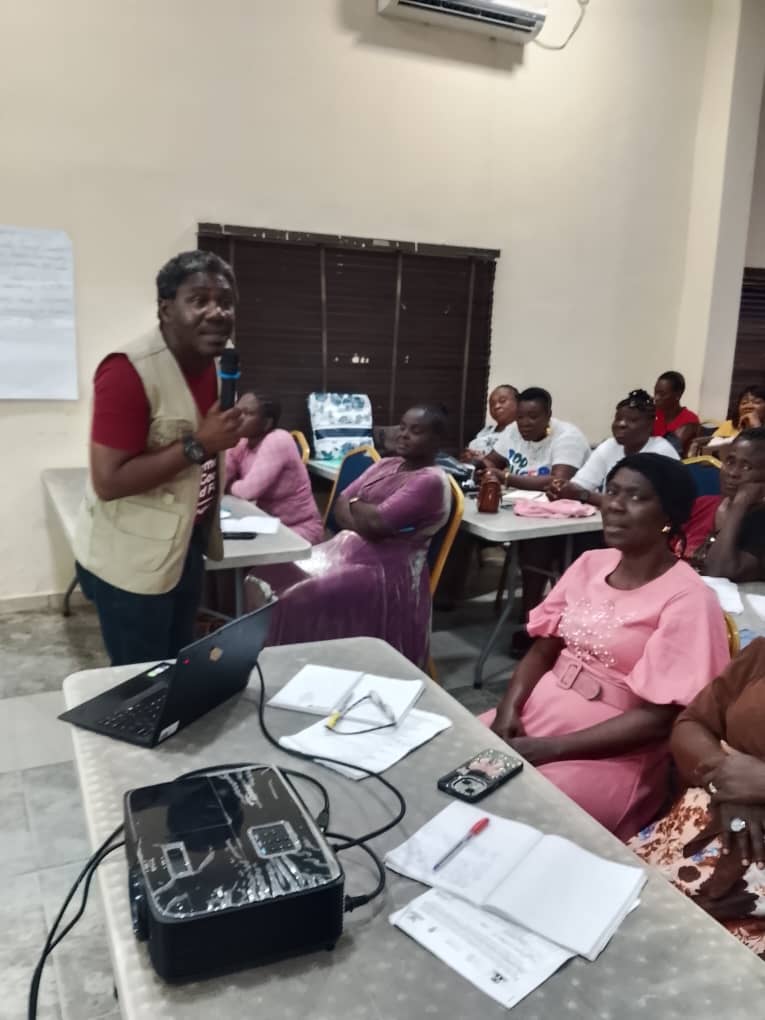
Earlier, the Health Promotion Officer of the Rivers State Ministry of Health, Dr. Mary Obisike, urged participants to remain open to learning new things and unlearning negative beliefs and practices that affect the health of children and communities.
She encouraged the facilitators to apply the knowledge acquired and share it with their respective communities.
Participants described the sessions as “interactive, practical and enlightening.
They commended the facilitators, Victor Atuchukwu, Dr. Mary Obisike, Executive Director of Tomorrow is a Girl, Lucy Uzodimma-Ogodo, her counterpart from Virgin Foundation, Peace Dike, the Rivers State Child Protection Network Coordinator, Inyingi Irimagha, and the Assistant Registrar, Rivers State Family Court, Ugwochi Agala, Esq., for their presentations and participatory teaching methods.
The facilitators pledged to cascade the knowledge gained to their communities, establish and strengthen adolescent circles, and work with Adolescent Gender Champions (AGCs), parents, traditional rulers and religious leaders to promote the abandonment of FGM.
The three-day training featured practical sessions, group work and demonstrations on topics including types and consequences of FGM, adolescent reproductive health, gender concepts, facilitation skills, community dialogue techniques and child protection laws.