


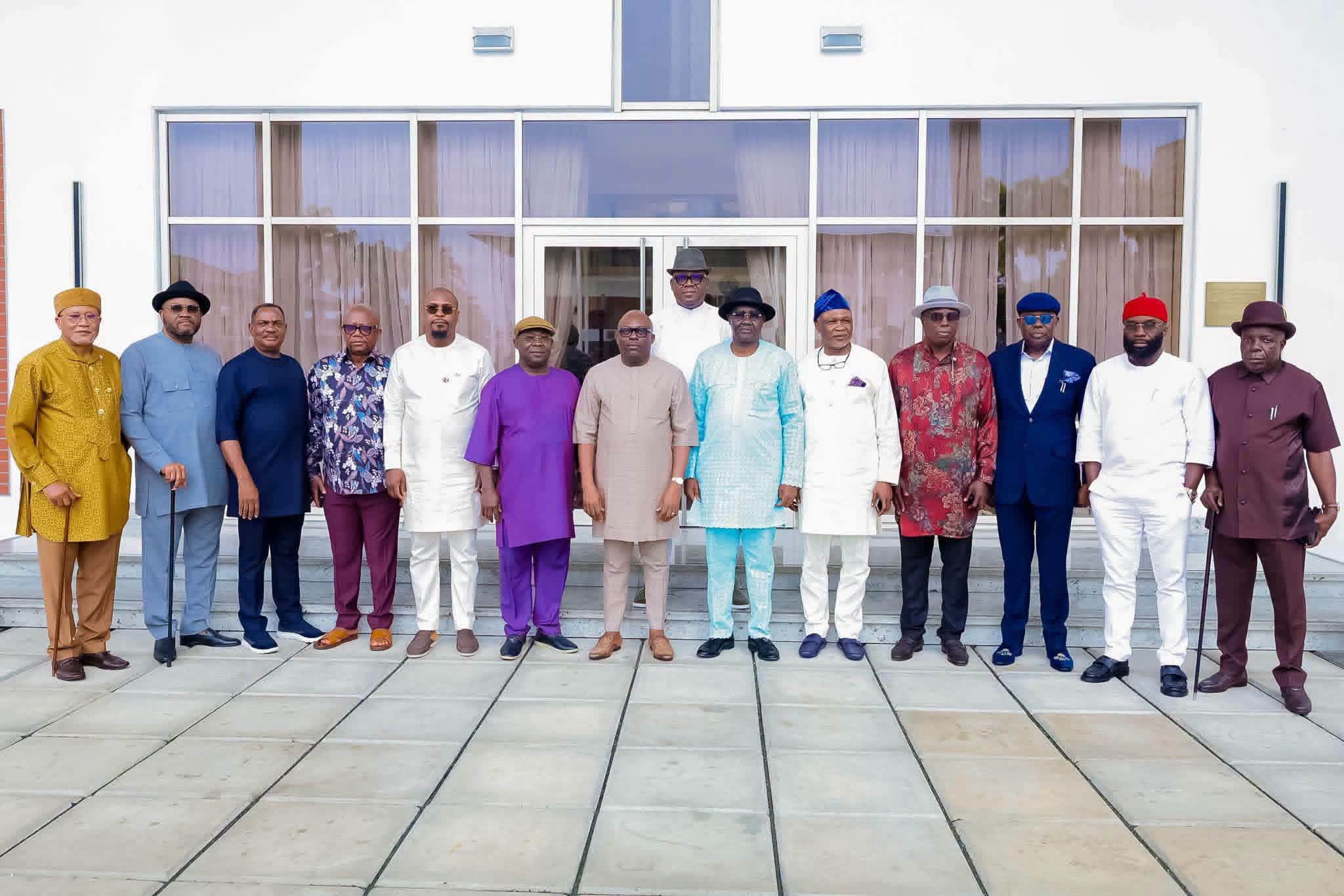
The Reconciliation Committee of the Rainbow Coalition has assured members of the Rivers State political family that no one will be victimised or discriminated against as efforts intensify to restore peace and unity in the state.
The committee gave the assurance on Sunday after meeting with Rivers State Governor, Sir Siminalayi Fubara, at Government House, Port Harcourt, for the second time in about two weeks.
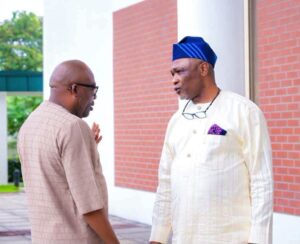
Chairman of the committee, Senator Magnus Abe, said the meeting was convened to further deliberate on the modalities for the ongoing reconciliation among political leaders who had been estranged by past disagreements.
The committee was constituted by the leader of the Rainbow Coalition, former Rivers State governor and Minister of the Federal Capital Territory, Nyesom Wike.
Abe, who briefed journalists after the meeting, said the committee had held several engagements aimed at finding common ground and establishing a framework for members of the political family to work together.
He said the emerging atmosphere of peace would ensure that every member of the group was treated equally and with respect, irrespective of past political differences.
“I’m sure that Rivers people will be very curious to understand exactly what we have been talking about. So, I know that this will be very good news for all Rivers people who are interested in the unity, progress and prosperity of Rivers State.
“We are all in agreement and we have made very good progress,” Abe said.
According to him, the reconciliation efforts marked a significant shift in the political atmosphere of the state and would pave the way for greater unity and development.
“Our coming together signals a significant shift in the political atmosphere of the state and we believe that all well-meaning Rivers people will be very happy to see that finally, the peace that all Rivers people crave for is here,” he added.
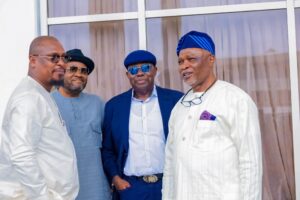
Also speaking, the South-South Zonal Publicity Secretary of the All Progressives Congress (APC), Dr Samuel Nwanosike, commended Governor Fubara for receiving the committee and creating an avenue for the estranged political actors to meet as brothers.
Nwanosike described Sunday’s meeting as a major step towards restoring the political family, saying Rivers people would soon begin to witness the benefits of the reconciliation.
“I’m so excited. The last meeting went well.
Today’s meeting went extraordinarily well and it shows clearly to the people of Rivers State that the family is back; sincerely back and soon, they will see the working of the Rainbow Coalition.
“We will give the people of Rivers State the dividends of democracy they’ve been expecting from all angles,” he said.
Another stakeholder, Chief Ambrose Nwuzi, said members of the group who support Governor Fubara had embraced the reconciliation process, stressing that peace remained the best option for the state.
Nwuzi described the disagreements of the past as part of the challenges that could arise in any human society, saying the political actors had now resolved to move forward.
“Our leader has spoken and our overall leader has equally spoken and accepted that there is need for all of us to reconcile. I can tell you that we have reconciled.
“All that we are waiting for is for the Honourable Minister of the Federal Capital Territory to put the seal on the reconciliation process which has been going on for the past few weeks,” he said.
Among members of the delegation were the APC governorship candidate in Rivers State, Kingsley Ogundu Chinda, and Tamosisi Gogo-Jaja, alongside other stakeholders.
The renewed reconciliation drive comes amid moves to end years of political divisions in Rivers State and rebuild cooperation among key actors in the state’s political establishment.