The Christian Association of Nigeria (CAN) has called on the Federal Government to declare a state of emergency on security, warning that the escalating wave of killings, kidnappings, terrorism and violent attacks across the country has reached alarming proportions and now constitutes a national emergency.
The call formed part of resolutions reached at the National Church Denominational Leaders Summit 2026 held in Abuja under the theme, “The State of the Nation and the Way Forward.”
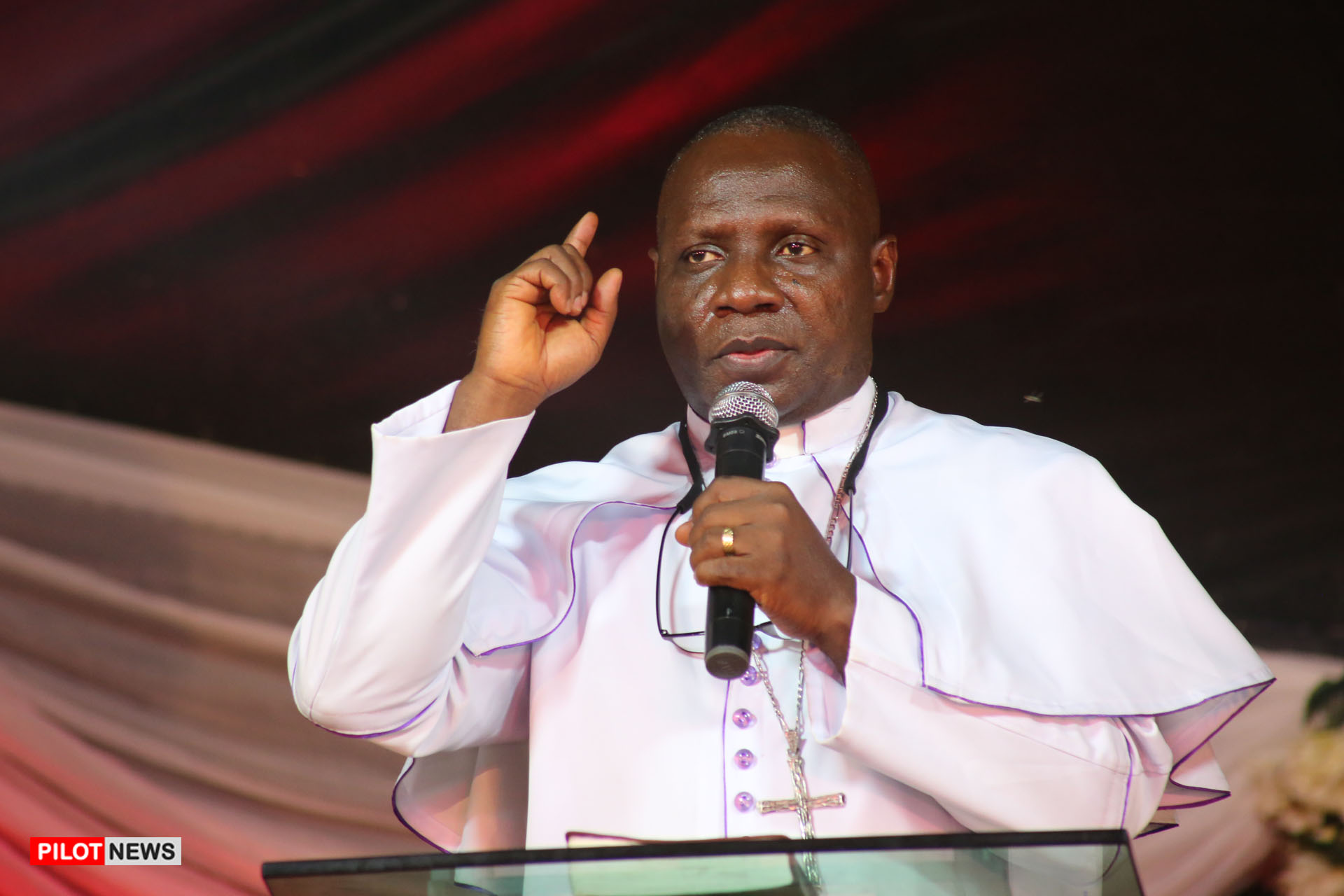
In a communiqué signed by CAN President, Archbishop Daniel Okoh, church leaders expressed deep concern over what they described as worsening insecurity, economic hardship, declining public confidence in state institutions and growing threats to the lives and dignity of Nigerians.
The summit, attended by leaders of major Christian denominations, church administrators, legal practitioners, security experts and representatives from across the six geopolitical zones, lamented the increasing attacks on communities, churches, schools and farming settlements.
According to the communiqué, participants observed that citizens are being kidnapped from homes, workplaces and highways, while farmers are being driven from their lands and innocent men, women and children killed, displaced or subjected to horrific acts of violence.
“CAN expresses profound alarm over the escalating violence across Nigeria, including killings, kidnappings, abductions, terrorist attacks and the destruction of communities,” the communiqué stated.
The association condemned what it described as “barbaric acts of murder, beheading, torture, rape, abduction and forced displacement” and urged the Federal Government to take urgent and decisive action to halt the bloodshed.
CAN reminded government at all levels that the protection of lives and property remains their foremost constitutional responsibility and demanded measurable steps to restore public confidence in the nation’s security architecture.
The church leaders called for a comprehensive review of existing security arrangements, improved intelligence gathering, stronger inter-agency collaboration and greater accountability in the fight against terrorism, banditry and violent crime.
They also renewed calls for the immediate establishment of state police and other lawful decentralised security structures capable of improving intelligence gathering, rapid response and local accountability.
The summit further demanded the unconditional release of all abducted schoolchildren, teachers and other citizens currently in captivity, urging security agencies to intensify rescue efforts until every victim regains freedom.
Expressing concern over the plight of victims, CAN called for the establishment of a comprehensive compensation, rehabilitation and resettlement programme for families affected by terrorism, kidnapping and violent attacks.
The association also advocated the safe return and protection of internally displaced persons, insisting that displaced communities must be resettled in their ancestral homes under adequate security guarantees.
As part of efforts to draw national attention to the security crisis, CAN declared June 12 to June 14, 2026, as a three-day period of national mourning and designated Sunday, June 14, as “Black Sunday” across churches in Nigeria in honour of victims of violence and in solidarity with bereaved families.
The Christian body urged churches nationwide to strengthen humanitarian support, trauma care, youth engagement and peacebuilding initiatives for victims and affected communities.
CAN also expressed concern that political defections, power struggles and premature electioneering activities were dominating public discourse while many communities remained under attack.
The association therefore called on political leaders and parties to suspend divisive political distractions and concentrate on restoring security and rebuilding public confidence.
In addition, CAN appealed to organised labour, professional bodies, civil society organisations, student groups and traditional institutions to join efforts aimed at holding government accountable for the protection of lives and property.
The summit noted what it described as the inadequacy of intelligence gathering and coordination mechanisms and criticised the recurring reliance on conciliatory rhetoric in response to grave security threats, urging a more proactive and results-oriented national security strategy.
Reaffirming its commitment to Christian unity, justice and the defence of human dignity, CAN called on Nigerians, irrespective of religion, ethnicity or political affiliation, to unite against insecurity and work collectively towards national renewal.
The church leaders concluded by pledging continued prayer, advocacy and constructive engagement with government and relevant stakeholders, while expressing hope that Nigeria would overcome its current challenges and attain lasting peace, security and prosperity.