



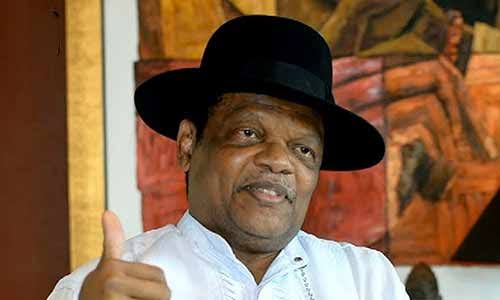
Business leader and founder of Stanbic IBTC Bank, Atedo Peterside, has warned Nigerian leaders against underestimating the grave dangers posed by deepening poverty, rising political tension and eroding public trust in key state institutions.
In a statement shared on his official X account following an interview on ARISE TV with Charles Aniagolu, Peterside said extreme poverty now affects an estimated 140 million Nigerians, creating conditions that could threaten national stability if left unaddressed.
“Our leaders should not underestimate the rising toll that extreme poverty is taking on approximately 140 million Nigerians,” he wrote.
“If all the oppressors gather in a single ruling party then the battle lines will be crystal clear. Security of life and property is already under threat.”
Peterside drew attention to the widening inequality in the country, noting that while a vast majority of Nigerians struggle to survive, a small segment of the population controls a disproportionate share of national wealth. He warned that this growing imbalance is fuelling social pressure and resentment across the country.
According to him, extreme poverty goes beyond economic hardship and has become a major security concern. He explained that widespread deprivation makes citizens, particularly young people, more vulnerable to crime, violence and manipulation by criminal and extremist networks.
“When people are pushed to the brink by daily struggles, they become easier targets for recruitment into criminal and violent activities,” he cautioned, especially in communities with limited economic opportunities.
The ANAP Foundation president also raised concerns about Nigeria’s political climate, warning that the concentration of power within a single political bloc could sharpen divisions and intensify political conflicts.
He argued that such an environment risks turning politics into a zero-sum battle rather than a democratic process, further endangering peace and national cohesion.
Peterside expressed particular concern over declining public confidence in democratic institutions, especially the judiciary and the electoral system. He noted that many Nigerians no longer trust that disputes, including electoral grievances, will be resolved fairly through legal channels.
“People have lost faith in the judiciary and may increasingly resort to self-help to resolve electoral disputes if INEC bungles the next general elections,” he warned.
He stressed that credible elections are critical to national stability, cautioning that flawed polls could inflame existing tensions and trigger unrest, as citizens who feel disenfranchised may conclude that their voices no longer count.
Peterside urged leaders to confront these challenges urgently, warning that failure to do so could have far-reaching consequences for Nigeria’s security and democratic future.