

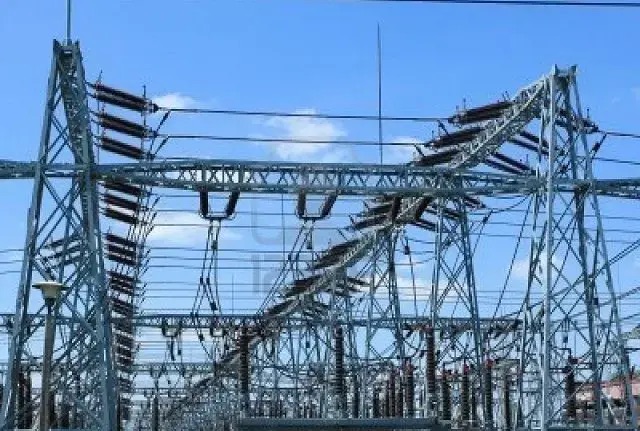
Nigeria’s electricity generation companies have raised a grave alarm over what they describe as an imminent collapse of the nation’s power sector, citing a staggering N6.2 trillion in unpaid capacity and energy invoices.
Under the umbrella of the Association of Power Generation Companies (GenCos), the firms warned that chronic liquidity shortfalls and failure to honour contractual obligations have crippled their ability to sustain operations and invest in expansion.
In a statement signed by the Chief Executive Officer of the GenCos, Dr Joy Ogaji, the companies disclosed that since 2015, they have received payment for only about 35 per cent of power generated and consumed, despite making capacity available to the national grid.
The GenCos argued that the prevailing market practice of recognising only “called-up” capacity — the volume of electricity the transmission and distribution networks can evacuate — while ignoring available capacity, sends negative signals to both local and international investors.
They noted that average grid generation has remained stagnant at about 4,000 megawatts (MW), far below the country’s installed capacity of 15,500MW, attributing the gap largely to liquidity constraints and infrastructure bottlenecks.
“This has severely impacted our ability to invest in capacity maintenance and expansion. We are not being paid for available capacity, and this discourages investment in recovering mechanically unavailable capacity estimated at 7,000MW,” the statement read.
The companies stressed that electricity, once generated, cannot be stored at power plants, explaining that it is transmitted and consumed almost instantaneously. The absence of guaranteed returns on investment, they warned, makes the sector increasingly unattractive.
Describing the situation as a vicious cycle of underperformance, the GenCos identified the lack of enforceable Power Purchase Agreements (PPAs), weak transmission infrastructure and inefficiencies in distribution as major impediments to market stability.
They maintained that since taking over the successor generation companies on November 1, 2013, following the privatisation of the power sector, they have honoured the terms of industry agreements. In return, they claimed, they have faced mounting liquidity crises, contractual defaults, regulatory uncertainties and heightened market volatility.
The companies called for urgent reforms to entrench a contract-based electricity market and uphold the sanctity of agreements, warning that the sustainability of the sector hangs in the balance.
“We need a level playing field to operate efficiently and effectively. The sustainability of the sector is at stake, and immediate government intervention is imperative,” the statement added.