
The United States has imposed sweeping sanctions on eight Nigerians accused of having ties to terrorist organisations, including Boko Haram and the Islamic State of Iraq and the Levant (ISIL), as well as involvement in cybercrime-related activities.
The measures were announced on February 10 by the United States Department of the Treasury through its Office of Foreign Assets Control (OFAC), as part of a 3,000-page update to the Specially Designated Nationals and Blocked Persons (SDN) List.
OFAC said the publication provides formal notice that the property and interests in property of designated individuals within US jurisdiction are blocked under American law pursuant to counter-terrorism and related sanctions programmes.
“This publication of Treasury’s Office of Foreign Assets Control is designed as a reference tool providing actual notice of actions by OFAC with respect to Specially Designated Nationals and other persons… whose property is blocked, to assist the public in complying with the various sanctions programmes administered by OFAC,” the agency stated.
Those listed
Among the U.S. Sanctions Eight Nigerians Over Alleged Terror Financing, Cybercrime Links
The United States has imposed sweeping sanctions on eight Nigerians accused of having ties to terrorist organisations, including Boko Haram and the Islamic State of Iraq and the Levant (ISIL), as well as involvement in cybercrime-related activities.
The measures were announced on February 10 by the United States Department of the Treasury through its Office of Foreign Assets Control (OFAC), as part of a 3,000-page update to the Specially Designated Nationals and Blocked Persons (SDN) List.
OFAC said the publication provides formal notice that the property and interests in property of designated individuals within US jurisdiction are blocked under American law pursuant to counter-terrorism and related sanctions programmes.
“This publication of Treasury’s Office of Foreign Assets Control is designed as a reference tool providing actual notice of actions by OFAC with respect to Specially Designated Nationals and other persons… whose property is blocked, to assist the public in complying with the various sanctions programmes administered by OFAC,” the agency stated.
Those listed
Among the designated individuals is Salih Yusuf Adamu, also known as Salihu Yusuf, identified as having links to Boko Haram. He was among six Nigerians convicted in the United Arab Emirates in 2022 for establishing a Boko Haram cell to channel funds to insurgents in Nigeria. The group was found guilty of attempting to transfer $782,000 from Dubai to Nigeria.
Babestan Oluwole Ademulero was listed under terrorism-related sanctions and identified under multiple aliases.
Also named was Abu Abdullah ibn Umar Al-Barnawi, reportedly born in Maiduguri, Borno State, and flagged under terrorism-related sanctions.
Abu Musab Al-Barnawi, identified as a Boko Haram leader, was included in the designation.
Khaled (or Khalid) Al-Barnawi, born in Maiduguri, appeared twice in the publication under several aliases.
Ibrahim Ali Alhassan, identified as holding a Nigerian passport and reportedly residing in Abu Dhabi, was also linked to Boko Haram.
Abu Bakr ibn Muhammad ibn Ali Al-Mainuki was designated for alleged ties to ISIL.
Nnamdi Orson Benson was listed under CYBER2 sanctions, targeting individuals accused of significant malicious cyber-enabled activities.
Sanctions implications
Under the sanctions, all property and interests in property of the listed individuals within US jurisdiction are frozen. US persons are generally prohibited from engaging in transactions with them.
The measures were issued pursuant to Executive Order 13224, which authorises action against individuals and entities involved in terrorism and terrorism financing.
The US designated Boko Haram a Foreign Terrorist Organisation in 2013. According to the US State Department, the group has carried out deadly attacks in northern and northeastern Nigeria and across parts of Cameroon, Chad and Niger within the Lake Chad Basin, resulting in thousands of deaths since 2009.
Broader diplomatic context
The latest action follows recommendations by some members of the US Congress calling for visa bans and asset freezes on certain Nigerian individuals and groups over alleged violations of religious freedom.
Among those reportedly recommended were former Kano State governor, Rabiu Kwankwaso, as well as the Miyetti Allah Cattle Breeders Association of Nigeria and Miyetti Allah Kautal Hore. However, their names did not appear on the February 10 OFAC sanctions list.
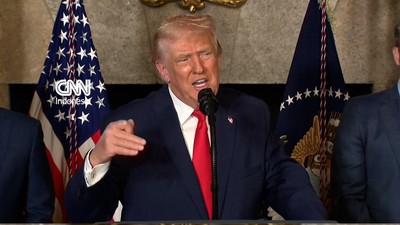
In October 2025, US President Donald Trump announced that Nigeria would be added to the US State Department’s religious freedom watchlist, alleging persecution of Christians.
Nigeria had earlier been designated a “Country of Particular Concern” in 2020 under Trump, a classification later removed by his successor, Joe Biden, shortly after taking office.
The sanctions underscore Washington’s sustained efforts to disrupt terrorism financing networks and curb cyber-enabled threats linked to extremist groups, even as diplomatic tensions over religious freedom and security concerns persist. as Salihu Yusuf, identified as having links to Boko Haram. He was among six Nigerians convicted in the United Arab Emirates in 2022 for establishing a Boko Haram cell to channel funds to insurgents in Nigeria. The group was found guilty of attempting to transfer $782,000 from Dubai to Nigeria.
Babestan Oluwole Ademulero was listed under terrorism-related sanctions and identified under multiple aliases.
Also named was Abu Abdullah ibn Umar Al-Barnawi, reportedly born in Maiduguri, Borno State, and flagged under terrorism-related sanctions.
Abu Musab Al-Barnawi, identified as a Boko Haram leader, was included in the designation.
Khaled (or Khalid) Al-Barnawi, born in Maiduguri, appeared twice in the publication under several aliases.
Ibrahim Ali Alhassan, identified as holding a Nigerian passport and reportedly residing in Abu Dhabi, was also linked to Boko Haram.
Abu Bakr ibn Muhammad ibn Ali Al-Mainuki was designated for alleged ties to ISIL.
Nnamdi Orson Benson was listed under CYBER2 sanctions, targeting individuals accused of significant malicious cyber-enabled activities.
Sanctions implications
Under the sanctions, all property and interests in property of the listed individuals within US jurisdiction are frozen. US persons are generally prohibited from engaging in transactions with them.
The measures were issued pursuant to Executive Order 13224, which authorises action against individuals and entities involved in terrorism and terrorism financing.
The US designated Boko Haram a Foreign Terrorist Organisation in 2013.
According to the US State Department, the group has carried out deadly attacks in northern and northeastern Nigeria and across parts of Cameroon, Chad and Niger within the Lake Chad Basin, resulting in thousands of deaths since 2009.
Broader diplomatic context
The latest action follows recommendations by some members of the US Congress calling for visa bans and asset freezes on certain Nigerian individuals and groups over alleged violations of religious freedom.
Among those reportedly recommended were former Kano State governor, Rabiu Kwankwaso, as well as the Miyetti Allah Cattle Breeders Association of Nigeria and Miyetti Allah Kautal Hore. However, their names did not appear on the February 10 OFAC sanctions list.
In October 2025, US President Donald Trump announced that Nigeria would be added to the US State Department’s religious freedom watchlist, alleging persecution of Christians.
Nigeria had earlier been designated a “Country of Particular Concern” in 2020 under Trump, a classification later removed by his successor, Joe Biden, shortly after taking office.
The sanctions underscore Washington’s sustained efforts to disrupt terrorism financing networks and curb cyber-enabled threats linked to extremist groups, even as diplomatic tensions over religious freedom and security concerns persist.