



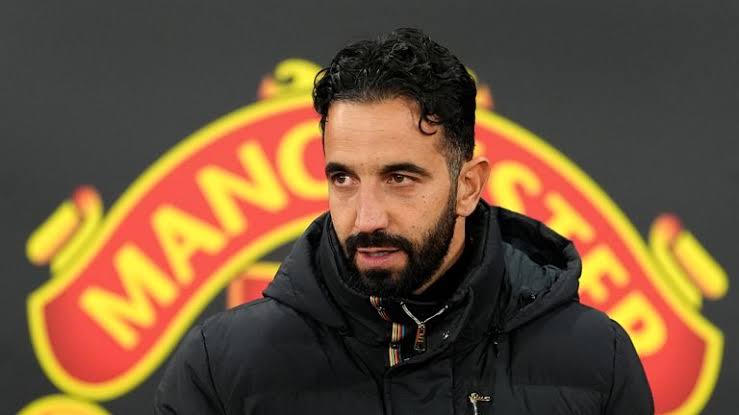
Manchester United’s decision to dismiss Ruben Amorim is being framed internally as a necessary reset rather than a reactionary move, with the club believing the change can stabilise a season that has drifted into uncertainty.
Amorim, appointed in November 2024, leaves with United sixth in the Premier League and still within reach of the Champions League places.
However, his public criticism of the club’s hierarchy after Sunday’s 1–1 draw with Leeds United was seen as a tipping point, exposing fractures that executives felt were beginning to undermine collective focus at a crucial stage of the campaign.
From United’s perspective, the timing is designed to limit further damage. With the team still competitive domestically and fixtures coming thick and fast, the hierarchy believes a swift intervention offers the best chance of restoring clarity, discipline and momentum.
Darren Fletcher’s appointment to oversee the next match against Burnley is intended to provide short-term continuity, drawing on his understanding of the club’s culture and dressing-room dynamics.
Amorim’s tenure was not without achievement. He guided United to the Europa League final in Bilbao last May and attempted to impose a distinct tactical identity.
Yet performances this season have fluctuated, and confidence appeared to wane amid growing scrutiny of his authority.
By acting now, United hope to refocus attention on results rather than rhetoric, while buying time to assess longer-term managerial options.
In a season still salvageable, the club is betting that decisive leadership, however uncomfortable, can yet turn turbulence into opportunity.