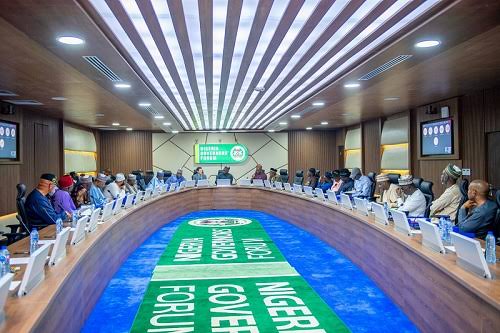
Governors of the 36 states have pledged to support and collaborate with the federal government in its efforts to reform and develop the nation’s creative industry.
The governors took the decision at a meeting of the Nigeria Governors’ Forum (NGF) held in Abuja on Wednesday night after a presentation by the Minister of Arts, Culture, Tourism and the Creative Economy, Hannatu Musa Musawa.
According to a communique issued by the NGF’s secretariat, signed by the forum’s Chairman and Governor of Kwara State, AbdulRahman AbdulRazaq, the governors commended the Fed Govt in its efforts to grow the creative industry.
Part of the communiqué reads, “The forum received a presentation from the Honourable Minister of Arts, Culture, Tourism and the Creative Economy, Hannatu Musa Musawa, represented by Mr. Obi Asika Director-General, National Council for Arts and Culture, on the Strategic Roadmap to grow the sector’s GDP contribution to $100 billion by 2030 and create over 3 million jobs.
“Key initiatives include the $200 million Creative Economy Development Fund, the $1 billion Creative & Tourism Infrastructure Corporation, and projects such as the Lagos Arena, Abuja Creative City, and Renewed Hope Cultural Villages.
“Governors commended the reforms to strengthen intellectual property, expand tourism, and elevate Nigeria’s global presence, and resolved to collaborate through State Creative Economy Desks, co-created festivals, and the adoption of the Naija Season platform.
“The forum observed a minute of silence in honour of the late Pa. Ahmed Momohsani Ododo, father of the Governor of Kogi State, H.E. Usman Ododo. Governors extended heartfelt condolences to Governor Ododo and his family, praying for the peaceful repose of his father’s soul.
Nigerians who wish to procure or renew their international passport would need to cough out more money as the the Nigeria Immigration Service (NIS) has announced an upward review of fees for the Nigerian standard passport. The new rates will take effect from September 1, 2025.
Under the new billing, the fee for a 32-page passport with five-year validity will rise to ₦100,000, while a 64-page passport with ten-year validity will cost ₦200,000.
Previously, the cost for the 32-page passport with a 5-year validity cost N50,000 after it was increased from N35,000. Also, the 64-page passport with a 10-year was N100,000 after being initially increased from N70, 000.
In a statement on Thursday, the Service Public Relations Officer, ACI Akinsola Akinlabi, said the revised charges will apply only to passport applications processed within Nigeria.
However, passport application fees for Nigerians in the diaspora remain unchanged. Applicants abroad will continue to pay $150 for a 32-page, five-year passport and $230 for a 64-page, ten-year passport.
The NIS explained that the adjustment is aimed at sustaining the quality and integrity of the Nigerian passport while ensuring efficient service delivery.
“The Service remains committed to balancing quality service delivery with the need to ensure passport services are accessible to all Nigerians,” the statement read.
The statement reads: “In a bid to uphold the quality and integrity of the Nigerian Passport, the Nigeria Immigration Service hereby announces an upward review of Nigerian Standard Passport fees, set to take effect on 1st September, 2025.
“The review, which only affects Passport Application fees made in Nigeria, now sets a new fee threshold for 32 pages with 5-year validity at N100,000 and 64-page with 10-year validity at N200,000
“Meanwhile, Nigerian Passport Application fees made by Nigerians in diaspora remain unchanged at $150 for 32-page with 5-year validity and $230 for 64-page with 10-year validity.
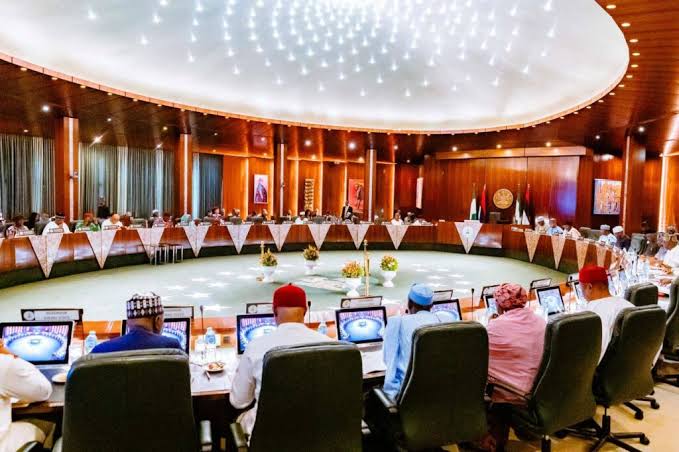
The National Economic Council (NEC) on Thursday approved the Renewed Hope Development Plan (2026-2030), which hopes to achieve a $1 trillion economy by 2030.
The plan is aimed at consolidating Nigeria’s reform agenda and actualising the one trillion dollar economy target of President Bola Tinubu’s administration.
This was part of the resolutions reached at the 151st meeting of the Council, presided over by the Vice-President Kashim Shettima, held at the Presidential Villa, Abuja.
The council commended the Ministry of Budget and Economic Planning for kickstarting the process and also urged the effective participation of all states and stakeholders to ensure inclusivity and accelerated growth.
The Chairman of the Council, Vice-President Shettima, said the new national development plan will build on existing policies, deepen continuity, and align Nigeria’s growth trajectory with the long-term goals of Nigeria Agenda 2050.
He described the transition as critical to sustaining the country’s economic trajectory and consolidating the administration’s ongoing reforms.
“Another major consideration today is the expiration of the National Development Plan 2021–2025 and the preparation of its successor, the Renewed Hope Plan 2026–2030.
” This, to us, is no ordinary transition. It is the bridge between lessons learnt and ambitions pursued.
” The Renewed Hope Plan will consolidate ongoing reforms, deepen policy continuity, and align our medium-term strategies with the long-term horizon of Nigeria Agenda 2050. It’s a practical roadmap towards a one trillion economy by 2030,” he said.
The vice-president emphasised that the plan will be participatory rather than top-down, engaging multiple tiers of government, civil society, and private actors.
“What is even more crucial is that this plan will not be drawn from the ivory towers of Abuja alone. It will be participatory.
”We are going to keep on engaging state governments, local governments, the organised private sector, civil society, labour, youth, and traditional institutions, and the conversation begins here today,” he noted.
Shettima also announced that the National Agency for Science and Engineering Infrastructure (NASENI) has scaled up local production of solar-powered irrigation pumps to reduce energy costs for farmers and expand dry-season cultivation.
” This is the story of the nation’s refusal to be hostage to petrol-powered systems. This is an intervention to lower farmers’ energy costs, expand dry-season farming, and reinforce food security,” he said.
Shettima urged members to maintain the Council’s focus on translating policies into real outcomes for citizens.
“Distinguished colleagues, you have made sure that this Council is not a stage for applause.
” You are the reason it is a workshop for solutions. Let this 151st meeting echo as a continuation of our covenant.
“Let it be remembered not only for the issues tabled but for the resolve shown. Let it move from chamber to community, from rhetoric to result,” he said.
The plan 2026–2030 will serve as a bridge between current reform momentum and the long-term aspirations of Nigeria Agenda 2050.
It is envisaged that the preparation of the new plan will effectively commence in the month of September, 2025, so that it can be completed on time for Mr President to launch it before the end of the year.
It will enable the Federal, State, and Local Government Ministries, Departments and Agencies (MDAs) to ensure that their programmes and projects captured in the Plan are used for the preparation of the 2026 annual budget.
Nigeria still bears the burden of war risk premiums, which had cost the country about $1.5 billion in recent years.
The Federal Government has therefore called for the immediate removal of war risk insurance premiums on ships coming to Nigeria.
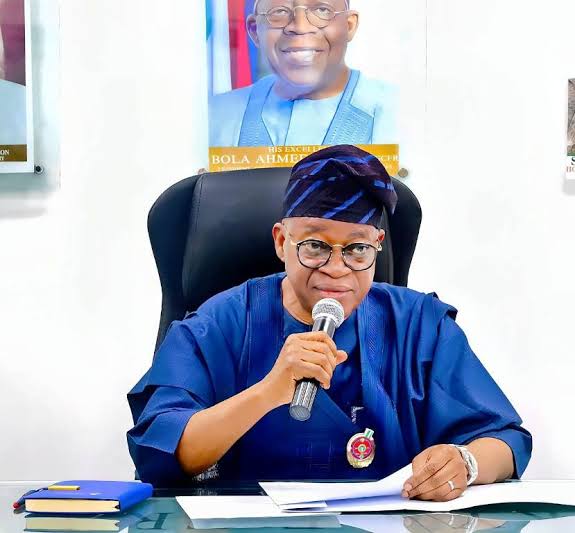
Minister of Marine and Blue Economy, Adegboyega Oyetola, made the appeal on Wednesday in Lagos at the 3rd Annual Maritime Lecture of the Maritime Reporters Association of Nigeria (MARAN).
Oyetola who was represented by his Special Adviser on Media and Communications, Dr Bolaji Akinola, said that the charges, imposed when the country’s waters were unsafe, were no longer justified and were hurting trade.
The minster said that Nigeria had earned the right to be delisted from global maritime high-risk classifications sighting the significant reforms and security strides made in that direction, particularly with the implementation of the Deep Blue Project, which had recorded zero piracy incidents in Nigerian waters in the last four years.
“These premiums are based on outdated perceptions. Nigeria has achieved enhanced maritime security, backed by data-driven evidence.
“Yet, ship owners continue to pay a price that undermines trade and investment,” Oyetola said.
The minister explained that the Deep Blue Project, implemented by the Nigerian Maritime Administration and Safety Agency (NIMASA) in partnership with the Navy, had delivered real-time surveillance and interdiction through integrated air, land, and sea assets.
This, he noted, earned Nigeria global commendations, including removal from the International Bargaining Forum’s high-risk list.
Oyetola said since the ministry was established in 2023, there had been some key achievements which include resolution of the decade-long Apapa gridlock.
Others are the launch of Africa’s first National Policy on Marine and Blue Economy, approval of port modernisation projects in Lagos, Tin Can Island, and Eastern Ports, as well a revenue generation by agencies under the ministry doubling from N700.79 billion in 2023 to N1.39 trillion in 2024, the highest in Nigeria’s history.
It also includes unlocking of the Cabotage Vessel Financing Fund to support indigenous ship owners, establishment of a technical committee for a private-sector-led national shipping line and reforms to boost aquaculture and inland waterway safety.
He disclosed that the ministry was engaging international bodies such as BIMCO, the International Chamber of Shipping, and Lloyd’s of London to present verifiable data and push for policy changes.
According to him, plans are also underway to strengthen local marine insurance, deepen regional cooperation, and sustain robust security reporting.
Oyetola expressed optimism about the future of Nigeria’s blue economy, pledging continued efforts to modernise ports, empower local operators, and make the sector a key driver of jobs, growth, and sustainability.
Earlier in his welcome address, MARAN President, Mr Godfrey Bivbere, commended the minister’s reforms but stressed that the continued imposition of war risk premiums was a major setback to Nigeria’s maritime trade.
“The persistent charges affect not just ship owners and terminal operators, but the entire value chain, from importers and exporters to the average Nigerian consumer.
“It undermines competitiveness, cost-efficiency, and investor confidence,” he said.
Bivbere explained that the annual lecture was convened to provide a platform for policymakers, industry leaders, and global stakeholders to exchange ideas and chart solutions.
“MARAN, as the voice of maritime journalism and advocacy, is proud to host this forum. The goal is clear; to galvanise collective effort toward lifting the war risk designation that has long shadowed Nigerian waters,” he said.
The lecture brought together security experts, government officials, and ship owners.
It also had in attendance other stakeholders committed to strengthening maritime reforms and ensuring that Nigeria fully reclaims its place as a maritime hub in West Africa.
Investors lost N324 billion on Wednesday as persistent sell pressure dragged the equities market into negative territory.
The downturn was primarily driven by losses in Cornerstone Insurance, RT Briscoe, ABC Transport, NGX Group, Mutual Benefits and 36 other stocks.
Specifically, the market capitalisation, which opened at N89.696 trillion, dropped by N324 billion or 0.36 per cent to close at N89.372 trillion.
Similarly, the All-Share Index fell by 0.36 per cent or 512.60 points to close at 141,248.76, compared to 141,761.36 recorded on Tuesday.
Meanwhile, the market breadth also closed negative with 40 losers against 17 gainers.
Cornerstone Insurance and RT Briscoe led the losers’ table by 10 per cent each, closing at N6.39 and N3.06 per share respectively.
ABC Transport followed by 9.80 per cent, settling at N4.51 and NGX Group fell by 9.70 per cent, finishing at N53.55 per share.
Also, Mutual Benefits shed by 9.58 per cent, ending the session at N4.06 per share.
Deap Capital Management led the gainers’ table by 4.82 per cent, closing at N1.74 while Legend Internet rose by 4.63 per cent, finishing at N5.65 per share.
Honeywell Flour Mill dipped by 4.17 per cent, settling at N22.50 and Tantalizer dropped by 3.60 per cent, ending the session at N2.59 per share.
Similarly, Africa Prudential gained by 3.13 per cent, closing at N16.50 per share.
Analysis of the market activity revealed increase in market volume and value with a decline in market transactions as 682.9 million shares worth N22.2 billion were traded across 28,695 transactions.
This is compared to 605.02 million shares valued at N12.89 billion that was exchanged across 28,845 transactions earlier on Tuesday.
Meanwhile, FCMB Group led the activity chart in volume of 108.5 million shares valued at N1.19 billion.
This marked the third consecutive trading session in the week FCMB Group would be leading the market activity in volume.
Sterling Bank followed with 86.04 million shares worth N688.1 million while Cutix sold 45.8 million shares valued at N155.69 million.
Access Corporation transacted 39.34 million shares worth N1.1 billion and FirstHoldCo traded 35.8 million shares valued at N1.16 billion
The Niger Delta Ethnic Nationalities Youth Leaders Forum (NDENYLF) on Wednesday staged a protest at the Nigerian National Petroleum Company Limited (NNPC Limited) Towers, Abuja calling on its Group CEO, Mr Bashir Ojulari to quit.
The group demanded that the GCEO should be replaced over alleged corruption and mismanagement.
The youths also demanded the appointment of an indigene of the Niger Delta region as the GCEO of the oil giant.
They arrived at the towers in their numbers and blocked the entrance and exit gates of the company, holding banners, with different inscriptions, while chanting solidarity songs.
On one of the inscriptions on the banners, the coalition called for the replacement of the GCEO over alleged corruption.
They also called for the reopening of the Port Harcourt Refinery and restoration of all indigenes of the Niger Deltans sacked by Ojulari.
The protest disrupted vehicular traffic on the roads, while security agents were seen appealing to the protesters, trying to maintain orderliness and ensuring a free flow of traffic.
Motorists and NNPC Ltd. workers were forced to park their cars far away from the gates of the towers due to the protest.
Management of NNPC Ltd. later went into a close door meeting with some officials of the coalition of Niger Delta Youth leaders, while normalcy returned.
Comrade Edet Eyo, President, Oro Youth Movement (OYOM), said that after meeting with the management who promised to look into their demands, they decided to go into consultation with their members to suspend the protest.
Operations of the Rivers State Microfinance Agency is on the brink of a seismic shift as two seasoned professionals assume leadership in the organisation.
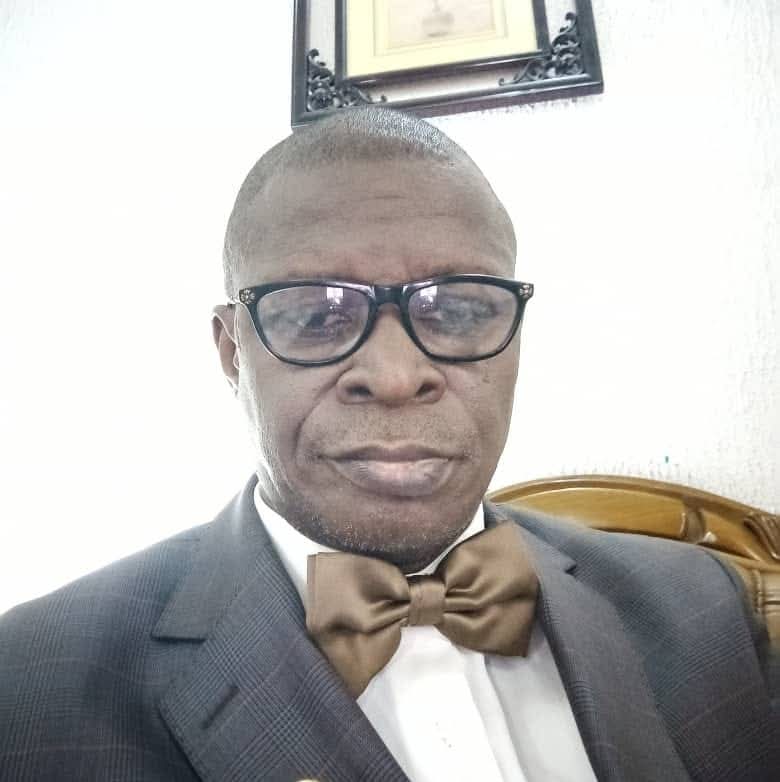
Prof. Adolphus Toby
The appointment and subsequent inauguration of the board of the agency by the Rivers State Government is seen as a bold move aimed at boosting micro, small, medium-sized enterprises in the state.
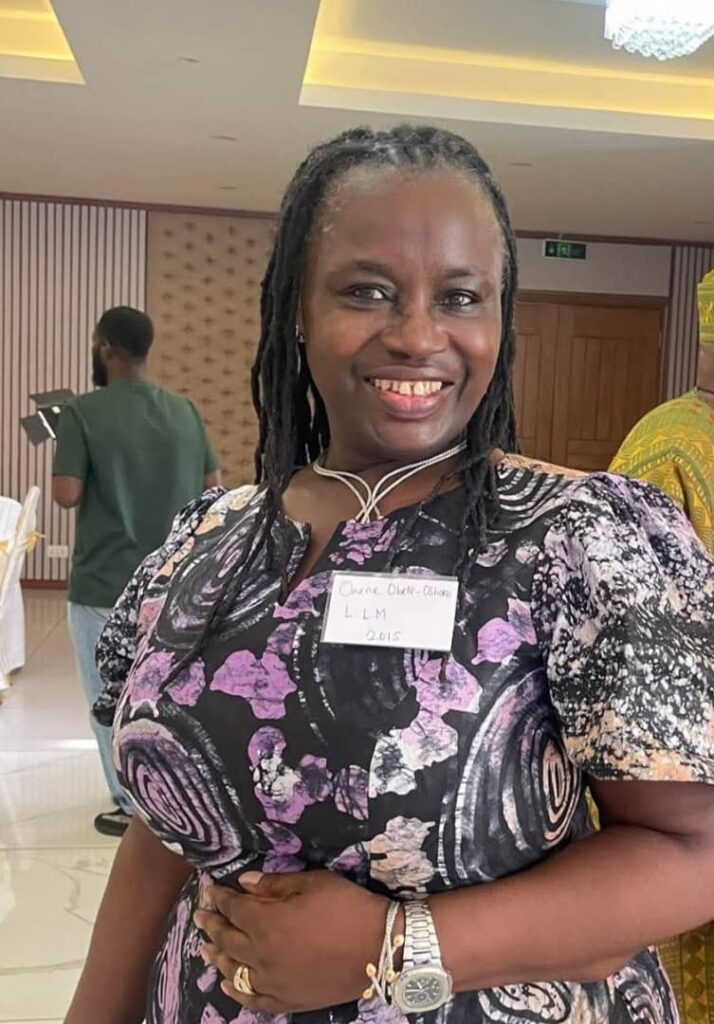
The icing on the cake is the appointment of the power duo of Adolphus Toby, Professor of Banking and Corporate Finance at the Rivers State University as Chairman and Onene Osila Obele-Oshoko, a former Chairman of the Rivers State Board of Internal Revenue, a professional financial expert and administrator with extensive experience in corporate and public sectors, as Managing Director.
Their arrival signals more than a change of guard—it marks the beginning of a bold reform agenda designed to reposition the institution as a catalyst for grassroots economic growth. It also comes with a mandate to deepen financial inclusion, restore public confidence, and inject fresh energy into the agency, which was established in 2008.
Industry watchers have labelled the appointments as a game-changing move with expectations running high that this dynamic partnership will deliver transformative results that will alter the economic landscape of Rivers State for good.
The primary purpose of the Rivers State Microfinance Agency is to create employment and reduce poverty. Among its objectives are “developing human capacity and instituting a sustainable framework of reaching out to the active poor,” through providing credit to small businesses and low income earners.
Obele-Oshoko
Over the years, the agency struggled to live up to its mandate, often operating in fits and starts. It was bogged down by beauracratic bottlenecks and challenges, political interferences, inadequate funding, and lack of adequate and deep understanding of the intricacies of managing such an agency.
In 2024, the administration of Siminalayi Fubara established a four billion Naira matching fund with the Bank of Industry (BoI) to support existing and new MSMEs to grow their businesses in order to drive economic growth and create jobs and wealth for the citizens. Before his suspension from office in March 2025, about 1,387 out of 4000 profiled businesses benefitted from the N4 billion loan facility.
It is a widely known fact that most nations across the globe, even countries like the United States of America, countries in Europe and Asia, began their economic history from the micro level before the eventually grew to the present day status as industrialised nations.
Microfinance is intended to be an instrument of change and consolidation, but many people, including MSME business owners wishing to either start-up or expand/diversify, cannot access loans to finance their activities.
Accessibility has been a major impediment to MSMEs’ drive for capacity-building for emerging nations to prosper economically. In Rivers State, the inability of many MSMEs to access loans from the RIMA has led to most of them shutting down sooner than expected, while some,even with the best of ideas, could not take off because of lack of support.
Thus, the appointment of Toby and Obele-Oshoko as Chairman and Managing Director, respectively, among other members, is very strategic and aimed at making the RIMA a showpiece of innovation, forward-thinking, and hands-approach to sustainable progress and prosperity of MSMEs in the state.
Toby, a distinguished and renowned academic with decades of experience in banking and finance, brings a wealth of knowledge to the fray, especially with his core interests in banking regulation and compliance issues, incentives information and corporate control, ecosystem corporate finance, and public sector financial accountability and fiscal responsibility with core competencies in PEFA, PPP and concessioning frameworks.
At the Rivers State University, Toby has been a former Dean, Faculty of Management Sciences and Dean of Postgraduate School, Chairman, Senate Business Committee and Chairman, Board of Directors, Nkpolu-UST Microfinance Bank, at various times, and a Fellow of very reputable organisations. They include, the Institute of Professional Financial Managers, London; African Institute of Public Administration, Ghana; Institute of Management Consultants, among so many others.
Toby, is one Professor whose career is defined by results based on his ability to blend evidence-based strategies with local strategies, would obviously put his pedigree to work at the RIMA.
To complement this versatile academic, the new Managing Director, Obele-Oshoko, a disciplined, focused and dependable professional achiever with a strong drive for building teams that deliver on organizational mandates, is poised to deploy her managerial acumen to the benefit of the RIMA.
Obele-Oshoko, a chartered accountant and a Fellow of the Institute of Chartered Accountants of Nigeria, Fellow of the Chartered Institute of Taxation of Nigeria, among other professional bodies, is also a Certified Fraud Examiner and holds a Master of Laws (LLM) in International Business Law from the University of Liverpool.
She is expected to deploy her wealth of knowledge and expertise as a former Chairman of the Rivers State Board of Internal Revenue from 2012-2015 to impact the RIMA. It is on record that as Chairman of the Boardof Internal Revenue, she enhanced the perception and brand visibility of the Rivers State Internal Revenue Service, making it the strongest public service brand in the state. She also strengthened the RIRS to become one of the most viable Internally Generated Revenue mechanism for the Rivers State Government. During her tenure, she implemented control measures that drastically reduced fraud and leakages and enhanced the quantum of revenue collections of the state.
Obele-Oshoko has already set the tone for the restructuring and operational efficiency of the RIMA. In her first meeting with staff of the agency, she outlined her vision for the agency and sought their cooperation.
She pledged the RIMA under her watch would prioritize empowering small businesses across the state by providing access to training, funding, and financial discipline.
“We are not going to restrict our activities to businesses in Port Harcourt alone. We will reach out to people in other places outside the state capital. We will help to reduce the barriers to them. But they must pay back loans. Those that fail, we shall come for them,” Obele-Oshoko said.
Indeed, there is no doubt that the combination of these versatile, intelligent, pragmatic and results-driven duo of Prof. Adolphus Toby and Onene Obele-Oshoko would herald a new dawn for the RIMA and Rivers State in general. They have the will, the passion, the technical know-how to deliver and make a difference.
In a move aimed at protecting the integrity of the Chieftaincy institution in Bonny Kingdom, the Bonny Chiefs’ Council has warned its members to desist from involvement in politics and exhibition of partisanship in political matters or risk suspension from its activities.
By the customs and conventions of the Bonny Kingdom, chiefs who are custodians of tradition and culture, maintain unity of the people and are expected to remain neutral in political contests. This is aimed at safeguarding the integrity of the chieftaincy institution and ensuring that chiefs remain fathers to all, irrespective of political affiliations.
The warning was issued at the end of the session of the council on Wednesday, August 20, 2025, in Bonny after deliberations on the report of the names of three chiefs published as members of the campaign council of a political party in respect to the forthcoming local government elections in Rivers State.
In a five-point communique issued at the end of the session, which was jointly signed by the chairman, Bonny Chiefs’ Council, Se- Alabo (Amb.) Dagogo Soala and Palace Secretary, Festus S. Pepple, the council stated that, “failure to comply with this directive shall attract appropriate traditional sanctions as provided by the customs and standing orders of the Chiefs’ Council, including but not limited to suspension from participation in the council’s activities.”
The Council said it initiated steps and verified that chiefs Adienyesigha John Phillip Halliday, Iganima Jack Manila Pepple and Benjamin Adda-Allison were named as “members of the campaign council of the All Progressives Congress (APC) for the Bonny Local Government Elections in Bonny LGA.”
According to the communique, the affected chiefs were directed to withdraw their names from the list and desist from involvement in partisan political campaign structures and rather maintain the apolitical structure of the Chiefs’ Council in Bonny.
The communique, which was issued from the King Perekule Royal Palace, Bonny, assured the people of the kingdom that the chiefs’ council will remain neutral in any political process. They also resolved that any chief who engages in partisan politics “does so strictly in his personal capacity and shall not enjoy the recognition, privileges, or protection of the council.”
The Executive Secretary of the Rivers State Contributory Health Protection Programme (RIVCHPP), Dr Vicky Agala, has emphasised that health insurance takes away catastrophic health expenditure when and where healthcare services are needed. She, therefore, urged Rivers residents to embrace and register with RIVCHPP, which is the state health insurance agency, to give them the opportunity to access quality healthcare services without paying from their pockets.
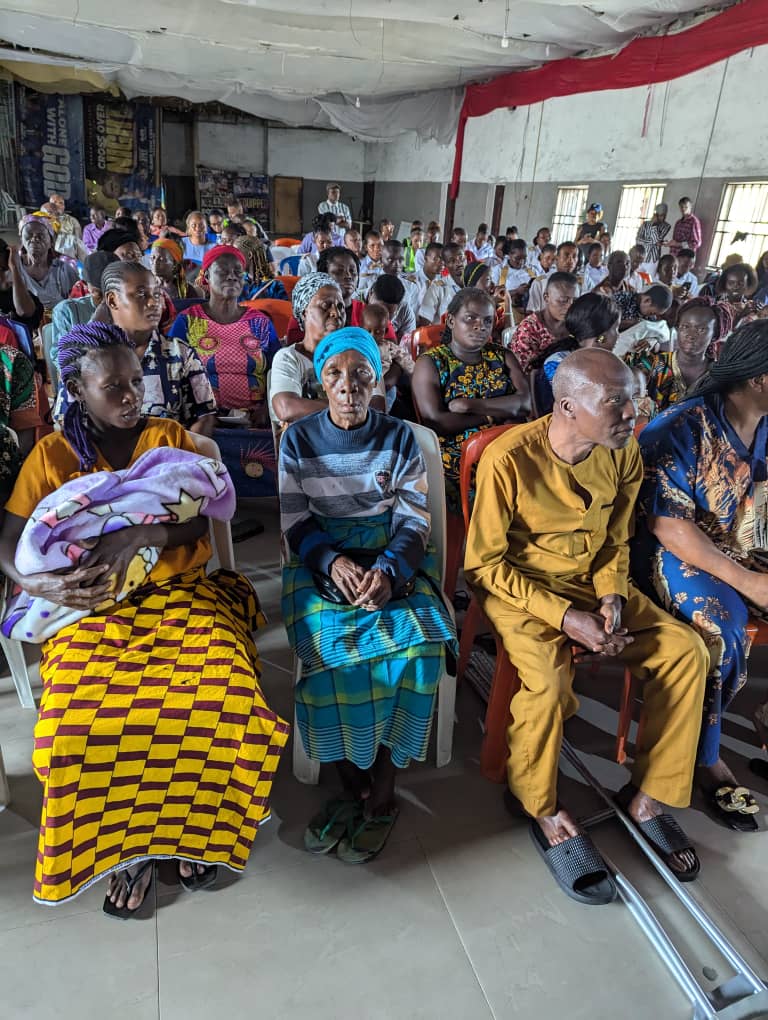
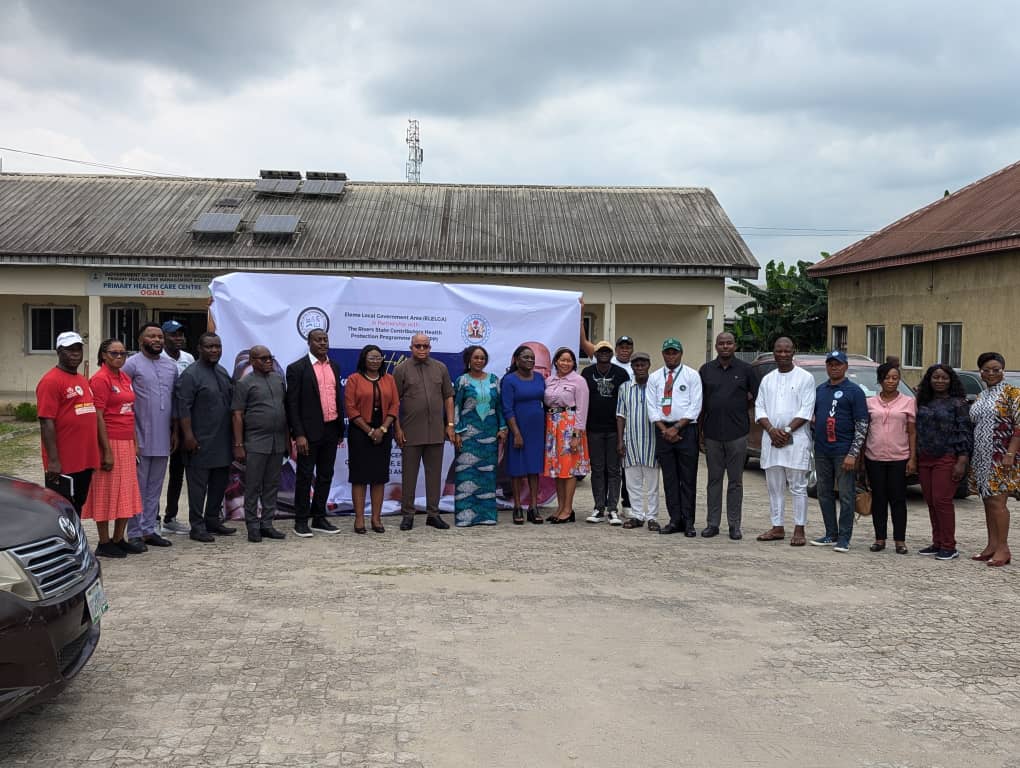
Dr. Agala made the disclosure at a town hall sensitisation/feedback and enrolment meeting for RIVCHPP’s enrollees in Oghale-Eleme in Eleme Local Government Area of the state.
The RIVCHPP Executive Secretary, who said that RIVCHPP has enrollees in all the 23 local government areas of the state, however, decried the apathy of the people in accessing healthcare at the facilities. She said that it was the outcome of the data showing poor utilisation of the programme that necessitated the town hall meeting to get feedback.
Dr. Agala specifically mentioned that the utilisation of healthcare for Eleme Local Government Area was disappointing and appealed to the people of the area to register in order to enjoy robust health care services.
Welcoming stakeholders to the town hall meeting, the Administrator of Eleme Local Government Area, Dr. Gloria Obo Dibiah encouraged the people of the area to wholeheartedly accept RIVCHPP’s programme because of the benefits that will help them live healthier, promising to partner RIVCHPP to enrol 2000 Eleme citizens and residents into the health insurance scheme.
Speaking at the event, the state representative of Clinton Health Access Initiative (CHAI), Dr. Simene Sangha said that beyond the services by RIVCHPP, his body wants to work closely with enrollees of RIVCHPP to identify barriers to services, as to proffer solutions, not only them but also on how to improve on the utilisation of the services.
In an address at the meeting, the Senior Special Assistant on Health to the Administrator of Rivers State, Prof. Chituru G. Orlunwene admonished people of the State to take their health needs seriously, saying that healthcare is expensive, but that if they embrace and register with RIVCHPP, they can have access to quality healthcare services without paying from their pockets at the point of accessing healthcare.
Expressing their gratitude to the state government for making RIVCHPP functional in the state, some beneficiaries of RIVCHPP thanked the government for saving them money and stress and at the same time making it possible for them and their children below five years to enjoy free, but quality healthcare services.
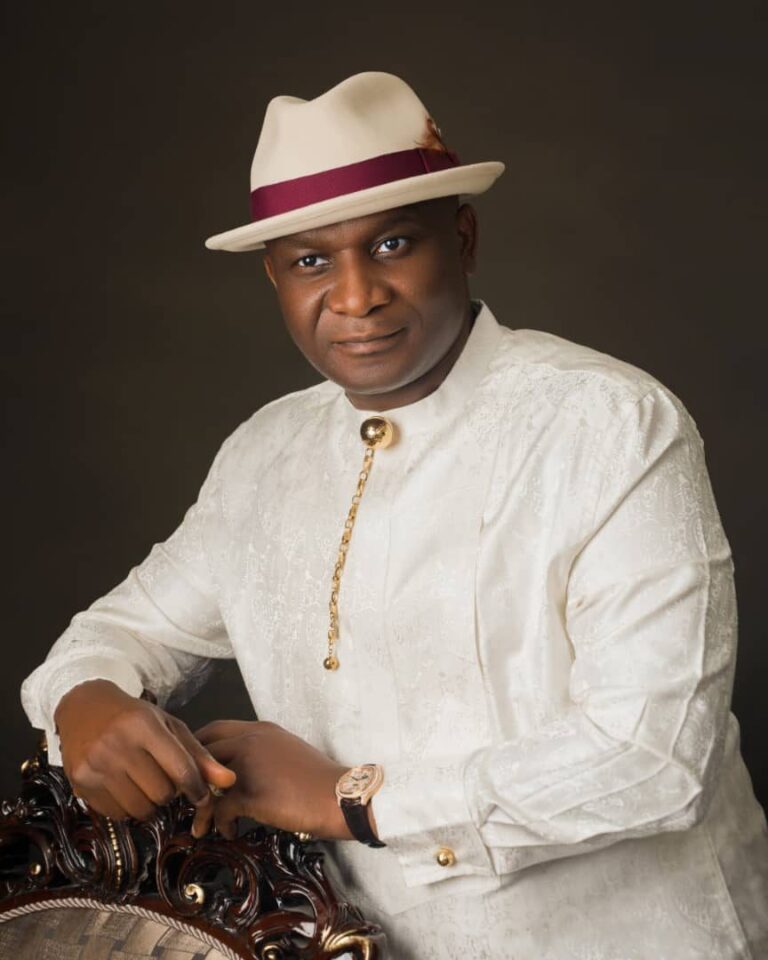
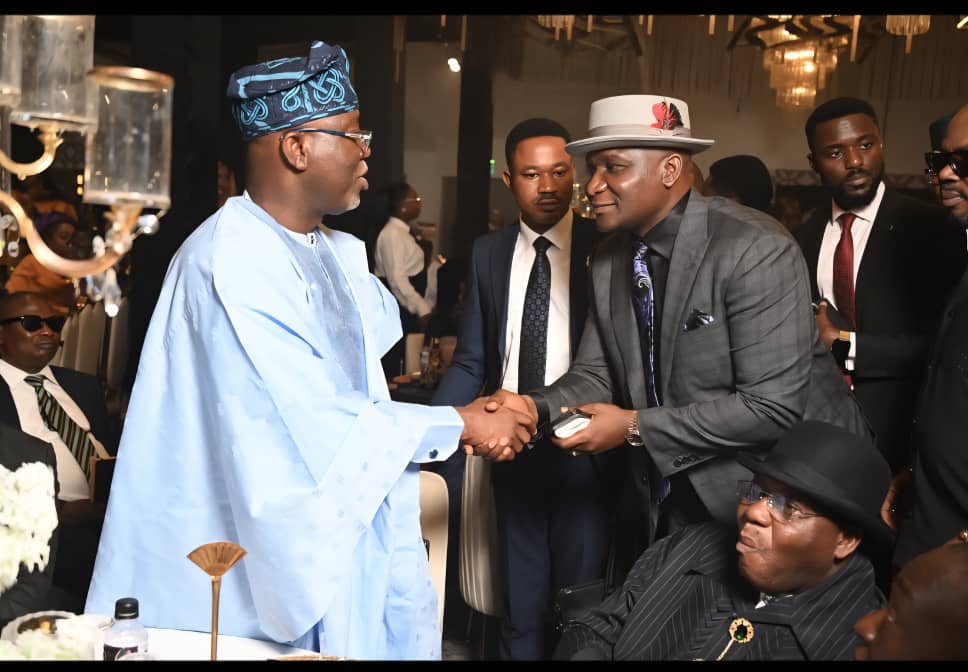
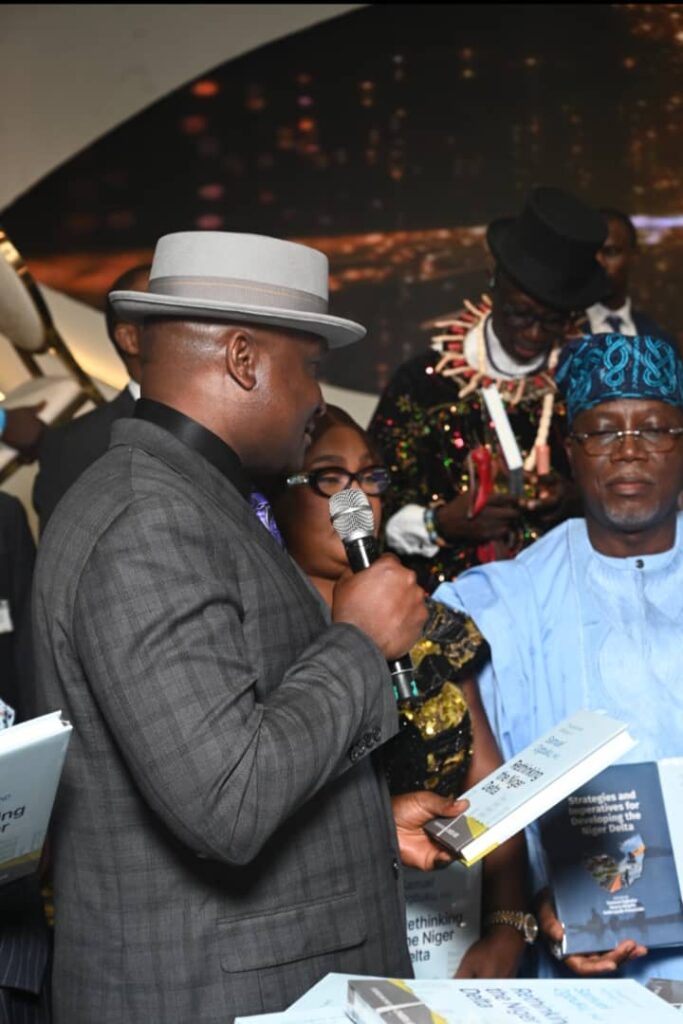
It was a day when eulogies poured in torrents for the Managing Director of the Niger Delta Development Commission (NDDC), Dr. Samuel Ogbuku, as eminent Nigerians, including President Bola Tinubu, gathered to celebrate him as he turned 50 on Tuesday, August 19,2025.
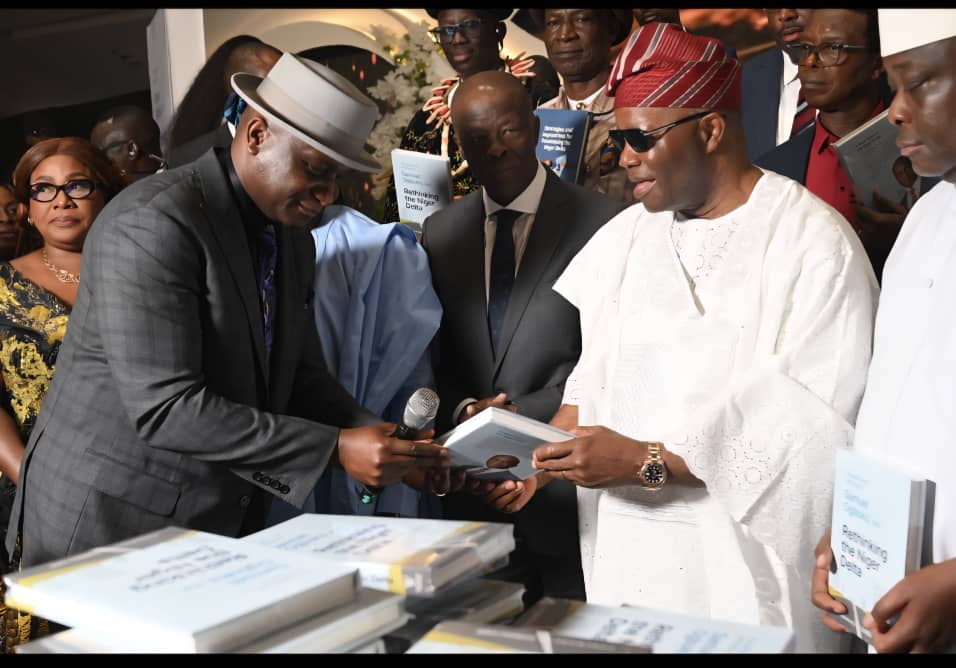
The well attended occasion which took place in Abuja was also used to present to the public two books titled, ‘Strategies and Imperative for Developing Niger Delta’ and ‘Rethinking the Niger Delta’ both written by Ogbuku.
Speaking at the event, President Bola Tinubu commended the Managing Director of the NDDC, Dr. Samuel Ogbuku, for his good works, describing him as a game-changer and transformational leader whose work has made an impact in the Niger Delta region.
President Tinubu also charged the NDDC boss to continue to deliver impactful projects that touch lives, empower youth, and give hopes to the communities of the oil-rich region.
Tinubu, who was represented by Chief Wale Edun, the Minister of Finance and Coordinating Minister of the Economy said, “Ladies and gentlemen, I bring the words in summary of his Excellency, President Bola Ahmed Tinubu GCFR, President of the Federal Republic of Nigeria.
“As we all know, he is even abroad at the moment, attending the Tokyo International Conference on African Development. And it is my honour, it is my privilege to represent him here.
“Let me not forget our traditional rulers who have come out in their normal to honour the celebrant. As was said earlier, turning 50, a very special occasion. It is called the golden age, when one looks back with gratitude and ahead with a sense of purpose.
“In Dr Ogbuku’s case, we celebrate not just years, but a life of service, a life of scholarship, a life of achievement. And you’ve been at it, and you were recognised for it almost 30 years ago.
“As I said at the launching of the books, these two books are all about your strategy, your values, and indeed, your ability to execute.”
According to him, Niger Delta is more than a region, it is the economic heartbeat of this country. And it is central to the energy and the environmental future.
“For decades, the story has been difficult. It has been complex with very rich resources on land and water. But serious challenges all the way.
“Our administration’s reforms focus on transparency and accountability resources, investment in infrastructure and human capital. And, of course, empowering communities and the grassroots so they can have a sustainable future.”
In his remarks, the President of the Senate, Godswill Akpabio, said that the NDDC has witnessed a rebirth under the leadership of Ogbuku.
Akpabio recalled that when he was the Minister of Niger Delta Affairs, he tried to get NDDC to complete the major electricity project in Ilaje, which is the Okitipupa area of Ondo State.
The Senate President, who said that the project covered four local government areas and many villages, added that those areas were in darkness for over 14 years.
He said the project was completed and commissioned under the leadership of Ogbuku and the current Governing Board of the NDDC.
“NDDC board never used to last up to 10 months. So, consistently, when we were governors, the then President would call us and say bring names. And I said what happened? He said these people are too corrupt, I’m sending them away.
“But here we are, instead of coming here to submit names, to replace you (Ogbuku), we are coming to celebrate you.
“We are celebrating your two years of impactful leadership, two years of focus, two years of collaboration, and two years of work, showing strength and focus in leadership.
“You will not be remembered by just this celebration. You will be remembered for the kind of legacies you leave behind for the good people of Niger Delta,” Akpabio said.
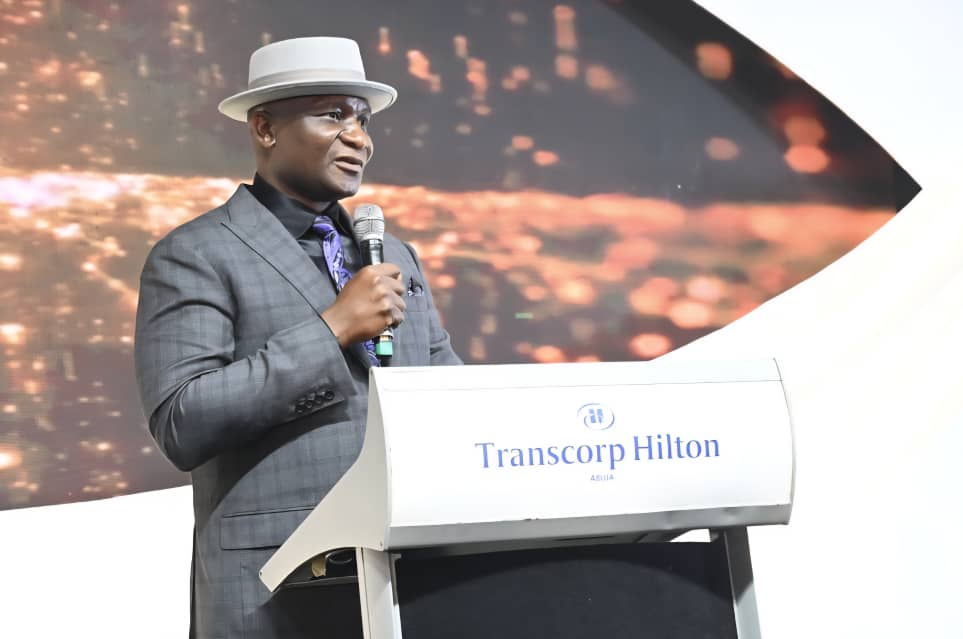
Responding to the flow of eulogies, an emotional Ogbuku thanked President Tinubu for giving him an opportunity as NDDC CEO to make a difference in the Niger Delta region.
He recalled that during his maiden meeting with the president, he expressed concern over the state of NDDC affairs.
“I want to thank Mr. President for not even knowing or trusting me that we could work together to make this difference. And it was because of the charge Mr. President gave me that I and my team today, we decided to do what we are doing.
“Without Mr. President’s charge, without his confidence, without his broad language, probably we would not have passed this charge to us.
“We decided to sit down to ensure that we will give back on Mr. President’s goodwill and kindness.
“The next time I saw Mr. President, made that contact inside the room, what came out from his mouth was a thank you. By that, I mean you have said that you have promised that you will say no, I know, but I have my source of information.
“I will not tell you what you have achieved because I was eager to let you know what you have achieved. He said, I know, I have my source of information. He said thank you.
“And what Mr. President said was, you see, it is that pitch I gave you that created the spark in you. I said thank you. So, I want to thank Mr. President for not only appointing me to the NDDC, but for also giving me that pitch that has created that spark in me today.
“That has brought about a movement in Nigeria that I have peace in Nigeria. So, whatever we have achieved today in NDDC, I give the credit to Mr. President.”
According to him, this is because he decided to take personal interest in NDDC to ensure that NDDC does not fail to guard his watch.
“And he is still very much attentive to our activities and all that we do. So, I want to use this opportunity to thank Mr. President.”
Dr. Ogbuku traced his journey from humble beginnings to national leadership, attributing his success to his parents, teachers, and political mentors.
“I’m here today because of the values my parents instilled in me — discipline, hard work, and faith. I am grateful to President Tinubu for the opportunity to serve and promise to continue doing my best for the holistic development of the Niger Delta,” he stated.
Dr. Ogbuku also called on Niger Delta governors to collaborate more closely with the commission to fast-track progress and ensure inclusive growth across the region.
“We can only achieve sustainable development through synergy. Together, we can transform the lives of our people.”
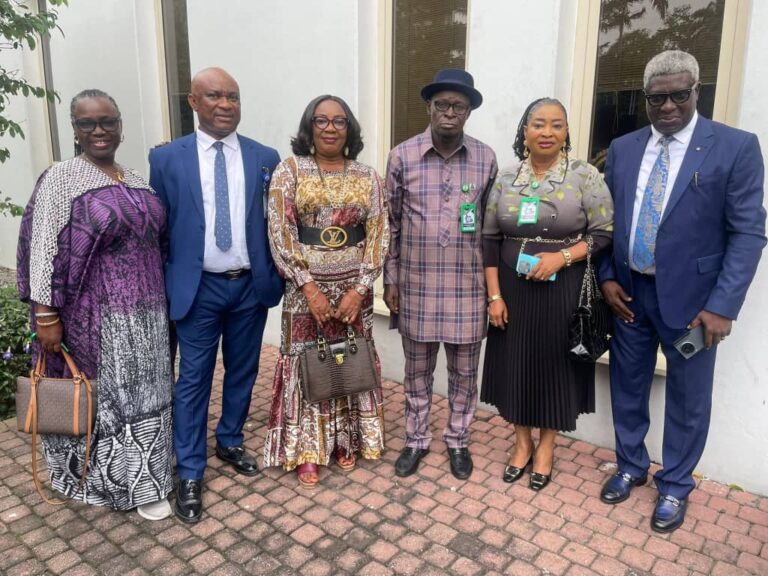
The high-profile birthday was attended by an array of prominent leaders, including Senate President Godswill Akpabio; Bayelsa State Governor Douye Diri; Ondo State Governor Lucky Aiyedatiwa; FCT Minister Nyesom Wike; Minister of Interior Olubunmi Tunji-Ojo; Chief of Defence Staff General Christopher Musa; former Bayelsa Governor Chief Timipre Sylva; PANDEF Chairman Dr. Godknows Igali; and former NDDC Chairman Timi Alaibe, among others.